Neurorestorative Florida I

2351 Clement Road, Lutz, FL 33549

For more information about senior living options: (844) 490-3973

2.7 from 3 reviews
5 stars
0
4 stars
1
3 stars
1
2 stars
0
1 stars
1

Assisted Living

What level of care are you interested in?

Assisted Living

Memory Care

Independent Living

Skilled Nursing Facility

Continuing Care Retirement Community (CCRC)CCRC

Other


Request a tour at Neurorestorative Florida I

    Overall Review of Neurorestorative Florida I

    Cons

    • pro The facility is dirty and nasty.
    • pro Residents are treated poorly and often left soiled.
    • pro There is a sad situation due to the low caregiver-to-patient ratio.
    • pro The reviewer will never return to the facility.

    Review

    The review paints a stark and troubling picture of a care facility, beginning with a blunt assessment that sets the tone for everything that follows: "Dirty, nasty facility." That opening line encapsulates a deep sense of disappointment and alarm about the level of sanitation and upkeep within the building. The writer's impression is not merely about a few spoiled corners but about an environment that feels neglected at a foundational level. The wording communicates a conviction that the place is not meeting basic standards of cleanliness, which can have broad implications for anyone who lives or works there.

    Beyond the appearance of the rooms and halls, the reviewer concentrates on how residents are treated on a day-to-day basis. The claim that "Residents are treated poorly and often left soiled" darkens the narrative with a sense of neglect that can be emotionally jarring as well as physically unsafe. It suggests missed opportunities for routine hygiene, timely assistance with personal care, and a lack of dignity in daily life. Such experiences aren't just about discomfort; they hint at a systemic failure to provide compassionate, attentive care when it matters most to residents' comfort and well-being.

    The reviewer does not stop at condemning the care itself but points to a structural shortfall that compounds the problem: staffing. The phrase "low caregiver to patient ratios" is highlighted as a central factor in why the facility performs so poorly in other areas. A lean staff can lead to delays, rushed assistance, and mistakes, all of which can leave residents feeling ignored or undervalued. The description implies a cycle where insufficient staffing makes cleanliness and personal care fall through the cracks, which then reinforces a sense of neglect and erodes trust in the facility's ability to protect vulnerable residents.

    There is a strong emotional undertone threaded throughout the account. The writer's declaration - "Never will I go to assist facility again" - does more than express personal disappointment; it signals a loss of confidence not only in this specific facility but in the broader system that allows such conditions to exist. The choice to vow not to return reflects a culmination of perceived harm and a protective instinct to shield themselves or others from repeating a troubling experience. This stance also serves as a warning to others who might be considering this facility, underscoring the perceived risk associated with its current state.

    What the review implies - though it centers on a single encounter - extends to questions about the overall environment. If a place is consistently dirty, if residents are left in unsanitary conditions, and if staff are spread too thin to respond promptly, the implications reach far beyond individual complaints. Cleanliness, timely assistance, and respectful treatment are foundational to quality care, and when they falter, residents' safety and dignity are at stake. The narrative suggests a facility struggling with basic governance and operational control, where daily routines are disrupted by shortcomings that should be preventable with proper resources and oversight.

    In terms of what could be done to address these concerns, the review implicitly points to several area ripe for improvement. Adequate staffing levels and realistic caregiver-to-resident ratios are essential to ensure timely help and proper personal care. Strengthened hygiene protocols, regular housekeeping, and consistent monitoring of residents' comfort and safety could mitigate the kinds of issues described. Transparent management practices, routine audits, and opportunities for residents and families to provide feedback might help rebuild trust. Training focused on compassion, dignity, and patient-centered care would also be central to shifting the experience from neglect to attentive, respectful support.

    Ultimately, the account serves as a pointed reminder that the quality of a care facility is measured not just by policies on paper but by everyday practices that affect real people. The reviewer's experience highlights how quickly a facility can slip from being a place of care to a place of concern when cleanliness, staffing, and attentiveness fall short. It's a narrative that invites prospective families to look beyond glossy brochures and ask hard questions about daily routines, staffing stability, and the lived experiences of residents. The voice remains clear: the current state is unacceptable, and change is needed to restore safety, dignity, and trust for everyone who calls the facility home.

    Features

    Housing

    • 8 resident community capacity 8 resident community capacity

    Types of Care

    • Assisted Living Assisted LivingAssisted living facilities provide crucial support and care for seniors who may need help with daily tasks such as medication management, bathing, and meal preparation. These communities offer a safe and comfortable environment where seniors can maintain their independence while receiving the assistance they need to thrive in their golden years.

    Amenities

    • Cable or satellite TV Cable or satellite TVCable or satellite TV is important for seniors because it provides entertainment, news, and companionship, helping to combat loneliness and boredom. It also offers a wide range of programming options tailored to different interests and preferences.
    • Dining room Dining roomDining rooms are important for seniors as they provide a space for socialization, connection, and nutritious meals. They offer opportunities for residents to bond over shared meals, foster a sense of community, and promote healthy eating habits. Dining rooms also ensure that seniors have access to well-balanced meals tailored to their dietary needs and preferences.
    • Fully furnished Fully furnishedFully furnished senior living communities are important for seniors because they provide convenience, comfort, and a hassle-free moving experience. Seniors can easily settle into their new living space without the stress of having to buy and move furniture. This allows them to focus on enjoying their new home and community.
    • Garden GardenGardens are important for seniors as they provide a peaceful and therapeutic environment for relaxation, physical activity, and socialization. Being in nature has been shown to reduce stress, improve mood, and promote overall well-being. Gardens also offer opportunities for seniors to engage in gardening activities, which can improve mobility, flexibility, and cognitive function. Additionally, gardens create a sense of community and connection with others who share a passion for plants and outdoor spaces.
    • Housekeeping services Housekeeping servicesHousekeeping services are important for seniors because they help maintain a clean and safe living environment, promote independence, and reduce the risk of accidents or illnesses. Additionally, having assistance with household chores can alleviate physical strain and allow seniors to focus on other aspects of their well-being.
    • Move-in coordination Move-in coordinationMove-in coordination is important for seniors because it helps ease the transition into their new living environment. It ensures that all logistics, such as packing, organizing movers, and setting up utilities are taken care of, allowing seniors to focus on settling in and adjusting to their new home. Having a smooth move-in process can alleviate stress and anxiety, making the transition smoother and more enjoyable for seniors.
    • Outdoor space Outdoor spaceOutdoor spaces are important for seniors as they provide opportunities for physical activity, social interaction, exposure to natural light and fresh air, and a sense of connection to nature. Having access to outdoor spaces can improve overall well-being and quality of life for older adults living in senior communities.
    • Telephone TelephoneTelephones are important for seniors as they provide a lifeline for communication with loved ones, emergency services, and healthcare providers. They offer a sense of security and independence, enabling seniors to stay connected and access assistance when needed.
    • Wi-Fi/high-speed internet available Wi-Fi/high-speed internet availableWi-Fi/high-speed internet is important for seniors to stay connected with loved ones, access online resources, and participate in virtual activities to combat feelings of loneliness and isolation. It also allows them to easily manage healthcare needs, access entertainment, and engage in lifelong learning opportunities.

    Transportation

    • Tampa International (12 miles away) Tampa International (12 miles away)
    • St. Petersburg-Clearwater International (21 miles away) St. Petersburg-Clearwater International (21 miles away)

    Care Services

    • 24-hour supervision 24-hour supervision24-hour supervision is important for seniors to ensure their safety, well-being, and access to immediate assistance in case of emergencies or health issues. This constant support provides peace of mind for both seniors and their loved ones, allowing them to age in place with dignity and security.
    • Activities of daily living assistance Activities of daily living assistanceActivities of daily living assistance are important for seniors because they provide essential support with tasks such as eating, bathing, dressing, and mobility. This assistance helps seniors maintain their independence, dignity, and overall quality of life as they age.
    • Assistance with bathing Assistance with bathingAssistance with bathing is crucial for seniors as it helps maintain personal hygiene, prevents infections, and ensures their overall well-being and comfort. It also provides a sense of dignity and independence for seniors who may struggle with this task on their own.
    • Assistance with dressing Assistance with dressingAssistance with dressing is important for seniors because it helps maintain their independence, promotes personal hygiene, prevents accidents and injuries, and improves overall quality of life. This service ensures that seniors can continue to dress comfortably and confidently, despite any physical limitations they may have.
    • Assistance with transfers Assistance with transfersAssistance with transfers is crucial for seniors as it helps prevent falls and injuries, maintains their independence, and ensures they can safely navigate their living environment. It also provides peace of mind for both seniors and their loved ones.
    • Coordination with health care providers Coordination with health care providersCoordination with health care providers is crucial for seniors to ensure proper medical care, medication management, and overall well-being. This collaboration helps prevent overlapping treatments, track progress more effectively, and provide comprehensive support tailored to individual needs.
    • Diabetes diet Diabetes dietA diabetes diet is crucial for seniors as it helps manage blood sugar levels, reduce risks of complications, and improve overall health and well-being. By following a balanced and nutritious diet tailored to their specific needs, seniors can better control their diabetes and enhance their quality of life.
    • Meal preparation and service Meal preparation and serviceMeal preparation and service are crucial for seniors as they may have limited mobility or energy to cook nutritious meals. Having access to healthy and convenient food options can ensure they are getting the proper nutrition needed to maintain their overall health and well-being.
    • Medication management Medication managementMedication management is crucial for seniors to ensure they are taking the right medications at the correct dosages and times. This helps prevent adverse drug interactions, reduces the risk of medication errors, and promotes overall health and well-being. Proactive management also allows for adjustments as needed based on changing health conditions or new prescriptions.
    • Special dietary restrictions Special dietary restrictionsSpecial dietary restrictions are important for seniors because age-related changes in metabolism and health conditions can make it difficult for their bodies to process certain foods. By following a diet tailored to their specific needs, seniors can maintain their overall health and well-being, manage chronic conditions, and reduce the risk of complications such as malnutrition or food interactions with medications.
    • Transportation arrangement (medical) Transportation arrangement (medical)Transportation arrangements for medical purposes are essential for seniors as they may have difficulty driving themselves to appointments or accessing public transportation. Having reliable and safe transportation options ensures that seniors can receive timely medical care and maintain their health and well-being.
    • Transportation to doctors appointments Transportation to doctors appointmentsTransportation to doctors' appointments is crucial for seniors as it ensures they have access to necessary medical care and support for their health needs. Without reliable transportation, seniors may struggle to attend important appointments, leading to potential delays in treatment and health complications. Providing transportation services helps seniors maintain their overall well-being and quality of life.

    Dining

    • Diabetes diet Diabetes dietA diabetes diet is crucial for seniors as it helps manage blood sugar levels, reduce risks of complications, and improve overall health and well-being. By following a balanced and nutritious diet tailored to their specific needs, seniors can better control their diabetes and enhance their quality of life.
    • Special dietary restrictions Special dietary restrictionsSpecial dietary restrictions are important for seniors because age-related changes in metabolism and health conditions can make it difficult for their bodies to process certain foods. By following a diet tailored to their specific needs, seniors can maintain their overall health and well-being, manage chronic conditions, and reduce the risk of complications such as malnutrition or food interactions with medications.

    Activities

    • Community-sponsored activities Community-sponsored activitiesCommunity-sponsored activities are important for seniors as they provide opportunities for social interaction, mental stimulation, and physical activity. These activities can help improve overall well-being, combat loneliness and isolation, and promote a sense of belonging and purpose among older adults.
    • Scheduled daily activities Scheduled daily activitiesScheduled daily activities are important for seniors because they provide structure, socialization, mental stimulation, and physical activity. Engaging in regular activities can improve overall well-being and quality of life for seniors living in a community setting.

    Description

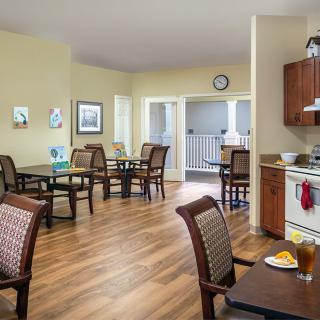
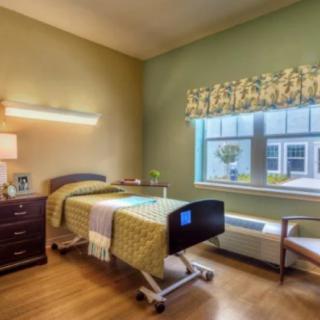
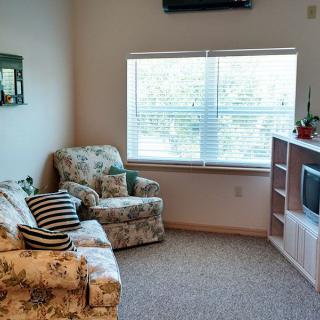
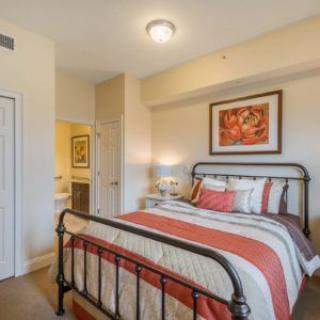
    Neurorestorative Florida I in Lutz, FL is an assisted living community that offers a wide range of amenities and care services to ensure the comfort and well-being of its residents. The community features a spacious dining room where residents can enjoy delicious meals prepared by the staff. Each apartment is fully furnished, providing a cozy and welcoming environment for residents.

    Neurorestorative Florida I also boasts a beautiful garden and outdoor space, allowing residents to relax and enjoy nature. Housekeeping services are provided to maintain a clean and tidy living environment. Move-in coordination is available to assist new residents with a smooth transition into their new home.

    To ensure the safety and health of its residents, the community offers assistance with activities of daily living such as bathing, dressing, and transfers. Coordination with health care providers is provided to ensure that residents receive the necessary medical attention. Medication management is also available to help residents keep track of their medications.

    The community understands the importance of maintaining specific dietary needs, offering special dietary restrictions for those with diabetes or other dietary restrictions. Meal preparation and service are provided by the staff. Transportation arrangements for medical appointments are available for added convenience.

    Residents can look forward to a variety of scheduled daily activities that cater to their interests and hobbies. Additionally, Neurorestorative Florida I is conveniently situated near cafes, parks, pharmacies, physicians' offices, restaurants, places of worship, theaters, and hospitals.

    Overall, Neurorestorative Florida I in Lutz, FL provides a supportive and engaging assisted living community where residents can live comfortably while receiving high-quality care and enjoying various amenities.

    Nearby Places of Interest

    Parks

    • Nye Park (2 miles)
    • Wesley Chapel District Park (6.4 miles)
    • Carrollwood Village Park (6.6 miles)

    Pharmacies

    • Winn-Dixie (2.3 miles)
    • Walgreens (2.4 miles)
    • CVS Pharmacy (3 miles)
    • CVS Pharmacy (3.3 miles)
    • Walgreens (3.5 miles)
    • Winn-Dixie (3.8 miles)
    • Walgreens (3.9 miles)

    Physicians

    • ForCare Medical Center (2.6 miles)
    • Florida Medical Clinic (3.2 miles)
    • Ambulatory Surgery Center - Tampa (3.7 miles)
    • Sunshine Pediatrics of Lutz (4.3 miles)
    • University Diagnostic Institute (4.4 miles)
    • Innovision Eyecare & Eyeware (4.6 miles)
    • The Woman's Group (4.9 miles)

    Restaurants

    • Cracker Barrel (2.7 miles)
    • Chick-Fil-A (2.7 miles)
    • Acropolis Greek Taverna (2.8 miles)
    • Chick-Fil-A (4 miles)
    • Steak 'n Shake (4 miles)
    • Portillo's Hot Dogs (4.5 miles)
    • Chick-Fil-A (4.6 miles)

    Hospitals

    • Florida Hospital Tampa (3.4 miles)
    • AdventHealth Tampa (3.4 miles)
    • H Lee Moffitt Cancer Center (3.9 miles)
    • St Joseph's Hospital (4.7 miles)

    Places of Worship

    • Idlewild Baptist Church (3.5 miles)
    • St Paul Catholic Church (5.9 miles)

    Cafes

    • Starbucks (3.7 miles)
    • Starbucks (4.3 miles)
    • Starbucks (5.2 miles)
    • Starbucks (5.4 miles)
    • Starbucks (6.5 miles)

    Theaters

    • AMC Highwoods 2 (3.8 miles)

    Transportation

    • Stanleyville Train Station (5.8 miles)
    • Nairobi Train Station (5.9 miles)

    Frequently Asked Questions

    Where is Neurorestorative Florida I?

    Nearby Communities

    Related Resources

    • does medicaid pay for assisted livingHow and When Medicaid May Cover Assisted Living Costs

      Medicaid coverage for assisted living varies by state and is primarily available to low-income individuals, with eligibility dependent on strict income and asset limits. Some states offer HCBS waivers for specific services in assisted living, but families must generally cover room and board costs, and should verify facility acceptance of Medicaid while considering potential waiting lists.

    • assisted living waiver programA Detailed Exploration of Assisted Living Medicaid Waivers Across the United States

      Medicaid waivers for assisted living services provide vital support for seniors and individuals with disabilities in need of long-term care, with varying state-specific eligibility criteria and benefits. These waivers cover personal care and case management but often do not fully cover room and board, leading to waiting lists for many applicants.

    • assisted living for disabled adultsComprehensive Residential Support and Assisted Living Solutions for Individuals with Disabilities

      The article examines the complexities of assisted living for individuals with disabilities, emphasizing the need for tailored care solutions that enhance quality of life and social inclusion, while addressing financial challenges and advocating for community integration. It discusses various housing options, the importance of financial assistance through public benefits, and highlights trends towards integrated and technology-driven solutions in disability-focused housing.


    Get Pricing Ask A Question Schedule A Tour Contact Senior Advisor