
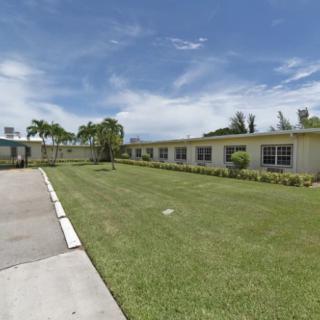
501 State Road 44, Leesburg, FL 34748
For more information about senior living options: (866) 208-4318
Overall Review of Pennbrooke Fairways
Pros
 Residents love Pennbrooke Fairways, a friendly 55+ living community.
- The community is very friendly and welcoming.
- There are plenty of on-site activities, many at no extra cost besides golf.
- It is independent housing supported by an activities coordinator and a property manager.
- The community has an elected board of directors.
- A couple has lived there 17 years and loves it; the wife is very comfortable there and plans to stay.
Review
Pennbrooke Fairways is best suited for active, independent seniors 55 and up who want a vibrant, social lifestyle in a well-governed, amenity-rich community. This is not a place for someone seeking hands-on care or medical supervision, but rather a turnkey environment where daily life centers on being connected, participating, and maintaining autonomy. For families prioritizing constant caregiving on site, this community is unlikely to meet those needs, and alternatives with built-in assisted living or memory care should be considered.
Those evaluating options should understand who may want to consider alternatives: seniors who anticipate needing regular assistance with activities of daily living, medication management, or skilled nursing services should look toward assisted living or continuing care arrangements. Similarly, anyone seeking a quieter, less activity-dense schedule, or a facility with on-site clinical staff and rehab services, would do better elsewhere. Pennbrooke Fairways prioritizes independence and social engagement, and that design will feel restrictive to residents who require ongoing care or a more clinical support framework.
The core advantages are concrete and meaningful. The breadth of activities is a standout feature, with a calendar that rivals much larger communities and comes at no additional charge beyond golf. For those who want a busy social life, there is no shortage of options, from softball and other group activities to gatherings organized by a dedicated activities coordinator. Having a property manager in the mix further reduces daily friction, keeping maintenance and requests responsive. The presence of an elected board of directors signals resident governance and a sense that the community will adapt to resident needs over time, rather than being run purely by outside management. Long-tenured residents reinforce the sense of stability and belonging, with one couple noting 17 years in place and strong emotional attachment that translates into a grounded, friendly atmosphere.
The main constraints are clear and manageable if expectations align with the model. The most salient limitation is that this is strictly independent housing; there is no on-site care or medical oversight. That means transitions should be planned if health needs change, and prospective residents must self-manage or secure care arrangements elsewhere. The only obvious additional cost beyond base fees is golf, which some will consider a feature and others a small deterrent if golf access becomes a line-item to manage. For families prioritizing a care-centric environment or a facility designed to scale care alongside aging, Pennbrooke Fairways will feel like a mismatch.
When weighing pros against the main cons, the balance heavily favors independence-seeking households who value social vitality and resident-led governance. The comprehensive activity roster and inclusive social life markedly mitigate risk of isolation, especially for active retirees who want continual engagement without nickel-and-diming for programs. The long tenure of residents and the evident comfort of couples, where one partner’s reluctance to relocate is supported by the community, underscore its effectiveness as a social hub that sustains quality of life over many years. The lack of on-site care, then, is not a flaw so much as a defining boundary: it preserves autonomy and lowers costs for those who don’t require daily clinical support, while quietly signaling the need to plan for future care elsewhere if needs evolve.
For families ready to pursue this option, a disciplined due-diligence approach is warranted. Visit with questions framed around daily life, the cost structure of golf, and how the board handles resident concerns. Speak with the activities coordinator about the calendar’s breadth and whether programs align with aging in place. Confirm that caregiving plans are in place or identify preferred partners should health changes arise. Above all, assess comfort levels with the community’s governance style and the living environment, ensuring that both the resident and their spouse, or partner, feel confident, supported, and excited about staying in place for the long haul. Pennbrooke Fairways delivers a compelling, action-packed, independent lifestyle; it is the right match for those who want to stay social, autonomous, and engaged, with a built-in community that sustains both momentum and companionship.
 6 resident community capacity
 Active Adult Communities (55+)
 Assisted Living
 Independent Living
 Activities on-site
 Devotional services off-site
 Indoor common areas
 Telephone
 Wi-Fi/high-speed internet available
 Ambulatory care
 Assistance with dressing
 Diabetic care
 Meal preparation and service
 Medication management
 Diabetes diet
 Special dietary restrictions

 When to Transition from Assisted Living to Memory Care: Key Indicators, Steps, and Finding the Right Community
 Assisted Living and Memory Care: Understanding Their Core Differences
 Beyond the Bingo Hall: 50+ Enriching Activities for Seniors in Assisted Living