Lake House Assisted Living offers competitive pricing for its residents, particularly when compared to the state and county averages. For instance, a semi-private room at Lake House is available for $2,300 per month, significantly lower than the Pinellas County average of $2,765 and the Florida state average of $3,009. The studio option also stands out at $2,600, providing substantial savings against the county's average of $3,598 and the state's typical fee of $3,823. For those seeking more spacious accommodations, a one-bedroom unit is priced at $3,300 - again more affordable than both local ($3,638) and statewide ($3,864) options. Even larger two-bedroom apartments are competitively priced at $3,800 compared to higher costs in Pinellas County ($3,985) and across Florida ($4,711). Overall, Lake House Assisted Living presents an attractive choice for individuals seeking quality care without straining their budget.
Floor plans
Lake House Assisted Living
Pinellas County
Florida
Semi-Private
$2,300
$2,765
$3,009
Studio
$2,600
$3,598
$3,823
1 Bedroom
$3,300
$3,638
$3,864
2 Bedrooms
$3,800
$3,985
$4,711
Memory care communities with a similar price nearby
Residents and families frequently describe the staff as caring, helpful, and responsive to needs.
Across many reviews, families and residents say the staff follows through on day-to-day support and treats people with kindness and respect. Several reviewers name specific members of management or care teams when describing help with questions, meals, and personal needs. A smaller number of reviews express the opposite—describing unfriendliness or staffing that felt insufficient—so experiences are not uniform.
common
Activities keep residents engaged
Reviews consistently mention daily activities, outings, and entertainment that help keep residents engaged.
Many reviewers describe frequent programming such as games, music, live performances, and scheduled daily activities, along with outings and special events. Activity programming is also described as tailored by the activities director, with residents participating in social moments during visits and tours. A few reviewers note limits during quieter periods or that evenings and weekends could use more programming, but the overall theme remains active days.
common
Dining is a frequent highlight
The dining experience comes up often, with many residents and families saying the food is genuinely good.
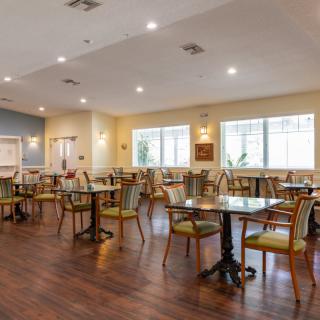
A strong number of reviews call out the quality and appeal of meals, including praise for taste and meals being served in a dining room setting. Some reviewers describe a restaurant-style approach, with residents choosing from menu items and receiving meals with social dining in mind. There are also a few conflicting mentions, including concerns about food at times, so it’s not universally perfect.
caveat
Memory care support varies
Memory care reviews are mixed, with some families praising the routine and staff while others report gaps.
Some families describe the memory care unit as a good environment for dementia or Alzheimer’s, emphasizing getting residents into a routine and keeping days full of activities and engagement. Other reviews criticize memory care staffing and responsiveness, saying families had to request items multiple times or found certain care expectations not met. If memory care is the main need, the reviews suggest it’s especially important to confirm how care and supervision will work for the specific situation.
differentiator
Pricing feels more workable
Several reviews tie the decision to affordability, and the posted pricing is positioned well below county and state levels.
Some families say they chose the community because of cost, and at least one reviewer frames pricing as better than expected compared with their research. Others mention affordability constraints and budget fit more directly, which suggests pricing is a key factor in whether families feel it’s right. Overall, the pricing presented for units is meaningfully below both county and state benchmarks, aligning with the affordability-related comments.
How we summarize
We summarize when many written reviews mention each theme; a review can touch several themes, and only frequently mentioned themes are displayed.
Features
Housing
75 resident community capacity
Types of Care
Assisted Living
Memory Care
Respite Care
Pets
Cats allowed
Dogs allowed
Amenities
Activities off-site
Activities on-site
Air-conditioning
Beautician on-site
Beauty salon
Cable or satellite TV
Computer center
Devotional services off-site
Devotional services on-site
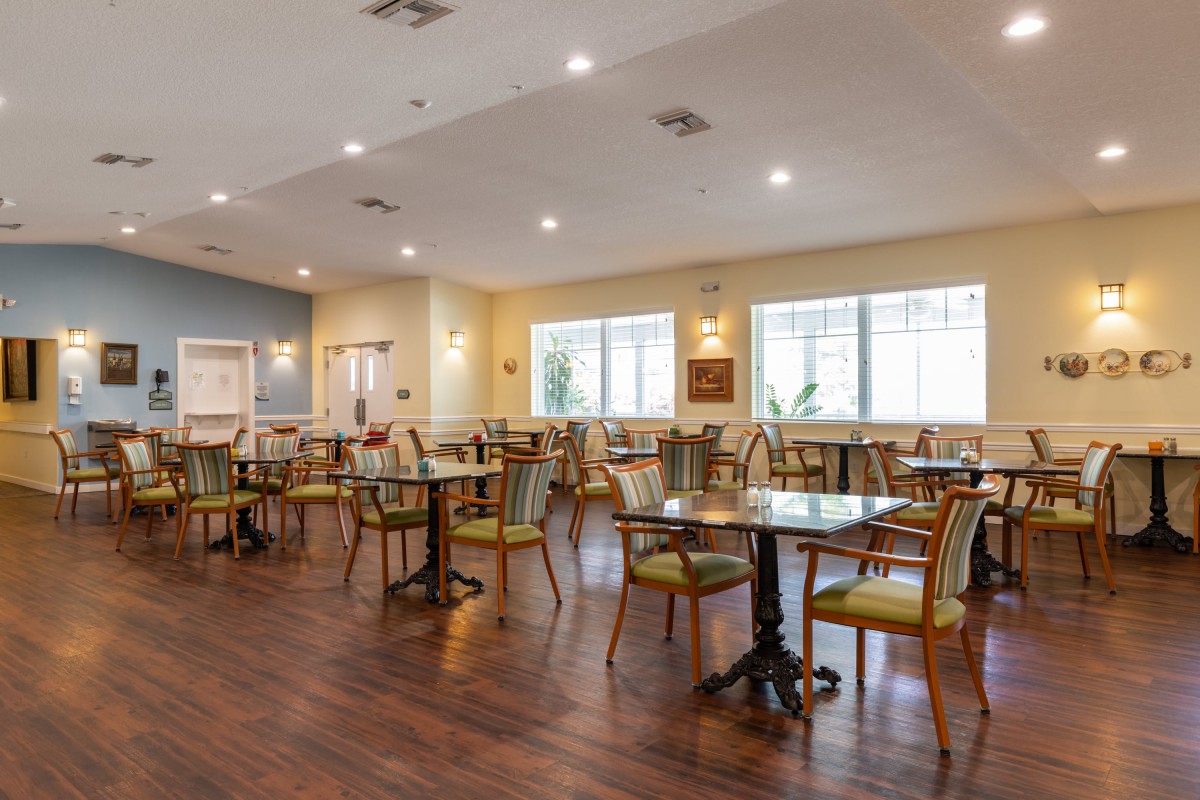
Dining room
Fitness room
Fully furnished
Gaming room
Garden
Ground floor units
Handicap accessible
Housekeeping services
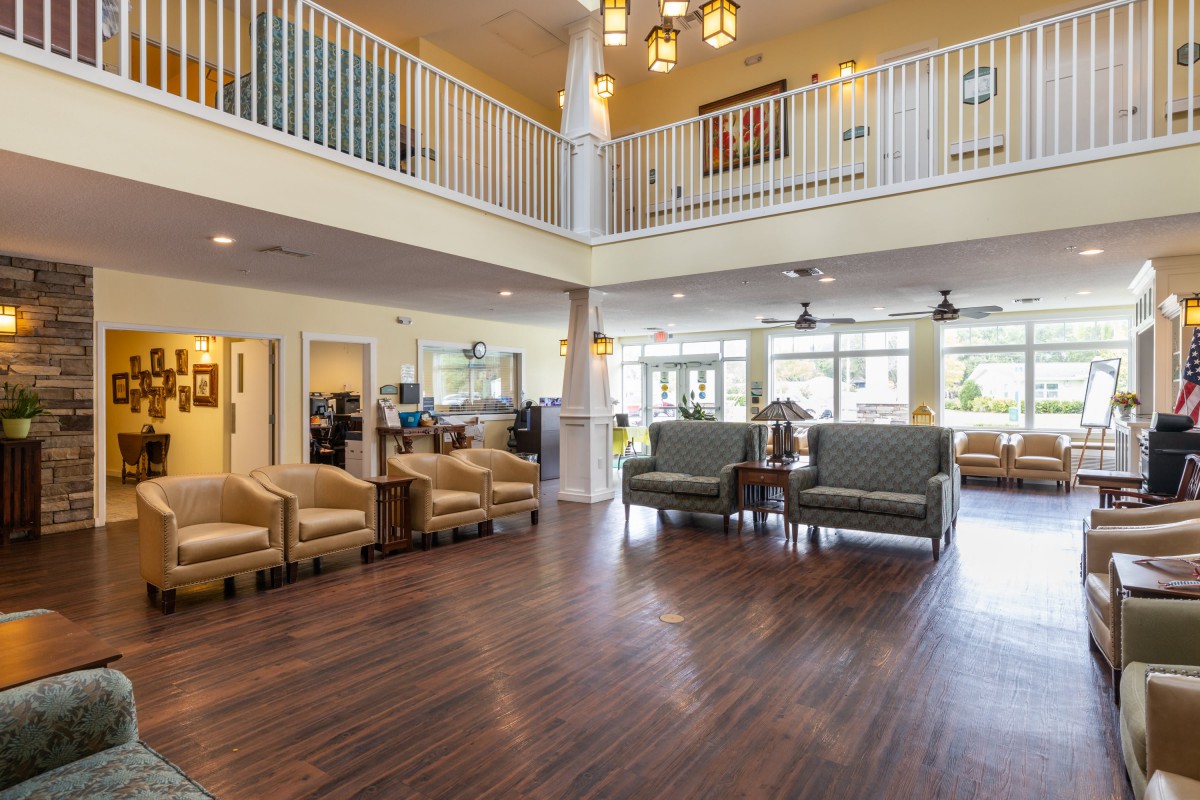
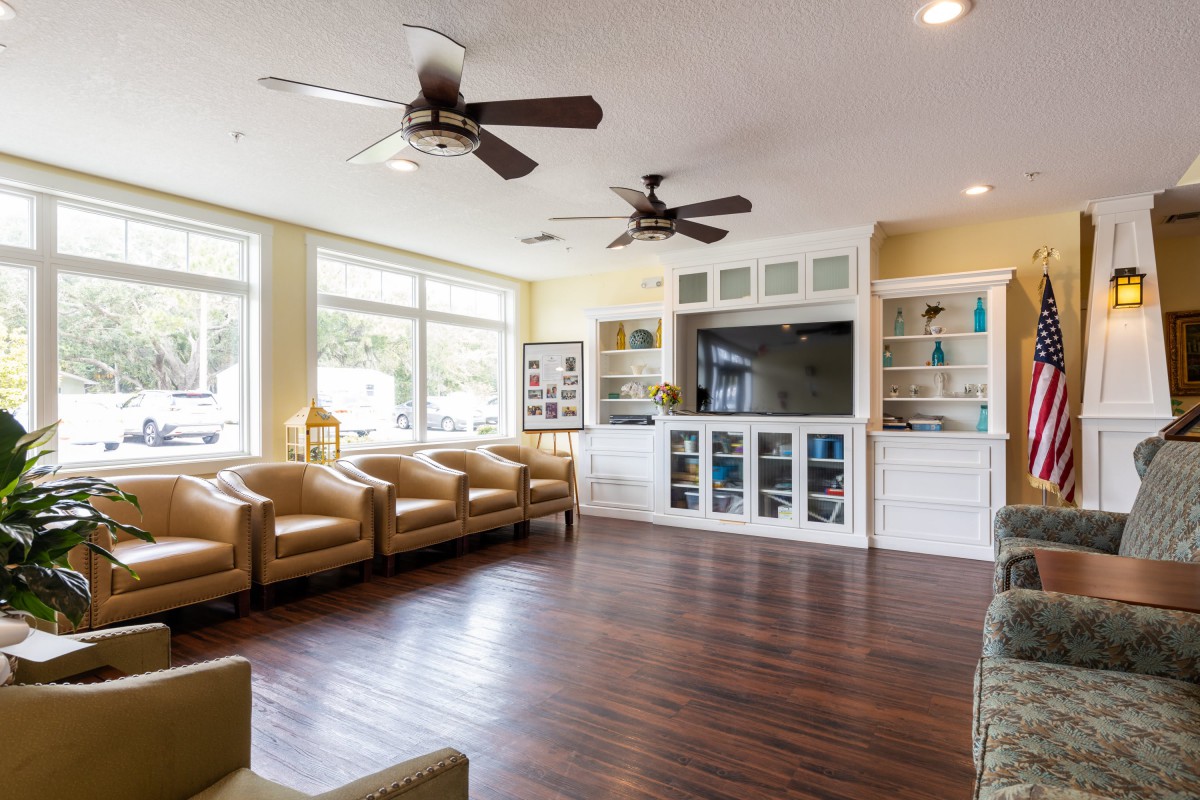
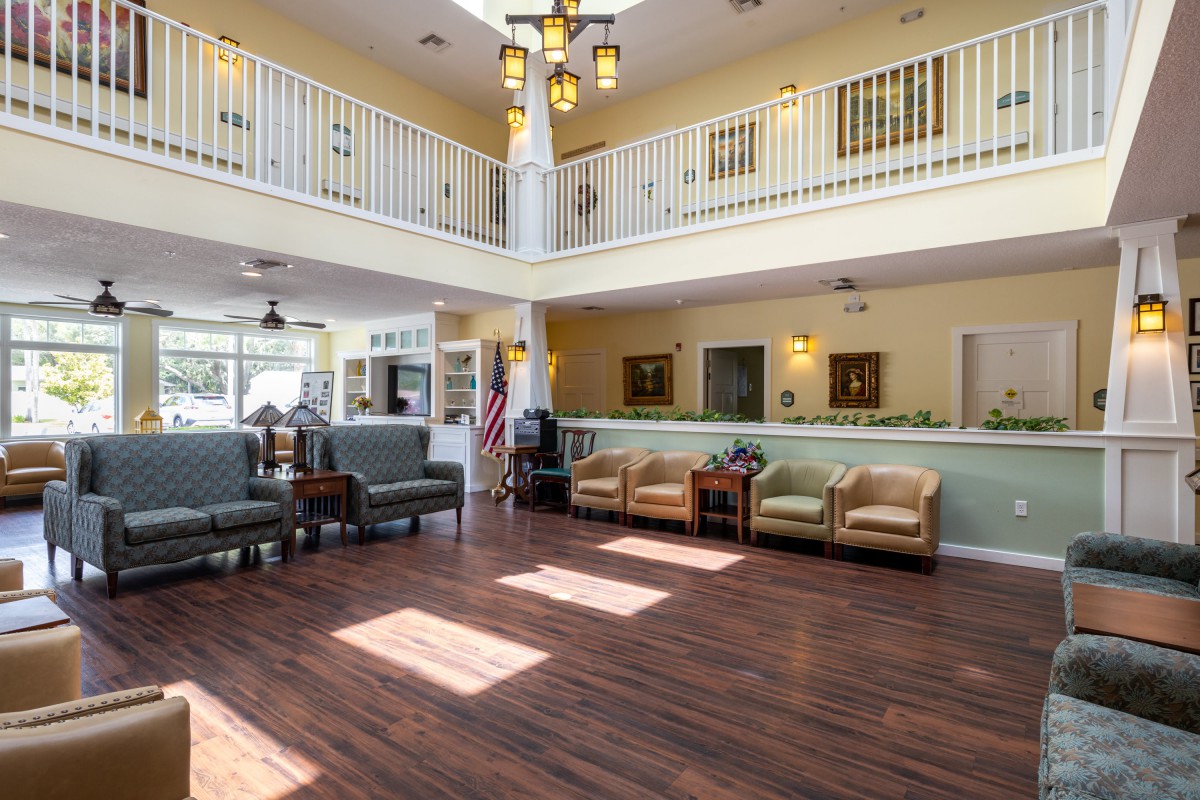
Indoor common areas
Kitchenette
Move-in coordination
Outdoor common areas
Outdoor space
Private bathrooms
Respite or short term stays offered
Restaurant-style dining
Small library
Telephone
Wellness center
Wheelchair accessible showers
Wi-Fi/high-speed internet available
Transportation
St. Petersburg-Clearwater International (5 miles away)
Tampa International (15 miles away)
Community operated transportation
Transportation arrangement
Transportation arrangement (non-medical)
Transportation to doctors appointments
Care Services
12-16 hour nursing
24-hour call system
24-hour supervision
Activities of daily living assistance
Ambulatory care
Assistance with bathing
Assistance with dressing
Assistance with transfers
Diabetes diet
Diabetic care
High acuity care
Incontinence care
Meal preparation and service
Medication management
Mental wellness program
Mild cognitive impairment
Special dietary restrictions
Specialized memory care programming
Dining
Diabetes diet
Guest meals
Low / no sodium
Meals provided
No Sugar
Restaurant style dining
Room service
Special dietary restrictions
Special dining programs
Activities
Art classes
Community-sponsored activities
Concierge services
Day trips and outings
Devotional activities offsite
Devotional activities on-site
Educational speakers / life long learning
Fitness programs
Forever fit
Happy hour
Karaoke
Live dance or theater performances
Live musical performances
Live well programs
Planned day trips
Resident-run activities
Scheduled daily activities
Stretching classes
Nearby Places of Interest
Nestled in the vibrant city of Largo, Florida, this neighborhood offers a plethora of amenities to cater to the needs and interests of seniors. With easy access to parks like Eagle Lake Park and Largo Central Park for leisurely strolls or outdoor activities, residents can immerse themselves in nature. Nearby physicians such as Bay Dermatology & Cosmetic Surgery and The Heart Institute at Largo ensure top-notch medical care. Pharmacies like Winn-Dixie and CVS Pharmacy are conveniently located for medication needs. Dining options range from casual spots like Chick-Fil-A to upscale choices like Cristino's Coal Oven Pizza. For entertainment, Regal Largo Mall is just a short drive away. Morton Plant Hospital provides excellent healthcare services in the vicinity. Additionally, cafes such as Belleair Coffee Company offer cozy spaces for socializing. With easy transportation access to St Pete-Clearwater International Airport (PIE) and places of worship like Christ The Cornerstone within reach, this neighborhood presents a welcoming and convenient environment for seniors looking to settle down in Largo, Florida.
Parks
Eagle Lake Park (0.6 miles)
Largo Central Park (1.6 miles)
Dog Run (2.7 miles)
McMullen Booth Tennis Center Clearwater FL (2.8 miles)
Sand Key Park (4.3 miles)
Kapok Park (4.9 miles)
Freedom Lake Park (6.3 miles)
Physicians
Bay Dermatology & Cosmetic Surgery (0.6 miles)
Eye Institute of West Florida / LASC (2 miles)
The Heart Institute at Largo (2 miles)
Pinellas County Environmental Health (2.2 miles)
Academic Alliance in Dermatology (2.4 miles)
Florida Department of Health, Pinellas County Health Department, Clearwater Center (3.4 miles)
Clearwater Pediatric Care (3.5 miles)
Pharmacies
Winn-Dixie (0.8 miles)
CVS Pharmacy (1.7 miles)
CVS Pharmacy (2.6 miles)
CVS Pharmacy (2.9 miles)
Walgreens (2.9 miles)
Walgreens (3.4 miles)
Walgreens (3.5 miles)
Restaurants
Hammerstein Brewing Company (1.5 miles)
Chick-Fil-A (2.2 miles)
Chili's Grill & Bar (2.5 miles)
Cristino's Coal Oven Pizza (2.6 miles)
McDonald's (2.8 miles)
Seaweed Steaks, Seafood and Sushi (3 miles)
Chick-Fil-A (3.3 miles)
Theaters
Regal Largo Mall (2.4 miles)
SMG Seminole (5.9 miles)
Hospitals
Morton Plant Hospital (2.7 miles)
Morgan Heart Hospital (2.8 miles)
Cafes
Belleair Coffee Company (2.9 miles)
Starbucks (6.5 miles)
Starbucks (6.5 miles)
Transportation
St Pete-Clearwater International Airport (PIE) (5 miles)
Lake House Assisted Living offers competitive pricing for its residents, particularly when compared to the state and county averages. For instance, a semi-private room at Lake House is available for $2,300 per month, significantly lower than the Pinellas County average of $2,765 and the Florida state average of $3,009. The studio option also stands out at $2,600, providing substantial savings against the county's average of $3,598 and the state's typical fee of $3,823. For those seeking more spacious accommodations, a one-bedroom unit is priced at $3,300 - again more affordable than both local ($3,638) and statewide ($3,864) options. Even larger two-bedroom apartments are competitively priced at $3,800 compared to higher costs in Pinellas County ($3,985) and across Florida ($4,711). Overall, Lake House Assisted Living presents an attractive choice for individuals seeking quality care without straining their budget.
The features at Lake House Assisted Living are thoughtfully designed to address the unique needs of residents with dementia or Alzheimer's disease. With 24-hour supervision, staff can ensure safety and provide immediate support in case of confusion or disorientation. Assistance with daily living activities, such as bathing and dressing, helps maintain dignity while promoting personal hygiene, which can often be challenging for individuals with cognitive impairments. Incontinence care is handled discreetly to ensure comfort and confidence. Meal preparation and service cater to specific dietary requirements while also encouraging social interaction during dining. Medication management ensures timely adherence to prescriptions, crucial for overall health. The mental wellness program and specialized memory care programming engage residents in tailored activities that stimulate cognitive function and emotional well-being, addressing the spectrum of cognitive decline from mild impairment to advanced stages. Collectively, these services foster a nurturing environment that supports independence and enhances quality of life for residents navigating the challenges associated with memory-related conditions.
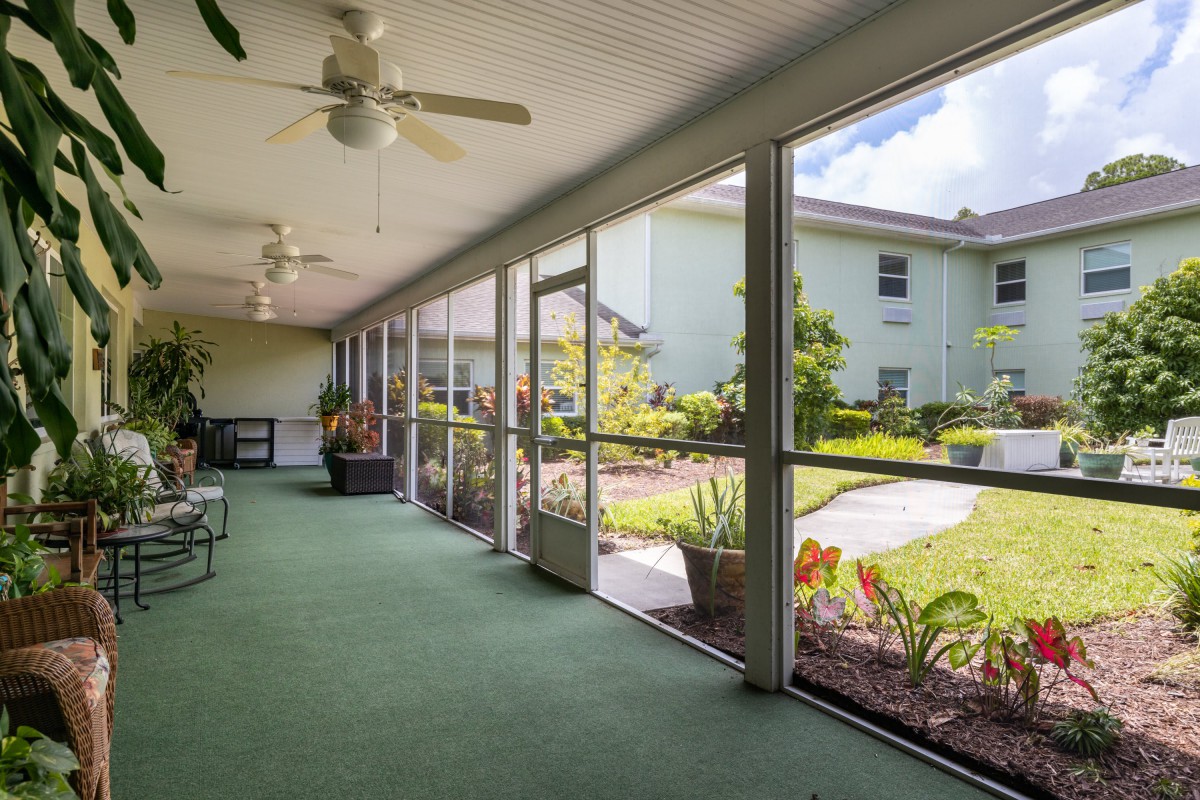
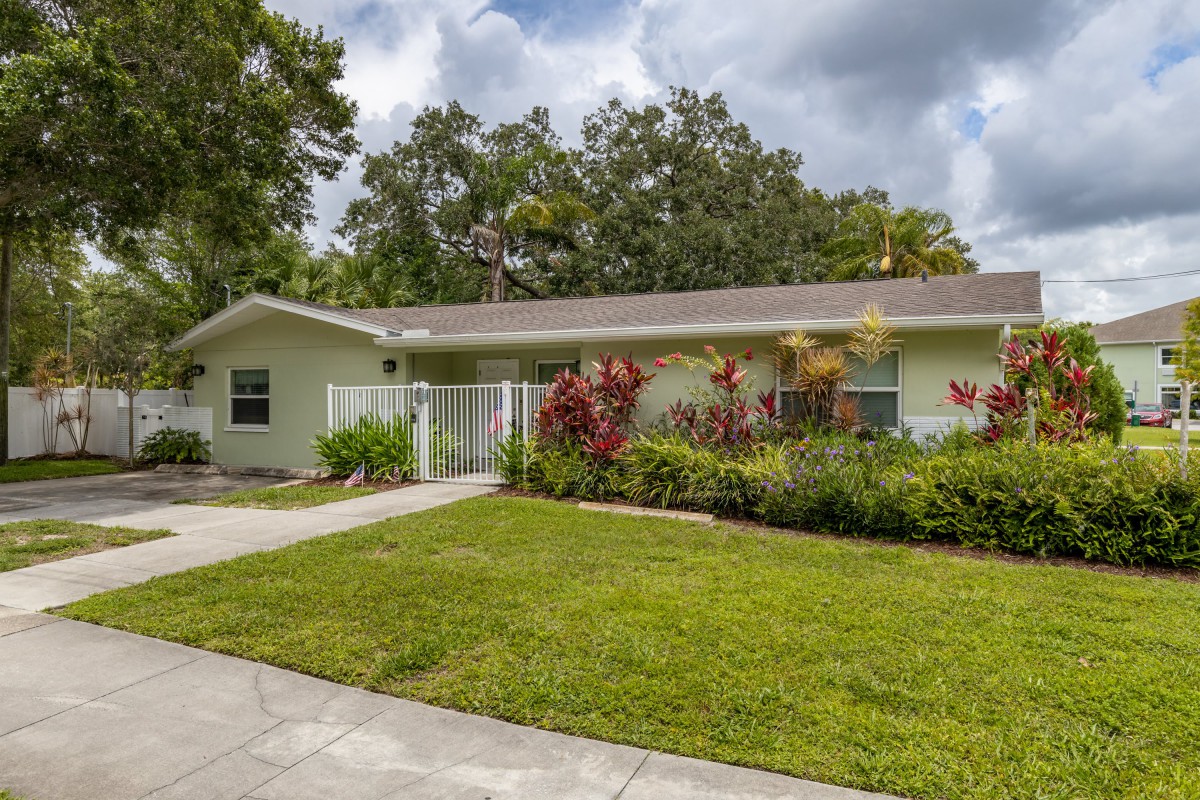
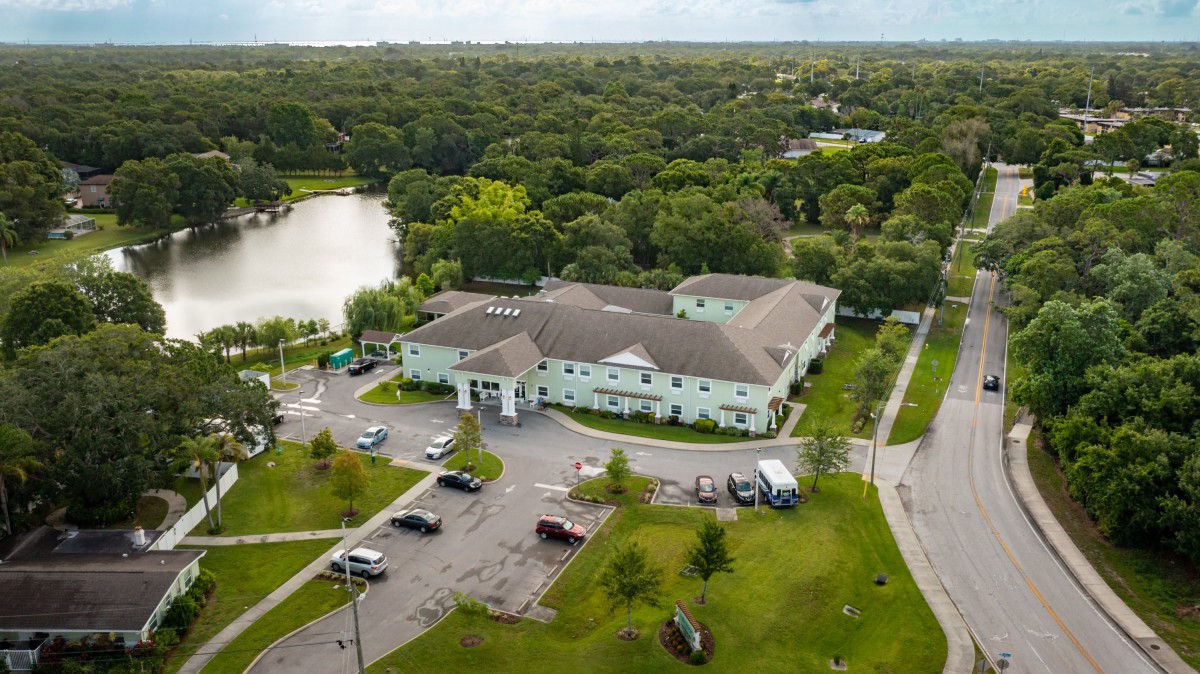
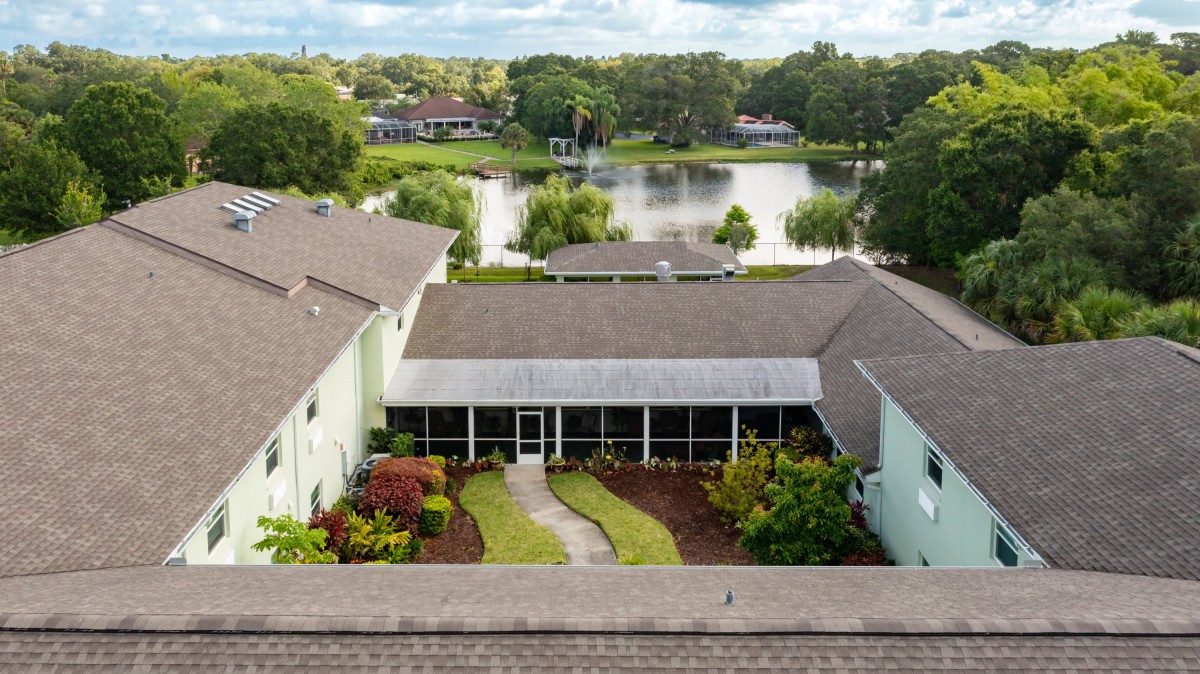
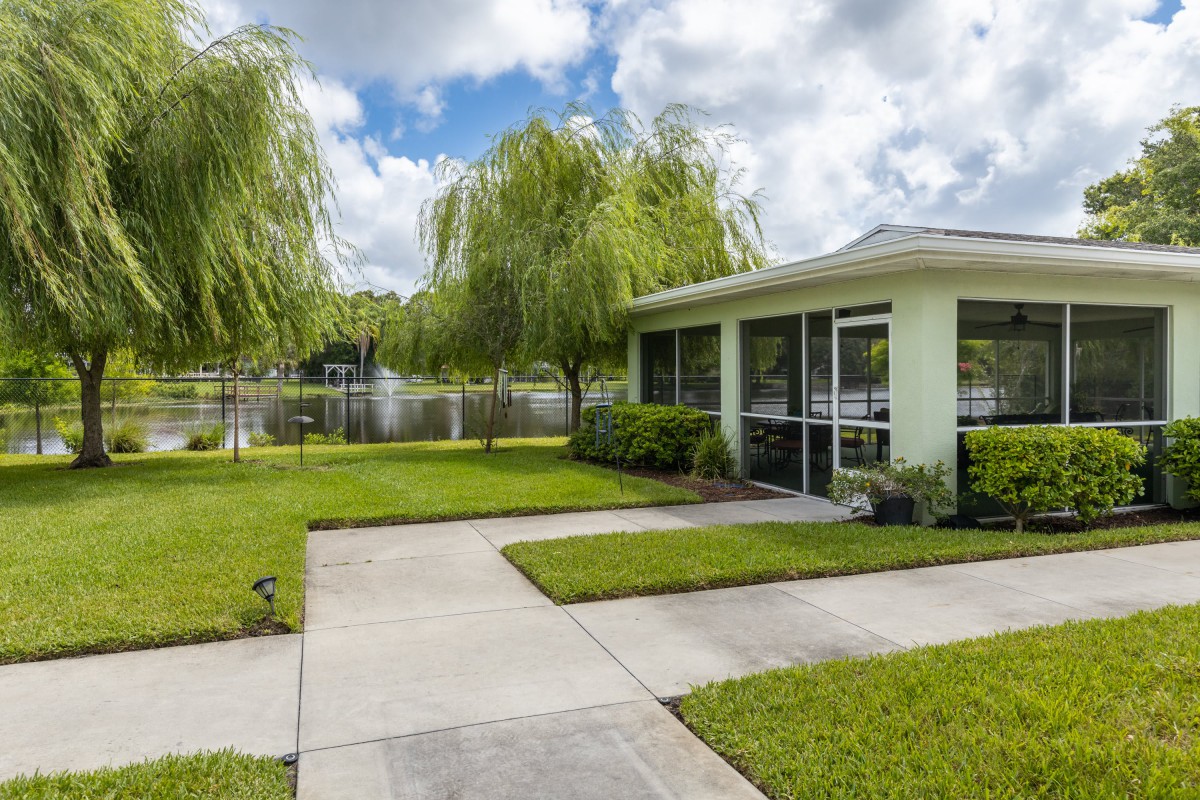
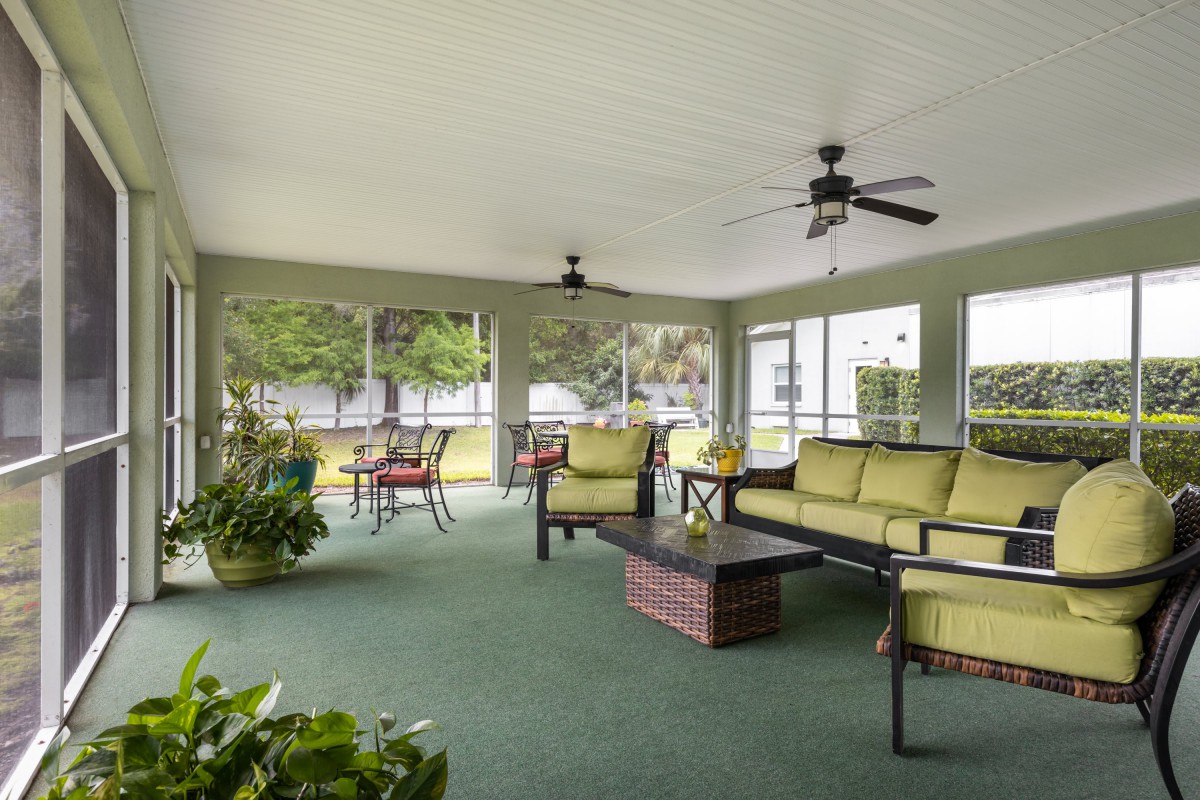
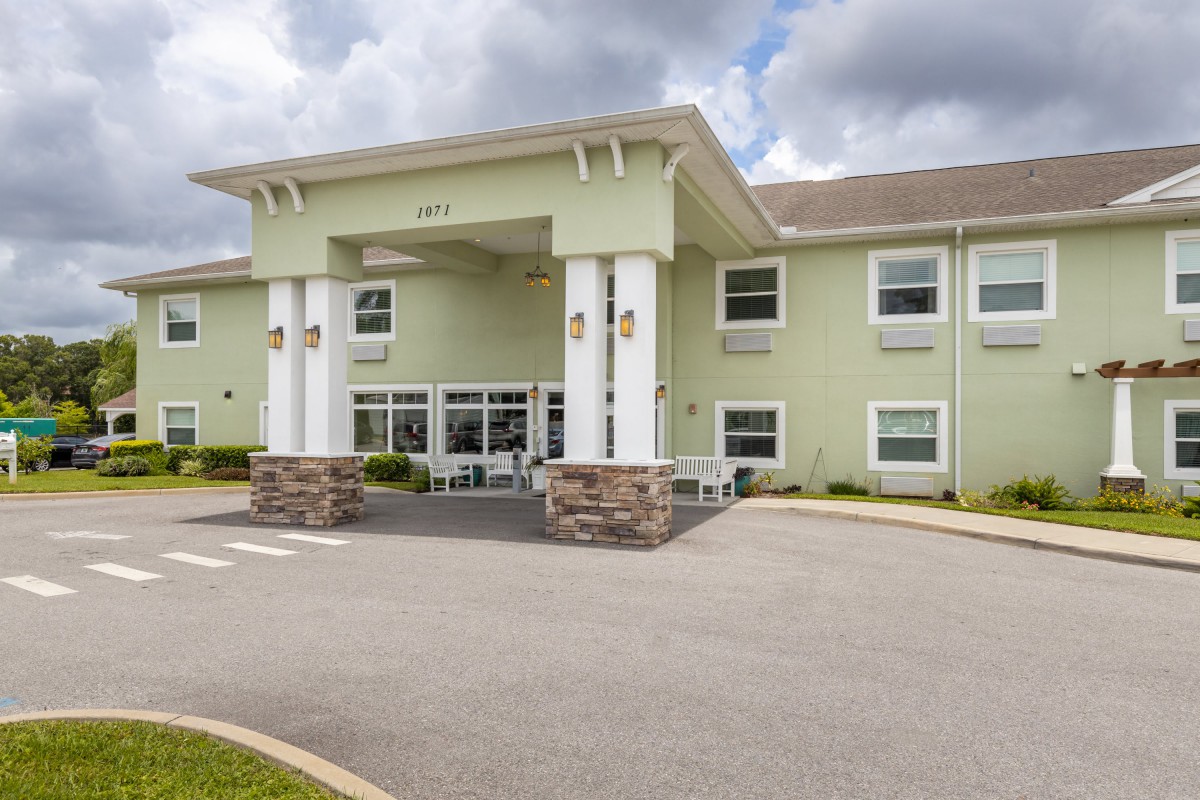
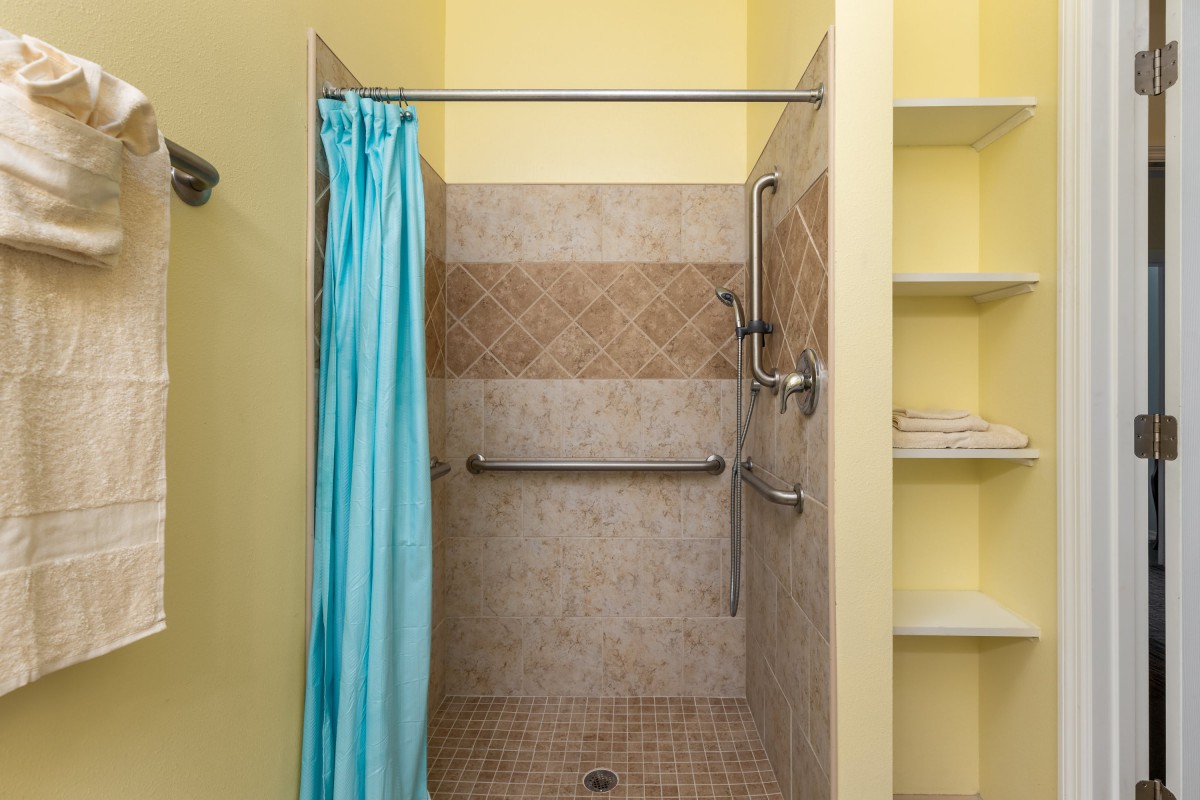
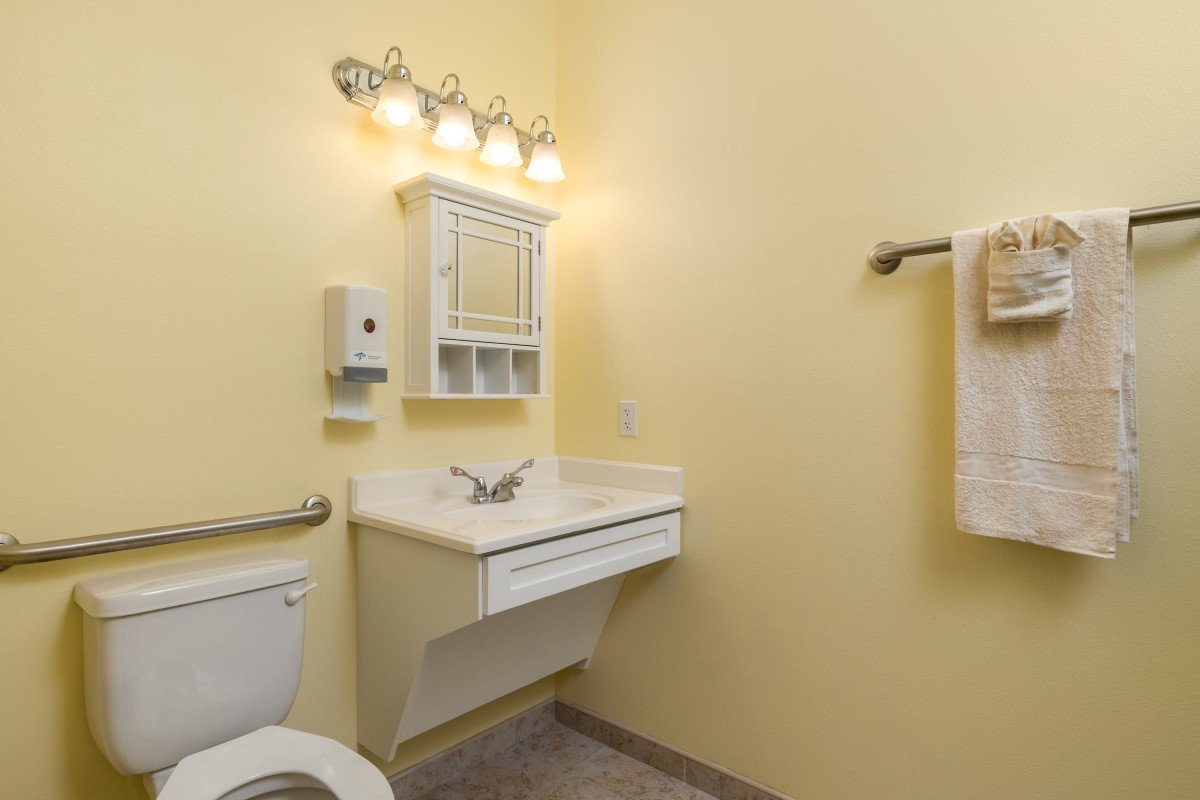
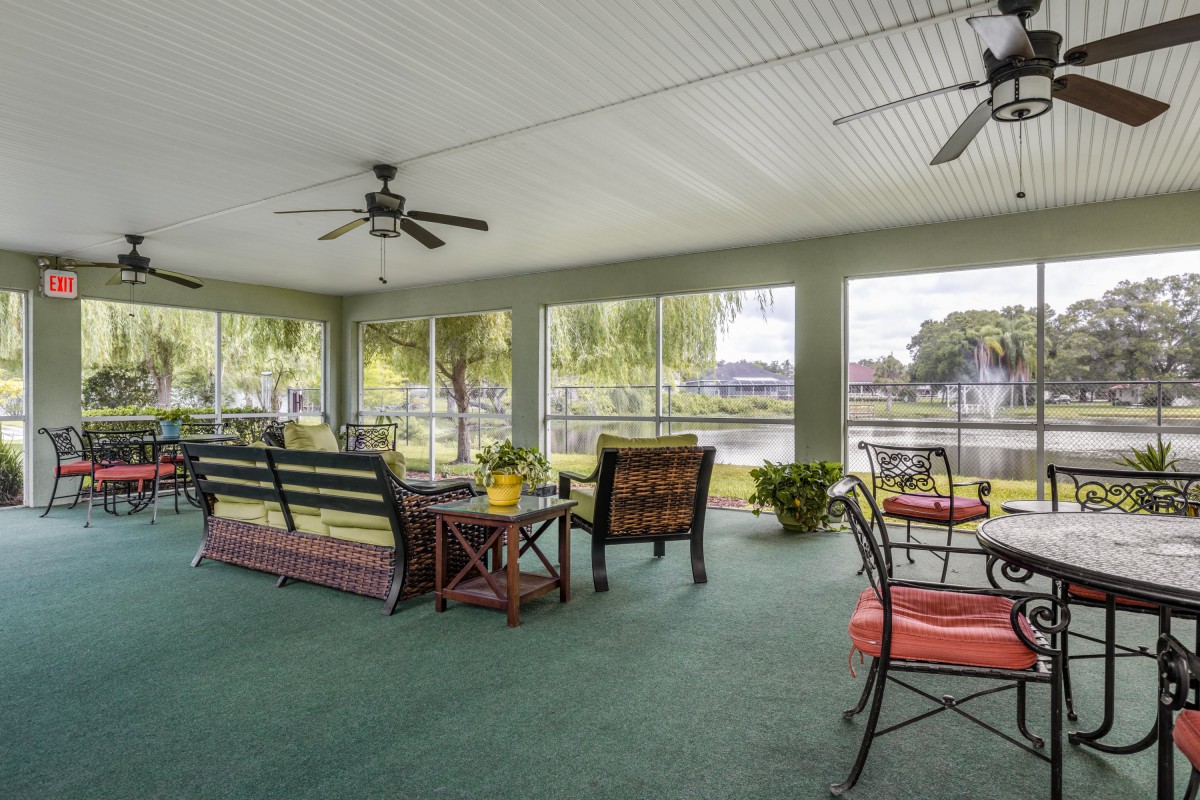
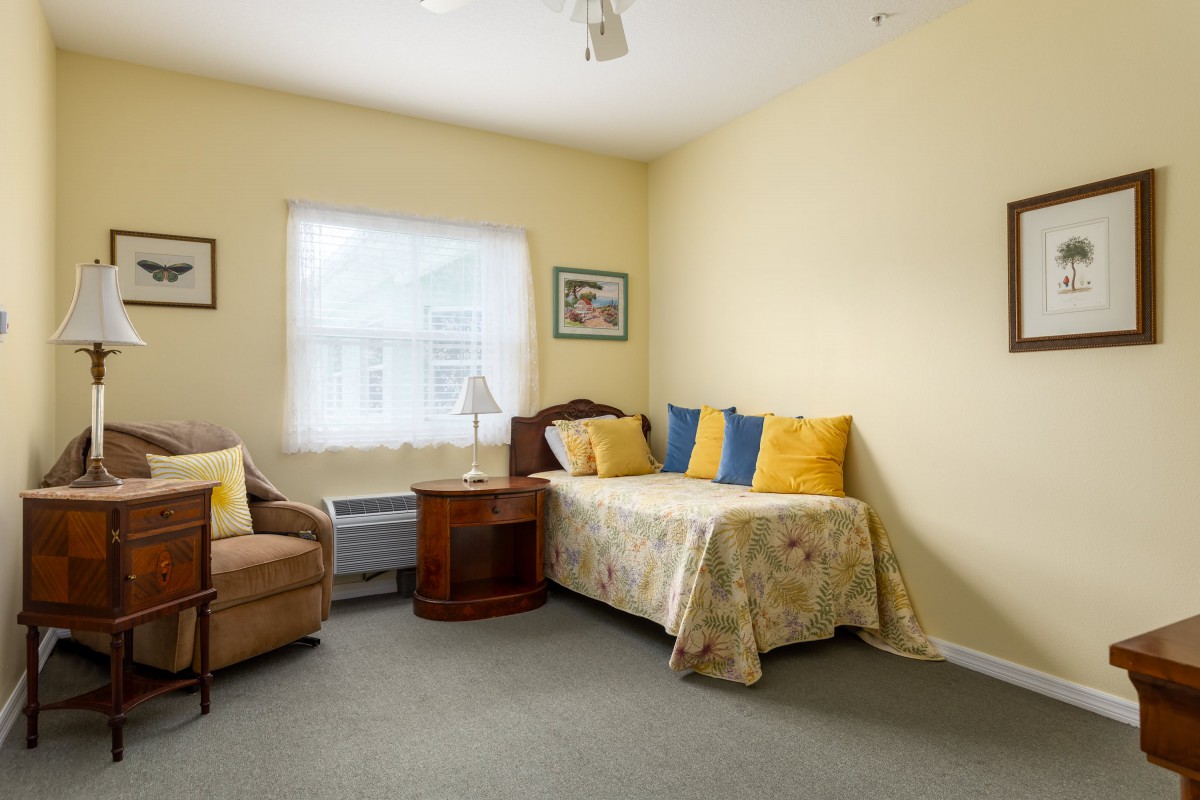
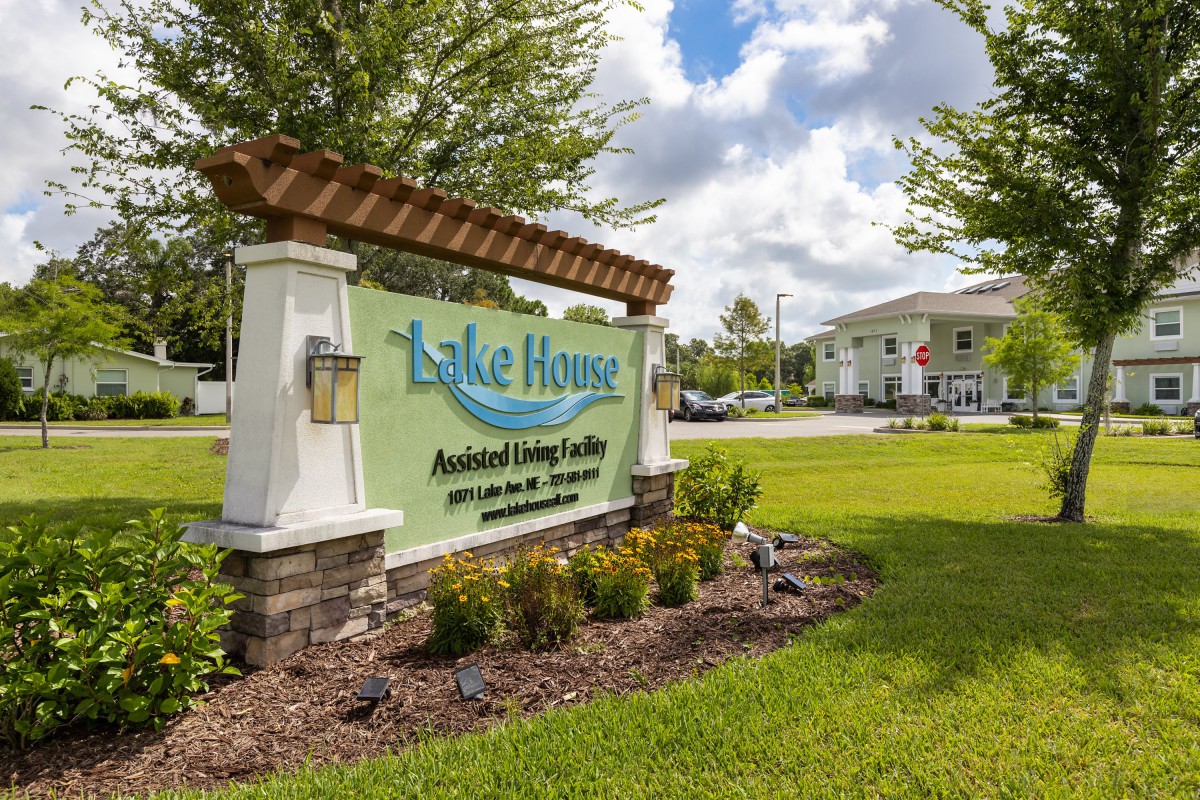
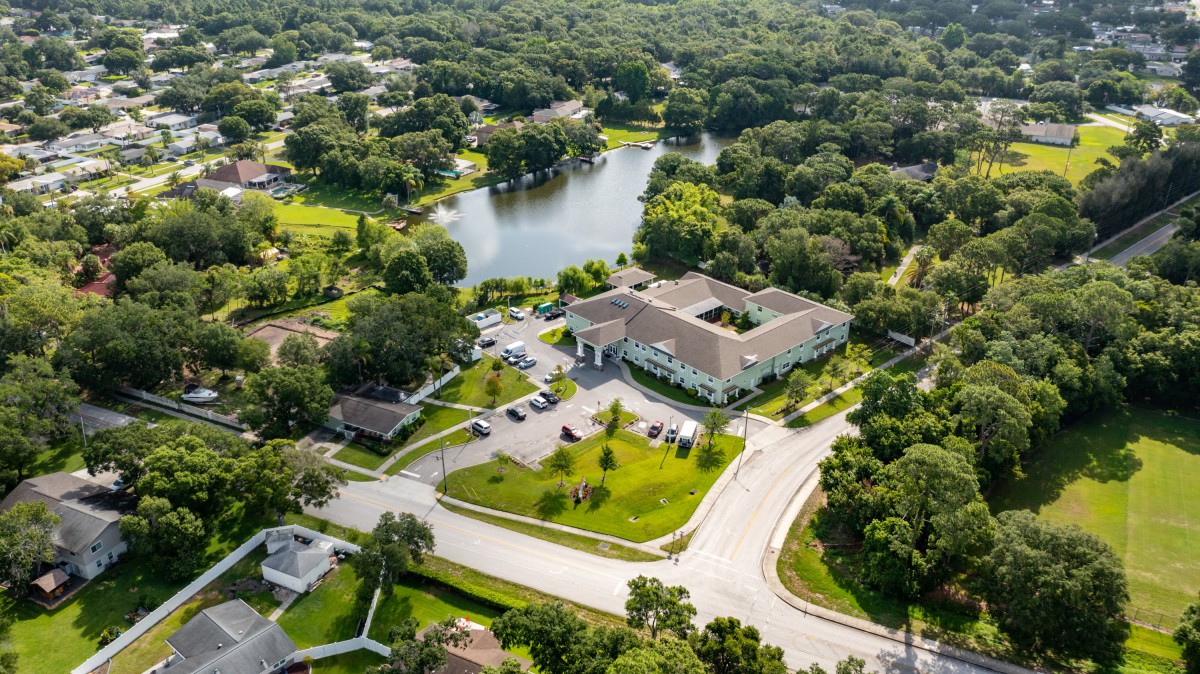
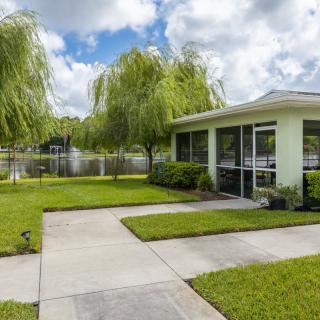
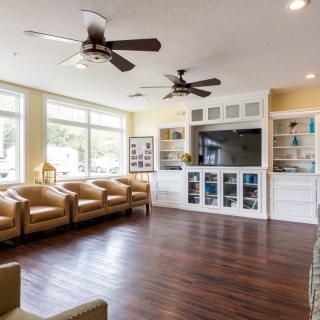
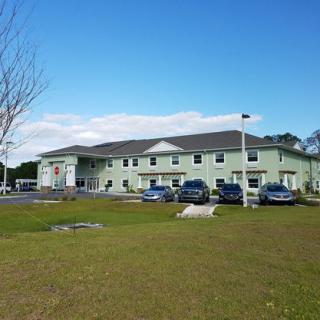
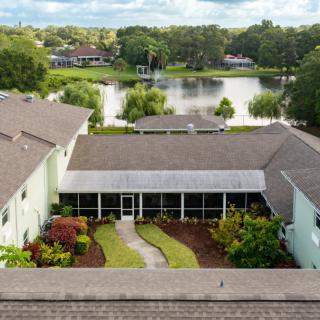
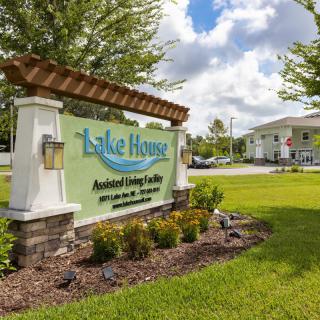
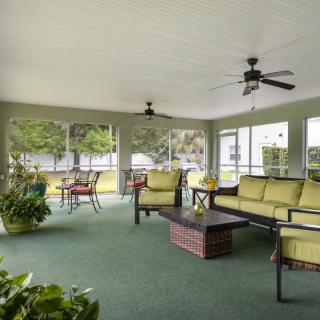
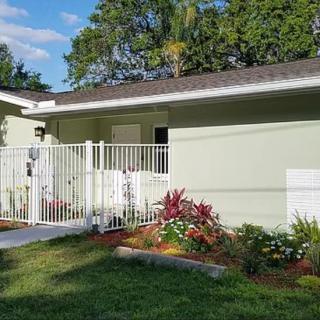
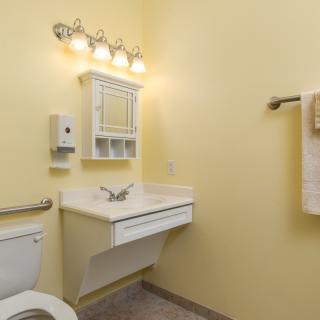
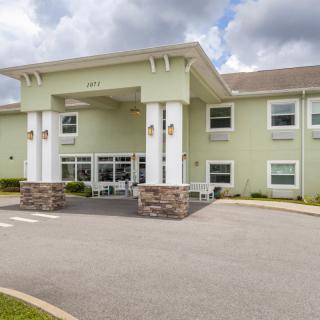
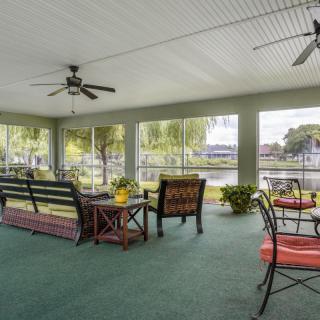
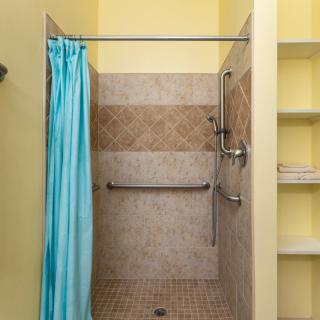
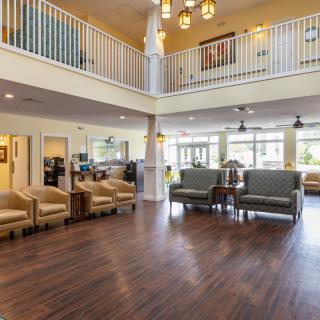
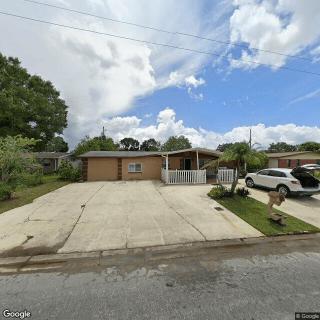
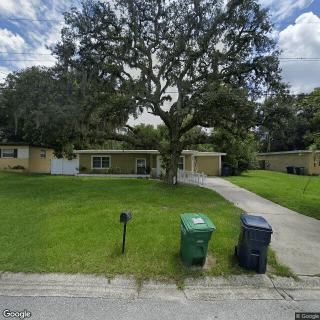
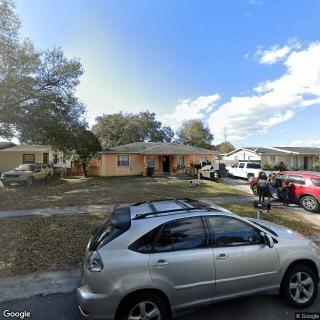
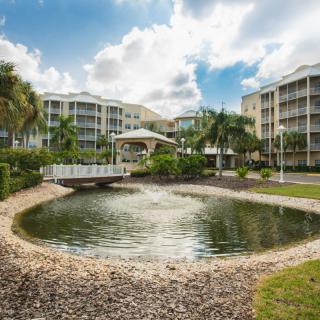
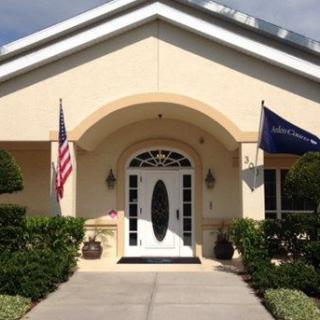
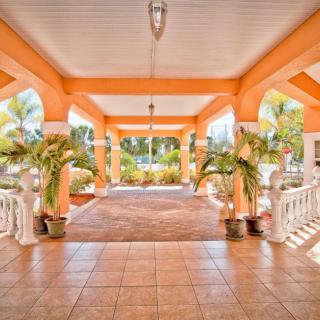
Lake House Assisted Living on seniors.fyi includes 20 photos including images showing landscaping, trees, interior, building, lake, bathroom, parking, windows, and more.
Nearby Communities
Sabal Palms Health & Rehabilitation
Largo, FL
4.6 from 126 reviews
Clean facility with attentive staff and effective rehab therapy.
The Palms of Largo
Largo, FL
3.3 from 4 reviews
Friendly staff and a clean, upscale ambiance.
Imperial Palms
Largo, FL
4.3 from 35 reviews
$875 to $990 / month
Helpful staff, clean, well-maintained grounds, and a convenient location with ample activities.
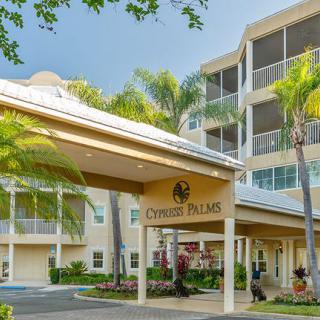
Cypress Palms
Largo, FL
4.8 from 159 reviews
$4,550 to $8,205 / month
Calm, attractive, well-maintained setting with friendly staff and engaging activities.
Regal Palms
Largo, FL
4.7 from 168 reviews
$4,015 to $5,985 / month
Attractive, well-maintained community with active dining and social options.
Arden Courts of Largo
Largo, FL
4.9 from 152 reviews
$5,375 to $5,975 / month
Specialized dementia care in a home-like, engaging environment with attentive staff
Heron House of Largo
Largo, FL
3.4 from 71 reviews
$1,850 to $3,000 / month
Friendly, responsive staff; engaging activities; all-day dining and on-site amenities.
Cabot Cove of Largo
Largo, FL
4.9 from 49 reviews
$3,000 to $7,000 / month
Friendly staff with personalized care and a warm, close-knit community.
Dementia encompasses a range of cognitive impairments characterized by types such as Alzheimer's and vascular dementia, and follows a seven-stage progression model known as the Global Deterioration Scale (GDS), highlighting varying symptoms and decline timelines. Early detection allows for lifestyle adjustments to potentially slow progression, while caregivers need support and resources to manage the challenges involved in caring for affected individuals.
The article presents eight strategies for preserving cognitive health and memory in older adults, emphasizing a nutrient-rich diet, regular exercise, intellectually stimulating activities, adequate sleep, social connections, stress management techniques, limiting harmful substances, and regular medical checkups to mitigate age-related memory decline.
Activities of Daily Living (ADLs) are fundamental tasks vital for an individual's independence, particularly in older adults over 85, and include functions like bathing and dressing; assessing ADLs alongside Instrumental Activities of Daily Living (IADLs) helps determine the level of required assistance due to age-related health challenges. Tailored support plans, involving family and community resources, are essential for maintaining dignity and autonomy in assisted living environments.
Get PricingAsk A QuestionSchedule A TourContact Senior Advisor
By clicking submit, you agree to our Partner's Terms of Use. You
also consent to receive calls and texts, which may be autodialed, from our Partner. Your consent is not a condition to
using our Partner's service. Please visit our Partner's Privacy Policy for information about their privacy practices.

 75 resident community capacity
 Assisted Living
 Memory Care
 Respite Care
 Cats allowed
 Dogs allowed
 Activities off-site
 Air-conditioning
 Beautician on-site
 Cable or satellite TV
 Computer center
 Devotional services off-site
 Dining room
 Fitness room
 Fully furnished
 Gaming room
 Garden
 Ground floor units
 Handicap accessible
 Housekeeping services
 Indoor common areas
 Kitchenette
 Move-in coordination
 Outdoor common areas
 Private bathrooms
 Restaurant-style dining
 Small library
 Telephone
 Wellness center
 Wheelchair accessible showers
 Wi-Fi/high-speed internet available
 St. Petersburg-Clearwater International (5 miles away)
 Community operated transportation
 12-16 hour nursing
 24-hour call system
 Ambulatory care
 Assistance with bathing
 Assistance with dressing
 Assistance with transfers
 Diabetes diet
 Diabetic care
 High acuity care
 Incontinence care
 Medication management
 Mental wellness program
 Special dietary restrictions
 Art classes
 Concierge services
 Day trips and outings
 Educational speakers / life long learning
 Happy hour
 Karaoke
 Live dance or theater performances
 Live musical performances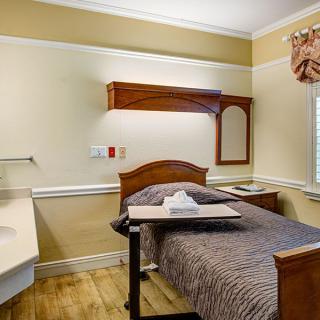
 Clean facility with attentive staff and effective rehab therapy.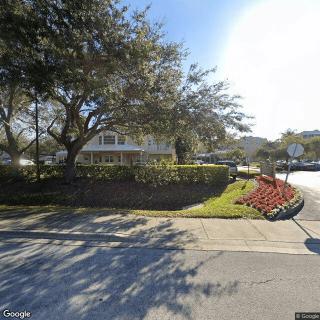
 Understanding Dementia Through Its Seven Stages: A Comprehensive Look at Progression and Expectations
 Safeguarding Your Memory Through the Golden Years: Eight Ways to Preserve Cognitive Health
 Comprehensive Insights into Activities of Daily Living (ADLs) and Their Assessment