Meals are consistently described as a strength, including in the dining room.
Multiple residents and family members say the food is tasty and better than expected, with specific praise for dining experiences. A few reviewers also connect meals with the overall comfort of the community. The community also offers restaurant-style dining and meal support for special diets, which aligns with the repeated focus on dining quality.
caveat7 reviews mention this
Therapy and nursing care vary
Care experiences can be inconsistent, especially around nursing responsiveness.
Some reviews are very positive about rehab care, highlighting physical therapy and caring nurses during recovery. Others describe serious problems during rehab, including call-button delays, inadequate attention, and concerns about medical judgment. Taken together, residents and families describe strong moments in therapy while also noting breakdowns in nursing follow-through during higher-need periods.
common18 reviews mention this
Staff support is a recurring theme
Staff members are frequently described as kind, attentive, and helpful.
Across independent living, assisted living, and rehab, many reviewers say staff treat residents well and go out of their way to help families through transitions. Several comments single out caregivers by name and describe extra effort during day-to-day support. The community offers a 24-hour call system and assistance with activities of daily living, which fits the way residents describe needing and receiving help.
common6 reviews mention this
Activities and spiritual life
Residents describe an active schedule with spiritual programming.
Reviews mention a steady mix of on-site activities, exercise programs, and social events, plus opportunities to attend religious services. Some residents emphasize the spiritual atmosphere and a campus-wide sense of community around faith. The community’s offerings include fitness programs, scheduled daily activities, and devotional activities and services, matching what people describe living around.
common6 reviews mention this
Cleanliness and well-kept grounds
Reviewers frequently mention the property is clean and well maintained.
Several visitors and residents describe the facility as clean, well decorated, and maintained, with a good overall feel for visits and day-to-day living. A couple of reviews also mention unpleasant odors or cleanliness concerns, which contrasts with the more common positive impressions. Overall, the reviews suggest most families notice cleanliness regularly, though not everyone has the same experience.
caveat2 reviews mention this
Rent increases are a concern
Some residents say rent increases are difficult to manage.
At least one reviewer complains about rent rising quickly and feeling there is nothing they can do about it. Another review mentions pricing more generally in the context of comparing communities. While other reviewers describe pricing as a reason they chose the community, cost-related feedback does include at least one recurring frustration about affordability and increases.
common4 reviews mention this
Lake views and nearby conveniences
The setting near Lake Hunter is a frequent positive.
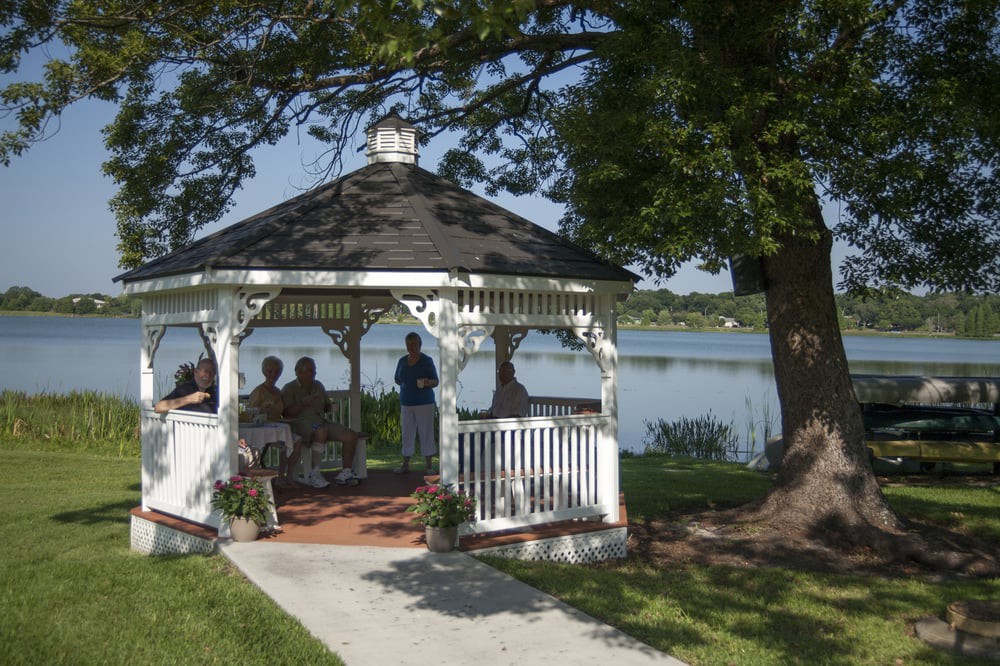
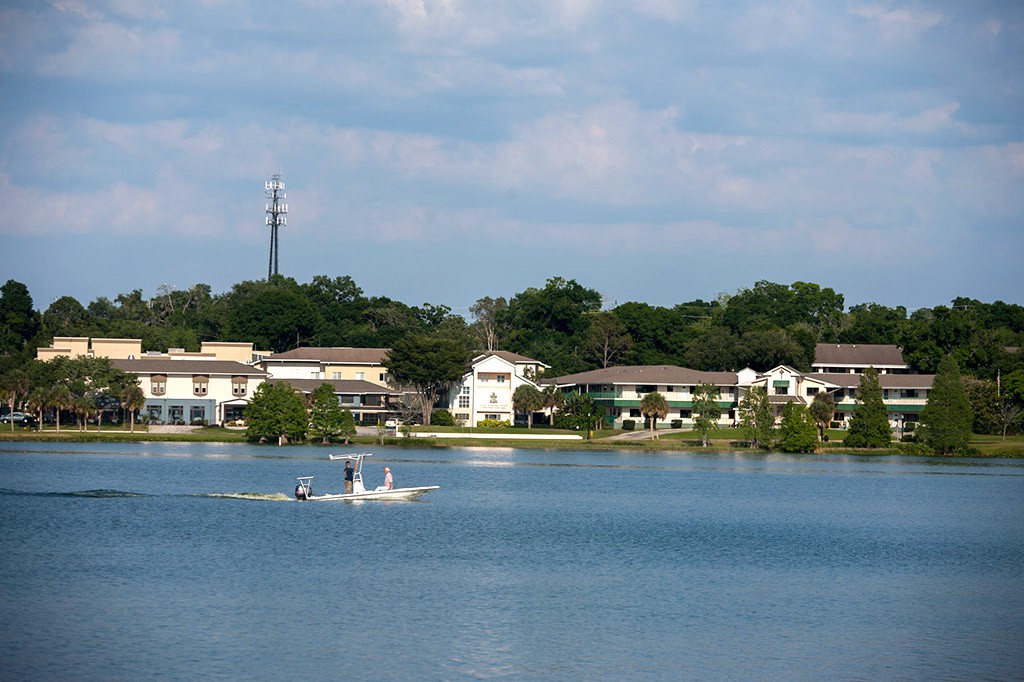
Multiple reviewers mention the lake views, walkways, and outdoor scenery as part of what makes the community feel pleasant. Others also note convenience to area stores and medical facilities. The location supports day-to-day errands and outings with nearby restaurants and pharmacies within a short drive.
How we summarize
Counts show how many written reviews mention each theme; a review can touch several themes, and only frequently mentioned themes are displayed.
Features
Housing
136 resident community capacity
1-bedroom apartments
2-bedroom apartments
Detached homes
Studio apartments
Types of Care
Assisted Living
Continuing Care Retirement Community (CCRC)
Independent Living
Memory Care
Skilled Nursing Facility
Amenities
Activities on-site
Air-conditioning
Beautician on-site
Beauty salon
Cable or satellite TV
Computer center
Devotional services off-site
Dining room
Fitness room
Full kitchen
Fully furnished
Gaming room
Garden
Guasts at mealtime
Housekeeping services
Indoor common areas
Kitchenette
Laundry
Move-in coordination
Outdoor space
Overnight guests
Private bathrooms
Restaurant-style dining
Small library
Swimming pool
Telephone
Wellness center
Wi-Fi/high-speed internet available
Transportation
Community operated transportation
Transportation & parking
Transportation arrangement
Transportation arrangement (non-medical)
Care Services
24-hour call system
24-hour supervision
Activities of daily living assistance
Ambulatory care
Assistance with bathing
Assistance with dressing
Assistance with transfers
Diabetes diet
Diabetic care
Meal preparation and service
Medication management
Physical therapy
Special dietary restrictions
Dining
Diabetes diet
Meals provided
Special dietary restrictions
Activities
Activities off-site
Activities on-site
Community-sponsored activities
Concierge services
Devotional activities offsite
Fitness programs
Planned day trips
Religious services
Resident-run activities
Scheduled daily activities
Languages Spoken
English
Nearby Places of Interest
Restaurants
Reececliff Restaurant (0.3 miles)
Nineteen61 (0.9 miles)
Harry's Seafood Bar & Grille (0.9 miles)
Texas Cattle Company (1.1 miles)
Fred's Market Lakeland (1.2 miles)
Chipotle Mexican Grill (2.1 miles)
IHOP (2.2 miles)
Pharmacies
Walgreens (0.5 miles)
Ariana Pharmacy (1 miles)
Walgreens (1.6 miles)
Health Mart Pharmacy (1.7 miles)
CVS Pharmacy (1.8 miles)
Polk Community Pharmac (1.9 miles)
Pharmacy LRMC (2 miles)
Physicians
Lakeland Surgical & Diagnostic (0.8 miles)
Lakeland Regional Health Medical Group (1.4 miles)
The array of features at Florida Presbyterian Homes significantly enhances the quality of memory care for residents dealing with dementia or Alzheimer's disease. Continuous 24-hour supervision ensures that individuals are safely monitored, providing peace of mind for both residents and their families. Assistance with activities of daily living--including bathing, dressing, and transfers--promotes dignity while addressing essential needs that can be challenging for those experiencing cognitive decline. Tailored meal preparation and service cater to nutritional requirements while encouraging social interaction during mealtimes. Medication management is crucial in this population, ensuring adherence to prescribed regimens to manage symptoms effectively. Additionally, physical therapy supports mobility and overall well-being, enabling residents to maintain as much independence as possible while fostering a sense of accomplishment and stability in their daily lives. This comprehensive approach creates a supportive environment conducive to enhancing cognitive function and improving overall quality of life for those in memory care.
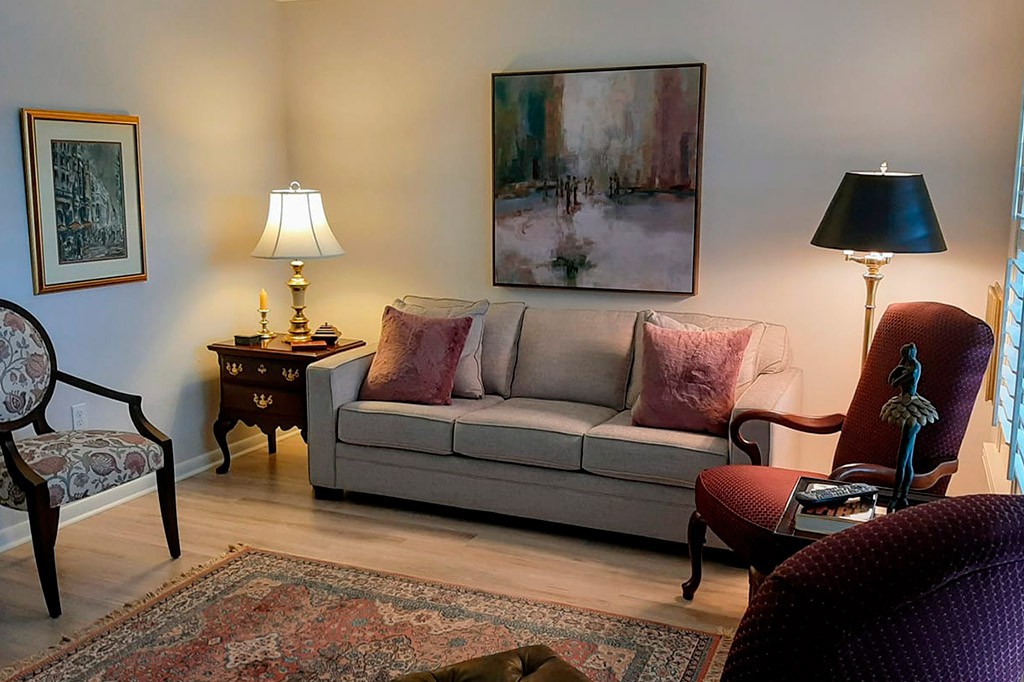
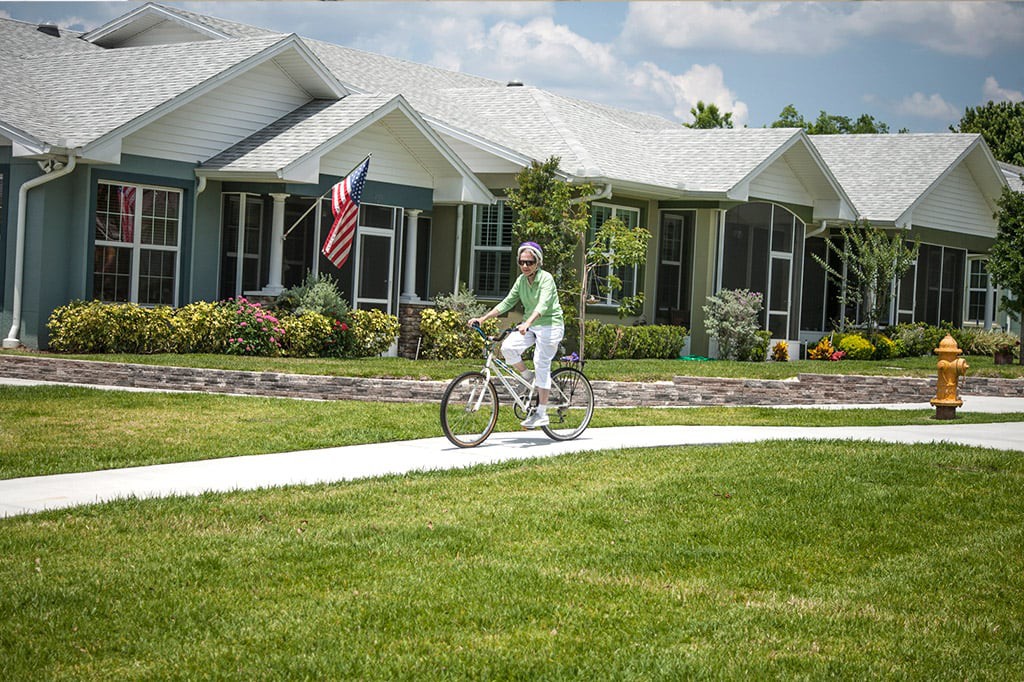
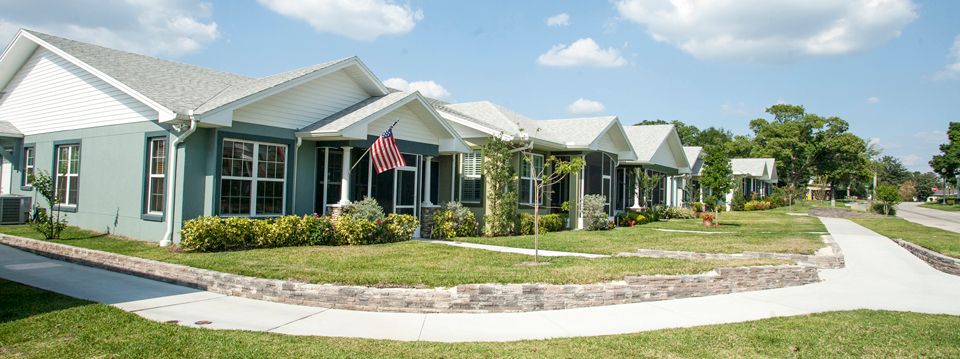
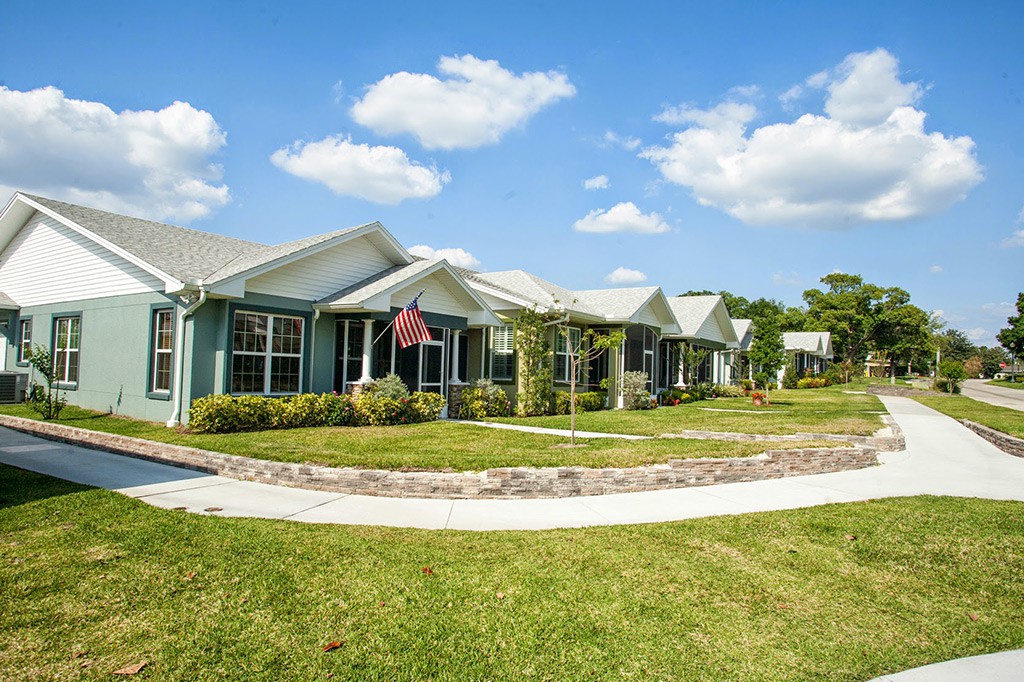
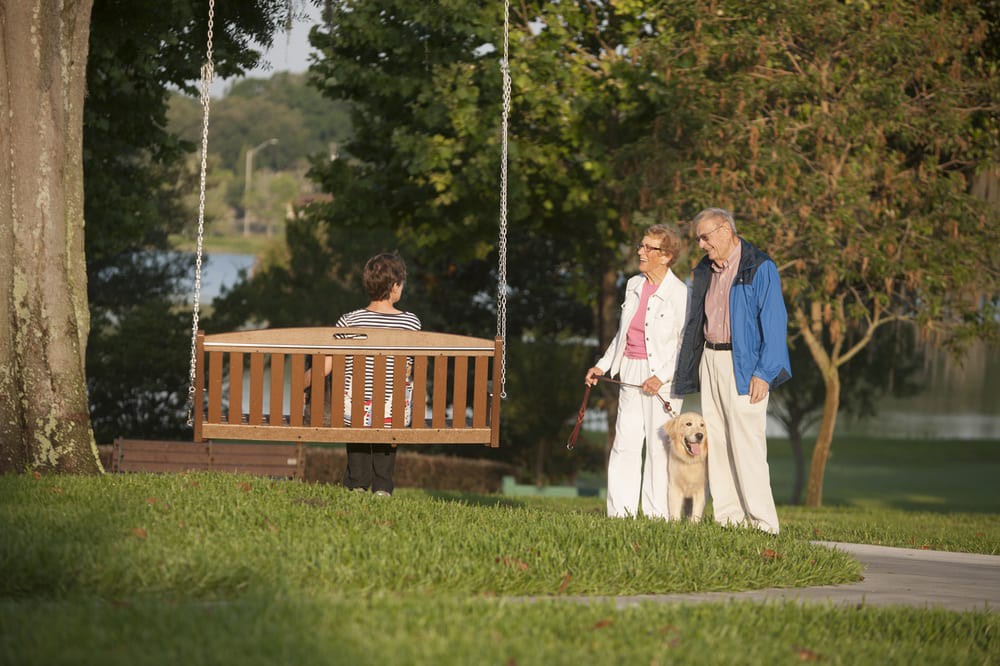
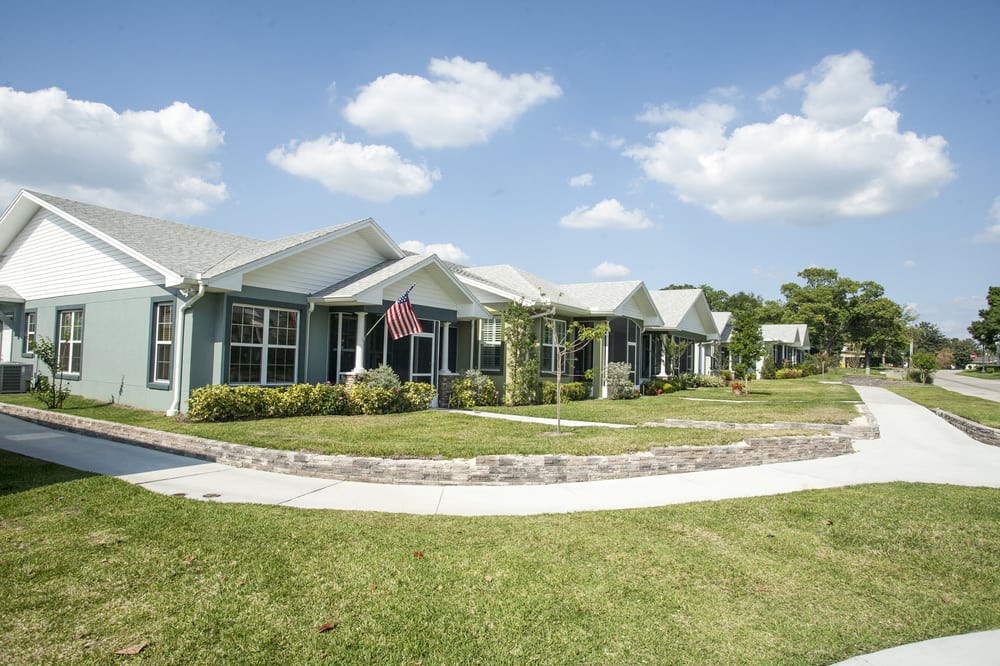
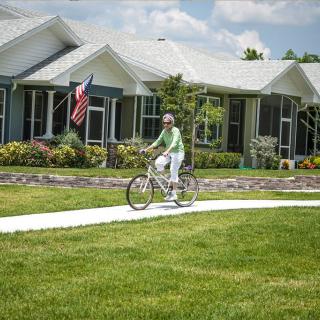
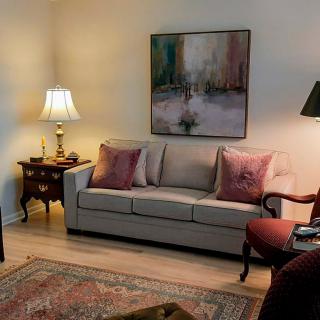
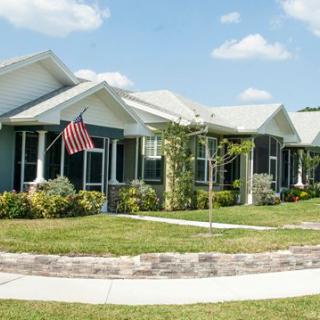
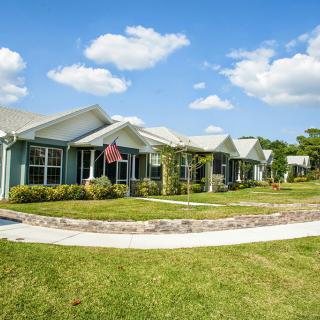
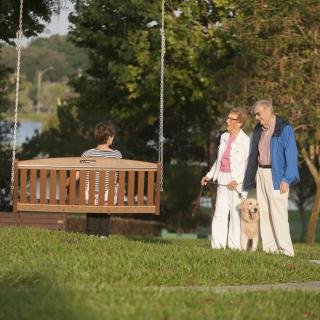
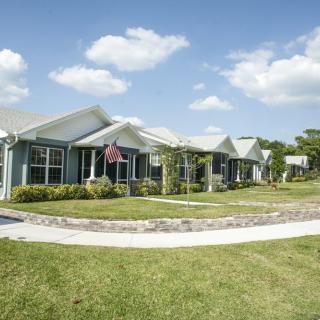
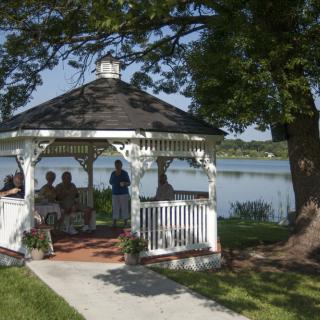
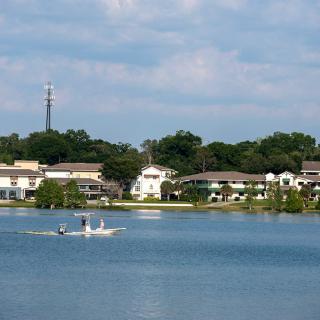
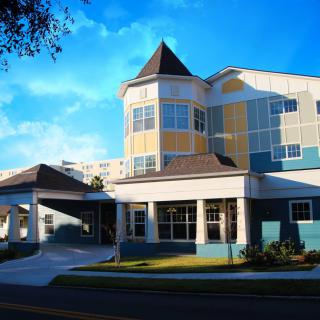
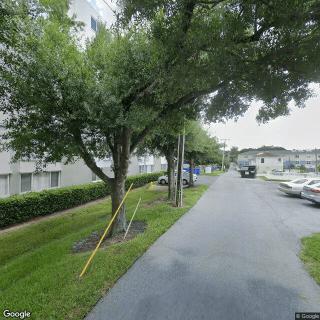
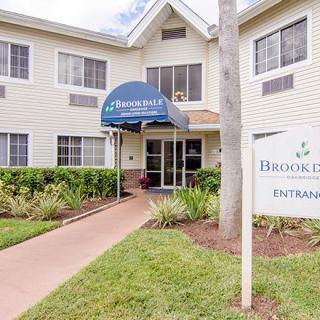
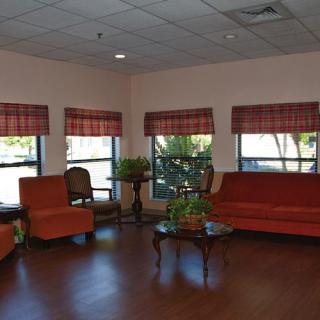
Florida Presbyterian Homes on seniors.fyi includes 8 photos including images showing trees, landscaping, flag, nature, pathway, clouds, lake, outdoors, and more.
Nearby Communities
Lakeland Presbyterian Apt
Lakeland, FL
4.2 from 46 reviews
Very convenient location with abundant nearby amenities (dining, parks, healthcare, worship, theaters).
Grand Court Lakeland
Lakeland, FL
Specialized diabetic care with comprehensive on-site amenities and easy access to healthcare, dining, parks, and transit.
Lake Morton Plaza
Lakeland, FL
4 from 102 reviews
$1,900 to $2,850 / month
Friendly staff, spacious apartments, and an active activities program.
Maxim Healthcare
Lakeland, FL
4.6 from 113 reviews
Excellent access to healthcare and nearby amenities
The Manor at Lake Morton
Lakeland, FL
5 from 70 reviews
$3,795 to $4,295 / month
Friendly staff with engaging activities and all-inclusive pricing.
Lakeview Place
Lakeland, FL
Comprehensive assisted living with diabetic care, strong social/indoor activity spaces, and extensive nearby amenities.
Ansley Parke at Oakbridge
Lakeland, FL
4.3 from 82 reviews
$3,295 to $3,995 / month
Friendly staff and engaging activities in a clean, well-maintained community.
Lakeland Manor Assisted Living Facility
Lakeland, FL
3.6 from 38 reviews
$1,900 to $2,100 / month
Caring staff, clean environment, and on-site medical services including memory care safety.
Brookdale Highlands
Lakeland, FL
4.2 from 118 reviews
$3,185 to $6,155 / month
Friendly staff, clean environment, and engaging activities.
Sundown syndrome, or sundowning, is a phenomenon in dementia patients characterized by increased confusion and agitation during late afternoon and evening, influenced by factors like disrupted circadian rhythms and fatigue. Effective caregiver strategies include establishing routines and managing environmental light while addressing caregiver stress through support services.
Delirium is a rapidly onset, reversible cognitive disturbance often caused by acute medical issues, while dementia is a gradual and irreversible decline due to chronic neurodegenerative diseases. Accurate differentiation between the two is essential for appropriate treatment and management in older adults.
Dementia, including Alzheimer’s disease, is often mischaracterized in terms of lethality as it leads to complications that can be fatal rather than being a direct cause of death; it causes a progressive decline in cognitive and physical health, making patients vulnerable to infections and other health crises. Effective management of nutrition, hydration, and communication is crucial in patient care, with palliative care becoming vital in advanced stages to enhance comfort and quality of life while caregivers play a key role amidst the challenges posed by the disease.
Get PricingAsk A QuestionSchedule A TourContact Senior Advisor
By clicking submit, you agree to our Partner's Terms of Use. You
also consent to receive calls and texts, which may be autodialed, from our Partner. Your consent is not a condition to
using our Partner's service. Please visit our Partner's Privacy Policy for information about their privacy practices.

 136 resident community capacity
 1-bedroom apartments
 Detached homes
 Assisted Living
 Continuing Care Retirement Community (CCRC)
 Independent Living
 Memory Care
 Skilled Nursing Facility
 Activities on-site
 Air-conditioning
 Beautician on-site
 Cable or satellite TV
 Computer center
 Devotional services off-site
 Dining room
 Fitness room
 Full kitchen
 Fully furnished
 Gaming room
 Garden
 Housekeeping services
 Indoor common areas
 Laundry
 Move-in coordination
 Outdoor space
 Overnight guests
 Private bathrooms
 Restaurant-style dining
 Small library
 Swimming pool
 Telephone
 Wellness center
 Wi-Fi/high-speed internet available
 Community operated transportation
 24-hour call system
 Ambulatory care
 Assistance with bathing
 Assistance with dressing
 Assistance with transfers
 Diabetes diet
 Diabetic care
 Medication management
 Physical therapy
 Special dietary restrictions
 Concierge services
 Planned day trips
 English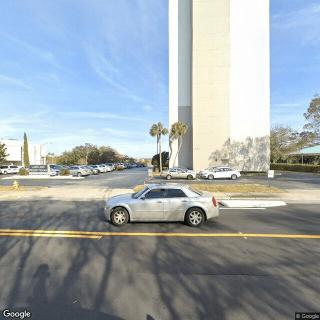
 Very convenient location with abundant nearby amenities (dining, parks, healthcare, worship, theaters).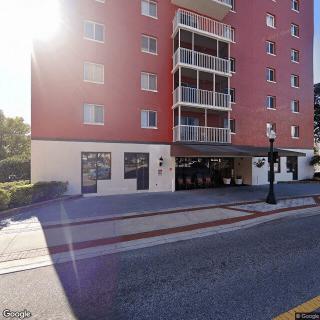
 Comprehending Evening Confusion in Dementia: Causes, Manifestations, and Support
 Delirium and Dementia: Unraveling the Key Differences
 Are Dementia and Alzheimer's Disease Lethal? A Comprehensive Exploration