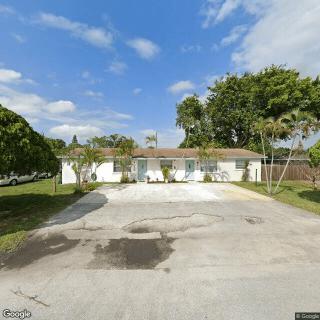
Retreat Behavioral Health is an assisted living community in Palm Springs, FL.
Information last verified:
4020 Lake Worth Road, Palm Springs, FL 33461
For more information about senior living options: (866) 208-4318
3.8 from 100 reviews
5 stars
65
4 stars
6
3 stars
1
2 stars
2
1 stars
26
Overall Review of Retreat Behavioral Health
common
Staff support feels personal
Many residents describe staff who stay involved throughout treatment.
Across reviews, people repeatedly mention patient care coordinators, case managers, and nurses who are responsive, supportive, and help with aftercare planning. Several reviewers specifically call out individual PCCs and describe being able to get questions answered and discharged with a plan. At the same time, a smaller set of reviews criticize communication and follow-up, including issues getting calls returned or updates to families.
differentiator
Food and amenities stand out
The food and on-site recreation are frequently mentioned by reviewers.
Food comes up often, with multiple reviewers praising it as good or even better than other rehabs, and others describing the facility as clean and comfortable. Amenities like a gym/weight room and pool are also described as meaningful parts of the stay, and at least one review mentions TVs in rooms. Because reviews run both positive and negative on food and cleanliness, it’s best read as something that can vary by experience while still being a consistent talking point overall.
common
Therapy and recovery tools
Residents describe getting practical tools for sobriety and healing.
Many reviewers say they learned skills and gained motivation through therapists and group sessions, sometimes describing trauma-focused work like EMDR. Multiple people credit counseling and a supportive clinical team with helping them maintain sobriety afterward. A caveat appears in other reviews that describe therapists as less present or group sessions as repetitive, but overall, the reviews show therapy and education as a central part of the experience.
caveat
Medication handling earns mixed feedback
Medication and detox experiences are a frequent point of dispute in reviews.
Some reviews describe getting help from nursing staff, including responsiveness when medication questions come up. Other reviews report problems with medication processes, including being unassisted during detox, waiting in medication lines, or concerns about how medications were managed. Several of the more negative reviews connect these issues to unsafe or stressful feelings, so this is an area where reviews diverge the most.
caveat
Care continuity and organization concerns
Some families describe breakdowns in communication and discharge support.
Alongside positive accounts of coordinated aftercare, other reviews raise concerns about organization and follow-through, including short-notice discharge decisions and difficulty reaching staff. A few reviewers also criticize paperwork and consent processes, describing frustration when they felt information was not handled properly. Taken together, the reviews suggest that care continuity and responsiveness can vary widely depending on the situation and the individual care team involved.
How we summarize
We summarize when many written reviews mention each theme; a review can touch several themes, and only frequently mentioned themes are displayed.
Features
Housing
7 resident community capacity
Types of Care
Assisted Living
Amenities
Cable or satellite TV
Dining room
Fully furnished
Garden
Housekeeping services
Move-in coordination
Outdoor space
Telephone
Wi-Fi/high-speed internet available
Transportation
Palm Beach International (5 miles away)
Care Services
24-hour supervision
Activities of daily living assistance
Assistance with bathing
Assistance with dressing
Assistance with transfers
Coordination with health care providers
Diabetes diet
Meal preparation and service
Medication management
Special dietary restrictions
Transportation arrangement (medical)
Transportation to doctors appointments
Dining
Diabetes diet
Special dietary restrictions
Activities
Community-sponsored activities
Scheduled daily activities
Nearby Places of Interest
Restaurants
Tacos Al Carbon (0.3 miles)
Enzo's Cafe And Bakery (0.8 miles)
McDonald's (2 miles)
Rosalita's Tex Mex Grill (2.2 miles)
Palm Springs Pizza (2.6 miles)
Red Lobster (2.6 miles)
Tarbouch Hookah Cafe (2.9 miles)
Physicians
Midtown Imaging (1.1 miles)
South Florida Gastroenterology (1.6 miles)
JFK Medical Center (1.6 miles)
Medical Specialists of the Palm Beaches (1.7 miles)
Florida Allergy & Asthma Assoc (1.8 miles)
Pbc Dermatology (2.4 miles)
Elite GYN Care of the Palm Beaches: Maureen Whelihan, MD, FACOG (2.8 miles)
Pharmacies
CVS Pharmacy (1.4 miles)
Walgreens (1.4 miles)
Walgreens (1.9 miles)
CVS Pharmacy (2.5 miles)
Family Care Rx Pharmacy (2.5 miles)
Walgreens (2.5 miles)
Walgreens (3.1 miles)
Hospitals
Jfk Transport (1.6 miles)
Jfk Cath Lab (1.6 miles)
Cafes
Starbucks (3.1 miles)
Starbucks (3.4 miles)
Common Grounds WPB (5.7 miles)
Starbucks (6 miles)
Starbucks (6.2 miles)
Places of Worship
First Congregational Church of Lake Worth (3.4 miles)
The transition from assisted living to skilled nursing care is often prompted by complex medical needs that assisted living cannot meet, with key indicators including frequent health declines, increased falls, severe memory issues, and caregiver burnout. Families should recognize these signs early to discuss options with healthcare providers and prepare for the emotional and logistical aspects of moving to a facility that offers comprehensive medical support.
Vibrant Senior Living emphasizes active senior living communities that promote independence and engagement through diverse amenities and activities, fostering wellness and social interaction among older adults. These communities range from independent to assisted living, with a focus on personal growth, family involvement, financial planning, and leveraging technology to enhance residents' experiences.
Transitioning from assisted living to memory care is driven by an individual's cognitive decline and specific needs, requiring careful evaluation of indicators like increased confusion and wandering. The process involves consulting medical professionals, researching suitable communities, considering financial and legal aspects, and ensuring effective communication for personalized care plans.
Get PricingAsk A QuestionSchedule A TourContact Senior Advisor
By clicking submit, you agree to our Partner's Terms of Use. You
also consent to receive calls and texts, which may be autodialed, from our Partner. Your consent is not a condition to
using our Partner's service. Please visit our Partner's Privacy Policy for information about their privacy practices.

 7 resident community capacity
 Assisted Living
 Cable or satellite TV
 Dining room
 Fully furnished
 Garden
 Housekeeping services
 Move-in coordination
 Outdoor space
 Telephone
 Wi-Fi/high-speed internet available
 Palm Beach International (5 miles away)
 24-hour supervision
 Activities of daily living assistance
 Assistance with bathing
 Assistance with dressing
 Assistance with transfers
 Diabetes diet
 Meal preparation and service
 Medication management
 Special dietary restrictions
 Transportation arrangement (medical)
 Transportation to doctors appointments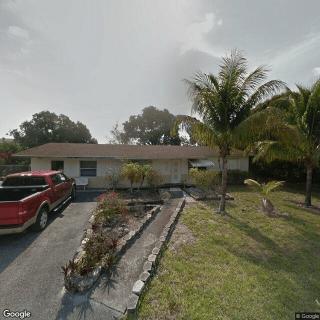
 Fully furnished board-and-care with ADL support, meals, medication management, and transportation.



 8 Key Indicators That Suggest It May Be Time to Transition from Assisted Living to Skilled Nursing Care
 Vibrant Senior Living: A Comprehensive Guide for Active Older Adults
 When to Transition from Assisted Living to Memory Care: Key Indicators, Steps, and Finding the Right Community