
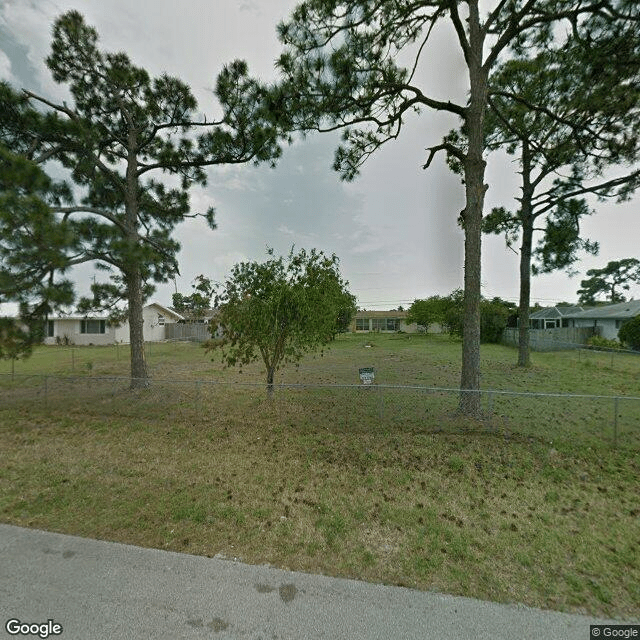
87 West Rubber Tree Drive, Lake Worth, FL 33467
For more information about senior living options: (866) 208-4318
Overall Review of Path Of Life Of Lake Worth
Pros
 Path Of Life has an amazing staff and they are very caring.
- The staff are great, very helpful and caring.
- The facility is very nice, and the staff and management are compassionate, caring and professional.
- Jessica and her consistent loving crew at Path Of Life are terrific.
- The staff treat residents like family and provide personalized and individualized care.
- The atmosphere at Path Of Life is a warm, family-like environment where residents feel safe and well cared for.
- The staff are patient, attentive, and ensure residents eat well and stay engaged.
- The facility is top-notch and the care is outstanding, with immaculate surroundings.
Cons
 The original new and fancier facility he was placed in was only suitable for a couple of months before it stopped meeting his needs.
- They did not want him there any longer, which the reviewer found shocking and attributed to a business decision rather than his care.
- He was being overmedicated at that original place to keep him calm and in check.
- Corporate-run facilities were described as places where residents are not treated well and are placed with strangers and rotating staff.
- The reviewer labeled the situation as sad.
Review
Path Of Life Of Lake Worth is best suited for families seeking a small, home-like setting where every resident is known personally and care plans are truly individualized. This community excels for seniors who value consistent, attentive staff, a family atmosphere, and daily engagement that treats everyday living as care, not as a checklist. It is especially well-matched for residents with dementia, post-stroke needs, or late-stage conditions who benefit from staff who can adapt activities and routines around evolving abilities rather than slotting them into a rigid program. The stories of seven-year placements, ongoing on-site owner involvement, and genuinely affectionate caregiver relationships underscore a level of warmth and continuity that’s rare in larger operations.
Those who may want alternatives are clear: families whose loved ones require higher-acuity medical oversight or highly structured, clinical memory-care programming may find a larger, more medicalized setting easier to navigate. A community with on-site physicians, formal wound care protocols, or a dedicated memory-care wing staffed around the clock can be preferable when the goal is predictable, hospital-like redundancy in medical coverage. Likewise, families watching for aggressive cost controls or a more standardized, corporate care model, where staffing patterns can feel impersonal, might prefer other options. Path Of Life’s strength is intimate, hands-on care; its potential limitation is the level of clinical infrastructure that some high-need residents demand.
The core strengths align closely with the strongest reviews: a remarkable, familylike staff culture; ongoing administrator involvement; and a deep commitment to individualized care. Residents are treated with dignity and respect, often described as “like family,” with staff who know histories, preferences, and routines well enough to tailor daily life around personal needs. The owner/operator’s visibility translates into rapid problem-solving and transparent communication with families, which eliminates the friction that often comes with larger facilities. Cleanliness and home-like surroundings further reinforce a setting where daily life feels comfortable and supportive, not institutional. When a resident’s condition shifts, the care team adjusts activities, meals, and engagement to keep the person connected and engaged, which is a powerful offset to the occasional trade-off of a smaller platform.
The testimonials also highlight practical outcomes that matter in real decision-making. Personalized care plans are not generic; they were described as “catered” to individual needs, with staff designing routines around physical, functional, and mental conditions. The staff’s patience and consistency stand out, with long-tenured caregivers contributing stability that families notice and appreciate. For families grappling with complex caregiving at home, Path Of Life offers reassurance, a sense that a loved one will be seen, heard, and engaged every day. Even for residents nearing end-of-life, the environment remains compassionate and supportive, with staff and family members forming an extended, trusted circle. These qualitative gains, relational depth, continuity, and daily purpose, often outweigh the absence of a larger clinical apparatus.
Practical decision steps follow: probe how the home-style model handles episodic medical needs, medication reviews, and access to emergency care; ask about staffing ratios during the day and night and whether caregivers stay consistent with the same residents; request examples of individualized activity programming and how those programs adapt to changing abilities; and verify hospice or palliative-care support options for residents in declining health. Crucially, discuss what “home-like” means in real terms, meal variety, social programming, transportation, and availability of loved ones for visits, and ensure expectations harmonize with the family’s caregiving goals and budget.
In the end, Path Of Life Of Lake Worth is a decisive choice for families prioritizing warmth, personal attention, and a trusted, hands-on team that makes elders feel cherished rather than contained. For those needing more robust medical oversight, a larger facility with formal memory-care architecture may be a better fit. Yet for anyone who wants a small, devoted community where care plans feel truly individualized and staff treat residents as members of a family, this Lake Worth setting stands out as a standout option worthy of serious consideration. The right fit emerges when the balance between intimate attention and medical capacity aligns with the loved one’s needs and the family’s expectations for daily life.
 5 resident community capacity
 Assisted Living
 Activities on-site
 Cable or satellite TV
 Devotional services off-site
 Dining room
 Fully furnished
 Garden
 Housekeeping services
 Indoor common areas
 Move-in coordination
 Outdoor space
 Telephone
 Wi-Fi/high-speed internet available
 Palm Beach International (7 miles away)
 24-hour supervision
 Ambulatory care
 Assistance with bathing
 Assistance with dressing
 Assistance with transfers
 Diabetes diet
 Diabetic care
 Meal preparation and service
 Medication management
 Special dietary restrictions
 Transportation arrangement (medical)
 Transportation to doctors appointments







 Vibrant Senior Living: A Comprehensive Guide for Active Older Adults
 When to Transition from Assisted Living to Memory Care: Key Indicators, Steps, and Finding the Right Community
 Assisted Living and Memory Care: Understanding Their Core Differences