
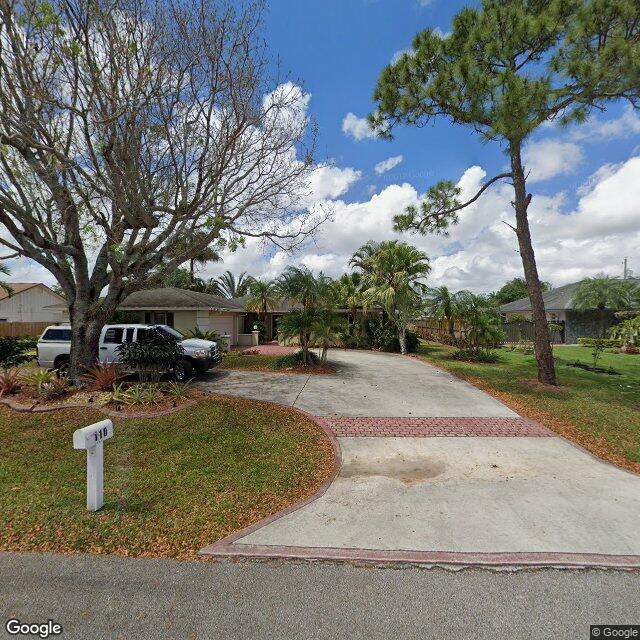
110 West Palm Avenue, Lake Worth, FL 33467
For more information about senior living options: (866) 208-4318
Noble Cove Costs & Pricing
Noble Cove offers competitive pricing for its services when compared to both Palm Beach County and the broader state of Florida. For a semi-private room, Noble Cove charges $2,800 per month, which is significantly lower than the county's average of $3,592 and also less than the state's average of $3,009. In terms of private accommodations, Noble Cove's rate is $4,200 - slightly below the county's price of $4,444 and notably higher than Florida's average of $3,699. The studio option mirrors this trend; at Noble Cove, it costs $4,200 monthly compared to Palm Beach County's rate of $4,274 and Florida's average of $3,823. Overall, Noble Cove positions itself as an attractive choice for residents seeking quality care at more economical rates relative to local competitors.
| Floor plans | Noble Cove | Palm Beach County | Florida |
|---|---|---|---|
| Semi-Private | $2,800 | $3,592 | $3,009 |
| Private | $4,200 | $4,444 | $3,699 |
| Studio | $4,200 | $4,274 | $3,823 |
Memory care communities with a similar price nearby
-
from -$300 / mo
Iona Adult Family Home
$2,500 to $5,000 / month14.9 miles away -
from +$495 / mo

Mariposa
$3,295 to $5,110 / month3.1 miles away -
from -$300 / mo

Coventry Country Living Inc
$2,500 to $3,500 / month6.5 miles away -
from +$450 / mo

Aston Gardens at Parkland Commons
$3,250 to $5,805 / month21.5 miles away -
from -$245 / mo
Barrington Terrace
$2,555 to $4,375 / month8.1 miles away
Overall Review of Noble Cove
Pros
 They are very happy with Noble Cove.
- Noble Cove feels like a home for their mom.
- They love that Noble Cove is like a home for their mom.
Cons
 The reviewer was unhappy with a large facility.
- The reviewer felt the mother's needs were not always taken care of.
Review
Noble Cove is best suited for families seeking an intimate, home-like assisted living experience for a parent who benefits from highly personalized attention and a smaller community where staff can focus on individual needs. The core appeal is that residents are more than a number and daily routines can be shaped around personal preferences, creating a sense of belonging rather than the anonymity often found in larger campuses. This environment helps ease the transition for someone who values comfort, familiarity, and predictable, one-on-one caregiving.
Those who want a large campus with an expansive array of amenities, heavy programming, and a wide range of on-site services may want to consider alternatives. The review hints that larger facilities can feel impersonal and may fall short on individualized care, a risk that some families are unwilling to accept. For families prioritizing social variety, high-energy activity schedules, or specialized medical or memory-care ecosystems, a bigger community might deliver more breadth, even if it comes at the expense of a warmer, more intimate vibe.
The strongest pro of Noble Cove, based on the account, is the sense of a true, familial environment where needs feel seen and addressed with care. The home-like atmosphere translates into closer staff-resident relationships, more consistent caregiver interactions, and a daily rhythm that supports comfort and security. These advantages directly offset the principal drawback families associate with larger facilities: the risk of residents slipping through the cracks amid crowds and routine. When care is personal and responsive, worries about feeling neglected diminish, and confidence in daily life strengthens.
That said, there is an implicit trade-off to consider. A smaller community often carries a lighter menu of activities, amenities, and perhaps less access to specialized clinical resources than a sizable senior living campus. Prospective residents should verify what programming looks like on a typical day, how social opportunities are organized for different energy levels, and whether any specific needs, such as memory-support, rehab, or nurse availability, are reliably met. The absence of a crowded environment is a strength, but it can also signal limits that require proactive inquiry.
Practical due diligence will clarify fit: request a tour during peak activity times to observe caregiver engagement, ask about resident-to-staff ratios and staff consistency, and review how care plans are communicated and updated. Inquire about meal quality, safety features, and the availability of routine healthcare visits or on-site assistance. Speak with current residents and families about their day-to-day experiences, and examine move-in readiness, transition support, and the willingness of the staff to tailor routines to personal preferences. These steps reveal whether Noble Cove’s intimate setting will consistently meet evolving needs or if a larger, more resource-rich option is warranted.
In the final assessment, Noble Cove stands out for families prioritizing a genuine home atmosphere and intensely attentive caregiving. It excels when the objective is to reduce the cold, institutional feel and to maximize meaningful, day-to-day interactions between residents and a devoted caregiving team. If that priority aligns with the senior’s temperament and care requirements, Noble Cove offers a compelling, practical path forward. Conversely, if breadth of programming, a bustling resident life, or extensive medical and specialized services are non-negotiable, alternatives, especially larger communities, merit careful comparison. The decision should hinge on whether the resident’s wellbeing hinges on intimate connection and personalized attention versus access to a wider array of services.
 6 resident community capacity
 Assisted Living
 Board and Care Home
 Memory Care
 Activities off-site
 Cable or satellite TV
 Dining room
 Fully furnished
 Garden
 Housekeeping services
 Indoor common areas
 Move-in coordination
 Outdoor common areas
 Private
 Respite or short term stays offered
 Telephone
 Wheelchair accessible showers
 Wi-Fi/high-speed internet available
 Palm Beach International (7 miles away)
 24-hour supervision
 Ambulatory care
 Assistance with bathing
 Assistance with dressing
 Assistance with transfers
 Diabetes diet
 Diabetic care
 Incontinence care
 Meal preparation and service
 Medication management
 Special dietary restrictions
 Transportation arrangement (medical)
 Transportation to doctors appointments




 Understanding Dementia Behaviors: Practical Insights and Strategies for Caregivers
 When Dementia Sparks Anger and Aggression: Understanding the Connection and Ways to Cope
 Dementia Behaviors: In-Depth Understanding and Effective Coping Strategies