
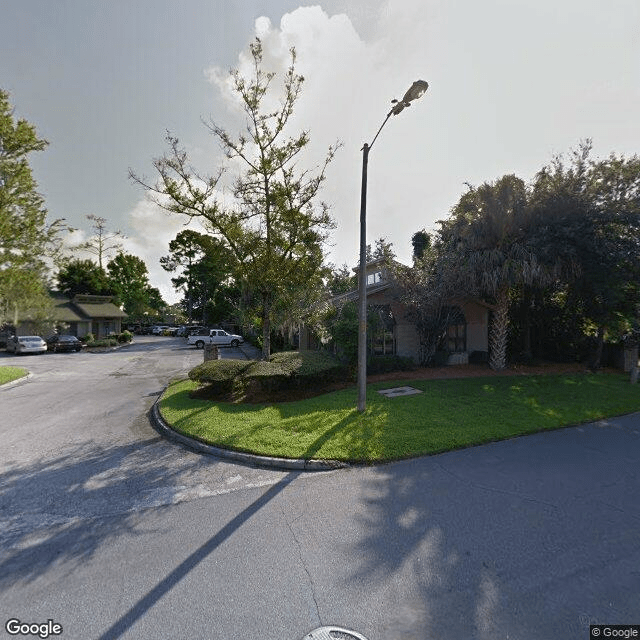
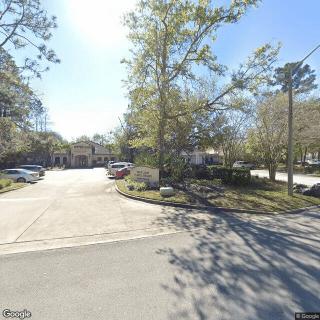
3761 San Jose Place Suite 20, Jacksonville, FL 32257
To contact a resident: (904) 783-7070
For more information about senior living options: (866) 208-4318
Synergy HomeCare of Jacksonville Costs & Pricing
Synergy HomeCare of Jacksonville offers competitive rates for private care, with a monthly cost of $1,985. This pricing stands in stark contrast to the averages observed in Duval County, where similar services typically reach approximately $3,504 per month. When we expand our view to the state level, the average cost for private home care in Florida rises further to about $3,699. This significant difference highlights Synergy HomeCare's commitment to providing affordable and quality care options for families in Jacksonville, ensuring that essential support remains accessible without compromising on service quality.
| Floor plans | Synergy HomeCare of Jacksonville | Duval County | Florida |
|---|---|---|---|
| Private | $1,985 | $3,504 | $3,699 |
Senior living communities with a similar price nearby
-
About the same
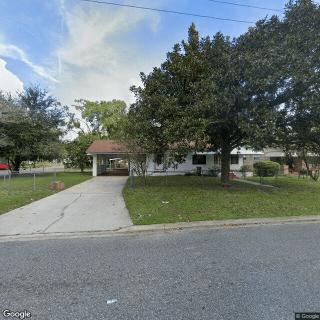
Sweet Alice's Place, Inc
$2,000 to $3,000 / month12.0 miles away -
from -$185 / mo

Queen Of Angels Alf
$1,800 to $2,600 / month6.1 miles away -
About the same

Westminster Woods On Julington Creek
$2,026 to $3,069 / month5.0 miles away -
About the same
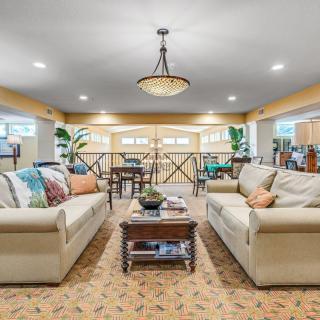
Camellia At Deerwood
$2,030 to $4,980 / month6.8 miles away -
from +$365 / mo

The Fountains at Mill Cove
$2,350 to $3,200 / month10.2 miles away
Overall Review of Synergy HomeCare of Jacksonville
Pros
 Synergy HomeCare cares about its clients and employees.
- Synergy provides excellent care for loved ones.
- Synergy is the best, with professional and knowledgeable CNAs.
- Synergy treats clients like family and goes above and beyond to ensure the best care.
- Synergy communicates well with clients, caregivers, and others in need of service.
- Synergy embodies a spirit of excellence and places family first.
- Synergy is dependable, adaptable, and understanding.
Review
Synergy HomeCare of Jacksonville is best suited for families who want to keep a loved one at home under professional supervision, rather than moving into a facility. The service targets seniors who need daily help with routines, companionship, and basic health oversight, delivered in a familiar, home setting. It works particularly well when continuity of caregivers matters and families prefer active collaboration with an agency rather than managing care themselves. For those with significant medical complexity or a need for on-site medical teams within a community, a traditional assisted living or memory-care setting may be a wiser fit. In essence, this provider shines when independence at home remains the overarching goal and a dependable, home-based support network is the priority.
The strongest credential here is the demonstrated care for both clients and staff, which translates into very reliable service on the ground. Reviewers repeatedly highlight the dedication and knowledge of CNAs, describing them as professional, skilled, and genuinely compassionate. This is not generic assistance; it’s a team that earns trust through consistent, respectful interactions and a clear emphasis on dignity for the person receiving care. Family members consistently report feeling supported, not second-guessed, with caregivers who show up prepared and engaged. The longevity some families mention, seven years or more with the company, adds a layer of stability that is hard to come by in a field marked by turnover. Office personnel come across as approachable and responsive, able to coordinate schedules and facilitate ongoing communication across clients and caregivers. That combination, strong frontline care paired with solid administrative support, creates a dependable backbone for in-home care.
Communication is another standout feature, and it matters when decisions hinge on daily routines, medications, and evolving needs. Families note that updates are timely and clear, reducing uncertainty and helping loved ones stay oriented to their care plans. This transparency is not merely courtesy; it translates into smoother coordination around meal times, personal cares, and transportation. The cultural emphasis on putting families first comes through in how care plans are discussed and adjusted, with staff frequently going “above and beyond” to meet expressed needs. This alignment between care providers and family expectations helps anchor confidence in the arrangement, even as situational challenges arise.
Yet any home-care arrangement carries inherent trade-offs, and those must be weighed honestly. The strongest upside, deep caregiver reliability, depends on stable staffing, which in practice means schedules can shift with illness or turnover. In-home care cannot perfectly replicate the continuous, around-the-clock presence and immediate escalation pathways of a residential community, especially for situations requiring rapid medical oversight or specialized memory-care protocols. Families should anticipate needing to coordinate and monitor care plans more actively, rather than assuming seamless coverage or turnkey solutions. Cost remains a practical consideration, as ongoing caregiver management and substitution terms influence long-term affordability.
When considering alternatives, the decision hinges on the level of supervision and social structure desired. If constant monitoring, quick medical access, and built-in social activities are essential, an assisted living community, with on-site nurses or a dedicated memory-care program, may offer greater peace of mind. For those who want more independence while still receiving periodic help, a different home-care setup with broader 24/7 coverage or a hybrid model might better fit the schedule and budget. Important evaluation criteria include total monthly costs, terms around caregiver substitutions, emergency handling, medication administration, and transportation support. The key is matching the care environment to the senior’s needs, not merely to comfort or convenience.
Bottom line: Synergy HomeCare of Jacksonville stands out for its genuine commitment to people, both clients and caregivers, and for a level of office coordination that consistently eases the caregiving burden for families. For households prioritizing staying at home with high-caliber aides and dependable communication, this provider delivers a compelling, practical solution. It remains a strong choice when independence at home is non-negotiable and when steady caregiver relationships are valued. If those conditions dominate the decision criteria, the advantages far outweigh the potential drawbacks, with a clear plan and ongoing oversight recommended to sustain alignment. When a transition to a facility becomes unavoidable, this agency should be reconsidered as a credible first-line option, provided expectations are calibrated to the realities of in-home care.
 Jacksonville International (21 miles away)







 Caring for Those Who Care: Recognizing, Understanding, and Overcoming Caregiver Burnout
 Caregiver Exhaustion: Recognizing the Signs and Restoring Your Well-Being
 Understanding Hospice Care at Home: Comprehensive Services, Key Benefits, and Eligibility