
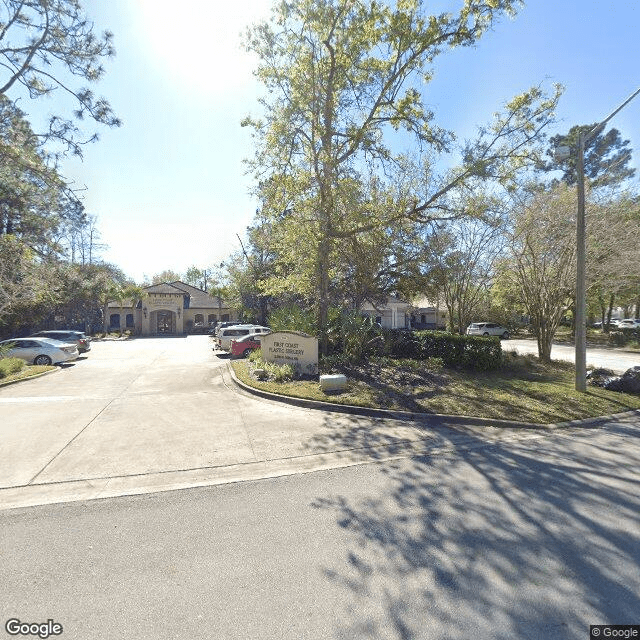
3604 Cardinal Point Drive, Jacksonville, FL 32257
To contact a resident: (904) 731-4002
For more information about senior living options: (866) 208-4318
Overall Review of Almost Home Daybreak
Pros
 The staff is very helpful and courteous.
- It is a good place.
- It is a great facility with a highly qualified staff.
- The facility is safe and offers a wellness program designed for Alzheimer’s and other memory conditions.
- The added security of locked doors is acceptable for people who tend to wander or feel uncomfortable.
- The staff and facility are awesome at keeping residents safe, and she loves going there each day.
- The staff are patient, and families feel comfortable leaving their loved ones there.
- The mom loves the new daycare and has met many people with similar issues.
Cons
 The manager approached the reviewer’s car aggressively, fussing about parking and pointing a finger, speaking in a disrespectful way as if they were a child.
- The reviewer described the encounter as unprofessional and upsetting.
- The owner is perceived as prejudiced after hearing from others who had negative experiences.
- The owner’s unprofessionalism disappointed the reviewer.
- The owner’s approach was hostile and condescending when addressing medications.
- The door-side “do not enter” stance and blocking entry made the dementia patient and caregiver uncomfortable and unsafe.
- The owner allegedly pressed for medical or admission actions in a way that felt improper and alarming.
- Billing and administrative issues under the owner’s management led to unfair treatment and denial of service.
Review
This community is best suited for families seeking a secure, structured setting for loved ones with memory impairment who require vigilant supervision and dependable routines. The emphasis on safety, locked-access environments, and a memory-care focused wellness program makes Almost Home Daybreak appealing to families who want predictable daily rhythms and clear boundaries for wander risk. Those who must rely on consistently professional front-desk interactions, transparent administration, and smooth coordination around admissions, billing, and med management should consider alternatives.
The strongest positives revolve around safety and day-to-day stability. Staff members are described as helpful and courteous, and the facility’s security measures provide reassurance for families balancing safety with independence. A memory-focused program exists to address Alzheimer’s and related conditions, and the environment appears conducive to socialization, residents have opportunities to connect with peers in a supervised setting. For caregivers who prioritize a calm, orderly atmosphere where safety takes precedence, these elements count for a lot.
However, the most troubling theme across reviews is the management style of the owner. Interactions with the administrator at key moments, such as pickup, admissions, or policy enforcement, are depicted as aggressive, disrespectful, and sometimes condescending. Multiple accounts allege that confrontational body language and a dismissive tone undermine trust and comfort, particularly when a dementia patient is present. For families, this is not a minor friction point but a core issue that can influence the willingness to leave a loved one in the facility’s care.
Billing, intake, and med-management processes compound the concern. One family describes a data-entry glitch affecting billing, followed by a rigid stance on reopening access until financial matters are resolved. Another account recounts a physician-directed intervention that felt heavy-handed and fear-inducing for a dementia patient, raising questions about when medical actions might be appropriate versus when they overstep. These financial and administrative frictions create an undercurrent of unease that can erode the perceived safety and reliability the setting otherwise offers.
Despite the drawbacks, the human element in day-to-day care still shows real value. The staff’s dedication to keeping residents safe, the established routines, and opportunities for social engagement appear to function well when administration operates smoothly. Families repeatedly describe the staff as the heart of the operation, delivering dependable care and responsive support in moments that matter. The memory-care framework remains a meaningful asset for those needing structure, predictable schedules, and specialized approaches to sundowning and cognition.
Families weighing Almost Home Daybreak should proceed with a practical, disciplined assessment. If the priority is unwavering safety, an active social environment, and a clearly defined memory-care program, this community delivers strong potential. If, however, encounters with management shape the daily experience, and transparent, respectful communication from leadership is non-negotiable, alternatives should be explored. The decision hinges on whether the pros of secure, well-staffed care can outweigh the risks tied to leadership style and administrative friction. A visit that includes speaking with multiple caregivers, requesting sample care plans, and clarifying billing and med-management policies will illuminate the path forward.
 Day Program
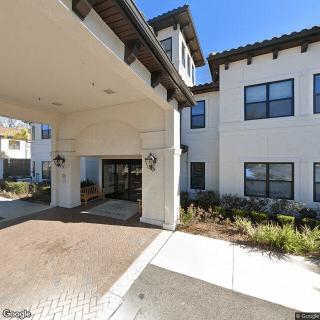
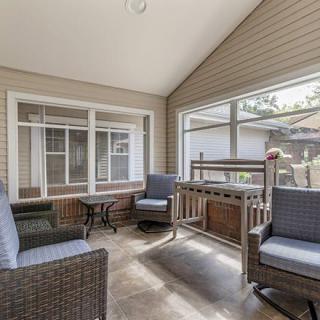
 Indoor common areas
 Jacksonville International (20 miles away)
 High acuity care
 Incontinence care
 Medication management
 Meals provided


 Fecal Incontinence in Older Adults: A Comprehensive Guide
 Recognizing the Journey: Understanding and Navigating Anticipatory Grief
 Encouraging Participation in Adult Day Care: A Guide to Supporting a Hesitant Parent