
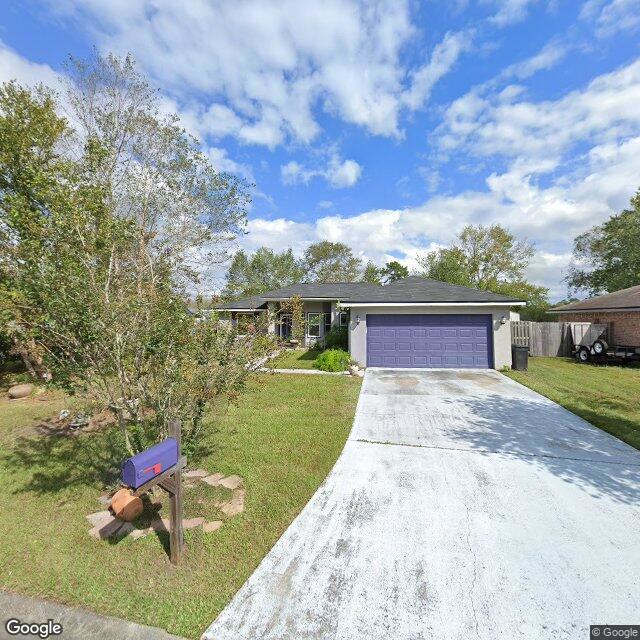
3653 Wilson Blvd W, Jacksonville, FL 32210
To contact a resident: (904) 693-3300
For more information about senior living options: (866) 208-4318
Overall Review of Helping Hands Home Health Care
Cons
 She doesn't pay her employees at all or even on time.
- She will short your check.
- She will never have loyal employees doing people that way.
- Your loved ones will never have consistent proper care because employees will not work for free.
Review
This community is best suited for families in a true last-resort situation who can supervise care directly and are prepared to pivot quickly if service quality deteriorates. Based on the sole published review, Helping Hands Home Health Care in Jacksonville presents too many reliability risks for anyone counting on steady, professional in-home support. The core message is that caregiver stability and trustworthy compensation practices appear to be missing, which translates into inconsistent visits, gaps in supervision, and doubt about whether loved ones will receive attentive, regular care. In short, only those who can and will micromanage the arrangement should consider this provider, and even then with a plan to exit at the first sign of trouble.
Those evaluating alternatives should prioritize agencies with proven payroll integrity and stable staffing. The review signals red flags about how employees are treated financially, with implications for loyalty and reliability. Families who cannot or will not accept the possibility of frequent caregiver turnover, missed visits, or sudden changes in who arrives at the home should explicitly rule this option out in favor of providers that publish transparent wage practices and have verifiable retention metrics. In Jacksonville, several established home health entities emphasize consistent scheduling and supervisor oversight, attributes essential to predictable care, making them more viable choices for most families.
The main cons described in the review, unpaid or late-pay practices, shorted checks, and the resulting lack of loyal, dependable staff, overwhelm any potential upside in a homogeneous, small operation. When caregivers are not securely compensated, morale suffers, reliability erodes, and the likelihood of sustained, quality engagement with a loved one diminishes substantially. The absence of documented positive outcomes, combined with the described payroll behavior, creates an untenable risk profile for families who expect regular, respectful, and professional assistance. In this light, the negatives do not merely offset potential benefits; they overwhelm them with practical, day-to-day concerns about coverage, consistency, and safety.
There is little to anchor confidence beyond the negative testimony, and that absence matters. The review provides no demonstrated strengths, no evidence of on-time visits, well-trained staff, consistent supervision, or clear care planning. Without verifiable positives, the stated drawbacks become the only reliable lens through which to assess the provider. Prospective clients should treat any claims of quality with skepticism until corroborated by independent references, supervisor visit records, and a documented payroll policy that ensures fair compensation and long-tenured staff. Until such assurances exist, the balance of risk heavily favors alternatives.
For families committed to due diligence, a practical screening approach is essential. Insist on written details about payroll practices (how wages are set, payment timetables, and penalty clauses for late payment), staff turnover statistics, and the presence of a supervising administrator who conducts regular home visits. Request multiple client references and speak with current and recent clients about visit consistency and communication quality. Confirm licensing status, accreditation where applicable, and the provider’s process for care planning, including escalation procedures if a caregiver arrives late or misses a shift. In Jacksonville, that level of scrutiny will likely separate reputable agencies from those whose financial practices threaten care continuity.
Bottom line: the single negative review casts a long shadow over Helping Hands Home Health Care, signaling a high-risk proposition for families seeking dependable, ongoing in-home support. With no documented strengths to counterbalance the payroll concerns, the prudent choice is to focus on alternatives that offer transparent payroll ethics, stable staffing, and demonstrable care quality. If this option is pursued, couple it with strict oversight, a concrete exit plan, and a prioritized comparison against established providers known for reliable scheduling, trained aides, and proactive supervision. The goal remains clear: protect loved ones with consistent, trustworthy care, and opt for providers with proven, verifiable reliability.
 Jacksonville International (17 miles away)
 Small, homelike setting with highly personalized care (5 residents).




 Navigating the Tax Landscape of Caregiving: Credits, Deductions, and Beyond
 Highly Beneficial Low-Impact Exercises for Senior Living Residents
 Is In-Home Healthcare Tax Deductible? Your Comprehensive Guide