
122 North West 7 Street, Homestead, FL 33030
For more information about senior living options: (866) 208-4318
Overall Review of Swankridge
Pros
 The haven in Homestead is described as wonderful for a dad with dementia and a recent hip fracture surgery.
- The home has a small number of residents and feels like an upscale bed-and-breakfast.
- It is family-owned and operated since 1965.
- The staff are caring and attentive, with many caregivers having worked there for years.
- The dad has been there four months and is clearly well cared for and better off than at home.
- The mother has been at Swank Ridge for close to two years and is alive, well, and happy, with thanks to the staff.
Cons
 One reviewer described the staff as very rude.
- A staff member allegedly treated the caller as if she were the answering machine and hung up, claiming the staff were on lunch.
- The reviewer reports a second hang-up when calling back, indicating poor responsiveness.
Review
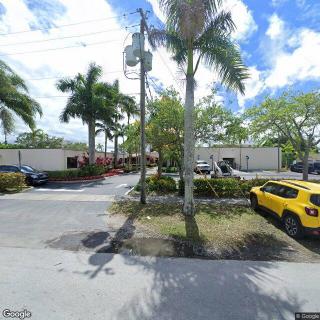
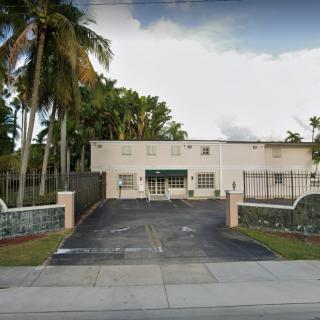
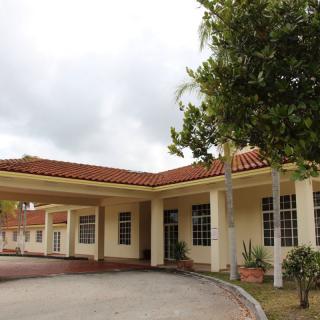
Swankridge in Homestead is best suited for seniors who want a quiet, intimate, home-like setting and for families seeking dementia support or post-acute recovery in a small, personally managed environment. The residence operates like a warm bed-and-breakfast, with a family-owned lineage dating back to 1965 and a clear emphasis on steady, familiar care. The model relies on long-tenured caregivers and a tight-knit staff, which translates into a stable, personable atmosphere where residents appear well tended and known to the team. This is a facility where the day-to-day feel is less clinical and more like living in a private residence, which can be a decisive advantage for those who equate care with consistent relationships and predictable routines.
Those weighing Swankridge should explicitly consider alternatives if broader programming, larger staff capacity, or more formal administrative responsiveness are priorities. A smaller operation can mean fewer activity options and a leaner support system for specialty services, which may frustrate families seeking a more robust array of programming or quicker access to information. For families who want constant administrative visibility, faster communication, or a facility with a larger footprint to accommodate more complex clinical needs, a bigger assisted living or a memory-care-focused community could deliver more reassurance on those fronts.
The strongest positives, personalized attention, continuity of care, and a homey environment, do offset several of the potential downsides. When caregivers stay for years, families gain meaningful relationships, better care coordination, and a sense that staff truly understands a resident’s history and preferences. In practice, this translates to better daily support for someone with dementia and a smoother recovery after illness or surgery. The testimonials about a father thriving after a hip fracture and a mother who remains alive, well, and content point to real benefits from the intimate, hands-on approach and the small, calm setting. Such advantages matter deeply when comfort, familiarity, and non-institutional atmosphere are prioritized.
However, the negative feedback cannot be dismissed. One reviewer described distinctly rude phone interactions, illustrating a breakdown in communication that can complicate decision-making for families relying on timely information and straightforward access to staff. In decision-making terms, this risk matters: if initial inquiries or ongoing updates arrive with friction or stonewalling, the perceived quality of care can drop even when the day-to-day care is solid. This tension between exceptional personal care and inconsistent administrative responsiveness is the clearest signal that Swankridge may not be the best match for households that require a consistently polished, high-touch intake and service response.
For families evaluating this option, a practical course is essential. A visit should include conversations with direct caregivers about dementia care plans and post-acute protocols, along with a review of sample daily schedules and activity opportunities to gauge whether the programming aligns with a loved one’s interests. Request to meet with the administrator or director to understand how information is relayed, how care decisions are documented, and what thresholds trigger escalation of concerns. If possible, ask for recent references and speak with families who have navigated transitions to ensure expectations about continuity, responsiveness, and overall quality align with reality.
In sum, Swankridge is a compelling choice for those who prize a homelike setting, stable caregiving, and dedicated attention for memory support and recovery needs. It shines where intimacy, continuity, and a family-owner ethos matter most. Yet potential residents who cannot tolerate delays in information, or who require broader programming and clinical resources, should explore other options before committing. The decision hinges on weighing the comfort of a small, personal environment against the demand for consistently proactive administration and a richer activity calendar.
 12 resident community capacity
 Assisted Living
 Cable or satellite TV
 Dining room
 Fully furnished
 Garden
 Housekeeping services
 Move-in coordination
 Outdoor space
 Telephone
 Wi-Fi/high-speed internet available
 Miami International (25 miles away)
 24-hour supervision
 Activities of daily living assistance
 Assistance with bathing
 Assistance with dressing
 Assistance with transfers
 Diabetes diet
 Meal preparation and service
 Medication management
 Special dietary restrictions
 Transportation arrangement (medical)
 Transportation to doctors appointments


 Funding and Affording Assisted Living: A Thorough Overview
 Assisted Living Expenses and Long-Term Care Insurance: A Comprehensive Exploration
 Securing Financial Support for Assisted Living: A Comprehensive Overview