
245 North West 5Th Avenue, Homestead, FL 33030
For more information about senior living options: (866) 208-4318
Long Life Alf Costs & Pricing
Long Life Alf presents a competitive pricing structure for its residents, particularly when compared to the broader Miami-Dade County and Florida averages. For semi-private accommodations, Long Life Alf charges $3,655 per month, significantly higher than the county's average of $2,250 and slightly above the state average of $3,009. Meanwhile, the private room rate at Long Life Alf is set at $4,386, which surpasses both Miami-Dade's average of $3,304 and Florida's average price of $3,699. These figures suggest that while Long Life Alf may command a premium over local and state norms, the facilities likely emphasize quality care and enhanced services that justify this investment in residents' well-being.
| Floor plans | Long Life Alf | Miami-Dade County | Florida |
|---|---|---|---|
| Semi-Private | $3,655 | $2,250 | $3,009 |
| Private | $4,386 | $3,304 | $3,699 |
Assisted Living communities with a similar price nearby
-
from -$255 / mo

Palace At Kendall
$3,400 to $5,750 / month16.5 miles away -
from -$655 / mo
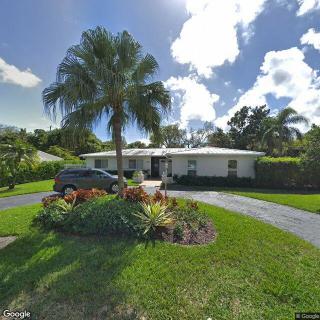
Vida Clara Adult Care Services
$3,000 to $3,500 / month21.1 miles away -
from -$560 / mo

Sunrise Community 2
$3,095 to $4,095 / month13.3 miles away -
About the same

Residential Plaza at Blue Lagoon
$3,700 to $4,000 / month24.4 miles away -
from +$545 / mo

Fellowship House
$4,200 / month20.4 miles away
Overall Review of Long Life Alf
Pros
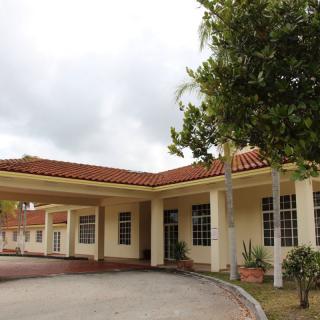
 The place looks very clean.
- The place is beautiful, and everything is clean and organized.
- The owner is a lovely person.
- They were happy to meet the staff.
- The service is excellent, and the team is highly appreciated by the guests.
- The team does excellent work and the place is cozy; they would recommend it.
- Alf is remembered fondly as a beloved person.
Review
Long Life Alf in Homestead is best suited for seniors who prize a clean, organized, and decidedly intimate setting where the care feels personal and the staff operate as a close-knit team. The reviews consistently highlight a spotless environment, thoughtful organization, and a welcoming, family-oriented atmosphere. This is the kind of community where residents likely benefit from attentive service delivered with warmth, rather than a sprawling, impersonal campus. Families looking for a homey, low-ceremony experience that emphasizes day-to-day reliability and genuine care will find this community’s character aligns with those priorities.
Those who may want to consider alternatives are primarily individuals requiring extensive medical oversight or specialized programs. If a senior needs around-the-clock skilled nursing, memory-care focused programming, or broad, hospital-grade rehabilitation services, a larger operator with dedicated units may be a more suitable match. Similarly, families seeking a wide array of on-site activities, large social calendars, or highly formalized care coordination might explore other options with greater scale. These considerations are not reflections on quality but recognition of different care ecosystems and resident needs.
The strongest pros are crystal clear in the feedback: cleanliness and organization are not just present but evidently prioritized, creating a sense of safety and dignity in daily living. The owner’s kindness and the portrayal of a “great family” operating the place translate into dependable, consistent care that feels less transactional and more like a trusted home. The staff are described as excellent and the team as magnificent, underscoring a reliable level of attention and responsiveness. In practical terms, the clean, orderly setting reduces logistical ambiguities and the staff’s attentiveness lowers the risk of overlooked needs, turning comfort and predictability into real-day benefits.
A second cluster of advantages centers on the atmosphere: a cozy, inviting environment that is more than simply adequate. When care feels personal and the environment feels welcoming, families can rationalize a tighter service footprint as a worthwhile trade-off for companionship, dignity, and routine. The reviews emphasize warmth, accessibility of the owner, and a sense that residents are cared for as part of a family. That relational quality often translates into calmer, less stressful days for both residents and relatives, which in practical terms can offset concerns about less expansive programming or fewer on-site amenities found in larger facilities.
Even in the absence of explicit negatives, the prudent reader will weigh the pros against the realities of a smaller, family-run operation. The good news is that the strengths, cleanliness, organized operations, attentive staff, and a comforting, home-like feel, often address the core anxieties families have about care quality and reliability. The potential trade-off, should one exist, is a narrower menu of services or limited in-house medical resources compared with bigger communities. Yet the reviews suggest a dependable, well-run core experience that mitigates those concerns through consistent execution, clear communication, and a genuine sense of community.
For families evaluating options in Homestead, Long Life Alf presents a compelling case where practical care meets heartfelt service. It is particularly well-suited for seniors who thrive in a smaller, intimate setting and for relatives who value a transparent, owner-led approach and a strong team ethic. Prospective residents should verify alignment on practical needs, such as daily assistance levels, meal routines, and available medical support, and should meet the staff and owner to gauge chemistry and comfort. In short, this community offers a trustworthy, high-quality home that many families will find reduces anxiety about day-to-day living and fosters a sense of belonging.
 6 resident community capacity
 Assisted Living
 Cable or satellite TV
 Dining room
 Fully furnished
 Garden
 Housekeeping services
 Move-in coordination
 Outdoor space
 Telephone
 Wi-Fi/high-speed internet available
 24-hour supervision
 Activities of daily living assistance
 Assistance with bathing
 Assistance with dressing
 Assistance with transfers
 Diabetes diet
 Meal preparation and service
 Medication management
 Special dietary restrictions
 Transportation arrangement (medical)
 Transportation to doctors appointments

 Assisted Living Support for Veterans: A Complete and Detailed Overview
 Exploring the Contrasts Between Assisted Living and Skilled Nursing
 8 Key Indicators That Suggest It May Be Time to Transition from Assisted Living to Skilled Nursing Care