Residents describe a doctor and staff who are caring, respectful, and professional.
Many reviews emphasize the doctor’s bedside manner—taking time to listen, explaining care, and treating people with respect. Several residents also mention polite, cooperative staff and a feeling of being treated like family. A few reviews are less positive about staff behavior, but even those are largely framed around inconsistent experiences rather than a lack of overall professionalism.
caveat5 reviews mention this
Access issues create long delays
Scheduling problems and long waits come up repeatedly in reviews.
Several residents report difficulty getting timely appointments, including waiting weeks for a visit. Others describe very long waits on the day of the appointment, and at least one review notes a long wait before being seen. One resident says virtual visits didn’t solve the delay problem, reinforcing that access can be inconsistent.
caveat4 reviews mention this
Billing surprises and extra charges
Multiple reviews raise concerns about charges, including cancellation-related fees.
A recurring complaint is feeling surprised by how charges are applied, including extra copays or fees tied to what’s discussed during a visit. Some reviews also mention cancellation or no-show style fees that they felt were not clearly handled in advance. While a few reviews acknowledge corrections or rescheduling, the overall theme is that residents wanted clearer communication about billing before paying.
caveat4 reviews mention this
Getting help after outreach
Some residents say it can be hard to reach the right person when problems come up.
Reviews mention delays in follow-up and difficulty getting timely answers to concerns after reaching out. One resident describes poor experiences when trying to connect with the doctor or assistant, especially during a stressful health situation. Another review calls out rude or defensive interactions when contacting the office, and one specifically asks for faster callbacks.
How we summarize
Counts show how many written reviews mention each theme; a review can touch several themes, and only frequently mentioned themes are displayed.
The article examines the complexities of assisted living for individuals with disabilities, emphasizing the need for tailored care solutions that enhance quality of life and social inclusion, while addressing financial challenges and advocating for community integration. It discusses various housing options, the importance of financial assistance through public benefits, and highlights trends towards integrated and technology-driven solutions in disability-focused housing.
Assisted living for adults with disabilities has transformed to provide personalized care and support services aimed at improving residents' quality of life while balancing independence and assistance. However, low-income individuals often face challenges in affording these services, requiring navigation of various financial resources and advocacy for better policies and solutions.
Assisted living facilities provide support for older adults needing help with daily activities without extensive medical care, but their costs can be high and vary by location and services offered. Families often seek various funding options and financial strategies to manage these expenses effectively while considering future needs and potential price increases.
Get PricingAsk A QuestionSchedule A TourContact Senior Advisor
By clicking submit, you agree to our Partner's Terms of Use. You
also consent to receive calls and texts, which may be autodialed, from our Partner. Your consent is not a condition to
using our Partner's service. Please visit our Partner's Privacy Policy for information about their privacy practices.

 6 resident community capacity
 Assisted Living
 Board and Care Home
 Respite Care
 Cable or satellite TV
 Dining room
 Fully furnished
 Garden
 Housekeeping services
 Move-in coordination
 Outdoor space
 Telephone
 Wi-Fi/high-speed internet available
 Miami International (19 miles away)
 24-hour supervision
 Activities of daily living assistance
 Assistance with bathing
 Assistance with dressing
 Assistance with transfers
 Diabetes diet
 Meal preparation and service
 Medication management
 Special dietary restrictions
 Transportation arrangement (medical)
 Transportation to doctors appointments
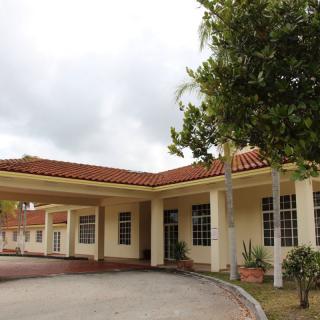
 Small, intimate community with personalized care and comprehensive services (24/7 supervision, ADL support, diabetes diet, transportation).



 Comprehensive Residential Support and Assisted Living Solutions for Individuals with Disabilities
 Comprehensive Supportive Living Arrangements for Adults with Disabilities
 Funding and Affording Assisted Living: A Thorough Overview