

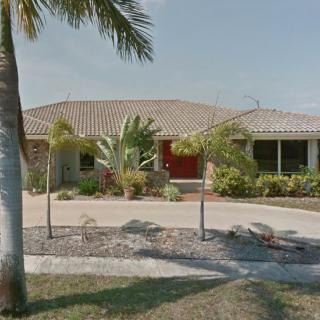
2110 North 46Th Avenue, Hollywood, FL 33021
For more information about senior living options: (866) 208-4318
Vandor Geriatric Homecare Costs & Pricing
Vandor Geriatric Homecare presents a competitive pricing structure for its services when compared to both Broward County and the broader state of Florida. For semi-private accommodations, Vandor's monthly rate of $2,250 is notably lower than the county average of $2,902 and significantly below the state figure of $3,009. Similarly, for private rooms and one-bedroom suites, Vandor maintains an attractive pricing point at $3,250 each - less than both the county's average of $3,725 and the state's figure of $3,699 for private rooms. This strategic pricing not only positions Vandor as a cost-effective option within the local market but also reflects a commitment to providing quality care at accessible rates for families seeking geriatric homecare solutions.
| Floor plans | Vandor Geriatric Homecare | Broward County | Florida |
|---|---|---|---|
| Semi-Private | $2,250 | $2,902 | $3,009 |
| Private | $3,250 | $3,725 | $3,699 |
| 1 Bedroom | $3,250 | $3,651 | $3,864 |
Memory care communities with a similar price nearby
-
from +$150 / mo
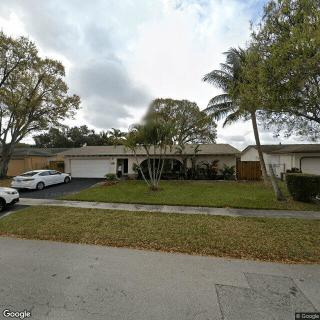
Ana's Assisted Living Facility
$2,400 / month4.8 miles away -
from +$250 / mo
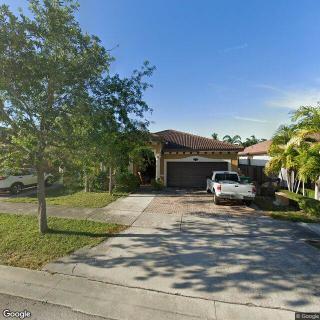
La Casita Nuestra Home
$2,500 to $3,500 / month24.8 miles away -
from +$250 / mo

Anne Adult Family Care Home
$2,500 / month5.6 miles away -
from -$250 / mo
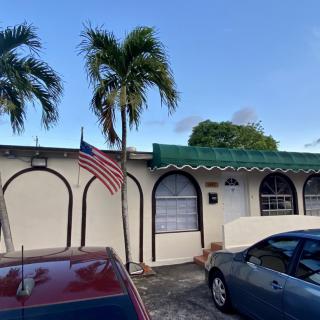
Care and Love Retirement Home
$2,000 to $2,500 / month13.9 miles away -
About the same

Miami Jewish Home & Hospital for the Aged
$2,220 to $7,500 / month14.2 miles away
Overall Review of Vandor Geriatric Homecare
Pros
 He is now in a safe location.
Cons
 The friend faced numerous troubles during his stay at the facility.
- Dorothy was rude and mean to the reviewer and his brother.
- Dorothy accused the reviewer of stealing his friend's money with no proof.
- Dorothy severed the relationship between the reviewer’s friend and his brother, who was paying her.
- Dorothy Baker acted the reviewer’s friend, and the hospital took him back; he refused to get out of the ambulance to return to their home.
- Dorothy lied from beginning to end and falsely claimed to be a minister of God.
- The reviewer would not recommend Vandor ALF, noting that its cost is about double that of large facilities and it provides far fewer meals.
- The reviewer urged others to take their family out of the place and not leave them in her care.
Review
Vandor Geriatric Homecare is best suited for families chasing a small, home-like environment where care is delivered by a single operator and the setting feels personal rather than corporate. This is not a facility for seniors with significant medical or behavioral needs, nor for families seeking robust oversight, transparent billing, or structured programming. The experience described paints a stark contrast: a private arrangement that can look convenient on the surface but quickly reveals serious gaps in safety, accountability, and basic respect. For those prioritizing a “mom-and-pop” atmosphere over standardized care, this community may appear attractive; for anyone else, the risks outweigh the perceived intimacy.
Alternatives should be weighed aggressively. Larger, licensed assisted living communities with established oversight, regulated meals, and clear grievance processes generally deliver safer, more predictable care. If medical needs are present, home health agencies or licensed facilities with trained staff and registered nurses offer necessary supervision and documentation. In addition, families should require transparent contracts, routine audits, and a clear chain of command rather than a single operator handling finances, meals, and resident welfare. When sustained safety and reliability are the goal, the contrast with a private homecare setting becomes decisive.
On the positive side, the only credible pro narrative in the experience is the appeal of a small, intimate setting. However, that potential benefit is eclipsed by the most consequential flaws. The dominant con, the combination of alleged mismanagement, hostile communication, and undermined family relationships, undercuts any perceived personal attention. A caregiver who accuses a relative of theft without proof, isolates a resident from family support, and resorts to coercive actions operates in a manner incompatible with ethical elder care. The claimed cost advantage evaporates quickly when crises occur, hospital readmissions arise, and the care process must be repeatedly remedied.
Even specifics noted in the account, the accusation of theft, the severing of a paying family member’s access, and the report of a hold under Baker Act, signal a systemic risk rather than a one-off lapse. Baker acting a resident is a grave red flag in any setting and should trigger immediate regulatory review. The tone described, rudeness, dismissiveness toward family members, and alleged misrepresentation as a minister of God, indicates a hostile culture where residents’ welfare is not the priority. Food quality and routine meals matter for stability, especially for a diabetic resident, and the claim of non-expired canned items with minimal nourishment points to neglect of basic dietary needs. In short, safety and dignity appear compromised.
Given these concerns, families should approach Vandor with a heavy diligence filter: insist on state licensing verification, current inspection reports, and a formal grievance history. Seek out independent references from former residents or their families, and arrange unannounced visits focusing on staff interactions, meal service, and living spaces. Compare this with licensed facilities that publish staff ratios, care plans, and incident logs. Before any decision, map a contingency plan, what happens if care needs escalate, or if a conflict arises with the caregiver. If those safeguards cannot be demonstrated, the choice should tilt toward alternatives that prioritize accountability and resident safety.
Bottom line: the documented experience suggests Vandor Geriatric Homecare is not a sound choice for a senior who depends on consistent care, respectful treatment, and reliable safety. Only families with a high tolerance for risk, a readiness to provide constant monitoring, and strong personal resolve should entertain this option. For most, the prudent path is to explore larger, licensed communities with transparent operations, or to engage reputable home health services that offer clear oversight. If Vandor is pursued, demand formal contracts, ongoing monitoring, and immediate exit options if red flags reemerge.
 8 resident community capacity
 Assisted Living
 Board and Care Home
 Day Program
 Memory Care
 Cable or satellite TV
 Dining room
 Fully furnished
 Garden
 Housekeeping services
 Indoor common areas
 Move-in coordination
 Outdoor common areas
 Private
 Respite or short term stays offered
 Telephone
 Wheelchair accessible showers
 Wi-Fi/high-speed internet available
 Fort Lauderdale-Hollywood International (4 miles away)
 24-hour supervision
 Ambulatory care
 Assistance with bathing
 Assistance with dressing
 Assistance with transfers
 Diabetes diet
 Diabetic care
 Incontinence care
 Meal preparation and service
 Medication management
 Special dietary restrictions
 Transportation arrangement (medical)
 Transportation to doctors appointments



 Illuminating Insights About Alzheimer's Disease: Ten Crucial Realities
 A Thorough Discussion of Medications Potentially Linked to Dementia Risk
 Why Do Dementia Patients Sleep So Much? Understanding Oversleeping, Stages, and Care Approaches