
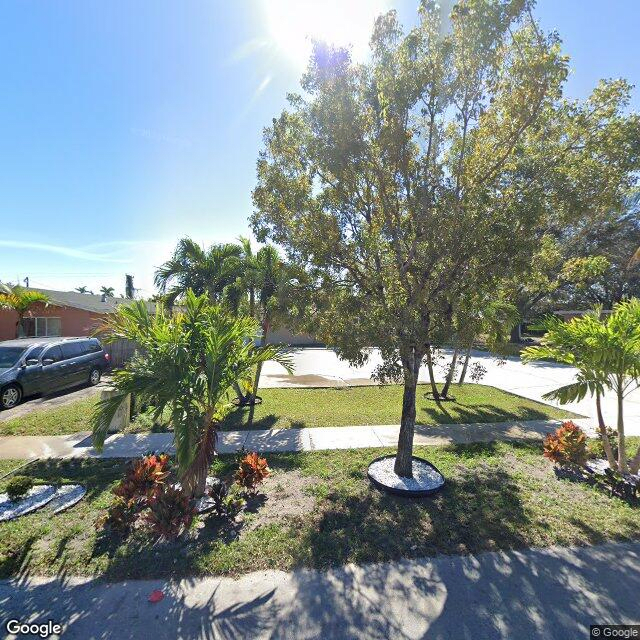
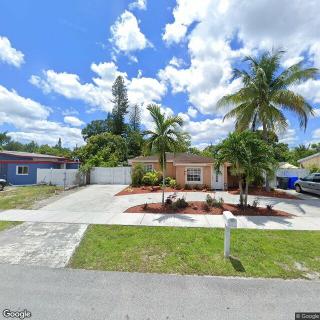
6308 South West 27Th Street #1, Hollywood, FL 33023
To contact a resident: (954) 966-0848
For more information about senior living options: (866) 208-4318
Senior Home Care Of South Florida Costs & Pricing
Senior Home Care Of South Florida offers competitive pricing for its services, particularly when compared to the broader market trends within Miami-Dade County and the state of Florida. For semi-private rooms, the monthly cost is $1,800, which significantly undercuts the county average of $2,250 and remains well below the state average of $3,009. Similarly, in terms of private accommodations, Senior Home Care charges $2,800 - again lower than both Miami-Dade's average of $3,304 and Florida's higher benchmark of $3,699. This positioning not only makes Senior Home Care Of South Florida an appealing option for families seeking quality care at a more affordable rate but also underscores its commitment to providing accessible services without compromising on care standards.
| Floor plans | Senior Home Care Of South Florida | Miami-Dade County | Florida |
|---|---|---|---|
| Semi-Private | $1,800 | $2,250 | $3,009 |
| Private | $2,800 | $3,304 | $3,699 |
Overall Review of Senior Home Care Of South Florida
Pros
 The agency has been a great help.
- The agency has been a blessing to the family.
- Gentle Spirits is wonderful, caring, and dedicated, providing amazing care.
- The ALF is not a regular ALF; residents are treated like family.
- The place is amazing; the owner is extremely sweet and always there.
- The place is nice, very clean, and the owner is wonderful.
- A Caring Hand feels like a real home; it is very clean and friendly.
- The facility is very clean and provides great service.
Review
Senior Home Care Of South Florida in Hollywood is best suited for seniors who want a warm, family-like assisted living experience where the owner is visibly present, care feels personal, and the environment operates like a real home rather than a clinical facility. The reviews consistently highlight a caregiver team that treats residents with genuine affection, a daily owner presence that translates into reliable oversight, and a setting that prioritizes cleanliness and homeliness. This is the kind of community where families seeking reassurance from consistent attention and a tangible sense of belonging will likely feel their loved one is truly cared for.
Pros are strikingly aligned with what many families value most: dependable, heartfelt care in a tidy, homey atmosphere. The owner’s accessibility and personal involvement emerge as a core strength, reducing the distance often felt in larger institutions. Residents are described as being treated like family, which translates into more individualized attention and quicker response to needs. The place is repeatedly characterized as very clean, with a snug, welcoming feel that many relatives equate with peace of mind. Those factors collectively offset the natural tension around choosing an intimate setting over a larger, more impersonal operation.
These advantages matter most for seniors who are still relatively independent but mildly frail, or who require daily assistance with activities of daily living and frequent reassurance from staff. The home-like environment minimizes the discomfort of transitioning to care, while the consistent presence of the owner and a dedicated team fosters a sense of safety and trust. For families, this combination often translates into fewer worries about the day-to-day moment-to-moment care, because there is a clear line of accountability and visible care in action. The clean, orderly space reinforces comfort and reduces the stress of relocation.
However, the reviews do not present a picture of a large, highly medicalized campus with extensive memory-care programs or broad, structured activity calendars. The strength of a small, home-focused operation can become a mismatch for residents with complex medical needs or those requiring specialized dementia care or intensive clinical oversight. For families prioritizing robust professional medical services, 24/7 nursing, or highly specialized programming, alternatives with more formal infrastructure may be a better fit. In short, the very features that make this community feel like home can limit the depth of clinical resources available on site.
In assessing the trade-offs, the strongest offset comes from the owner-first culture and the palpable commitment to resident well-being. The sense of family, paired with meticulous cleanliness and attentiveness, reduces the risk of isolation and neglect that can accompany solo or less engaged settings. Those advantages are most compelling when the potential resident’s needs sit at the intersection of mild-to-moderate assistance and a desire for intimate, responsive care. Yet the lack of explicit notes on medical capabilities, memory-care specialization, or price means these should be confirmed directly during a visit, rather than assumed from the positive anecdotes alone.
For families weighing next steps, this community stands out as a practical, trusted option for seniors who value personal connection, daily attentiveness, and a home-like ambiance. The recommended approach is to schedule a direct visit, observe caregiver interactions with residents, and verify the scope of care offered: staffing ratios, medication management, emergency procedures, and what level of clinical support is available on site. If a loved one’s needs align with the strengths described, personalized attention, consistent owner involvement, and a clean, welcoming home environment, this community warrants serious consideration. If, however, medical complexity or memory-specific programming is a priority, there is value in exploring alternatives that emphasize clinical depth and formal programming.
 10 resident community capacity
 Assisted Living
 Board and Care Home
 Memory Care
 Activities on-site
 Cable or satellite TV
 Devotional services off-site
 Dining room
 Fully furnished
 Garden
 Housekeeping services
 Indoor common areas
 Move-in coordination
 Outdoor common areas
 Private
 Private bathrooms
 Respite or short term stays offered
 Telephone
 Wheelchair accessible showers
 Wi-Fi/high-speed internet available
 Fort Lauderdale-Hollywood International (7 miles away)
 24-hour supervision
 Ambulatory care
 Assistance with bathing
 Assistance with dressing
 Assistance with transfers
 Diabetes diet
 High acuity care
 Incontinence care
 Meal preparation and service
 Medication management
 Special dietary restrictions
 Transportation arrangement (medical)
 Transportation to doctors appointments

 Delirium and Dementia: Unraveling the Key Differences
 Are Dementia and Alzheimer's Disease Lethal? A Comprehensive Exploration
 Exploring the Power of Reminiscence Therapy for Individuals With Dementia