
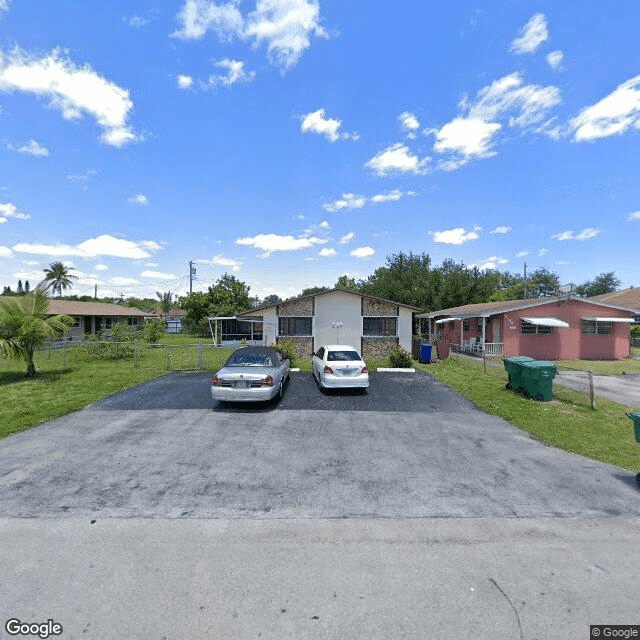
6141 Southwest 34th Street, Miramar, FL 33023
To contact a resident: (954) 983-7996
For more information about senior living options: (866) 208-4318
South Oaks ALH Costs & Pricing
South Oaks ALH offers competitive pricing for its accommodations, making it an attractive option compared to the broader market in Miami-Dade County and the state of Florida. For semi-private rooms, South Oaks charges $1,800 per month, which is significantly lower than the county average of $2,250 and the state average of $3,009. Private rooms at South Oaks are priced at $2,800, again offering a more affordable alternative compared to Miami-Dade's average of $3,304 and Florida's overall average of $3,699. This pricing structure reflects South Oaks' commitment to providing quality care while remaining budget-friendly for residents seeking a supportive environment.
| Floor plans | South Oaks ALH | Miami-Dade County | Florida |
|---|---|---|---|
| Semi-Private | $1,800 | $2,250 | $3,009 |
| Private | $2,800 | $3,304 | $3,699 |
Memory care communities with a similar price nearby
-
About the same
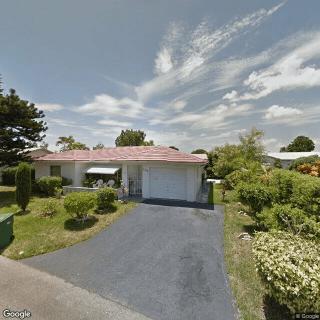
Jennifer's Home Care, Inc
$1,800 to $3,000 / month16.4 miles away -
from +$200 / mo

Care and Love Retirement Home
$2,000 to $2,500 / month10.3 miles away -
About the same
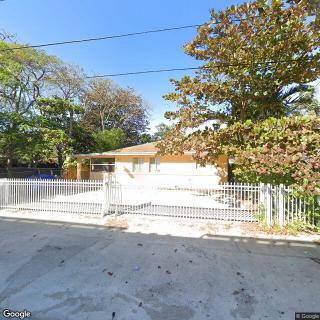
Magnet Adult Home South
$1,800 to $3,500 / month11.6 miles away -
from +$200 / mo
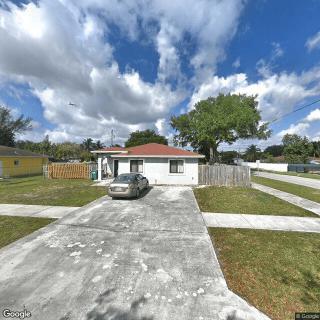
Sweet Angel's Home Assisted Living Facility Inc
$2,000 to $2,500 / month5.7 miles away -
from -$300 / mo
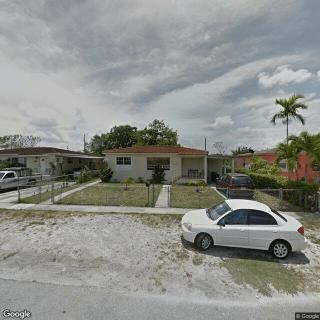
Hogar De Amable Consuelo
$1,500 to $3,000 / month8.6 miles away
Overall Review of South Oaks ALH
Pros
 The staff at South Oaks were wonderful to her during her stay.
- A large majority of the staff—about 95%—were extremely kind and understanding.
- The reviewers are deeply grateful for what they did.
- The staff were very kind, especially given the urgent need.
- Overall, the reviewers would recommend South Oaks.
Cons
 They would often bring her food to her, but not feed her.
- She ended up losing weight as a result.
Review
South Oaks ALH in Miramar, FL is best suited for families seeking a compassionate, relatively short-term option for a loved one with dementia who benefits from hands-on care during a transition or recovery period. The reviews point to a warm, responsive staff culture and a setting where urgent needs are addressed with empathy. In the wake of a disruptive move or post-crisis placement, this community can deliver the emotional support and daily reassurance that families crave when time, stress, and logistics collide.
Those weighing alternatives should consider whether long-term stability with consistently proactive feeding support is non-negotiable. If a resident’s dementia requires rigorous mealtime prompting, регуляр monitoring of intake, and a demonstrable, systematic approach to nutrition, other communities may offer more robust routines. The same applies if the primary concern is sustained weight management or higher-level medical oversight; South Oaks’s strengths in caregiver warmth may not fully compensate for gaps in mealtime discipline over the longer horizon.
The strongest positives at South Oaks lie in the human factor. Staff kindness and a willingness to respond to urgent needs create a trustworthy atmosphere that eases families during a stressful transition. This warmth matters, especially for residents who react to disruption with anxiety or disorientation. When viewed against the backdrop of one family’s urgent placement, these strengths can translate into measurable comfort, reduced caregiver burden, and a smoother initial adjustment for a dementia resident.
However, the central drawback, feeding oversight during mealtime, cannot be ignored. The accounts describe caregivers who would bring meals to a resident but not actually feed her, and a dementia profile in which eating reliably hinges on prompting or direct assistance. That gap directly affects health outcomes and weight, making it a material risk for a resident whose appetite and intake require consistent, proactive support. The warmth of the staff helps, but it does not fully offset the health implications of inconsistent mealtime care over time.
From a practical decision-making standpoint, this community delivers a humane, responsive environment that shines in crisis-driven use. For families prioritizing a short stay with compassionate personnel and a soothing atmosphere, South Oaks offers compelling value. For those who cannot tolerate mealtime gaps or who anticipate a longer residence, it is prudent to compare other options with explicit, documented protocols for dementia mealtime support, daily weight checks, and a defined plan to maintain nutritional health.
Actionable next steps for families include arranging a formal visit focused on mealtime routines. Observe how staff interact during breakfast and dinner, and request to speak with the director about a written care plan that includes nutritional goals, weight tracking, and escalation processes if intake drops. Inquire about staff training in dementia care, the mealtime assistance protocol, and whether a dedicated caregiver or memory-care program is available. Ask for recent family testimonials and references that speak to sustained mealtime quality over time. With these steps, the true fit of South Oaks becomes clearer: warm support that works best as a crisis-bridge option or short-term placement, rather than a long-term solution where consistent, proactive feeding is non-negotiable.
 Board and Care Home
 Memory Care
 Activities off-site
 Beautician on-site
 Devotional services off-site
 Indoor common areas
 Outdoor common areas
 Private
 Private bathrooms
 Respite or short term stays offered
 Wheelchair accessible showers
 Fort Lauderdale-Hollywood International (7 miles away)
 Ambulatory care
 Diabetic care
 High acuity care
 Medication management
 Kosher
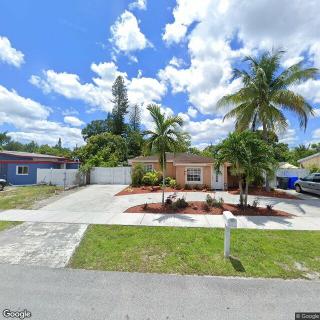

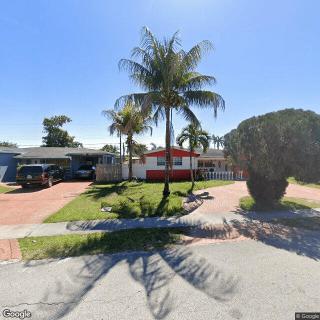



 Exploring the Power of Reminiscence Therapy for Individuals With Dementia
 An In-Depth Look at Reminiscence Therapy in Dementia Care
 Dementia-Related Hallucinations: Causes, Experiences, and Practical Approaches