
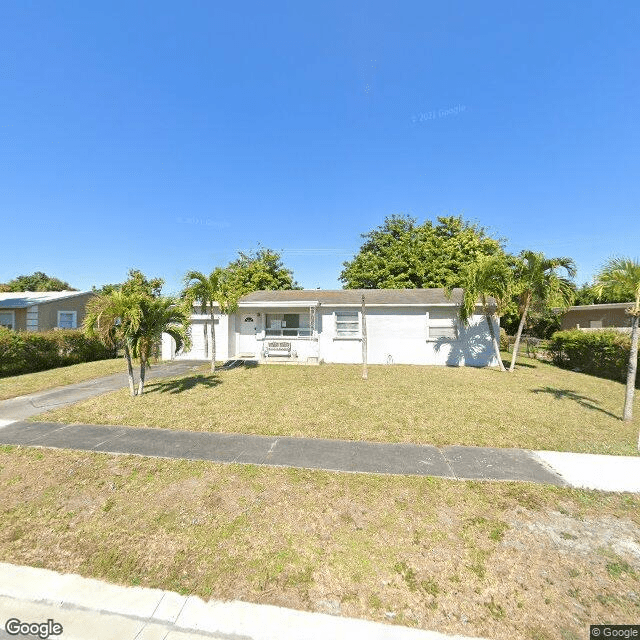
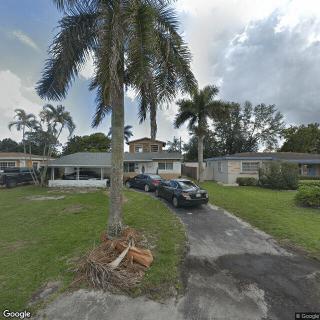
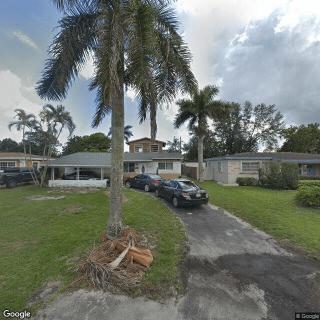
6609 SW 20 TH STREET, Miramar, FL 33023
To contact a resident: (954) 682-9848
For more information about senior living options: (866) 208-4318
Overall Review of Palm Manor ALF
Pros
 The staff at Oasis Palms care like family.
- The care at Oasis Palms is compassionate, attentive, and focused on comfort.
- Michelle McDonald, the owner, is compassionate and personally involved in residents’ care.
- Families feel welcome and residents’ dignity is preserved.
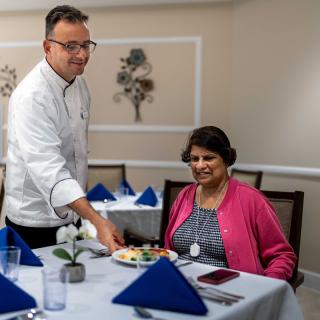
- The meals are home-cooked and nutritious, with attention to residents’ favorites.
- Oasis Palms provides regular updates and open communication to families.
- The atmosphere is warm, homelike, and supportive.
Cons
 The facility has a moratorium sanctioned by the Florida AHCA for misdemeanors and deficiencies, attributed to untruthful and misleading administration and management.
- State records describe the facility as callous, with misdemeanors, resident abuse, and deficiencies that indicate an unhealthy resident environment.
- There are allegations that residents are whipped and tied to their wheelchairs, with resident wishes not adhered to and deaths occurring due to staff malfeasance and poor licensing or non-state-approved credentials.
- The staff credentials are described as poor and not state-approved, undermining trust in care quality.
- The reviewer advises not to consider this facility for loved ones.
Review
Palm Manor ALF in Miramar is best suited for families that value a small, home-like setting where care is the priority and a hands-on, owner-operator approach is evident. This community works well for seniors who respond to intimate, relationship-driven care, where staff treats residents like family and care plans are tailored with attention to daily routines, dignity, and comfort. The strongest signal from the reviews is a dedication to compassionate, personalized care delivered by a trained, attentive team, often with direct involvement from the owner. For families seeking a warm, less clinical atmosphere where the living environment reinforces a sense of belonging, Palm Manor delivers with credibility.
Those who may want to consider alternatives are families needing more medical in-house resources or a larger campus with a broader slate of clinical services. If 24/7 on-site nursing, advanced memory-care protocols, or a robust, program-driven activity calendar driven by a sizable staff are non-negotiable, a larger facility with greater clinical depth may be a better match. Palm Manor’s strength lies in its intimate, home-style operation, which can come with trade-offs for residents whose care needs outpace what a smaller setting can sustain.
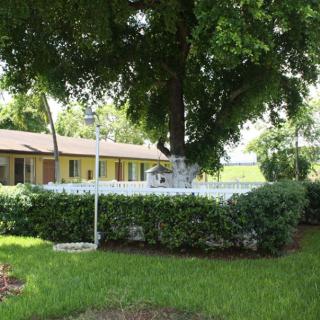
The key advantages are clear and compelling. The care-first ethos stands at the center: staff who are described as caring, kind, and respectful, with a culture that feels like family. Family members consistently praise the owner’s personal touch and willingness to participate in care, along with transparent, regular communication about a resident’s condition. Residents benefit from home-cooked, nutritious meals and meaningful daily rituals, celebrations of birthdays and holidays, that preserve dignity and normalcy. The one-story, spacious home in a secured setting further reinforces comfort, privacy, and ease of movement for residents who value a calmer, less institutional environment.
There are conceivable drawbacks to acknowledge, even if the reviews skew overwhelmingly positive. The most salient con for a small, home-based ALF is the potential limitation in medical resources and on-site clinical oversight. In emergencies or for conditions requiring specialized equipment or rapid escalation, a larger facility with more extensive nursing staff and medical partnerships may respond more decisively. Additionally, the intimate scale means staffing and leadership can have outsized influence on the day-to-day feel; turnover or limited depth in certain specialized areas could affect consistency of care unless well managed. These realities aren’t touted as flaws, but they matter in the trajectory of care for higher-acuity residents.
Nevertheless, the favorable aspects tend to offset these considerations for many families. The care culture, the depth of attention, frequent updates, and the sense of security that comes from knowing someone who knows the resident personally is overseeing daily care, produces peace of mind that can be hard to achieve in larger settings. The owner’s direct involvement and the staff’s demonstrated commitment to individualized care create a trusting relationship with families, reducing anxiety about responses to subtle changes in health or mood. When meals, routines, and celebrations are customized, quality of life often rises in meaningful ways, even if the facility is not equipped to match every clinical service offered by bigger communities.
In the final assessment, Palm Manor ALF is a strong pick for families prioritizing warmth, accessibility, and a caregiving atmosphere that feels genuinely personal. It’s a practical choice for seniors who thrive on consistent human connection, predictable routines, and a home-like environment where dignity is preserved and family input is valued. For those whose priority is expansive medical resources, structured programming, or high-acuity memory care on-site, alternatives with larger clinical teams should be explored. A careful visit should focus on staffing ratios, medical management practices, and how care plans are developed and shared with families; verify what is possible within the small-community model and benchmark against expectations for medical responsiveness, activity offerings, and the comfort level necessary to keep a loved one thriving.
 Assisted Living
 Activities on-site
 Devotional services off-site
 Indoor common areas
 Fort Lauderdale-Hollywood International (7 miles away)
 Ambulatory care
 Diabetic care
 Meals provided
 Assisted Living and Memory Care: Understanding Their Core Differences
 Beyond the Bingo Hall: 50+ Enriching Activities for Seniors in Assisted Living
 Understanding the Distinctions: Assisted Living and Memory Care Explained