

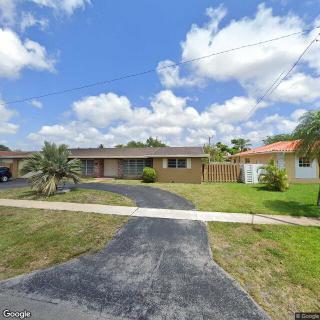
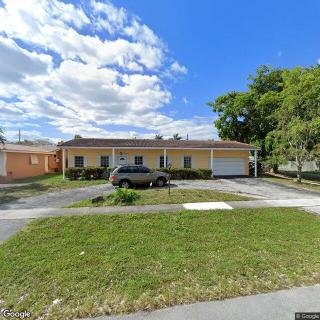
5791 Plunkett St, Hollywood, FL 33023
To contact a resident: (954) 964-0928
For more information about senior living options: (866) 208-4318
Overall Review of Facility Home Health Care Inc
Pros
 The people at Memorial Home Healthcare are fantastic.
 - They send extremely qualified caregivers to take care of patients' medical needs.
- Jennifer Dimassi provided exceptional in-home physical therapy, contributing to a quick recovery.
- Memorial Home Health should be proud to have therapists like Jennifer.
- The cardiologist is excellent.
- The surgeon is incredible, highly qualified, and compassionate.
- Jonathon Diaz provides the best in-home physical therapy after surgery.
- Jonathon Diaz is caring, compassionate, and motivating.
Cons
 The nurse failed to insert the catheter fully, inflating the balloon against the prostate and causing blood in the tube, which she claimed was normal.
 - He required an emergency urology appointment and would bleed intermittently for days.
- He was unable to urinate and experienced retention due to the botched procedure until the urologist fixed it.
- The home health company was absolutely horrible and did not care about patients.
- The first home health agent spent only two minutes in the home and had the mother take her own blood pressure.
- The second nurse was more focused on personal calls and, when asked to step outside, she put her hand in the client’s face.
- Claudia claimed that unless the patient was mentally capable, the patient was useless, showing disrespect toward dementia patients.
- No one contacted the family for a month to check on the patient.
- Carmelita showed little concern and essentially blew off the complaints.
- The service suffers from extremely poor customer service, scheduling inefficiencies, and zero scheduling communications.
- Many nurses did not speak or understand English, with poor charting and some nurses delivering care that leaked bandages or fell off.
- The organization is described as reckless with loved ones and would rather lose patients than work with them.
Review
This community is best suited for families who want to keep a loved one at home with skilled support, but only if there is fierce, proactive oversight from the family and a clear plan to secure reliable staff. When the right therapist or clinician is assigned, in-home physical therapy or speech-language support can produce meaningful gains, and the model works for patients who have relatively stable needs and a capable advocate at the helm. The standout clinicians exist, particularly on the therapy side, and their impact can be substantial. Still, the overall picture is uneven, and lasting benefit hinges on demanding performance and continuity that are not consistently delivered.
For many families, alternatives should be on the radar as a baseline consideration. Any decision should weigh the reality that complex medical needs, dementia with fluctuating symptoms, or a requirement for predictable daily visits often demand higher reliability than this provider routinely proves able to sustain. If staffing consistency, clear communication, timely scheduling, and bilingual care are nonnegotiable, exploring other home-health options or moving toward an assisted living arrangement with built-in oversight and 24/7 support will usually yield less daily stress and greater safety.
The core pros, highly capable, compassionate therapists when they appear on the schedule and a few clinicians who genuinely connect with patients, do not fully offset the substantial, systemic cons. When therapy sessions are well-executed, they can accelerate recovery and maintain function, but such moments are counterbalanced by frequent problems in nursing care, inconsistent attendance, and poor follow-through. The care experience frequently feels fragmented: rushed visits, insufficient preparation, and notes that fail to stay aligned with the patient’s evolving needs. The occasional staff member who demonstrates professionalism reinforces that quality is possible, yet a broad pattern of underwhelming administration undermines the potential.
Safety and reliability concerns drive the strongest caution. A catheter-related incident highlights how quickly a situation can deteriorate from a routine procedure into an emergency, underscoring the risks when clinical competence and adherence to standards are inconsistent. There are repeated reports of nurses who are unprepared, inconsistent in the timing of visits, or unhelpful when problems arise, including urgent instructions to seek ER care without adequate contingency planning. Ambiguities in scheduling, poor communication about who will visit and when, and gaps in charting further erode trust. Language barriers, high turnover, and a culture that seems to push through logistics without guaranteeing accountability compound these risks.
Families willing to proceed should lock in practical safeguards before signing. Demand assignment of a dedicated care manager or supervisor who will personally own scheduling, follow the care plan, and coordinate between therapists, nurses, and the family. Require clear, written visit windows, weekly progress notes, and direct contact with the supervisor for any concerns. Insist on bilingual staff for key visits if language clarity matters, and verify licensure, background checks, and ongoing performance reviews. Establish a contingency plan for replacements, and insist on documented escalation paths when issues arise. Consider a trial period with a formal review at 30 or 60 days to determine whether the care has genuinely stabilized.
In the end, this agency leans toward a high-risk, high-need decision for many households. It can be a viable choice for families who are prepared to micromanage care, secure preferred staff, and tolerate variability in day-to-day operations in exchange for occasional excellent therapy encounters. For most families weighing independent living at home versus a move to assisted living, the safer path is to prioritize providers with a proven track record of consistent staffing, rigorous clinical oversight, and transparent, responsive administration. A candid risk–benefit calculation is essential: the potential upside lies with exceptional therapists and targeted support; the downside is a recurrent pattern of late, unprepared visits and care gaps that can compromise safety. Seek alternatives if reliability cannot be guaranteed, and pursue a setting that aligns with the desired balance of independence, oversight, and peace of mind.
 Fort Lauderdale-Hollywood International (6 miles away)





 Top Cars for Senior Drivers and Essential Safety Innovations
 A Closer Look at Private Pay Home Care
 Comprehensive Approaches for Arthritis: A Detailed Guide to Symptoms, Causes, and Care