
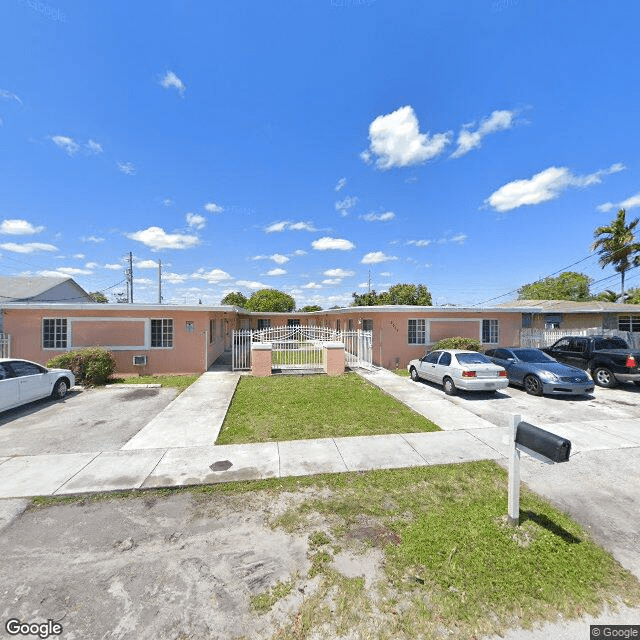
5511 Southwest 20th Street, West Park, FL 33023
To contact a resident: (954) 983-8880
For more information about senior living options: (866) 208-4318
Veanda's Court Costs & Pricing
Veanda's Court offers competitive monthly rates for its accommodations, making it an appealing option for those seeking quality care. For a semi-private room, the cost is $2,000 per month, which is notably lower than the Miami-Dade County average of $2,250 and significantly more affordable compared to the state average of $3,009. Similarly, for a private room at Veanda's Court, residents would pay $2,500 monthly - again a striking value when juxtaposed with Miami-Dade's average of $3,304 and Florida's overall average of $3,699. These pricing advantages reflect Veanda's Court commitment to providing accessible living options while maintaining high standards of service and care.
| Floor plans | Veanda's Court | Miami-Dade County | Florida |
|---|---|---|---|
| Semi-Private | $2,000 | $2,250 | $3,009 |
| Private | $2,500 | $3,304 | $3,699 |
Senior living communities with a similar price nearby
-
About the same
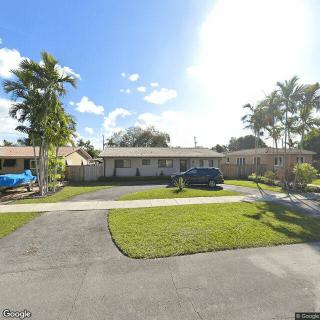
Buddy's Place
$2,000 / month13.2 miles away -
from -$200 / mo
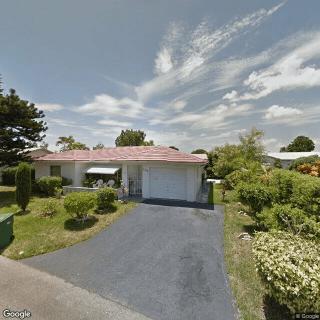
Jennifer's Home Care, Inc
$1,800 to $3,000 / month15.7 miles away -
About the same
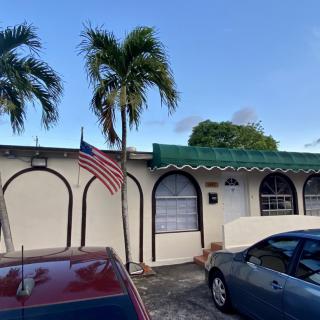
Care and Love Retirement Home
$2,000 to $2,500 / month11.4 miles away -
from -$200 / mo
Magnet Adult Home South
$1,800 to $3,500 / month12.5 miles away -
from +$220 / mo

Miami Jewish Home & Hospital for the Aged
$2,220 to $7,500 / month11.7 miles away
Overall Review of Veanda's Court
Pros
 The reviewer was impressed with the attention to health.
- They appreciated Veanda Thomas's assistance in arranging a two-day trial stay for their mother.
Cons
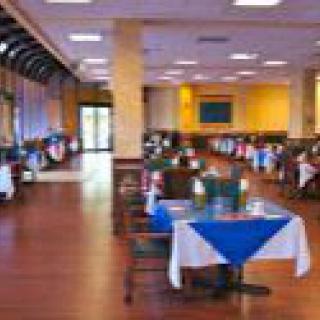
 Her mother was unable to maneuver her wheelchair to and from the dining room because the walkway was too narrow.
- The activities were less structured than what her mother wanted.
Review
Veanda's Court in West Park, FL is best suited for families seeking a health-forward senior environment where staff vigilance and wellness oversight are central, and where mobility challenges are not extreme but require careful layout awareness. The facility earns credibility through immediate responsiveness and a willingness to accommodate trial visits, which signals a practical, hands-on operator. This community works well for residents whose families value medical attention, routine wellness checks, and a calm, low-traffic atmosphere over a bustling, highly programmed social calendar. A short trial, as reflected in the case at hand, can reveal whether the combination of attentive care and a modest activity slate aligns with a loved one’s expectations. It is not a fit for those who insist on wide, wheelchair-friendly corridors and a calendar packed with structured enrichment opportunities.
Pros are anchored in a practical, person-centered approach to health. The reviewer notes that Veanda Thomas was accessible and collaborative, arranging a two-day stay to test the environment. That kind of responsiveness matters because wellness oversight often translates to more proactive monitoring, medication coordination, and safety-minded support during daily routines. The emphasis on health suggests staff will monitor changes, support mobility within reasonable limits, and respond quickly to concerns about medical or daily living needs. For families prioritizing a stable health-focused setting over an elaborate social program, these dynamics are decisive and can deliver meaningful peace of mind.
However, the deal-breakers are tangible. The narrow walkway that hindered the mother’s ability to move her wheelchair to and from the dining room highlights a critical accessibility constraint. In daily life, seamless transitions between spaces matter as much as care plans. If a resident uses a wheelchair, width, door clearance, and corridor space become safety questions, not mere conveniences. The second notable con is the perceived lack of structured activities. For some seniors, a robust activity schedule is a key determinant of quality of life, social engagement, and cognitive stimulation. The combination of limited programming and tricky navigation can erode the sense of independence that families expect from a community setting and may leave a resident feeling under-stimulated.
Still, the health-oriented strengths can offset some of these concerns, depending on individual priorities. A facility that prioritizes wellness oversight can compensate for less dazzling activity calendars through targeted therapies, regular check-ins, and close supervision during meals and transitions. For residents who prize predictable health monitoring, smaller social programming gaps may be an acceptable trade-off if the care philosophy aligns with family expectations. The critical reality is that accessibility and movement within the building affect daily satisfaction just as much as programming. If mobility is a core need, this is the area to test aggressively during tours and trial stays, asking for a live walk-through of routes to dining areas and common spaces.
Parents and guardians evaluating Veanda's Court should come prepared with concrete questions and a live-test plan. Request a longer trial period to observe mobility in common routes and dining areas, and ask to see the layout or an accessibility assessment. Review the activity calendar to understand how many structured programs exist, their timing, and whether there are flexible options for less mobile residents. Inquire about whether staff can assist with safe navigation or if building modifications are possible to improve routes to eating areas. Also consider alternatives that emphasize both mobility-friendly design and richer activity programming, such as communities with wider corridors, more consistent daily routines, and clearly defined engagement opportunities that match the resident’s interests. If such options are priorities, it is reasonable to widen the search and compare fit.
Overall, Veanda's Court appears to be a prudent choice for families prioritizing health oversight and sincere staff engagement, with the caveat that mobility access and activity programming must be validated in person. It will not be the ideal fit for a resident who needs effortless wheelchair navigation and a full, highly structured day-to-day calendar. The final decision should hinge on a thorough walk-through of the building, a review of the safety and accessibility features, and a candid assessment of whether the on-site wellness emphasis truly aligns with the loved one’s social and cognitive needs. Schedule that next visit, press for specifics on accessibility, and let the trial period reveal whether this community can actually deliver the balance sought.
 Board and Care Home
 Cats allowed
 Dogs allowed
 Activities off-site
 Bath tubs
 Beautician on-site
 Devotional services off-site
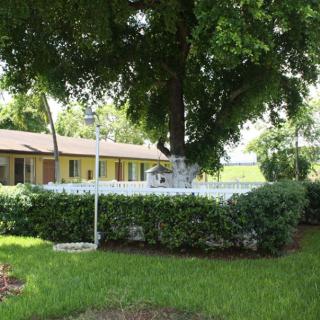
 Indoor common areas
 Outdoor common areas
 Private
 Private bathrooms
 Respite or short term stays offered
 Fort Lauderdale-Hollywood International (6 miles away)
 Ambulatory care
 Diabetic care
 Incontinence care
 Medication management
 Kosher


 A Detailed Exploration of Living Wills and Advance Directives
 Comprehensive Guide to Medicare Coverage for Hospice Care
 Caring for Those Who Care: Recognizing, Understanding, and Overcoming Caregiver Burnout