
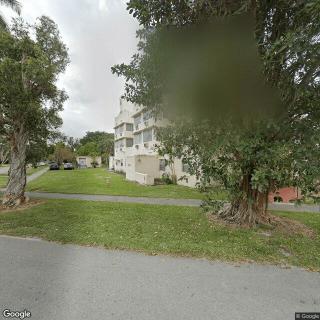
70 East 21St Street, Hialeah, FL 33010
For more information about senior living options: (866) 208-4318
Overall Review of Salmos 23 #4
Pros
 The facility is clean and well-maintained, creating a pleasant environment.
- The staff are kind, attentive, and professional in their care of residents.
- The facility feels welcoming and carries a compassionate, caring atmosphere.
- The food provided is of good quality and enjoyable.
- The staff demonstrate genuine care and affection toward residents.
- There is sufficient staffing to meet the needs of residents and to provide attentive care.
Cons
 The staff's inability to speak English created a significant communication barrier, making interactions extremely difficult.
- There was no proper logging of the mother's personal items, resulting in missing belongings, including her walker.
- The discharge process was challenging due to the language barrier and lack of clear communication.
- The reviewer has been waiting for a callback from management since last year, indicating unresolved concerns.
- Communication reportedly occurred only during payment times, suggesting inconsistent engagement with families.
Review
Salmos 23 #4 in Hialeah is best suited for families seeking a warm, home-like atmosphere with a clean, well-kept environment and genuinely caring staff. The community shines in daily kindness, attentive residents’ needs, and solid meal quality. It appears especially appropriate for Spanish-speaking families or anyone comfortable navigating occasional language gaps, where the emotional tone and personal touch of the care team can be the deciding factor. For families prioritizing a strong, affectionate culture and a tidy setting, this facility delivers consistently on those fronts.
Still, there are clear signals to consider alternatives. Those who rely on consistent English-language communication with administrators, clear discharge processes, and meticulous tracking of residents’ personal belongings may want to compare other options. The language barrier, staff communication not in English, can complicate important transitions, and when issues arise, the absence of timely management follow-up compounds anxiety. If streamlined, proactive communication and a tight logistics handle are non-negotiable, this community may not meet those requirements.
On balance, the strongest advantages at Salmos 23 #4 center on the quality of care-in-action: clean facilities, sufficient staff visible on the floor, and staff who convey warmth and genuine attention to residents. The dining experience and the overall sense that residents are treated with kindness and respect carry real weight. These positives are meaningful counterweights to the preserved concerns, demonstrating that the environment supports dignity and consistent day-to-day comfort. When language is not a barrier for the family, this care culture can translate into meaningful peace of mind.
However, the main drawbacks cannot be dismissed. The language hurdle, not just a minor inconvenience but a real communication gap, limits the ability to coordinate care, discharge planning, and daily updates. Reports of difficulties during discharge and a lack of logging for personal items, with belongings such as a walker going missing, highlight vulnerabilities in accountability and inventory control. The most troubling element for many families is the apparent lack of timely management engagement, including delayed or no callback after concerns are raised. Taken together, these factors threaten a smooth transition and a reliable record of belongings, which are essential for ongoing safety and reassurance.
Operational safeguards should be scrutinized and tested before committing. Families should seek a clear, written plan for discharge coordination, with assigned staff as a point of contact who can be reached in both English and Spanish, and a detailed personal-item inventory process on admission and discharge. Request evidence of a formal log for belongings, a transparent lost-and-found policy, and a documented escalation path if issues arise. It is prudent to confirm how often administrative reviews occur and to obtain direct contact information for the facility administrator or regional liaison. A prospective resident or their representative should also verify that translation support is readily available during key interactions, including care conferences and med-pass discussions.
During a tour, the prudent approach is to test the system rigorously. Ask to see the intake and discharge procedures, request a tour of the belongings storage or lost-item log, and inquire about the language accommodations used by the administrative team. Verify that meal service, activity calendars, and care planning meetings are conducted with opportunities for family input, and check whether there is an established caregiver liaison who can translate or bridge communication gaps. These steps illuminate how the facility handles two critical risks: miscommunications and misplaced belongings, which directly affect safety and continuity of care.
In sum, Salmos 23 #4 offers a commendable core of warmth, cleanliness, and attentive caregiving that makes it a strong choice for families prioritizing a compassionate, well-kept setting. It becomes a recommended option for those able to navigate language dynamics and who place trust in a caring staff culture. For families where English-language communication, meticulous discharge planning, and robust item-tracking are non-negotiable, this community warrants careful comparison with alternatives and, at minimum, a thorough due diligence process, preferably with a translator and a clearly documented plan before making a move.
 76 resident community capacity
 Assisted Living
 Air-conditioning
 Beauty salon
 Cable or satellite TV
 Computer center
 Dining room
 Fitness room
 Fully furnished
 Gaming room
 Garden
 Housekeeping services
 Kitchenette
 Move-in coordination
 Outdoor space
 Private bathrooms
 Restaurant-style dining
 Small library
 Telephone
 Wellness center
 Wi-Fi/high-speed internet available
 Miami International (3 miles away)
 Community operated transportation
 12-16 hour nursing
 24-hour call system
 Activities of daily living assistance
 Assistance with bathing
 Assistance with dressing
 Assistance with transfers
 Diabetes diet
 Medication management
 Mental wellness program
 Special dietary restrictions
 Concierge services
 Planned day trips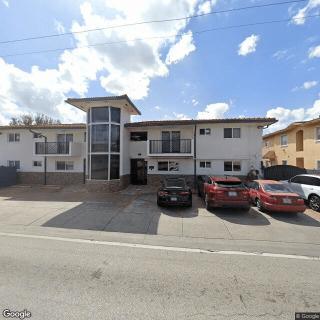



 Vibrant Senior Living: A Comprehensive Guide for Active Older Adults
 When to Transition from Assisted Living to Memory Care: Key Indicators, Steps, and Finding the Right Community
 Assisted Living and Memory Care: Understanding Their Core Differences