
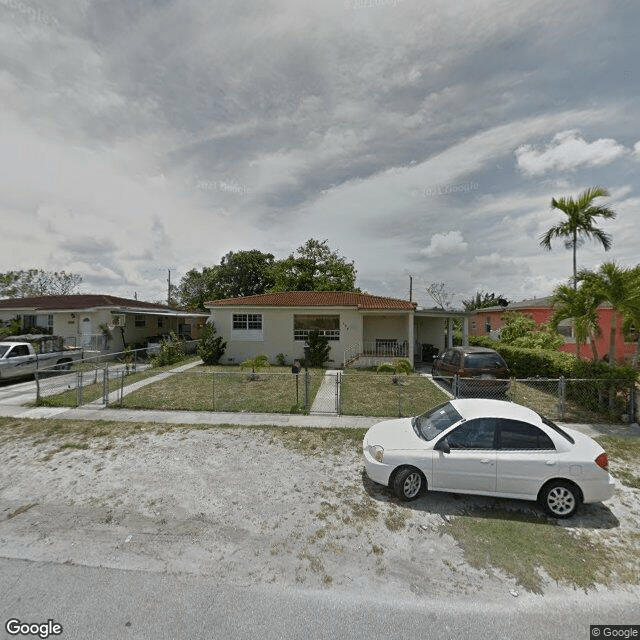
134 West 59 Street, Hialeah, FL 33012
For more information about senior living options: (866) 208-4318
Hogar De Amable Consuelo Costs & Pricing
Hogar De Amable Consuelo offers competitive pricing for its accommodation options compared to the broader market in Miami-Dade County and the state of Florida. For semi-private rooms, residents can expect a monthly cost of $1,500, significantly lower than the county average of $2,250 and the state average of $3,009. The private room option is priced at $2,000, which again presents a substantial saving when juxtaposed with Miami-Dade's average of $3,304 and Florida's overall average of $3,699. Additionally, their one-bedroom units are available for $3,000 per month - still more affordable than both the county's average of $3,775 and the state's figure of $3,864. This pricing strategy positions Hogar De Amable Consuelo as a cost-effective choice for individuals seeking quality care without compromising their budget.
| Floor plans | Hogar De Amable Consuelo | Miami-Dade County | Florida |
|---|---|---|---|
| Semi-Private | $1,500 | $2,250 | $3,009 |
| Private | $2,000 | $3,304 | $3,699 |
| 1 Bedroom | $3,000 | $3,775 | $3,864 |
Memory care communities with a similar price nearby
-
from -$200 / mo
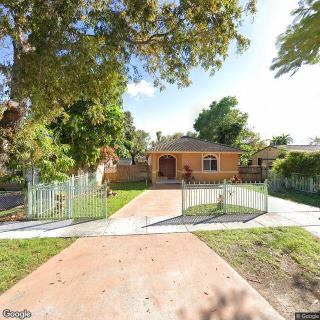
Caring for You #1 Assisted Living Facility, INC
$1,300 / month7.6 miles away -
from -$100 / mo
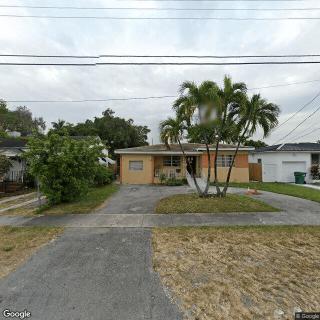
Gonzalez & Sons Home Care
$1,400 to $2,500 / month7.9 miles away -
from -$100 / mo
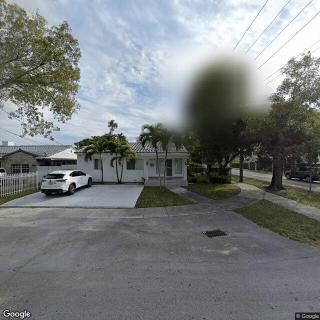
Gonzalez & Sons Home Care II
$1,400 to $2,500 / month7.6 miles away -
from +$100 / mo
The Caring Place
$1,600 to $2,000 / month19.1 miles away -
About the same

North Miami Angel Gardens ALF, Inc
$1,500 / month6.6 miles away
Overall Review of Hogar De Amable Consuelo
Pros
 Supervisor Tania and the team provide compassionate and attentive care.
- Staff consistently attend to residents' meals and medications.
- They can make residents laugh and keep them engaged in activities.
- The connection built with residents is special and makes time there feel like home.
- The staff display respect and kindness across all roles.
- Their collective effort gives families peace of mind and a positive environment.
- They treat residents like family and work tirelessly.
- The facility is clean, well-renovated, and offers excellent service.
Review
This Hialeah community is best suited for families seeking a warm, home-like assisted living experience where residents are cherished, daily routines feel personal, and staff form genuine connections. The reviews consistently highlight a caring, attentive team that keeps residents clean, well-groomed, and engaged. Families will find a strong emphasis on everyday companionship, helpers who assist with walking, meals, and medications, and staff who foster moments of joy and meaningful interaction. The environment reads as welcoming and homelike, with residents often described as content, well cared-for, and treated with respect and kindness.
Those weighing alternatives should consider options if the priority is formal medical oversight or highly specialized memory care on a larger campus. While the reviews note access to doctor visitations and medical attention when needed, the tone leans toward personalized, hands-on caregiving rather than a clinical model. For families needing around-the-clock skilled nursing, intricate clinical coordination, or very structured clinical programming, a different setting may be more appropriate. It is prudent to compare staffing levels, nurse availability, and the range of on-site medical services before deciding, particularly if resident health needs are complex or rapidly changing.
On the positives, cleanliness and upkeep stand out, with facilities described as spotless and well-maintained, including renovations that reinforce a modern, comfortable ambiance. The quality of care across caregivers, nurses, and support staff is repeatedly praised as professional, compassionate, and willing to go the extra mile. Residents benefit from consistent hands-on help with daily activities, medication administration, and regular engagement in meaningful routines. The care team’s ability to connect on a personal level, conversations that uplift residents, assistance during walks, and a responsive attitude to needs, creates a stable, reassuring atmosphere that families value deeply.
A potential con to consider is suggested by the presence of a 1-star review among otherwise high ratings. While the specific issues aren’t laid out, this signal underscores the importance of due diligence before making a placement decision. Variability in experiences can occur from shift to shift or between individual staff members, so prospective families should plan multiple visits, request candid references, and observe interactions during different times of day. This caveat does not negate the overwhelmingly positive feedback, but it does justify careful verification and a clear set of questions about how care plans are managed, how concerns are escalated, and how feedback is addressed.
Despite the caveat, the strong pros typically offset the potential drawbacks by delivering a high-trust, low-stress caregiving environment. The visible dedication of the team, a family-like culture, and the emphasis on home-cooked meals and social connections contribute to resident well-being and overall satisfaction. The owner-director and office staff receive particular praise for guiding families through transitions, coordinating care, and maintaining an atmosphere where residents feel seen and valued. These elements translate into peace of mind for families, who can trust that their loved ones are cared for with dignity, respect, and steady daily routines.
For families making the decision, practical next steps won’t be vague, schedule a tour, preferably at different times of day, to observe daytime and evening staff interactions. Meet the direct care team, ask to review a sample care plan, and inquire about medication management, physician involvement, and how activities are tailored to individual interests. Inquire about dining options, menu variety, and the frequency of social programming. Confirm the process for handling concerns and the typical response time. If warmth, cleanliness, and everyday compassion are non-negotiables, this community’s strengths align well with those priorities, while keeping a mindful eye on medical needs and consistency of care across shifts.
 6 resident community capacity
 Assisted Living
 Board and Care Home
 Day Program
 Memory Care
 Respite Care
 Cats allowed
 Dogs allowed
 Cable or satellite TV
 Devotional services off-site
 Dining room
 Fully furnished
 Garden
 Housekeeping services
 Indoor common areas
 Move-in coordination
 Outdoor common areas
 Private
 Private bathrooms
 Telephone
 Wheelchair accessible showers
 Wi-Fi/high-speed internet available
 Miami International (6 miles away)
 24-hour supervision
 Ambulatory care
 Assistance with bathing
 Assistance with dressing
 Assistance with transfers
 Diabetes diet
 Diabetic care
 High acuity care
 Incontinence care
 Meal preparation and service
 Medication management
 Special dietary restrictions
 Transportation arrangement (medical)
 Transportation to doctors appointments


 Are Dementia and Alzheimer's Disease Lethal? A Comprehensive Exploration
 Exploring the Power of Reminiscence Therapy for Individuals With Dementia
 An In-Depth Look at Reminiscence Therapy in Dementia Care