Haines Manor Assisted Living Facility Costs & Pricing
Haines Manor Assisted Living Facility offers competitive pricing for its residents, particularly when compared to the broader averages in Polk County and throughout Florida. For instance, a semi-private room at Haines Manor is available for $1,800 per month, significantly lower than the county average of $2,935 and the state average of $3,009. Similarly, studio apartments are priced at $2,100, again undercutting both Polk County's and Florida's averages of $3,026 and $3,823 respectively. This trend continues with one-bedroom units at $2,650 compared to $3,231 in Polk County and $3,864 statewide. Even two-bedroom options at Haines Manor are offered at a reasonable rate of $3,250 versus an average of $3,506 locally and a striking $4,711 throughout Florida. Overall, Haines Manor provides an appealing choice for those seeking quality assisted living services while being mindful of their budget.
Floor plans
Haines Manor Assisted Living Facility
Polk County
Florida
Semi-Private
$1,800
$2,935
$3,009
Studio
$2,100
$3,026
$3,823
1 Bedroom
$2,650
$3,231
$3,864
2 Bedrooms
$3,250
$3,506
$4,711
Memory care communities with a similar price nearby
Overall Review of Haines Manor Assisted Living Facility
common30 reviews mention this
Staff are frequently described as kind
Residents and families repeatedly describe staff as helpful, polite, and attentive.
A large number of reviewers point to staff members who answer questions, respond to requests, and treat residents kindly. Several people also mention specific team members and describe feeling welcomed during visits. There are also a few negative reviews that question staffing support at times, but even those criticisms focus on care follow-through rather than people being unwilling to help.
common16 reviews mention this
Cleanliness and upkeep come up a lot
Many reviews describe the facility as clean and well maintained.
Multiple reviewers say the building looks maintained, smells fresh, and feels clean when they visit. Some comments also mention updates and renovations that made the facility feel newer. A smaller set of reviews describe cleanliness breakdowns like missing supplies or worn-down bathrooms, including one that characterizes the condition as rundown and dark.
common6 reviews mention this
Food is often described as good
Food gets positive mentions, with residents and families describing it as enjoyable.
Several reviewers say the food is tasty or great and mention meals and snacks residents can enjoy. Others describe a menu that includes alternatives at meals and unlimited portions. A few critical reviews mention disliked food or that a loved one does not participate, but overall the dining experience is more often described positively.
common4 reviews mention this
Activities and outings are emphasized
Residents are described as having activities to keep busy.
Reviewers frequently mention activities and social time, including games and opportunities to make friends. One person specifically describes organized outings like regular trips to Walmart led by an activities director. While some negative reviews say a loved one does not participate, the broader theme across comments is that there are things to do.
caveat7 reviews mention this
Care follow-through varies in reviews
Some reviewers report gaps in nursing or scheduled care needs being met.
Alongside praise for caring support, several reviews raise concerns about medical or caregiving follow-through, including claims about trouble getting nursing/doctor help, not performing promised checks, and limited ability to assist with needs like toileting or insulin. There are also comments about being understaffed and about care conditions in memory-related settings. At the same time, other reviewers say their loved ones received attentive support and improved comfort, so experiences appear inconsistent across reviewers.
differentiator5 reviews mention this
Renovations and upgrades are noted
Many reviews mention ongoing renovations and visible facility improvements.
Several reviewers describe the building as having been refreshed through remodeling work, including new flooring, paint, roofing, and refurnished rooms. One reviewer also mentions changes outdoors like new gazebos, while another points to improvements made over the last year. A few comments still flag areas that look unfinished or require attention, so the upgrades are described as in-progress as well as complete in parts.
How we summarize
Counts show how many written reviews mention each theme; a review can touch several themes, and only frequently mentioned themes are displayed.
Features
Types of Care
Assisted Living
Independent Living
Memory Care
Amenities
Activities off-site
Activities on-site
Beautician on-site
Devotional services off-site
Devotional services on-site
Indoor common areas
Outdoor common areas
Respite or short term stays offered
Wheelchair accessible showers
Care Services
Ambulatory care
Diabetic care
High acuity care
Incontinence care
Medication management
Dining
Kosher
Meals provided
Vegetarian
Activities
Activities off-site
Activities on-site
Devotional activities offsite
Devotional activities on-site
Nearby Places of Interest
Located in Haines City, Florida, this area offers a convenient and diverse range of amenities suitable for senior living. With Lake Eva Park just 0.3 miles away, residents can enjoy outdoor activities and relaxation in a serene natural setting. The proximity to healthcare providers such as A T Radiology Pa Open Mri, Railroad Park Pediatrics, and Heart of Florida Regional Medical Center ensures easy access to medical services. Additionally, there are various dining options including McDonald's, Manny's Original Chophouse, and Wendy's within a short distance. Pharmacies like CVS Pharmacy and Walgreens are also conveniently located nearby. For spiritual enrichment, places of worship like The Rock of Winter Haven and Beymer Memorial United Methodist Church offer opportunities for community engagement and reflection. Overall, this area provides a well-rounded environment for seniors seeking a comfortable and accessible neighborhood to call home.
Parks
Lake Eva Park (0.3 miles)
Physicians
A T Radiology Pa Open Mri (0.4 miles)
Railroad Park Pediatrics (0.5 miles)
At Radiology Pa (0.5 miles)
First Family Medical Center (1.1 miles)
Mid Florida Health Center (1.7 miles)
Heartland Regional Cancer Center (2.9 miles)
Center For Retina and Macular Disease (2.9 miles)
Hospitals
Heart of Florida Regional Medical Center (0.5 miles)
Heart of Florida Regional Medical Center (5.6 miles)
Mpn Medical Center Dundee (5.9 miles)
Day Surgery Center (6.8 miles)
Caring Hands Residence (7.7 miles)
Nierman Stephen Winter Haven Hospital Winter Haven (8.1 miles)
Winter Haven Hospital Occupational Health (8.2 miles)
Restaurants
McDonald's (0.8 miles)
R-Place Eatery (1.4 miles)
Manny's Original Chophouse (1.4 miles)
Wendy's (1.4 miles)
Zaxby's (1.6 miles)
Arby's (1.7 miles)
Taco Bell (1.8 miles)
Pharmacies
CVS Pharmacy (1.6 miles)
Walgreens (1.7 miles)
Winn-Dixie (1.7 miles)
Walmart Pharmacy (1.8 miles)
HC Pharmacy (2.2 miles)
CVS Pharmacy (5.4 miles)
Walgreens (5.4 miles)
Cafes
Davenport Diner (5.8 miles)
Baking Donuts Plus (8.4 miles)
Starbucks (8.5 miles)
Starbucks (8.6 miles)
Places of Worship
The Rock of Winter Haven (6.2 miles)
Winter Haven Worship Center (6.7 miles)
First Missionary Baptist Church (7.7 miles)
Beymer Memorial United Methodist Church (8.6 miles)
Haines Manor Assisted Living Facility offers competitive pricing for its residents, particularly when compared to the broader averages in Polk County and throughout Florida. For instance, a semi-private room at Haines Manor is available for $1,800 per month, significantly lower than the county average of $2,935 and the state average of $3,009. Similarly, studio apartments are priced at $2,100, again undercutting both Polk County's and Florida's averages of $3,026 and $3,823 respectively. This trend continues with one-bedroom units at $2,650 compared to $3,231 in Polk County and $3,864 statewide. Even two-bedroom options at Haines Manor are offered at a reasonable rate of $3,250 versus an average of $3,506 locally and a striking $4,711 throughout Florida. Overall, Haines Manor provides an appealing choice for those seeking quality assisted living services while being mindful of their budget.
Medication management at Haines Manor Assisted Living Facility ensures that residents receive their prescribed medications accurately and on time, which is crucial for individuals with dementia or Alzheimer's disease who may struggle with routine or memory issues. This structured approach reduces the risk of missed doses or medication errors, ultimately contributing to better health outcomes and a more stable condition. Incontinence care provides compassionate assistance tailored to the unique needs of residents, promoting dignity while addressing a common challenge faced by those in various stages of cognitive decline. This support allows residents to maintain personal hygiene comfortably, enhancing their overall well-being and fostering a sense of security in their environment. Together, these features create a holistic care approach that addresses both physical health and emotional comfort for individuals coping with memory-related conditions.
Nearby Communities
Haines Manor
Haines City, FL
4.1 from 41 reviews
Extensive amenities and services (dining, wellness, transportation, activities, beauty salon, and a 24/7 call system) for a high quality of life.
Haines City Health Care Ctr
Haines City, FL
4.5 from 121 reviews
Friendly staff, clean environment, and available nursing support.
Haines City Health Care
Haines City, FL
4.5 from 103 reviews
Professional staff with a family-like atmosphere and clean, well-equipped facilities.
Palm Krest Manor
Haines City, FL
3.2 from 14 reviews
$1,250 to $1,850 / month
Caring staff and quality meals.
Savannah Court Of Haines City
Haines City, FL
4.3 from 61 reviews
$2,595 to $4,200 / month
Attentive staff, clean facilities, and engaging activities.
Just Like Home Inc
Haines City, FL
4.3 from 29 reviews
Caring staff with engaging activities and tasty meals.
The Gardens of Lake Alfred
Lake Alfred, FL
4 from 60 reviews
$2,300 to $2,750 / month
Caring staff and engaging activities.
The Glades at ChampionsGate
ChampionsGate, FL
4.4 from 113 reviews
$2,995 to $3,695 / month
Well-maintained, cheerful community with friendly staff and engaging activities.
Best Care Senior Living At Winter Haven
Winter Haven, FL
4.6 from 5 reviews
$2,500 to $3,000 / month
Clean facility with compassionate, responsive staff.
Dementia, primarily caused by Alzheimer's disease but also linked to other conditions, leads to cognitive decline impacting memory and daily functioning, with individuals experiencing varied awareness of their impairments. Despite memory loss, emotional connections persist, enabling responses to familiar stimuli, highlighting the need for caregivers to provide compassionate support that recognizes both limitations and retained emotional depth.
The article presents five subtle indicators of dementia, such as memory lapses and mood swings, to help families assess cognitive decline in loved ones. It emphasizes early detection, open communication, and seeking professional help while providing practical support steps.
Dementia encompasses progressive neurological disorders that impair cognitive functions and can lead to paranoia due to cognitive decline and emotional changes. The article discusses the triggers of paranoia in dementia, caregiver strategies for managing it, and the importance of distinguishing between dementia-related paranoia and other psychiatric conditions.
Get PricingAsk A QuestionSchedule A TourContact Senior Advisor
By clicking submit, you agree to our Partner's Terms of Use. You
also consent to receive calls and texts, which may be autodialed, from our Partner. Your consent is not a condition to
using our Partner's service. Please visit our Partner's Privacy Policy for information about their privacy practices.

 Assisted Living
 Independent Living
 Memory Care
 Activities off-site
 Beautician on-site
 Devotional services off-site
 Indoor common areas
 Outdoor common areas
 Respite or short term stays offered
 Wheelchair accessible showers
 Ambulatory care
 Diabetic care
 High acuity care
 Incontinence care
 Medication management
 Kosher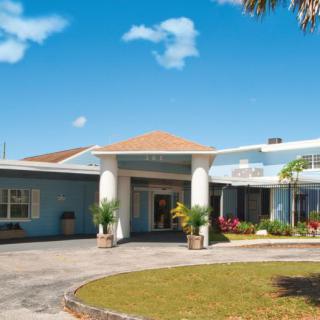
 Extensive amenities and services (dining, wellness, transportation, activities, beauty salon, and a 24/7 call system) for a high quality of life.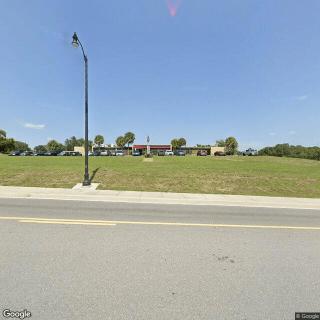
 Delving into the Inner World of Dementia: Insights into Thoughts and Awareness
 Five Subtle Dementia Indicators to Observe: An In-Depth Guide to Understanding “Does My Mom Have Dementia?”
 Dementia, Paranoia, and Caregiver Guidance: Understanding the Connection