Residents and visitors repeatedly describe the facility as very clean and well maintained.
Many reviewers emphasize that the building looks clean and spotless, including comments about it being odor-free and immaculate. A number of visits also mention residents looking well cared for and rooms/areas kept tidy. Even some less favorable comments still point to specific areas or staff members that remained attentive, while cleanliness is mostly described as a strength.
common24 reviews mention this
Staff kindness and responsiveness stand out
Staff members are frequently described as friendly, professional, and willing to help.
Across many reviews, visitors and families describe a welcoming reception, courteous interactions, and staff who are attentive to questions. Several comments also highlight nurses, CNAs, and therapists working together and treating residents with respect and dignity. At the same time, a minority of reviews mention moments where call-bell response or night support did not meet expectations.
differentiator9 reviews mention this
Rehab and therapy show progress
Rehabilitation therapy is a recurring reason families say they saw improvement.
Reviews frequently connect rehab stays with measurable day-to-day progress, including regaining strength and mobility with physical therapy. Multiple reviewers also praise therapists for being effective and for teaching families techniques to support recovery safely. Where negative reviews appear, they often cite concerns about therapy quantity or effectiveness, which reinforces how central therapy experiences are to how people rate their stay.
caveat6 reviews mention this
Food quality and portions vary
Food quality and meal service are inconsistent across reviews.
Several reviewers describe the food as well seasoned, tasty, and improving appetite, including comments from picky eaters. Other reviews are much more critical, describing bad food, portions that felt too small, or meals they felt were not handled properly. Because feedback runs both positive and negative, dining appears to depend heavily on individual experience and timing.
caveat5 reviews mention this
Night support and call response
Some reviews report slower help at night and problems answering calls promptly.
A few reviewers specifically mention that nights were harder to manage, with call-button response taking too long or private aids not getting the help they needed. Related comments also mention rooms being messier at night compared with mornings. There are also reviews that describe excellent responsiveness, so the pattern seems to be uneven rather than universal.
How we summarize
Counts show how many written reviews mention each theme; a review can touch several themes, and only frequently mentioned themes are displayed.
Features
Types of Care
Assisted Living
Independent Living
Memory Care
Skilled Nursing Facility
Amenities
Activities on-site
Devotional services off-site
Indoor common areas
Transportation
Fort Lauderdale-Hollywood International (8 miles away)
Care Services
Ambulatory care
Diabetic care
Dining
Meals provided
Activities
Activities on-site
Devotional activities offsite
Nearby Places of Interest
Pharmacies
Walgreens (1.3 miles)
CVS Pharmacy (1.3 miles)
Walgreens (1.4 miles)
Walgreens (1.5 miles)
CVS Pharmacy (2.8 miles)
CVS Pharmacy (2.9 miles)
Walgreens (3 miles)
Physicians
Pom MRI and Imaging Center (3 miles)
Care Resource (4.2 miles)
Arnoldo Ghitis, MD (4.5 miles)
Skin Institute (5.3 miles)
Eye Centers Of South Florida (5.6 miles)
Miami Cancer Institute | Plantation (5.7 miles)
Midland Medical Center (5.8 miles)
Parks
Central Broward Regional Park (3.1 miles)
Royal Palm Park (3.2 miles)
Deicke Park (5.1 miles)
Firefighters Park (5.6 miles)
Holiday Park (6 miles)
George English Park (7 miles)
Terramar Park (7.3 miles)
Hospitals
University Hospital And Medical Center (3.1 miles)
Yes, Westbrooke At Inverrary provides memory care services for residents with mild or advanced stages of dementia or Alzheimer's disease.
Nearby Communities
Life Care Center Of Inverrary
Lauderhill, FL
4.6 from 110 reviews
Caring staff with engaging activities and strong therapy services.
Garden Plaza at Inverrary
Lauderhill, FL
4.6 from 83 reviews
$2,244 to $3,825 / month
Friendly, attentive staff; clean, well-maintained apartments and ample on-site amenities.
The Bridge At Inverrary
Lauderhill, FL
4.1 from 15 reviews
Comprehensive amenities and 24/7 care support
Avenue Supportive Care
North Lauderdale, FL
4.4 from 24 reviews
Compassionate, professional staff who go above and beyond to care for loved ones, including using their own devices to connect families during the pandemic.
Qualcare Nurse Registry - Lauderhill, FL
Lauderhill, FL
4.5 from 16 reviews
Strong access to healthcare and nearby amenities (cafes, parks, pharmacies, physicians, restaurants, and a hospital).
Serenity Isles ALF Inc
Lauderdale Lakes, FL
5 from 2 reviews
Peaceful setting with diabetes care and off-site devotional activities.
Pacifica Senior Living Forest Trace
Lauderhill, FL
4.4 from 246 reviews
$3,725 to $3,950 / month
Beautiful park-like grounds with friendly staff and spacious, well-equipped units plus ample activities.
Oasis Living Quarters
Fort Lauderdale, FL
3.9 from 150 reviews
$3,195 to $5,295 / month
Friendly staff across dining, cleaning, activities, and maintenance; clean, recently renovated apartments with engaging activities.
NSPIRE Healthcare -Tamarac
Tamarac, FL
3.1 from 108 reviews
Compassionate social worker and positive feedback on meals and rehabilitation services.
The article highlights eight indicators that a loved one with dementia may require specialized memory care, emphasizing the emotional and logistical challenges families encounter in this decision. It discusses signs such as difficulties with daily tasks, safety concerns, and caregiver burnout, suggesting that memory care facilities can provide the necessary support and structured environments for those experiencing cognitive decline.
Dementia, primarily caused by Alzheimer's disease but also linked to other conditions, leads to cognitive decline impacting memory and daily functioning, with individuals experiencing varied awareness of their impairments. Despite memory loss, emotional connections persist, enabling responses to familiar stimuli, highlighting the need for caregivers to provide compassionate support that recognizes both limitations and retained emotional depth.
The article presents five subtle indicators of dementia, such as memory lapses and mood swings, to help families assess cognitive decline in loved ones. It emphasizes early detection, open communication, and seeking professional help while providing practical support steps.
Get PricingAsk A QuestionSchedule A TourContact Senior Advisor
By clicking submit, you agree to our Partner's Terms of Use. You
also consent to receive calls and texts, which may be autodialed, from our Partner. Your consent is not a condition to
using our Partner's service. Please visit our Partner's Privacy Policy for information about their privacy practices.

 Assisted Living
 Independent Living
 Memory Care
 Skilled Nursing Facility
 Activities on-site
 Devotional services off-site
 Indoor common areas
 Fort Lauderdale-Hollywood International (8 miles away)
 Ambulatory care
 Diabetic care
 Meals provided
 Caring staff with engaging activities and strong therapy services.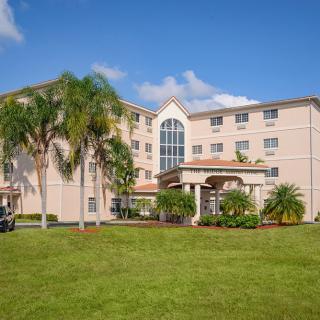



 8 Important Indicators That Memory Care May Be Necessary
 Delving into the Inner World of Dementia: Insights into Thoughts and Awareness
 Five Subtle Dementia Indicators to Observe: An In-Depth Guide to Understanding “Does My Mom Have Dementia?”