
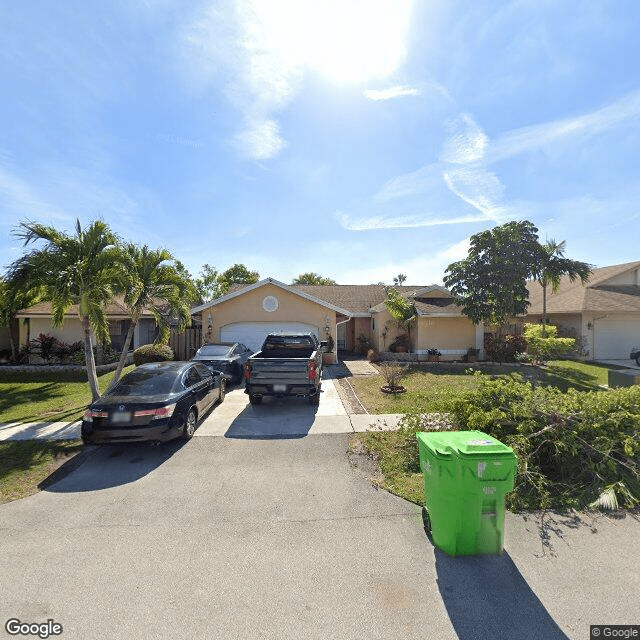
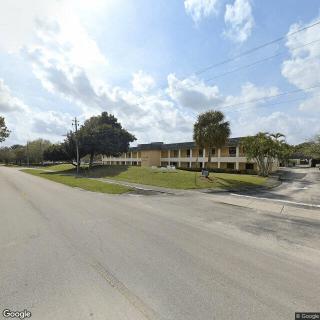
10620 North West 32Nd Street, Fort Lauderdale, FL 33351
For more information about senior living options: (866) 208-4318
Professional Health Care Group Costs & Pricing
The Professional Health Care Group offers competitive pricing for its services, particularly in comparison to both Broward County and the broader state of Florida. For semi-private rooms, the cost is $2,200 per month, which is significantly lower than the county average of $2,902 and the state average of $3,009. Likewise, their private rooms are priced at $3,200 each month, again offering a more affordable option compared to Broward County's typical rate of $3,725 and Florida's state average of $3,699. This positioning underscores Professional Health Care Group's commitment to providing high-quality care while maintaining accessible pricing for families and individuals seeking long-term health solutions.
| Floor plans | Professional Health Care Group | Broward County | Florida |
|---|---|---|---|
| Semi-Private | $2,200 | $2,902 | $3,009 |
| Private | $3,200 | $3,725 | $3,699 |
Assisted Living communities with a similar price nearby
-
from +$200 / mo
Ana's Assisted Living Facility
$2,400 / month10.6 miles away -
from -$200 / mo
Care and Love Retirement Home
$2,000 to $2,500 / month22.5 miles away -
About the same

Miami Jewish Home & Hospital for the Aged
$2,220 to $7,500 / month24.4 miles away -
About the same

Grand Villa Of Delray East
$2,195 to $4,495 / month22.6 miles away -
from -$200 / mo
Tender Touch Home Care
$2,000 to $3,000 / month12.5 miles away
Overall Review of Professional Health Care Group
Pros
 They turned them in to the Medicare fraud department.
- They filed complaints with the Better Business Bureau and Medicare.
- They sent the details to newspapers and local news stations to raise awareness.
Cons
 They are described as a scam that commits Medicare fraud by billing for a back brace that was never ordered or received.
- They send unprescribed medical equipment to Medicare recipients and coerce signing to authorize billing.
- They refuse to answer calls and will not pick up or retrieve the back brace.
- They are suspected of involving doctors and facilitating interstate fraud through shipments (e.g., via FedEx).
- They are labeled fraudulent by customers who have filed complaints with the BBB, Medicare, and other authorities.
Review
This operation is best understood as a cautionary signal rather than a viable option for families seeking legitimate elder-care services. Based on multiple accounts, there is effectively no audience among prospective residents or their families for whom Professional Health Care Group in Fort Lauderdale represents a sound, compliant choice. The reviews describe a pattern of unrequested medical equipment, improper billing to Medicare, and the perception of deliberate misrepresentation. In practical terms, this provider appears to attract attention from regulators and enforcement bodies, not from discerning seniors looking for trusted care and clear, accountable billing.
For families weighing alternatives, the message is clear: seek options with verifiable licensing, physician-driven care, and transparent, auditable billing. Anyone prioritizing documented prescriptions and a straightforward service trail should look elsewhere. The repeated themes, unneeded back braces billed to Medicare, shipments without orders, and difficulty obtaining responses or returns, signal a fundamental misalignment with responsible senior-care standards. Even when budget considerations are paramount, the risks of legal exposure, adverse impacts on Medicare coverage, and potential financial clawbacks far exceed any nominal savings.
The few so-called advantages suggested by the situation do not withstand scrutiny. The primary, if faint, “pro” would be access to devices billed to Medicare, yet this is precisely the behavior that triggers scrutiny and enforcement. The main cons, fraud allegations, unverified prescriptions, unreturned equipment, negligent customer service, and the specter of criminal or regulatory action, far eclipse any perceived benefit. The accumulation of complaints across multiple sources indicates a systemic issue rather than a one-off mistake, and thus there is no credible offset to the substantial downsides.
From a senior-care perspective, the risk is concrete and multifaceted. Medicare fraud concerns carry potential financial penalties, recoupment demands, and lasting implications for a resident’s medical records and coverage. The reports of poor communication and failed processes undermine timely access to necessary care and create uncertainties around responsibility for devices and services. In a decision arena where trust, safety, and long-term financial health are paramount, this provider’s pattern of conduct translates into a liability rather than a service, eroding the foundation needed for sound elder-care choices.
Practical guidance centers on rigorous due diligence and clear preventive steps. Families should avoid this provider entirely and instead verify licensure for any health-care or equipment-service partner, insist on physician orders for any durable medical equipment, and demand complete, written documentation of all services and billing. Check state and federal sources for licensing status and enforcement history, and consult Medicare/Medicaid and the Better Business Bureau for complaints and patterns. Require explicit pickup and return procedures for unsolicited equipment, and document all communications to prevent misunderstandings. When in doubt, escalate concerns to state attorney general offices or regulator hotlines to ensure protections are in place before any engagement.
In the end, the prudent conclusion is straightforward: align with vetted, compliant assisted-living and medical-equipment partners that demonstrate transparent contracts, verifiable credentials, and responsive, resident-centered service. Fort Lauderdale offers reputable options with established reputations for integrity; families should favor those with a demonstrable history of protecting residents from billing abuses and upholding physician-directed care. The focus remains on safety, clarity, and financial security for seniors; anything less is a high-risk choice that undermines the core goals of quality elder care.
 6 resident community capacity
 Assisted Living
 Board and Care Home
 Activities off-site
 Cable or satellite TV
 Dining room
 Fully furnished
 Garden
 Housekeeping services
 Indoor common areas
 Move-in coordination
 Outdoor common areas
 Private
 Private bathrooms
 Respite or short term stays offered
 Telephone
 Wheelchair accessible showers
 Wi-Fi/high-speed internet available
 Fort Lauderdale-Hollywood International (11 miles away)
 24-hour supervision
 Ambulatory care
 Assistance with bathing
 Assistance with dressing
 Assistance with transfers
 Diabetes diet
 Incontinence care
 Meal preparation and service
 Medication management
 Special dietary restrictions
 Transportation arrangement (medical)
 Transportation to doctors appointments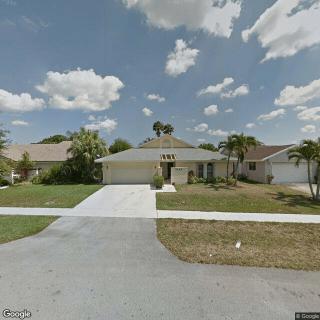


 Is Assisted Living Deductible on Your Taxes? Understanding the Complexities of Assisted Living Expenses and Deductions
 Assisted Living Support for Veterans: A Complete and Detailed Overview
 Exploring the Contrasts Between Assisted Living and Skilled Nursing