
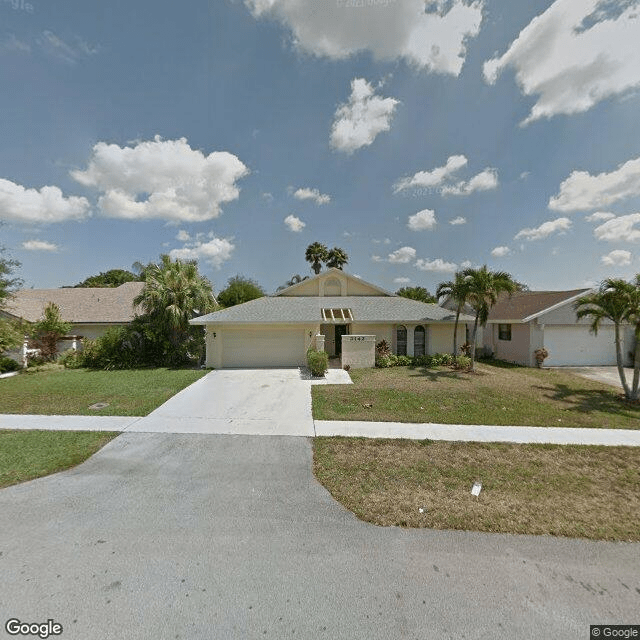
3142 North West 109Th Ter, Sunrise, FL 33351
For more information about senior living options: (866) 208-4318
Westbridge Assisted Living Facility Costs & Pricing
Westbridge Assisted Living Facility offers competitive pricing for its services when compared to both Broward County and the broader state of Florida. For a semi-private room, the monthly cost is $4,500, which significantly exceeds the county's average of $2,902 and the state average of $3,009. Similarly, both one-bedroom and private rooms are priced at $5,500 each; this is noticeably higher than Broward County's respective averages of $3,651 for a one-bedroom and $3,725 for a private room. When viewed in the context of overall assisted living costs in Florida, Westbridge positions itself on the premium end of the spectrum. While these rates reflect the quality and range of services available at Westbridge, they do present prospective residents with important considerations regarding affordability relative to local market options.
| Floor plans | Westbridge Assisted Living Facility | Broward County | Florida |
|---|---|---|---|
| Semi-Private | $4,500 | $2,902 | $3,009 |
| 1 Bedroom | $5,500 | $3,651 | $3,864 |
| Private | $5,500 | $3,725 | $3,699 |
Memory care communities with a similar price nearby
-
from +$345 / mo

The Sheridan At Cooper City
$4,845 to $6,100 / month9.3 miles away -
from -$700 / mo
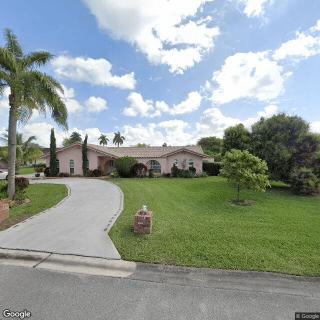
Coral Springs Country Club for Seniors
$3,800 to $4,500 / month7.1 miles away -
About the same

Vi at Aventura, a CCRC
$4,440 to $7,638 / month17.5 miles away -
from -$600 / mo
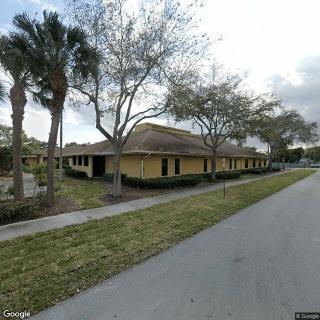
Dehoernle Alzheimer's Pavilion Inc.
$3,900 / month16.0 miles away -
from -$470 / mo
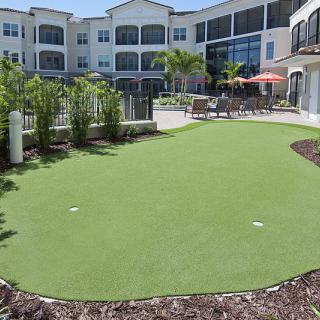
Allegro Parkland
$4,030 to $6,090 / month12.5 miles away
Overall Review of Westbridge Assisted Living Facility
Pros
 The staff are excellent and genuinely care for the residents.
- There is very little staff turnover, and caregivers tailor care to each resident’s needs.
- The facility feels like home, offering a warm, home-like environment.
- The owner is kind, accommodating, and easy to work with.
- The home is well-kept, clean, and pleasantly smelling.
- Meals are prepared to suit each resident and are presented attractively.
- The staff actively supports and assists residents with feeding when needed.
- The staff and management feel like family, making visits welcoming and comfortable.
Cons
 There are no activities for residents.
- Residents need regular stimulation and conversation, which is not provided.
- The community won't help according to the needs of a loved one.
- COVID restrictions limited the staff's ability to provide care.
- One must be okay with the resident's mental stage.
Review
Westbridge Assisted Living is best suited for families seeking a small, home-like setting where residents receive personalized, attentive care and where the administrative side feels almost like an in-home extension of family life. The community shines for seniors who need steady day-to-day support, especially those with dementia or mobility challenges, without demanding the medical intensity of a nursing home. It works best when family members value close relationships with staff, consistent care, and the reassurance that the administrator is accessible and responsive. Those attracted by a neighborhood, house-like atmosphere, where meals are tailored to individual preferences and visits are easy and frequent, will find Westbridge a compelling fit.
The strongest positives sit in the daily human dynamics. A small, intimate footprint creates a sense of “home,” not a hallway of anonymous residents. The staff, particularly the weekday team, are capable of forming genuine connections, learning resident preferences, and adjusting meals or routines to fit individual tastes. The owner is notably accommodating and approachable, which translates into fewer gaps in communication and a quicker response to concerns. Residents are treated with warmth, and families repeatedly describe the environment as caring and respectful, with meals prepared to suit each person. The facility’s cleanliness and the general upkeep reinforce a feeling of safety and pride in care, with visits welcomed and easy to arrange.
Equally meaningful is the sense of continuity and trust. Long-tenured staff reduce turnover and foster familiarity, so conversations with caregivers feel meaningful rather than transactional. Families report detailed updates and a willingness to involve relatives in daily life, which lowers anxiety for out-of-town caretakers. The home setting, where staff know residents’ routines, and the option to visit spontaneously contribute to a stable, low-stress environment that often translates into better mood and cooperation from residents. This stability is complemented by practical touches: meals presented attractively and adapted to preferences, and staff who step in to assist with feeding when needed.
Yet the setting does have limits that deserve real consideration. The organization operates as a small, intimate home rather than a high-energy activity engine. Several reviews note a shortage of ongoing, structured programming to keep residents highly engaged throughout the day, beyond a weekly music session. For families seeking rich social programming, calendar variety, or specialized memory-care activities, Westbridge may feel short on options. Some residents may require more stimulation or a higher level of cognitive engagement than the home setting routinely delivers. In practice, Westbridge blends excellent personal care with a quieter, less programmatic rhythm that can be perfectly suitable for many, but not for all.
These trade-offs are not failures so much as design choices that shift the value proposition. The pros, tight-knit staff, a true home ambiance, highly responsive administration, and heavily individualized care, offset the main drawbacks by delivering predictable, compassionate support in a surrounding that feels peaceful and familiar. For families who prioritize trust, easy communication with leadership, and a living-room feel over a hospital-like atmosphere, the advantages outweigh the fewer daily activities. In short, the setting buys personalization and steadiness at the expense of a busier activity calendar; for the right resident, that exchange is well worth it.
For families evaluating options, the decisive questions are practical. Is the resident comfortable with a small community where staff know names, preferences, and dietary needs? Will the absence of a full daily activity program be offset by the comfort and routine of a home-like day? How important is it to have immediate, direct access to the administrator for updates or concerns, and how does that transparency align with family communication norms? If the answer leans toward “yes” to high touch, low turnover, and a tight-knit atmosphere, Westbridge presents a compelling case.
Ultimately, Westbridge is a strong choice for seniors who flourish in intimate, caretaker-led environments and for families seeking honest, hands-on administration with a personal touch. It may be less suitable for residents who require intensive programming, vigorous social engagement, or higher-acuity medical or behavioral supports. In those cases, considered alternatives, larger assisted living communities with built-in activity directors or dedicated memory-care wings, may deliver the pace and structure that Westbridge does not emphasize. For families ready to trade some breadth of programming for depth of relationship, this facility earns serious consideration and warrants a close look.
 6 resident community capacity
 Assisted Living
 Board and Care Home
 Day Program
 Memory Care
 Bath tubs
 Cable or satellite TV
 Dining room
 Fully furnished
 Garden
 Housekeeping services
 Indoor common areas
 Move-in coordination
 Outdoor common areas
 Private
 Respite or short term stays offered
 Telephone
 Wheelchair accessible showers
 Wi-Fi/high-speed internet available
 Fort Lauderdale-Hollywood International (11 miles away)
 24-hour supervision
 Ambulatory care
 Assistance with bathing
 Assistance with dressing
 Assistance with transfers
 Diabetes diet
 Diabetic care
 Incontinence care
 Meal preparation and service
 Medication management
 Special dietary restrictions
 Transportation arrangement (medical)
 Transportation to doctors appointments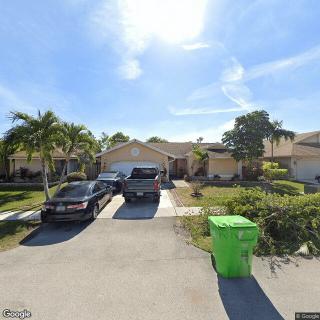


 22 Remarkable Caregiver Support Groups Available Online and In-Person
 Understanding Medicaid Coverage for Assisted Living: A Comprehensive Guide
 How and When Medicaid May Cover Assisted Living Costs