
1560 Sawgrass Corporate Pkwy 4th floor, Sunrise, FL 33323
For more information about senior living options: (866) 208-4318
Overall Review of Preferred Care at Home of Davie, Plantation, and Sunrise, FL
Pros
 Preferred Care at Home is consistently the most helpful for any situation.
- Brandon, the owner, is highly responsive and professional, and goes above and beyond to help families.
- The home care agency provides quality care in nearly every satisfaction category.
- The caregivers love their jobs and genuinely make a difference in clients’ and their families’ lives.
- Choosing Preferred Care at Home gives confidence in receiving exceptional care and service.
- Brandon is a recommended contact for home services and is always available to answer questions.
Review
Preferred Care at Home of Davie, Plantation, and Sunrise is best suited for families seeking intensely personal, dependable in-home support with a single, accessible leader driving care decisions. The model centers on Brandon, the owner, who builds real relationships and stays hands-on from the first contact through discharge and into ongoing service. Ideal clients are seniors transitioning from rehab or needing bridging care at home, where consistent communication, flexible scheduling, and caregivers who truly listen make a practical difference. This approach emphasizes continuity of care through close engagement with both client and family, a feature that translates into tangible stability when daily routines depend on reliable support.
Those evaluating options should consider that this level of hands-on leadership and relationship-driven service may not fit every situation. Families seeking licensed nursing oversight around the clock, extensive medical tasks, or access to a large, payroll-to-network staffing pool may find alternatives more suitable. The boutique, owner-led model naturally concentrates strength in responsiveness and personalized attention, but it can stretch at times if demand spikes or a preferred caregiver becomes unavailable. For plans that include complex medical administration or require broad coverage across multiple households, confirm how these needs would be met within a smaller operation.
The strongest advantage lies in the immediacy of support and decision-making. Brandon’s availability turns questions into quick answers and recommendations into actionable plans, a powerful offset to the friction often found with larger agencies. The structure of two caregivers, one in the morning and one in the evening, offers reliable daily coverage and reduces gaps in attention, helping families maintain a steady routine. Caregivers described as genuinely enjoying their work contribute a positive energy that translates into attentive, compassionate care. That level of personal accountability and warmth is rare in larger, more process-heavy organizations and can materially improve day-to-day quality of life for clients.
Care quality, as reflected in the care patterns observed, tends to be consistently solid across practical needs: assistance with activities of daily living, monitoring, and responsive problem-solving. The caregiver-client relationships foster a sense of trust and security for families navigating transitions from hospital or rehab settings back to home life. When care plans hinge on clear communication and rapid adaptation, the available team’s willingness to adjust and listen becomes a critical asset. In practical terms, households experience fewer miscommunications, clearer instructions for daily routines, and a smoother, more predictable caregiving rhythm.
Still, prudent decision-making calls out reasonable caveats. A boutique, owner-driven operation can depend heavily on Brandon’s bandwidth; if the owner is momentarily unavailable, there may be a lag in scheduling or issue resolution. The staff size, while capable, may not offer the same breadth of coverage as a larger network, and that can translate into limited scalability or higher costs relative to bigger providers. Yet these potential downsides are largely counterbalanced by the strengths: high-touch responsiveness, tight caregiver alignment with client needs, and a proven ability to tailor services to shifting conditions without bureaucratic delays. For families who prize immediacy and a personal touch, these trade-offs often prove worthwhile.
Decision-makers weighing options should view this as a strong fit for seniors who want a deeply personalized, relationship-driven home care experience with direct access to a thoughtful owner and a consistent two-aide schedule. It is particularly compelling for those transitioning from rehab who value continuity, reliability, and emotionally reassuring caregiver relationships. Alternatives should be pursued for scenarios demanding round-the-clock nursing supervision, large-scale staffing with nationwide resources, or more standardized pricing structures. Prospective clients should verify caregiver matching criteria, scheduling flexibility, background checks, and the possibility of a short trial period to confirm fit. Engaging Brandon in a direct conversation about care plans, staffing logistics, and contingency arrangements will reveal how precisely the service can be tailored to meet individual needs and family expectations.
 Fort Lauderdale-Hollywood International (11 miles away)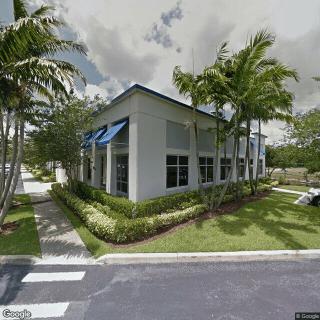


 8 Essential Assistive Devices for Older Adults
 Navigating the Financial Road to Nursing Home Care: In-Depth Guidance and Resources
 Supportive Employee Benefits That Help Caregivers Attain Better Work-Life Harmony