
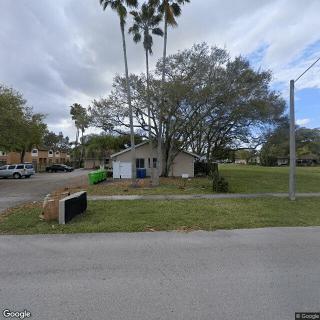
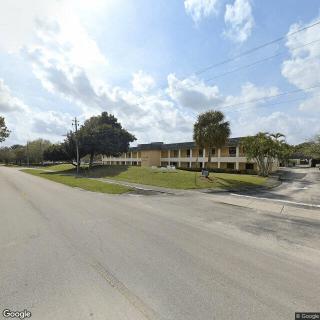
9811 North West 31St Place, Fort Lauderdale, FL 33351
For more information about senior living options: (866) 208-4318
Overall Review of Golden Age Seniors Of Sunrise
Cons
 The ALF is described as mainly for older dementia residents, which excludes younger residents.
- The staff are not educated to deal with younger mental illness residents.
Review
Golden Age Seniors Of Sunrise is best suited for families seeking a dementia-centered assisted living option for an aging loved one. The community appears structured around older adults with memory impairment, delivering daily living support within a memory-care oriented environment. For families managing a dementia diagnosis and aiming to keep a relative in a local, non-nursing setting, Golden Age presents a clear path that prioritizes routine, safety, and predictable interactions tailored to late-life cognitive decline. This is not a generalist facility; it is a setting where memory-care routines and environment dominate the care model.
Those with younger residents or individuals whose needs include robust mental-health support may want alternatives. The reviewed feedback flags staff education gaps when confronted with younger mental illness residents, signaling potential risk for inadequate crisis management or tailored behavior plans. In such cases, seek facilities that explicitly advertise care for younger adults with psychiatric needs, or consider centers with dual-diagnosis programs and stronger psychiatric oversight, as well as settings with higher medical acuity if rehabilitation, complex medication management, or more intensive behavioral health support is anticipated.
On the upside, a dementia-oriented design can deliver tangible benefits: safer spaces, predictable daily schedules, and staff who are accustomed to common dementia-related behaviors. Those advantages can translate into steadier routines, reduced confusion, and safer, more manageable daily activities for elderly residents who fit the dementia profile. Yet these strengths largely offset only dementia-specific needs. The principal drawback is a mismatch for residents who do not fit that profile or who require mental-health interventions beyond memory care, because the available staff competencies may not extend into the level of psychiatric assessment, crisis intervention, or tailored behavior modification that younger residents or those with complex behavioral health needs require.
Operational realities should be examined with precision. Staffing expertise, caregiver-to-resident ratios, and ongoing training in dementia best practices determine whether the perceived advantages translate into reliable day-to-day care. Tours should focus on how staff respond to agitation, communication challenges tied to memory loss, and the facility’s capacity to monitor medication adherence and wandering. Care plans ought to reflect dementia-specific strategies rather than generic assisted-living approaches. Red flags include indications of uncertainty when encountering non-dementia presentations, reactive rather than proactive care, and a lack of collaboration with medical providers experienced in geriatrics and memory care.
The decision process should emphasize clarity of care fit and evidence of capability. Families should request a detailed care assessment, inquire about staff credentials and continuing education, and pursue a trial period if possible. Compare Golden Age with other options that advertise dual-diagnosis capabilities or higher-acuity medical oversight when needed. Verify that activities and social engagement are memory-care appropriate, and confirm that transportation, meals, and medication management align with the loved one’s requirements. When mental-health needs extend beyond late-life cognitive decline, the prudent path is to pursue alternatives with proven, specialized support.
Bottom line: Golden Age Seniors Of Sunrise functions best as a dementia-focused option for older adults whose primary needs revolve around memory care and daily assistance in a controlled, familiar environment. The stated strength, the dementia-oriented setting, does not compensate for a substantial gap in staff training for non-dementia mental illness or younger populations. This community is not a fit for residents with significant psychiatric needs outside dementia care, nor for families seeking robust mental-health interventions within an assisted-living frame. If the care requirements extend beyond late-life cognitive decline, it is wise to explore alternatives that offer targeted behavioral health expertise, stronger psychiatric support, and clearer alignment with the resident’s overall health trajectory.
 6 resident community capacity
 Assisted Living
 Board and Care Home
 Respite Care
 Cable or satellite TV
 Dining room
 Fully furnished
 Garden
 Housekeeping services
 Move-in coordination
 Outdoor space
 Telephone
 Wi-Fi/high-speed internet available
 Fort Lauderdale-Hollywood International (10 miles away)
 24-hour supervision
 Activities of daily living assistance
 Assistance with bathing
 Assistance with dressing
 Assistance with transfers
 Diabetes diet
 Meal preparation and service
 Medication management
 Special dietary restrictions
 Transportation arrangement (medical)
 Transportation to doctors appointments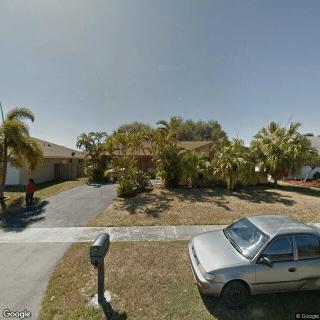
 Engaging activities with personalized care and private accommodations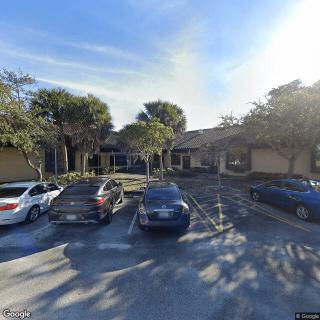



 How and When Medicaid May Cover Assisted Living Costs
 A Detailed Exploration of Assisted Living Medicaid Waivers Across the United States
 Comprehensive Residential Support and Assisted Living Solutions for Individuals with Disabilities