
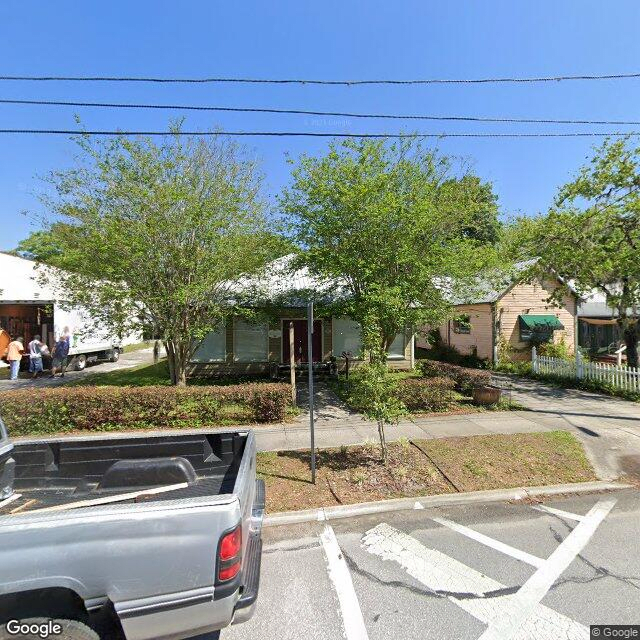
20625 W Pennsylvania Ave, Dunnellon, FL 34431
To contact a resident: (352) 489-6392
For more information about senior living options: (866) 208-4318
Overall Review of White House
Pros
 They do great at helping those in need.
- They are compassionate from the thrift store to the pantry, with hearts of gold.
- They are always helpful.
- The thrift store is great.
- Annie Johnson Food Pantry blessed families with food today and is full of beautiful people inside and out.
- There are good finds on housewares, despite older items and clutter.
- The volunteers inspire everyone to jump in and lend a hand.
- The place is very good with nice, friendly people who provide helpful assistance.
- It is a great place for thrift buys, food assistance, and more, especially for seniors.
- They provide thrift store items and food for seniors and those in need, plus information about food stamps and utility assistance.
Cons
 Older items, cluttered shelves.
- The older items and cluttered shelves were drawbacks.
Review
White House in Dunnellon is best suited for seniors who want practical, low-cost access to everyday essentials within a warm, community-driven setting. It operates as a thrift store with an integrated food pantry, powered by volunteers who bring genuine care to those in need. For older adults trying to stretch limited resources, the site offers dependable access to affordable housewares and groceries, along with guidance on social programs that can ease bills and basic needs. The prevailing tone is compassionate, with an emphasis on neighbor-helping-neighbor support rather than formal care. This is not a medical or memory-care residence; it is a community hub that can lessen daily burdens through generosity and shared resources.
Those requiring round-the-clock supervision, medications administered on site, or structured daily activities should consider alternatives. The White House model appears volunteer-driven and does not present itself as a care facility with medical oversight. Families should compare this option with traditional assisted-living communities or in-home health services that provide constant monitoring, personalized care plans, and clearly defined staffing. For seniors with significant mobility or safety concerns, the absence of on-site nursing or professional caregiving means a different solution will be necessary to meet those needs.
The strongest positives lie in the human quotient: a cadre of dedicated volunteers who create a welcoming, supportive atmosphere, particularly for seniors who may feel isolated or strapped for resources. The thrift store and food pantry are reliable assets, offering affordable essentials and a channel to receive practical help with food stamps and utility bills when needed. The longevity and consistency of the volunteer base foster trust and a sense of belonging, which can be invaluable for emotional well-being and social connection. In short, the intangible benefits, kindness, dignity, and community, not only soften financial stress but also counterbalance some gaps in formal care.
A potential drawback is the resource-limited, volunteer-driven structure that can lead to variability in availability and a less organized presentation of items. Reviewers describe older stock and clutter in the thrift areas, which may reflect constrained funding rather than poor service, yet it can affect the ease with which seniors find what they need. More critically, the absence of on-site healthcare oversight means medical emergencies, medication coordination, or daily safety oversight fall outside this setting’s remit. Families should weigh whether the environment’s warmth and practicality compensate for the lack of professional care and the potential for inconsistent assistance.
Practically, this community shines when used as a supplemental lifeline rather than a primary care solution. For families, the value lies in steady access to groceries, household goods, and pragmatic help with public benefits, which can blunt the financial sting of aging. To maximize value, plan visits at various times to gauge consistency of service and to understand what kinds of support can be reliably obtained. Inquire about the scope of assistance with food stamps, electricity or water bills, and other essentials, as these touches are part of the core offering. This is a prudent addition to a broader care strategy, not a standalone substitute for formal assisted living or clinical oversight.
Ultimately, White House should be viewed as a strong, compassionate resource for seniors who can navigate daily living with limited supervision and who prize community connection over institutional care. It excels at reducing isolation, lowering costs for basics, and providing a peer-supported safety net. For families whose priority is robust 24/7 caregiving, medical management, or specialized memory care, alternatives that deliver professional staffing and structured programming are the prudent path. When used as part of a layered approach, community support paired with appropriate in-home or facility-based care, it becomes a powerful ally in sustaining independence, dignity, and financial viability in later years.
 Board and Care Home






 Caring for Those Who Care: Recognizing, Understanding, and Overcoming Caregiver Burnout
 Caregiver Exhaustion: Recognizing the Signs and Restoring Your Well-Being
 Understanding Hospice Care at Home: Comprehensive Services, Key Benefits, and Eligibility