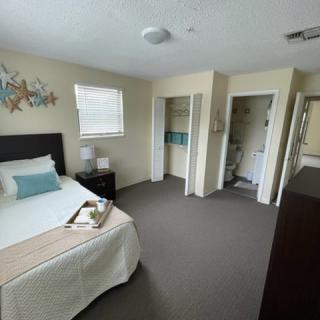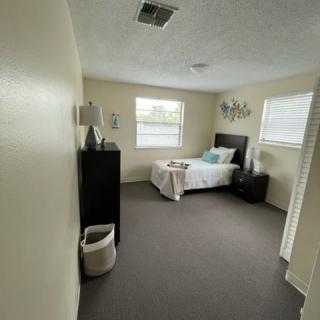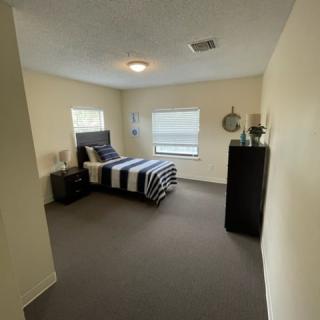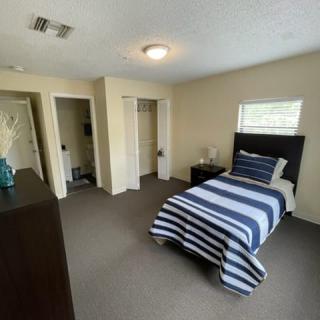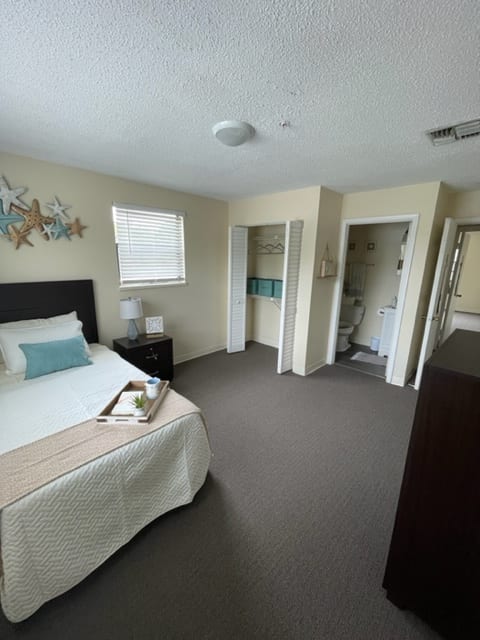
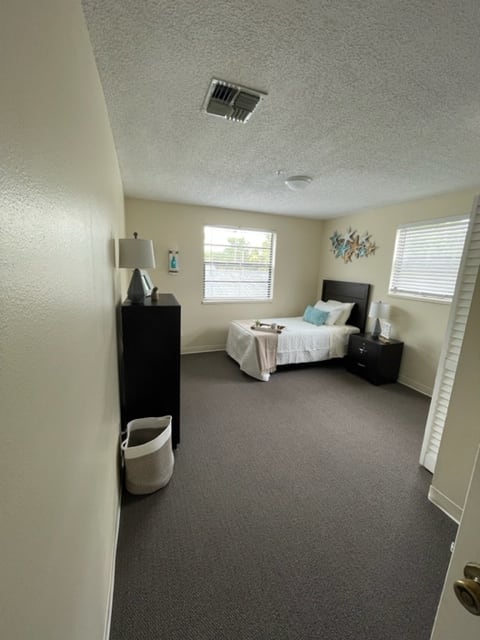
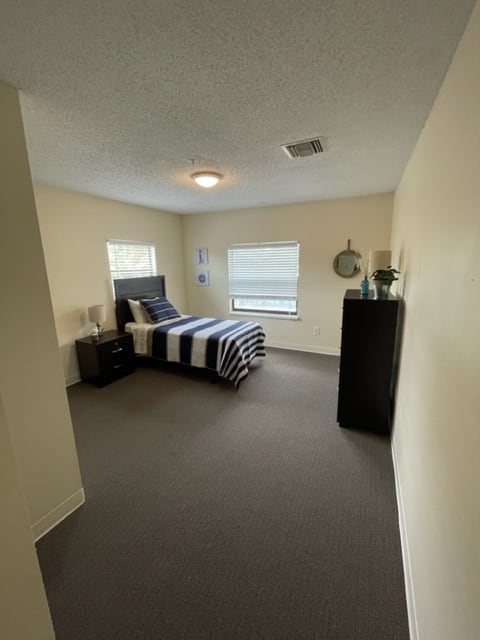
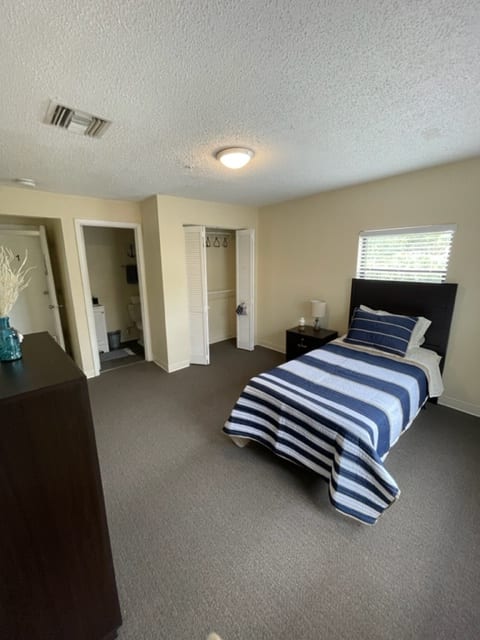
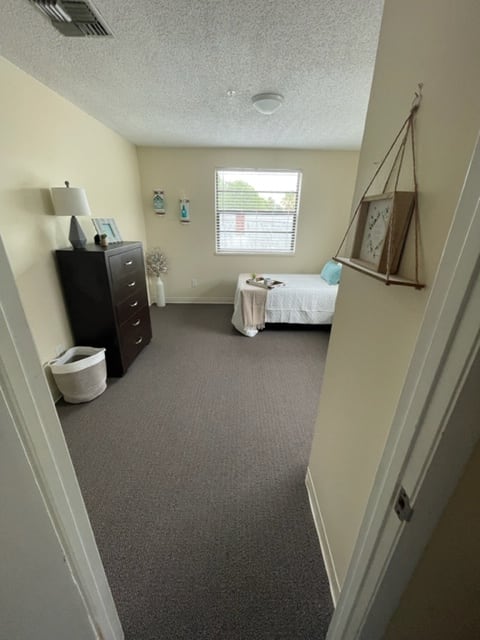
220 Scotland St, Dunedin, FL 34698
To contact a resident: (727) 734-5337
For more information about senior living options: (866) 208-4318
Stirling House 2 Costs & Pricing
Stirling House 2 offers competitive pricing for its accommodations compared to the broader market in Pinellas County and the state of Florida. For a semi-private room, residents will pay $2,400 per month, which is notably lower than the county average of $2,765 and significantly more affordable than the state average of $3,009. Similarly, their studio apartments are priced at $3,300 per month, again undercutting both the county's average of $3,598 and the state's higher average of $3,823. This positioning not only reflects Stirling House 2's commitment to providing accessible housing options but also highlights its value within the local senior living landscape.
| Floor plans | Stirling House 2 | Pinellas County | Florida |
|---|---|---|---|
| Semi-Private | $2,400 | $2,765 | $3,009 |
| Studio | $3,300 | $3,598 | $3,823 |
Assisted Living communities with a similar price nearby
-
from -$400 / mo
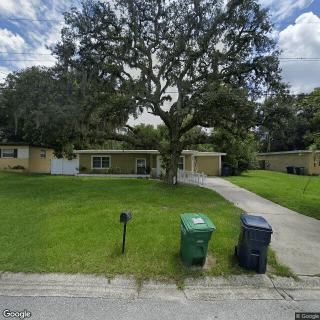
Assisted Living Facility Morning Dew
$2,000 to $2,500 / month22.6 miles away -
from +$100 / mo

Mi Bello Hogar Living Facility
$2,500 / month17.8 miles away -
from -$410 / mo

Cabot Cove of Largo Assisted Living & Memory Care
$1,990 to $3,145 / month7.3 miles away -
from +$200 / mo
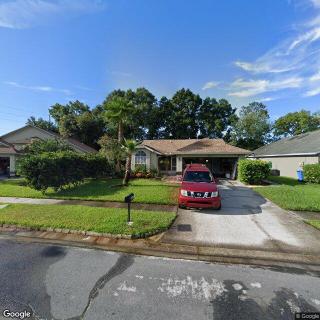
Hilda's Home Care Alf
$2,600 to $2,800 / month13.2 miles away -
from +$95 / mo
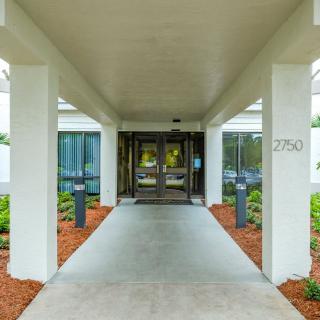
Grand Villa of Clearwater
$2,495 to $3,295 / month5.0 miles away
Overall Review of Stirling House 2
Pros
 Under new management, the facility offers refreshed leadership.
- It is a small, family-oriented assisted living with a beach town feel.
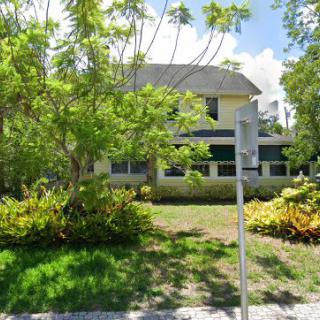
- It is located steps away from the marina and downtown Dunedin.
- It is the perfect place for someone who may need some assistance with an independent feel.
Cons
 None found in the provided text.
Review
Stirling House 2 is best suited for seniors who want assistance without surrendering a sense of independence, delivered in a small, family-oriented setting. The community reads as a personal, neighborly home rather than a large institutional operation, with a beach-town atmosphere that aligns with Dunedin’s waterfront character. The relocation of control to new management is felt in the emphasis on individualized attention and a giver’s-eye view of each resident’s daily routine. Located steps from the marina and the heart of downtown, it offers immediate access to short strolls, casual errands, and neighborhood gatherings. This combination tends to attract residents who value a warm, informal environment over formal, large-scale programming.
Those who may want to consider alternatives are residents requiring robust, 24/7 medical oversight or specialized care. A larger community with a full-time nurse staff, extensive memory-care options, and a broader calendar of structured activities could be more appropriate for individuals with complex health needs or a desire for a more comprehensive care ecosystem. Families should also weigh whether a bigger campus with more on-site amenities and dedicated departments would better support someone who thrives on predictability and a wide range of social or therapeutic programs.
The core strengths, intimacy, personalized attention, and a home-like cadence, matter most when care needs are moderate and autonomy remains a priority. Small size can translate into better staff-to-resident ratios, quicker response times, and more meaningful conversations at the table or in the living room. The new management brings potential benefits: a refreshed sense of accountability, tighter communication with families, and quicker implementation of resident-centered adjustments. These advantages help offset concerns about a less expansive activity calendar or fewer on-site specialists, especially for residents who prize continuity and a familiar routine.
The waterfront location is a practical plus for daily living. The proximity to the marina and downtown creates natural opportunities for light recreation, casual meals out, and social connections with neighbors, which can be a meaningful supplement to in-house programming. For independent-minded residents who prefer to dictate their own pace, this is a major win. However, the same setting can introduce seasonal variability in noise, traffic, and crowds, potentially affecting quiet time and parking access. Weighing these environmental factors against the desire for a serene, home-like atmosphere is essential for decision-making.
Prospective residents should verify several practical details before moving in: exact staffing levels by shift, the availability of a licensed nurse or on-call clinician, the process for escalating care if health status changes, and the scope of transportation and activity programming. Clarify what meals look like in a typical day, how housekeeping and laundry are handled, and whether a consistent care plan is documented and reviewed with families. Cost structure and potential fee increases with changes in care level deserve careful consideration. When the goal is to preserve independence within a supportive, intimate setting, Stirling House 2 delivers a compelling fit; when comprehensive medical services and expansive programming are non-negotiable, alternatives warrant serious exploration.
 Assisted Living
 Activities on-site
 Devotional services off-site
 Indoor common areas
 St. Petersburg-Clearwater International (9 miles away)
 Ambulatory care
 Diabetic care
 Meals provided


 Comprehensive Insights into Activities of Daily Living (ADLs) and Their Assessment
 Guiding Elderly Parents Who Refuse Assisted Living: 6 Practical Steps
 Your Comprehensive Guide to Luxury Assisted Living: Elevated Facilities, Amenities, and Costs