
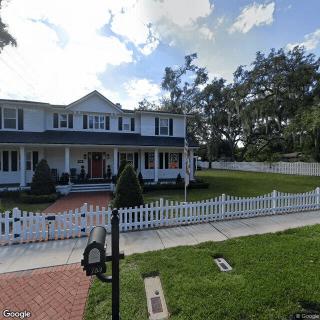
541 Park Street, Dunedin, FL 34698
For more information about senior living options: (866) 208-4318
Overall Review of Park Place Assisted Living
Pros
 Park Place of Dunedin is described as an oasis in a world of ALFs and Nursing Homes in Pinellas County, Florida.
- The facility is charming, clean, and well managed.
- The owners, Jim and John, and their excellent staff are fully trusted.
- Park Place treats everyone as family and feels like a home away from home.
- The setting is beautiful, with superb, clean surroundings and daily home-cooked meals in antique-filled dining rooms.
- The staff keep a vigilant watch over residents and help keep them moving and engaged.
- The location is perfect, within walking distance to doctors, hospital, restaurants, and downtown Dunedin.
- The reviewers express utmost confidence in recommending Park Place for a loved one.
Cons
 They no longer can care for themselves safely.
- Relocating is never easy and comes with its challenges.
Review
Park Place Assisted Living in Dunedin, FL is best suited for seniors who crave a warm, home-like atmosphere and a tightly run, people-first community. It works for families who value stability, a small-house feel, and hands-on attention from owners and staff. The setting, antique-filled dining rooms, well-kept grounds, and a location within easy reach of doctors, hospitals, restaurants, and downtown Dunedin, appeals to residents who want convenience without the impersonality of a large campus. In short, Park Place is ideal for older adults who prefer a sense of family, a predictable routine, and personalized oversight over their daily lives.
Those whose needs are more medical or require robust 24/7 skilled nursing should consider alternatives. The experiences described suggest Park Place excels as an assisted living option with vigilant daily oversight, but it is not portrayed as a large-scale medical facility. Families facing escalating health demands, complex wound care, or extensive on-site nursing support may find that this community cannot match the acuity levels available at larger nursing homes or specialized memory-care campuses. For residents who expect a full continuum of medical services on site, another option with stronger on-site clinical resources would be prudent to explore.
From the resident families’ perspective, the strongest pro is the staff’s evident commitment and the owners’ hands-on stewardship. The accounts describe a 'home away from home' where residents are treated like family, kept moving and engaged, and watched vigilantly over. The facility’s cleanliness, charm, and orderly management are repeatedly highlighted, reinforcing a sense of safety and reliability. The meals, home-cooked and enjoyed in a welcoming dining room, add comfort and routine that many aging adults prize. Coupled with a convenient, walkable location near medical resources and amenities, these elements make daily life predictable and pleasant.
However, the main con to watch is the potential need for relocation if medical needs outgrow assisted living capabilities. The mother’s experience, progressing toward extended skilled care and relocating, illustrates a natural boundary for Park Place. That boundary isn’t a weakness so much as a reality for families prioritizing intimate, community-based care. The offset comes through the very factors that define the community: a tight-knit staff that knows residents well, responsive care, and a stable, respectful environment. For many, these benefits far outweigh staying put in a place that cannot accommodate rising clinical needs, but awareness of the ceiling is essential in planning.
Decision-making should weigh the trade-off between a small, affectionate setting and the breadth of medical services offered on site. Park Place’s charm, attentiveness, and focus on meaningful daily life provide substantial value to families seeking continuity and emotional comfort. The practical realities, limited on-site nursing depth and the potential necessity of a future move to another facility if care needs intensify, give clarity about scope. Those who prize a strong sense of community, convenient location, and consistent routine will find the upsides decisively convincing; those needing frequent clinical interventions or a broader activity slate may find alternatives more suitable.
Planners considering Park Place should arrange a real-time visit to gauge fit: meet the owners, observe the daily interactions between staff and residents, and sample meals. Ask about staffing ratios, on-site medical services, and what happens if health declines. Confirm costs, what is included, and whether any tiered care is available if needs evolve. With its proven track record of trust, personal attention, and a genuinely home-like environment, Park Place stands out as a compelling choice for families prioritizing warmth and stability over scale and clinical breadth.
 15 resident community capacity
 Assisted Living
 Board and Care Home
 Respite Care
 Cable or satellite TV
 Dining room
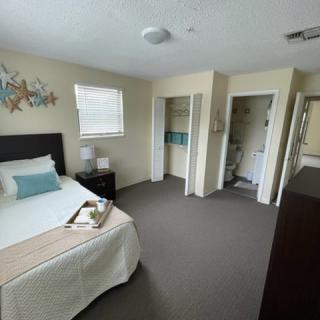
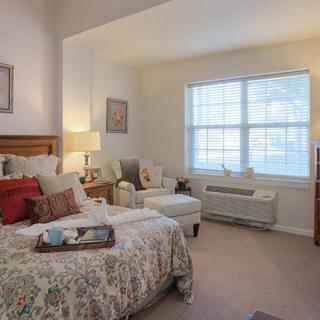
 Fully furnished
 Garden
 Housekeeping services
 Move-in coordination
 Outdoor space
 Telephone
 Wi-Fi/high-speed internet available
 St. Petersburg-Clearwater International (9 miles away)
 24-hour supervision
 Activities of daily living assistance
 Assistance with bathing
 Assistance with dressing
 Assistance with transfers
 Diabetes diet
 Meal preparation and service
 Medication management
 Special dietary restrictions
 Transportation arrangement (medical)
 Transportation to doctors appointments





 Exploring the Contrasts Between Assisted Living and Skilled Nursing
 8 Key Indicators That Suggest It May Be Time to Transition from Assisted Living to Skilled Nursing Care
 Vibrant Senior Living: A Comprehensive Guide for Active Older Adults