


603 Virginia Street, Dunedin, FL 34698
For more information about senior living options: (866) 208-4318
Overall Review of Mease Manor Memory Care
Pros
 The care at Mease Memory Care is excellent, and residents are treated like family.
- It offers a roster of activities and wide open spaces that residents enjoy.
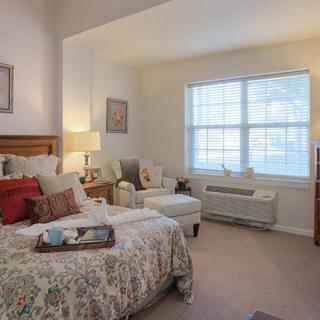
- Mease Memory Care is not drab or dreary; it is a lovely home where residents are treated like family.
- The staff are friendly and make visitors feel welcome.
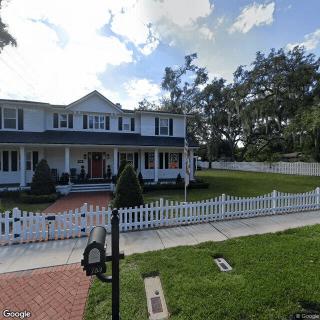
- The facility is beautiful and provides many activities for the clients.
Review
Mease Manor Memory Care in Dunedin, Florida is best suited for families seeking a warm, activity-rich, home-like environment for a loved one whose memory impairment benefits from attentive, personable care. The two published experience notes describe excellent day-to-day care, a broad roster of activities, and wide-open spaces that feel inviting rather than institutional. The facility is portrayed as a beautiful, welcoming home where residents are treated like family, with staff who cultivate a sense of belonging. For families prioritizing social engagement, meaningful routines, and a setting that feels comfortable and familiar, this community stands out as a strong match.
Those evaluating Mease Manor should also consider who may want alternatives. The memory-care niche demands specialized oversight, and families needing high-acuity medical support or a more clinical environment may prefer a larger operation with deeper medical staffing or a different care model. The current reviews are encouraging but limited in scope, only two sources, both positive. Prospective residents and families should plan a direct visit to assess whether the resident’s needs align with the care approach, and to compare with other nearby options to ensure the fit is comprehensive.
The strongest pros center on vivid daily life and personal connection. Care quality, as described by the reviewers, appears thoughtful and attentive, with staff that feel genuinely friendly and welcoming. The robust activity calendar and the emphasis on open, non-restrictive spaces support social interaction, cognitive stimulation, and safe mobility. These elements translate into practical benefits: residents are engaged rather than isolated, family involvement feels natural and supported, and the environment reduces the sense of confinement that can accompany memory care. In short, the programmatic warmth helps offset the emotional and behavioral challenges common to memory loss.
Another notable strength is the sense of community fostered by the staff. Reviewers note not only competent care but also a feeling of being welcomed and valued, which in memory care can significantly affect mood, cooperation with care plans, and overall quality of life. The enthusiasm for activities and the outpouring of friendliness create a reassuring atmosphere for families who fear leaving a loved one in an unfamiliar setting. When staff deliver consistency, patience, and attentive interaction, families often experience less guilt and more confidence about daily care decisions.
However, several important gaps emerge from the available information. Cost is not discussed, and no specifics are provided about staffing ratios, training depth, or the breadth of medical supports within the memory-care program. There is no longitudinal data to gauge how residents progress over time or how crises are managed. The limited sample size, two reviews, means there is a higher risk of a skew toward particularly positive experiences. Families should approach with a plan for a thorough interview, a guided tour, and direct questions about daily routines, care plan customization, safety features, and the facility’s approach to memory-specific challenges.
The bottom-line decision guidance is clear. Mease Manor Memory Care is a compelling option for families seeking a home-like, engagement-focused memory-care environment with consistently friendly staff and plentiful activities. It seems especially well-suited for residents in early to mid-stages of memory loss who respond to social programming and a warm, familial atmosphere. For those requiring higher medical acuity, a more clinical setting, or a larger operation with more extensive on-site medical resources, alternatives should be explored. A well-informed choice will come from visiting, reviewing the daily schedule, interviewing care managers, and confirming that the resident’s care plan aligns with the specific memory-care needs and safety expectations.
 36 resident community capacity
 Assisted Living
 Memory Care
 Beauty salon
 Cable or satellite TV
 Dining room
 Fully furnished
 Garden
 Housekeeping services
 Kitchenette
 Move-in coordination
 Outdoor space
 Restaurant-style dining
 Small library
 Telephone
 Wi-Fi/high-speed internet available
 St. Petersburg-Clearwater International (9 miles away)
 24-hour call system
 Activities of daily living assistance
 Assistance with bathing
 Assistance with dressing
 Assistance with transfers
 Diabetes diet
 Medication management
 Mental wellness program
 Special dietary restrictions





 8 Important Indicators That Memory Care May Be Necessary
 Delving into the Inner World of Dementia: Insights into Thoughts and Awareness
 Five Subtle Dementia Indicators to Observe: An In-Depth Guide to Understanding “Does My Mom Have Dementia?”