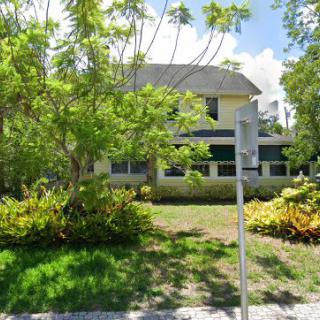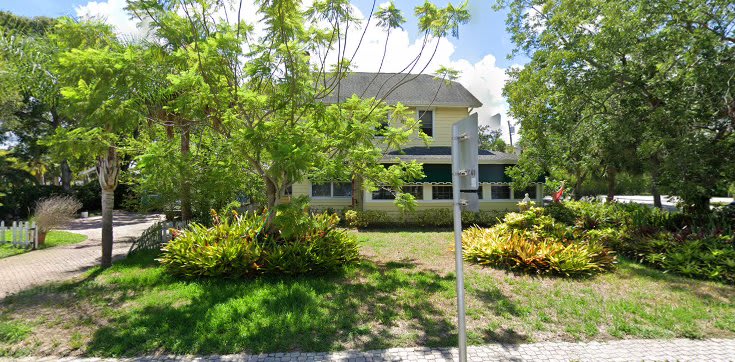
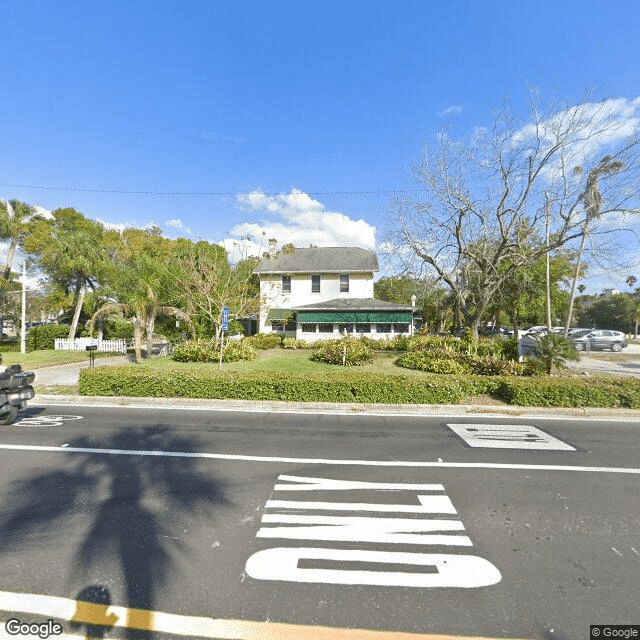
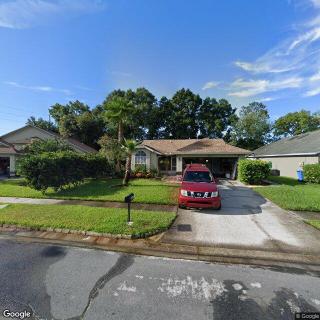
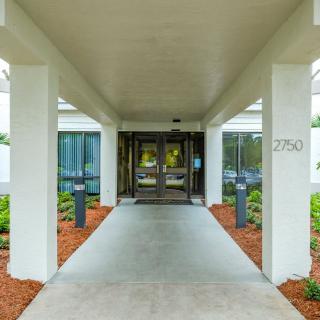
725 Edgewater Dr, Dunedin, FL 34698
To contact a resident: (727) 733-3510
For more information about senior living options: (866) 208-4318
Stirling House 1 Costs & Pricing
Stirling House 1 offers competitive pricing for its residential options when compared to the broader market of Pinellas County and the state of Florida. For a semi-private room, residents will find a monthly cost of $2,400, which is notably more affordable than the county average of $2,765 and state average of $3,009. Similarly, the studio option at Stirling House 1 is priced at $3,300, again demonstrating value against Pinellas County's average of $3,598 and Florida's state average of $3,823. This positioning not only highlights Stirling House 1 as a cost-effective choice for potential residents but also reflects its commitment to providing quality care within a financially accessible framework.
| Floor plans | Stirling House 1 | Pinellas County | Florida |
|---|---|---|---|
| Semi-Private | $2,400 | $2,765 | $3,009 |
| Studio | $3,300 | $3,598 | $3,823 |
Assisted Living communities with a similar price nearby
-
from -$400 / mo
Assisted Living Facility Morning Dew
$2,000 to $2,500 / month22.6 miles away -
from +$100 / mo

Mi Bello Hogar Living Facility
$2,500 / month17.8 miles away -
from -$410 / mo

Cabot Cove of Largo Assisted Living & Memory Care
$1,990 to $3,145 / month7.4 miles away -
from +$200 / mo
Hilda's Home Care Alf
$2,600 to $2,800 / month13.2 miles away -
from +$95 / mo
Grand Villa of Clearwater
$2,495 to $3,295 / month5.0 miles away
Overall Review of Stirling House 1
Pros
 The in-person tour was nice.
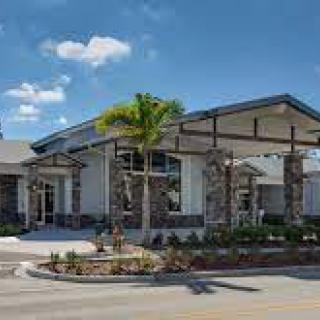
- The place has a great view of the park and harbor.
Cons
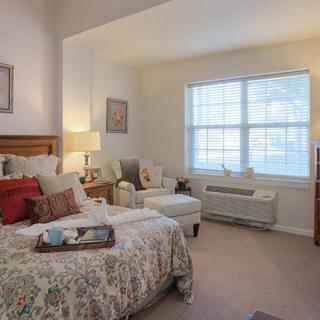
 The respite rooms were small and had a lot of stairs, which wouldn't work out.
Review
Stirling House 1 in Dunedin, FL is best suited for seniors who want a compact, home-like living environment with scenic park and harbor views. The setting emphasizes a residential atmosphere over a polished, institutional footprint, which appeals to residents who value daily life that feels personal and unpretentious. It works well for those seeking short-term respite or a low-structure lifestyle where relationships and routines matter more than hotel-style amenities. Those who can navigate a smaller, stairs-heavy layout will find this community comfortable, not clinical. In short, it serves individuals who prioritize warmth, familiarity, and a view-focused ambiance over expansive, modern backing.
At the same time, this is not the right fit for everyone. Families dealing with significant medical needs or requiring a traditional, purpose-built assisted living environment should consider alternatives. If memory care, 24/7 skilled nursing, or highly accessible, barrier-free spaces are non-negotiable, look elsewhere. Those who need open, expansive floor plans or state-of-the-art safety features may find the setup limiting. The small number of publicly shared reviews signals a very particular experience, a cozy, homey vibe rather than a high-acuity care continuum, which may disappoint seekers of a more clinical or robust care model.
On the upside, the notable pro is the setting itself. A great view of the park and harbor adds daily delight and a sense of connection to the surrounding community, which can significantly uplift mood and routine cadence. An in-person tour reportedly felt welcoming and practical, underscoring a staff culture that maintains a familiar, neighborly tone. The intimate, residential vibe can foster stronger personal bonds between caregivers and residents, offering a sense of belonging that larger campuses sometimes struggle to deliver. For couples or individuals prioritizing warmth and ease over formality, this environment can feel genuinely comforting.
Yet the core drawbacks matter and cannot be dismissed. The respite rooms are small, limiting privacy and comfort during shorter stays. The prevalence of stairs adds a real constraint for anyone with mobility challenges or who relies on assistance to move safely between spaces. These layout realities constrain both function and independence, particularly if care needs intensify or daily activities become more demanding. The combination of a home-like feel with limited space and elevation barriers creates a trade-off: comfort and charm versus accessibility and scalable care. The positives do offset some friction, but not enough to erase the practical concerns for many families.
From a decision-making standpoint, prospective residents should verify concrete details before committing. Confirm whether mobility aids, such as lifts or ramps, are available and whether an elevator exists. Inspect respite and other living spaces to understand what real privacy and comfort look like during longer stays. Clarify what levels of care are offered on site, caregiver ratios, and how care plans adapt to evolving needs. Cost transparency matters as well, what’s included, what’s optional, and how transitions to higher levels of care would be managed. A hands-on visit during different times of day can reveal how the setting actually performs under real-life rhythms.
Ultimately, Stirling House 1 stands as a credible option for seniors who prize a tranquil, scenic, intimate atmosphere and who can operate within a smaller, stairs-heavy footprint. The harbor view and the warm, non-clinical ambiance deliver meaningful quality-of-life advantages for residents who fit that mold. For those requiring more extensive mobility accommodations, larger living spaces, or more intensive medical oversight, exploring alternatives with higher care capacities and accessible layouts is prudent. The right choice will align mobility, care needs, and personal preferences with a setting capable of sustaining independence and comfort without forcing unnecessary compromises. In the right context, Stirling House 1 can feel like a true home, and that clarity often makes the decision straightforward.
 Assisted Living
 Activities on-site
 Devotional services off-site
 Indoor common areas
 St. Petersburg-Clearwater International (9 miles away)
 Ambulatory care
 Diabetic care
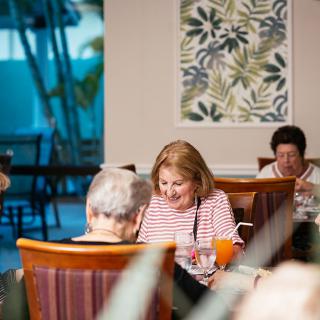
 Meals provided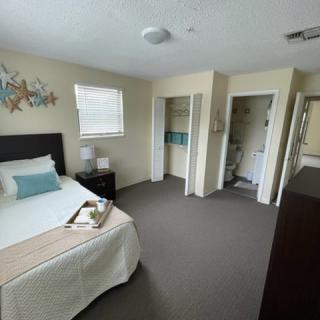

 How and When Medicaid May Cover Assisted Living Costs
 A Detailed Exploration of Assisted Living Medicaid Waivers Across the United States
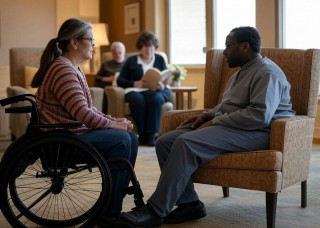 Comprehensive Residential Support and Assisted Living Solutions for Individuals with Disabilities