Caron Of Florida is an assisted living community in Delray Beach, FL.
Information last verified:
2101 Lowson Boulevard, Delray Beach, FL 33444
For more information about senior living options: (866) 208-4318
3.8 from 120 reviews
5 stars
82
4 stars
2
3 stars
1
2 stars
4
1 stars
31
Overall Review of Caron Of Florida
differentiator8 reviews mention this
Aftercare and alumni support
Aftercare and alumni support are recurring parts of residents' experiences.
Several reviews highlight ongoing alumni or aftercare support that continues after residential treatment. Residents describe staying in touch with people they met during recovery and receiving follow-up support to help them stay on track. Others specifically mention an alumni community and even regular connection through daily messages, framing it as part of what helped them maintain sobriety over time. For families, reviews also describe that the facility provides reassurance through planning and continued support once someone transitions out.
common10 reviews mention this
A structured, serious approach
The program is described as structured and serious.
Across reviews, residents and families describe a program that is organized, structured, and focused on treatment over a longer arc than a quick stay. Some reviews emphasize that the environment feels structured and that it pushes residents to work on themselves rather than just “go through the motions.” Multiple accounts mention therapists and medical staff working together, and several describe learning tools and building a foundation during inpatient care. At the same time, some negative reviews dispute how individualized the structure is, describing it as a uniform blueprint for different patients.
common22 reviews mention this
Caring, professional staff
Residents frequently describe staff as caring and professional.
A large share of reviews directly praise staff for being compassionate, professional, and committed to recovery. Many describe clinicians who listen, communicate clearly, and help residents feel supported during difficult treatment days. Several reviewers also name specific staff members and describe strong teamwork across clinical, detox, and residential life. Even among critical reviews, some still acknowledge that certain therapists or staff members were good while disagreeing with the overall approach or communication.
caveat5 reviews mention this
Concerns about personalization and communication
Some reviews raise concerns about personalization and communication.
A handful of reviews say the care plans feel insufficiently individualized, describing a similar “blueprint” approach for different people. Others report communication issues such as lack of responsiveness, unanswered questions, or information not being provided the way families expected. Some reviews also describe frustrations around documentation, including difficulty obtaining medical records. While positive reviews focus on support and guidance, these critical accounts repeatedly return to gaps around clarity, follow-through, and tailoring the plan to the person.
caveat6 reviews mention this
Tough treatment experiences
Some residents describe treatment as overly harsh or demeaning.
Alongside positive feedback about being challenged, multiple critical reviews describe harsh or demeaning treatment practices. Some reviewers characterize the program as involving shaming or intimidation, while others say they experienced rapid discharge or felt mistreated during their stay. A few accounts also mention physical exertion or forced activities as part of treatment. These concerns stand in contrast to the positive reviews that emphasize a safe, supportive environment, creating a mixed picture of how the program feels day to day.
How we summarize
Counts show how many written reviews mention each theme; a review can touch several themes, and only frequently mentioned themes are displayed.
Features
Housing
6 resident community capacity
Types of Care
Assisted Living
Amenities
Cable or satellite TV
Dining room
Fully furnished
Garden
Housekeeping services
Move-in coordination
Outdoor space
Telephone
Wi-Fi/high-speed internet available
Transportation
Palm Beach International (16 miles away)
Care Services
24-hour supervision
Activities of daily living assistance
Assistance with bathing
Assistance with dressing
Assistance with transfers
Coordination with health care providers
Diabetes diet
Meal preparation and service
Medication management
Special dietary restrictions
Transportation arrangement (medical)
Transportation to doctors appointments
Dining
Diabetes diet
Special dietary restrictions
Activities
Community-sponsored activities
Scheduled daily activities
Nearby Places of Interest
Restaurants
McDonald's (0.8 miles)
La Bamba Mexican Spanish (1.3 miles)
Chick-Fil-A (1.5 miles)
Surf Shack Subs (1.6 miles)
Tin Roof (1.7 miles)
Elisabetta's Ristorante Bar Pizzeria (1.7 miles)
Poppies (1.7 miles)
Pharmacies
CVS Pharmacy (1.5 miles)
Humana Pharmacy (1.6 miles)
Walgreens (1.7 miles)
CVS Pharmacy (1.9 miles)
Walgreens (1.9 miles)
Walgreens (2 miles)
Walgreens (2.3 miles)
Physicians
Personal Physician Care PA (1.6 miles)
National Spine & Pain Centers - Delray Beach (2.2 miles)
Choosing between assisted living and nursing homes involves evaluating emotional and financial factors, with assisted living offering independence and support for daily activities at a lower cost, while nursing homes provide intensive medical care for individuals with significant health needs. The decision is influenced by personal preferences, health status, cognitive function, and varying Medicaid coverage across states.
Assisted living in 2025 offers a crucial balance of independence and support for seniors, with costs varying from $2,500 to over $7,000 per month based on factors such as location and care level. Understanding pricing complexities, including regional differences and potential hidden fees, is essential for families to plan financially while ensuring quality care for their loved ones.
The guide outlines the complexities of Medicaid coverage for assisted living, highlighting significant state-to-state variations, limited coverage often restricted to personal care services, and the existence of specialized waivers for certain needs like memory care. It advises families to consult local Medicaid offices for options while emphasizing the importance of understanding state-specific regulations and facility policies.
Get PricingAsk A QuestionSchedule A TourContact Senior Advisor
By clicking submit, you agree to our Partner's Terms of Use. You
also consent to receive calls and texts, which may be autodialed, from our Partner. Your consent is not a condition to
using our Partner's service. Please visit our Partner's Privacy Policy for information about their privacy practices.

 6 resident community capacity
 Assisted Living
 Cable or satellite TV
 Dining room
 Fully furnished
 Garden
 Housekeeping services
 Move-in coordination
 Outdoor space
 Telephone
 Wi-Fi/high-speed internet available
 Palm Beach International (16 miles away)
 24-hour supervision
 Activities of daily living assistance
 Assistance with bathing
 Assistance with dressing
 Assistance with transfers
 Diabetes diet
 Meal preparation and service
 Medication management
 Special dietary restrictions
 Transportation arrangement (medical)
 Transportation to doctors appointments
 Clean, well-maintained facilities with friendly staff and engaging amenities.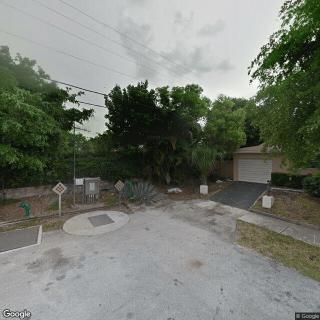





 Choosing the Right Senior Care: A Detailed Exploration of Assisted Living and Nursing Homes
 Understanding the True Cost of Assisted Living in 2025: A Comprehensive Guide
 Understanding Medicaid Coverage for Assisted Living: A Comprehensive Guide