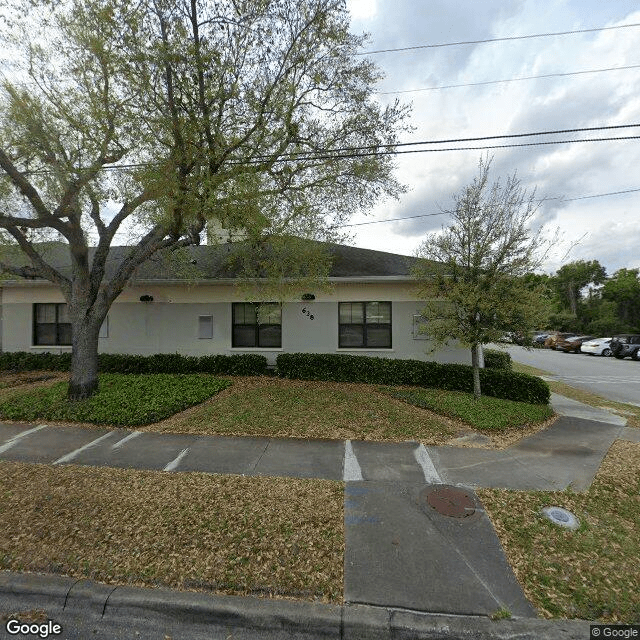
638 South Woodland Boulevard, De Land, FL 32720
To contact a resident: (386) 734-3481
For more information about senior living options: (866) 208-4318
Overall Review of The Groves At Alliance Community
Pros
 Alliance is recommended.
- The facility is kept very clean, and visitors are impressed with the cleanliness.
- The staff are consistently friendly and helpful and promptly assist when needed.
- The meals are very good.
- The rehabilitation staff are excellent at helping residents reach their goals, and the medical staff are knowledgeable and prompt.
- Medications are always on time, and families are informed immediately of any changes.
- The staff watch out for residents’ well-being.
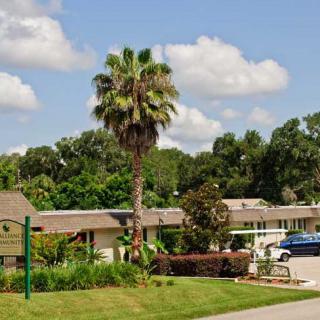
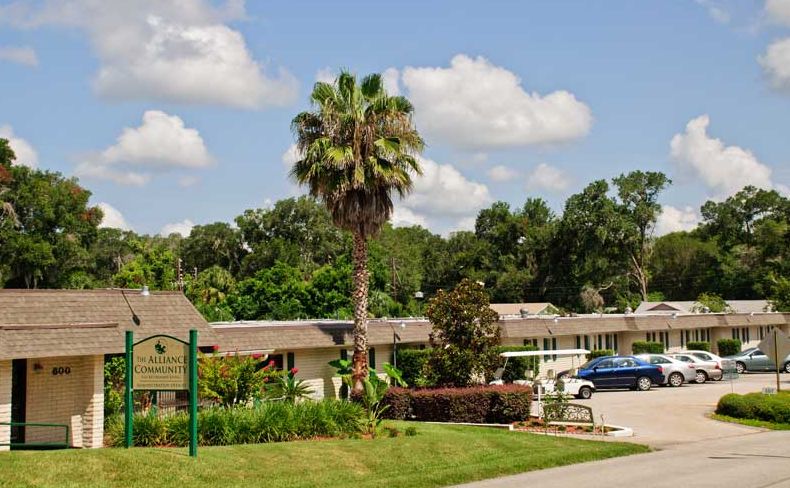
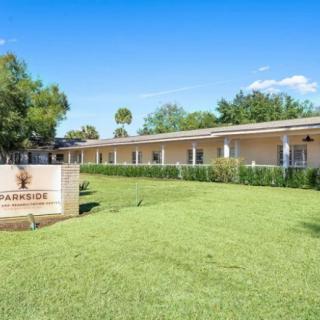
- The facility is adorable and peaceful, with good security and a nice building.
- The community plans Christmas caroling and other activities for residents.
- The community offers a great range of care, a positive Christian environment, and a reputation for quality living.
Cons
 They criticized the higher-ups for confusing and inconsistent COVID precautions and PPE requirements.
- They felt the weekend staff were not as attentive as the weekday staff.
- They implied the higher-ups forgot to show compassion to residents.
- They noted the PPE/gown policy changes created confusion due to inconsistency.
- They described the food as potentially ruined by an inept cook on some days.
Review
The Groves at Alliance Community in DeLand is best suited for seniors who want a faith-centered, tightly run campus with strong rehab and medical supports, where cleanliness, security, and engaged staff are core priorities. It serves residents across a spectrum from independent living to nursing care, but the overarching value is a community anchored in a Christian environment with visible investment in daily routines, activities, and social connectedness. For families seeking a warm, orderly setting that emphasizes meaningful engagement, predictable medication management, and accessible rehabilitation, this community represents a solid, practical choice. It is particularly well-suited for those who want a reassuring, clearly structured atmosphere where staff presence and resident monitoring are tangible and consistent in daily life.
The most persuasive advantages are the fundamentals that directly impact daily well-being and progress. Cleanliness is consistently highlighted, from the entrance to common areas and resident spaces, with staff routinely visible in upkeep duties. The staff’s friendliness and responsiveness are repeatedly noted in visits, contributing to a sense of safety and assurance for families. Rehabilitation services are described as competent and goal-driven, with rehabilitation professionals actively aligning therapy plans to individual objectives. Medical staff are described as knowledgeable and prompt with medications, and families are informed promptly about any changes in treatment. Meals are considered solid, well above a typical institutional baseline, and the campus offers a range of living arrangements that can accommodate shifting care needs without moving to a new facility. The combination of a secure environment, engaging activities, and a supportive Christian culture creates a cohesive, comforting rhythm that many families value.
However, several notable drawbacks temper the overall impression. Weekend staffing is frequently described as less attentive than weekday teams, creating moments of uneven service that can affect the resident experience during non-peak hours. Food quality is not universally exemplary; while meals are generally acceptable, there are days when preparation or consistency falls short, sometimes attributed to cook variability. A few families have expressed concerns about leadership and policy enforcement, noting that changes in ownership and administrative direction can lead to inconsistent rules or expectations. Compassion and attentiveness can vary among frontline staff, and a few residents felt the need for greater consistency in care delivery and communication across shifts. Taken together, these factors represent friction that can complicate decisions for families with tight expectations around daily routine and policy clarity.
These pros and cons tend to offset each other most effectively for families prioritizing rehabilitation outcomes, medical coordination, and a serene, faith-infused living environment. Strong rehab teams, timely medication administration, and a clean, secure setting create a dependable backbone for recovery or ongoing care. The Christian community and structured activities help residents stay engaged and connected, reducing isolation and promoting a sense of purpose. In practical terms, for an adult child or spouse focused on measurable progress in rehab goals, and who values a predictable, respectful atmosphere, the positives can substantially outweigh the occasional service hiccups. The key is a clear plan for weekends, consistent communication channels with nursing and therapy teams, and an understanding of how leadership changes may influence day-to-day routines.
For those who should consider alternatives, the most compelling red flags are a premium on uniform weekend attentiveness, a non-religious setting preference, or a demand for a consistently identical menu with almost no variation in daily meals. Families seeking a very strict, 24/7 uniform service model, or those requiring minimal variability in staffing and policy direction, may find other communities that offer steadier weekend coverage and more rigid governance structures. Additionally, if independence in living arrangements is a primary goal with minimal need for ongoing rehab, a facility with a lighter touch on medical coordination might align better with expectations. In short, for families prioritizing non-religious environments, ultra-consistent weekend care, or highly customizable dining experiences, exploration of alternatives is warranted.
Practically, the decision should hinge on aligning priorities with the community’s strengths. Prospective residents and their families should schedule weekend and weekday visits to observe staffing patterns in real time, and engage directly with rehabilitation staff to review target outcomes and progress benchmarks. Probing questions about ownership, governance changes, and how policies are enforced across shifts will illuminate whether the current management approach matches expectations. It is wise to tour with questions about meal planning, dietary restrictions, and how activity calendars are curated to ensure meaningful engagement. Overall, The Groves at Alliance Community delivers a solid, values-driven option for seniors seeking reliable care, robust rehab, and a comforting, Christian-tinged atmosphere; for those whose criteria include absolute weekend consistency or a non-religious setting, alternatives should be actively considered.
 54 resident community capacity
 Assisted Living
 Respite Care
 Skilled Nursing Facility
 Activities on-site
 Air-conditioning
 Beauty salon
 Cable or satellite TV
 Computer center
 Devotional services off-site
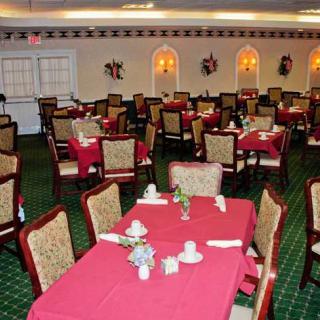
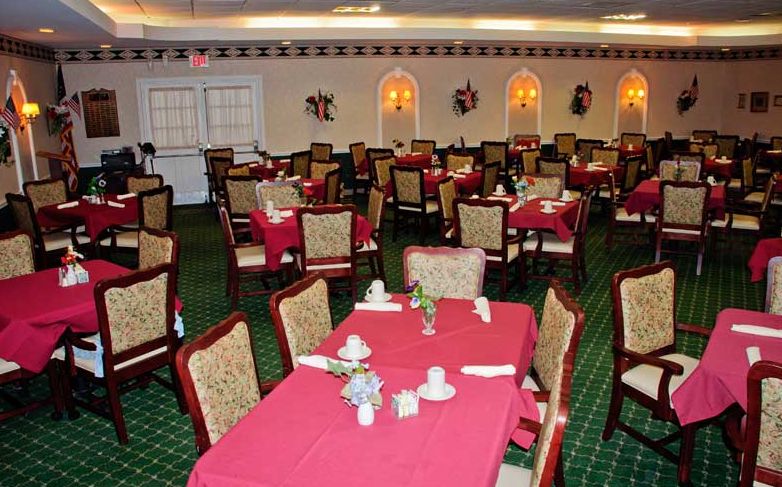
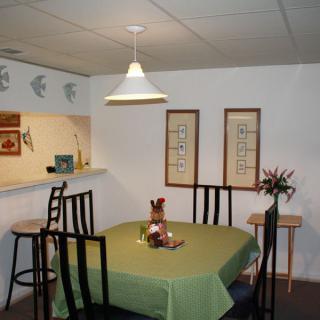
 Dining room
 Fitness room
 Fully furnished
 Gaming room
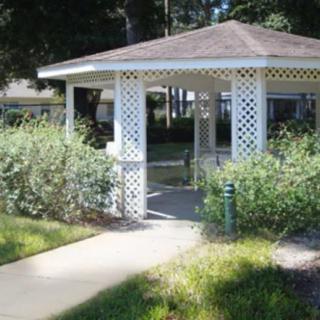
 Garden
 Housekeeping services
 Indoor common areas
 Kitchenette
 Move-in coordination
 Outdoor space
 Private bathrooms
 Restaurant-style dining
 Small library
 Telephone
 Wellness center
 Wi-Fi/high-speed internet available
 Daytona Beach International (19 miles away)
 Community operated transportation
 12-16 hour nursing
 24-hour call system
 Ambulatory care
 Assistance with bathing
 Assistance with dressing
 Assistance with transfers
 Diabetes diet
 Diabetic care
 Medication management
 Mental wellness program
 Special dietary restrictions
 Concierge services
 Planned day trips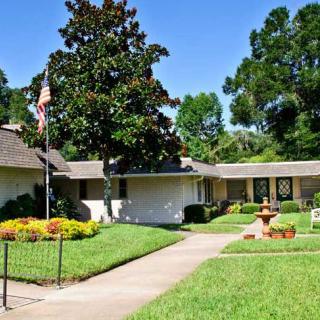




 Assisted Living Support for Veterans: A Complete and Detailed Overview
 Exploring the Contrasts Between Assisted Living and Skilled Nursing
 8 Key Indicators That Suggest It May Be Time to Transition from Assisted Living to Skilled Nursing Care