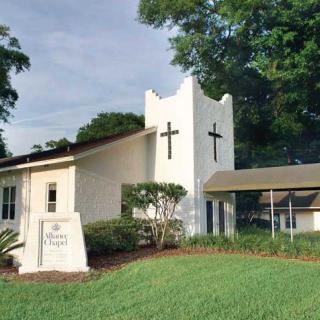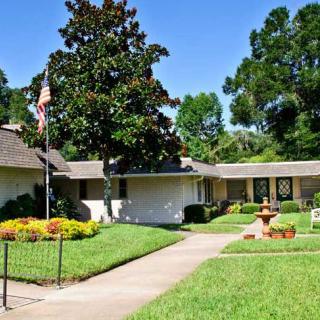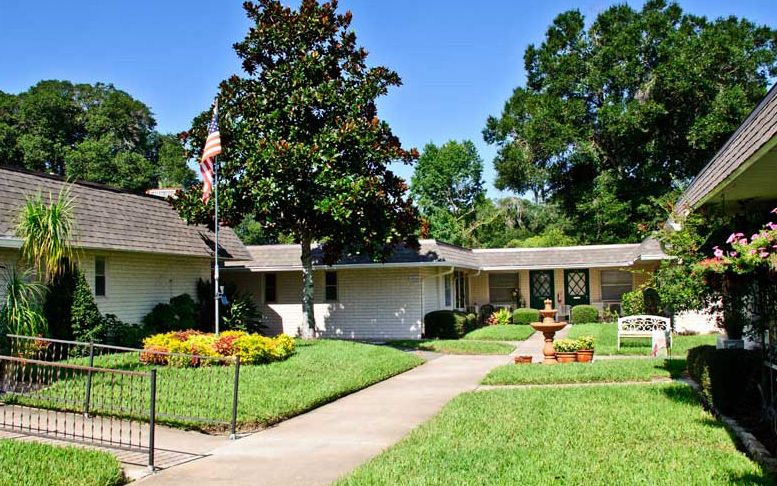
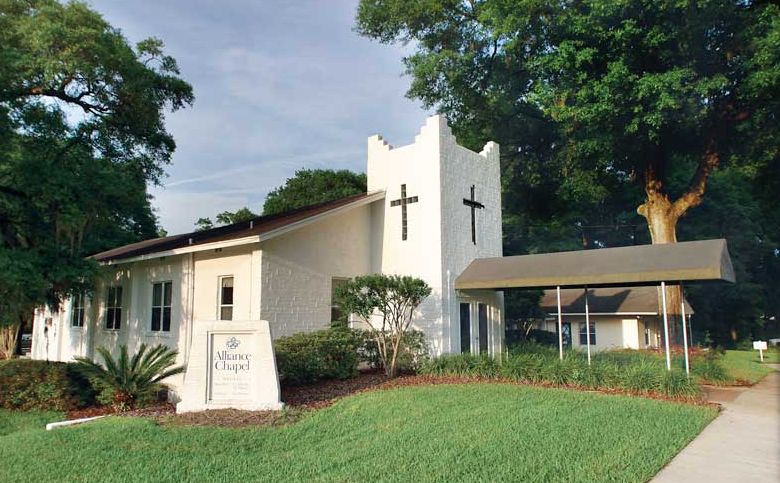
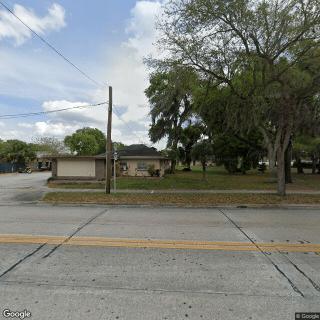
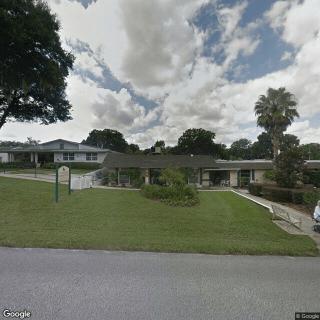
644 South Woodland Boulevard, De Land, FL 32720
For more information about senior living options: (866) 208-4318
Alliance Community Costs & Pricing
At Alliance Community, the cost for a private room is $8,910 per month, which significantly exceeds both the Volusia County average of $4,168 and the broader statewide figure of $3,699 in Florida. This pricing reflects the premium services and personalized care that residents receive at Alliance. While it may appear considerably higher than local and state averages, prospective residents should consider the comprehensive support and enriched environment provided at this facility. Ultimately, the investment represents not just accommodation but a commitment to quality living and enhanced well-being in a community setting.
| Floor plans | Alliance Community | Volusia County | Florida |
|---|---|---|---|
| Private | $8,910 | $4,168 | $3,699 |
Overall Review of Alliance Community
Pros
 The facility is clean and well-kept from entrance through all areas, with staff consistently maintaining cleanliness.
- The staff are friendly, helpful, and attentive, always checking if residents need anything.
- The rehabilitation and medical teams are knowledgeable, prompt, and focused on residents' goals and needs.
- Medications are consistently on time, and families are informed promptly of any changes.
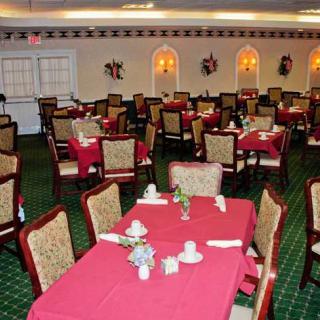
- The meals are very good, with residents generally satisfied with the food.
- The environment is peaceful and secure, with a caring, Christian-influenced community.
- There are many activities for residents, contributing to a lively and supportive atmosphere.
- The facility offers a range of living options from independent living to nursing care, with a positive reputation for rehab and assisted living.
Cons
 The reviewer would give zero stars.
- The reviewer criticizes the leadership for inconsistent COVID precautions and PPE rules, finding them confusing and annoying.
- The reviewer notes that weekend staff are not as attentive as weekday staff.
- The reviewer says the meals can be ruined by an inept cook on some days.
- The reviewer observes that there are different rules for different people, which is annoying.
Review
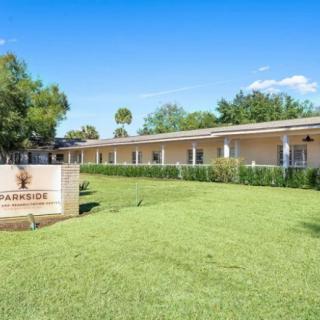
Alliance Community in De Land is best suited for seniors who want a faith-centered, community-focused environment with a solid rehab program and a full continuum of care from independent living to skilled nursing. The facility presents as a calming, orderly place where cleanliness is evident from the moment guests walk in and throughout the campus. Families seeking a homey atmosphere with respectful, approachable staff will find a foundation they can trust. The footprint supports a range of living arrangements, which reduces the need for frequent moves, and the emphasis on Christian community adds a cohesive, supportive feel. For many families, the combination of a welcoming atmosphere, consistent medication management, and active engagement opportunities translates into real peace of mind as care needs evolve.
On the strength side, Alliance stands out for its practical, visible care infrastructure. The housekeeping and sanitation are consistently high, with staff regularly tending to spaces and residents’ comfort. The greeting at the door and ongoing staff warmth translate into predictable, respectful interactions during visits. The rehabilitation team is repeatedly praised for aligning therapy with personal goals, keeping care goals focused and progress tangible. Medical staff are described as knowledgeable and prompt in medication management, with families receiving timely updates about changes. Meals are generally well received, and the facility’s continuity of care is reinforced by a spectrum of living options, from independent living to skilled nursing, which keeps transitions manageable rather than disruptive. A sense of security and a quiet, well-maintained environment underpins steady daily routines that many families value highly.
However, the record is not without notable caveats. Several reviews point to variability in weekend staffing, with weekday teams described as more attentive than those available on Saturdays and Sundays. Some families perceive uneven attention depending on who is on shift, which can create moments of uncertainty for residents who require consistent cues and help. Leadership and policy enforcement also surface as a potential concern; a few accounts describe inconsistencies in how rules are applied or communicated, and there is mention of a transition under new ownership. The dining experience, while generally solid, can swing toward average in certain days, hinging on kitchen staffing and execution. Taken together, these themes signal that while core care is strong, the experience can feel uneven on a day-to-day basis.
These pros do offset the cons to a practical degree for many residents, especially those prioritizing clinical reliability and social engagement within a faith-forward setting. The robust rehab program and the emphasis on goal-driven therapy mean progress is not just possible, it is expected, which reduces anxiety for families navigating post-acute needs. The safety-conscious, clean environment and the visible care invested by many staff members contribute to a sense of reliability that matters when daily life hinges on timely assistance and consistent medications. The Christian community and the breadth of activities provide emotional and social ballast that keeps residents engaged, connected, and uplifted. For families, that combination often means a higher baseline of well-being, even if a few shifts or meals aren’t flawless.
Still, certain families will want to consider alternatives. Those who insist on unwavering weekend attentiveness should probe specific staffing patterns and request direct assurances about who is on duty and how continuity is maintained across shifts. Families with very high culinary expectations may prefer facilities known for gourmet dining or more predictable kitchen execution. Others may prioritize absolute stability of ownership or a long-range plan free of leadership flux; the “under new ownership” context cited by some reviews can be a meaningful factor for certainty-seeking buyers. Additionally, households seeking a secular atmosphere or a more clinical pace may find other communities better aligned with those preferences. In short, Alliance delivers solid value, but not every family will find the balance they require in all moments.
The bottom-line recommendation is clear. Alliance Community is a solid, reliable choice for seniors who want a faith-informed setting, strong rehabilitation and medical coordination, clean environments, and a broad continuum of care that minimizes moves. It works best for families that can tolerate occasional weekday-to-weekend service variability and occasional menu fluctuations in exchange for consistent core care, a supportive community, and active social programming. For those whose priorities tilt toward unbroken weekend attentiveness, consistently exceptional dining, or unwavering ownership stability, exploring alternatives that specialize in those strengths is prudent. A visit focused on meeting the weekend staff, sampling meals on multiple days, and speaking with rehab and nursing leadership will reveal whether Alliance fits the family’s exact balance of heart and hands.
 22 resident community capacity
 Assisted Living
 Continuing Care Retirement Community (CCRC)
 Independent Living
 Memory Care
 Respite Care
 Beauty salon
 Cable or satellite TV
 Fully furnished
 Garden
 Housekeeping services
 Kitchenette
 Move-in coordination
 Outdoor space
 Private bathrooms
 Daytona Beach International (19 miles away)
 Community operated transportation
 24-hour call system
 Activities of daily living assistance
 Assistance with bathing
 Assistance with dressing
 Assistance with transfers
 Diabetes diet
 Meal preparation and service
 Medication management
 Special dietary restrictions
 Concierge services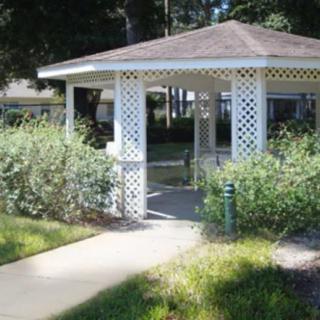


 A Holistic Dementia Care Guide: Effective Strategies for Memory Support
 Memory Care Pathways: A Holistic Guide to Dementia Support
 Comprehending Evening Confusion in Dementia: Causes, Manifestations, and Support