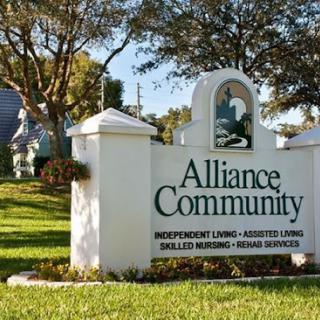
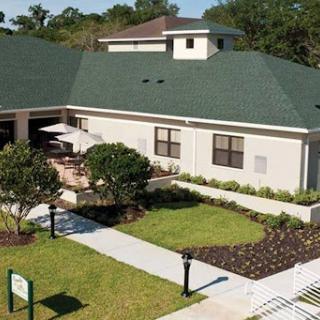
600 South Florida Avenue, DeLand, FL 32720
To contact a resident: (386) 736-1814
For more information about senior living options: (866) 208-4318
The Alliance Community for Retirement Living Costs & Pricing
The Alliance Community for Retirement Living offers competitively priced accommodations compared to the broader market in Volusia County and across Florida. For a studio, residents pay $1,318 per month, significantly lower than the county average of $3,679 and the state average of $3,823. Similarly, a one-bedroom unit is priced at $1,836 monthly, which contrasts sharply with Volusia County's average of $3,766 and Florida's statewide average of $3,864. This positioning suggests that The Alliance Community not only provides quality living options but does so at a value that stands out in the retirement living landscape, making it an attractive choice for those seeking affordability without compromising on care or community.
| Floor plans | The Alliance Community for Retirement Living | Volusia County | Florida |
|---|---|---|---|
| Studio | $1,318 | $3,679 | $3,823 |
| 1 Bedroom | $1,836 | $3,766 | $3,864 |
Independent Living communities with a similar price nearby
-
from +$177 / mo

Villa Grande on Saxon
$1,495 to $1,803 / month7.3 miles away
Overall Review of The Alliance Community for Retirement Living
Pros
 The reviews describe Alliance Community as a well-organized, well-kept, and permanent home for seniors, with friendly and helpful staff and residents.
- It is regarded as the best in this section of Florida and is highly recommended, promising peace of mind and dependable care when needed.
- The community consistently shows happiness among both residents and staff, contributing to a great atmosphere.
- It is described as very caring and honest, with a Christian orientation and an open approach to life and business.
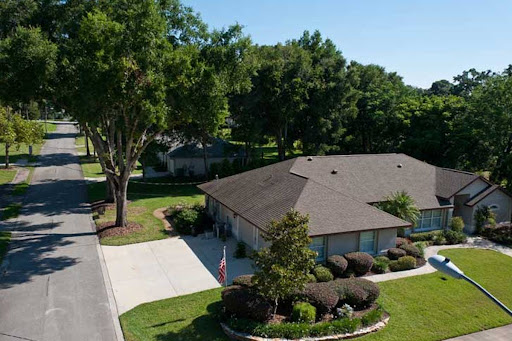
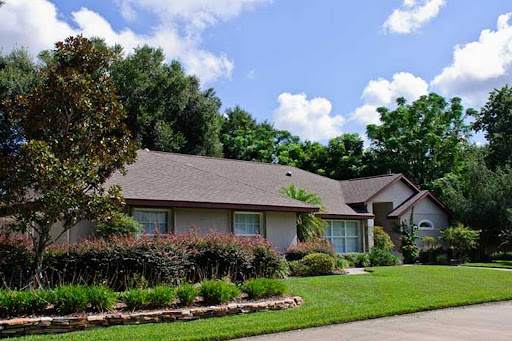
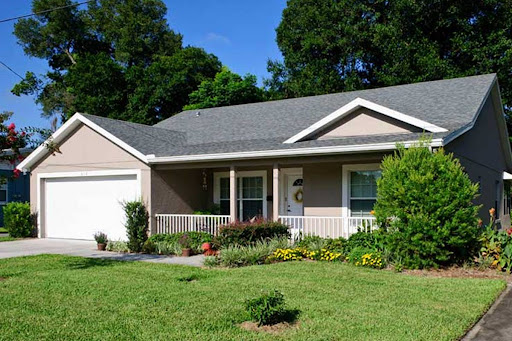
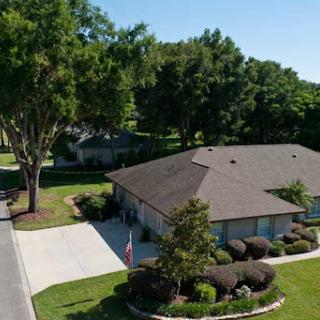
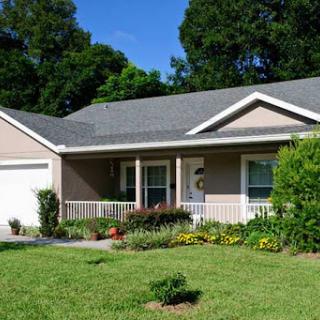
- It offers housing options including apartments and small homes, with meal arrangements that can be shared with the community or taken in one's own home.
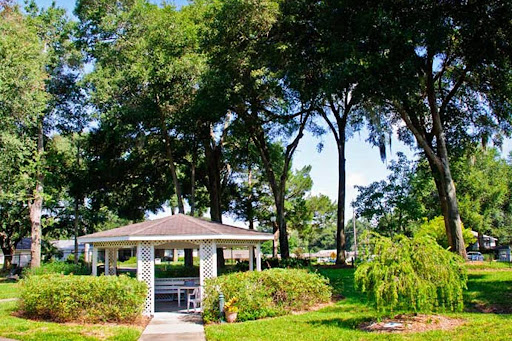
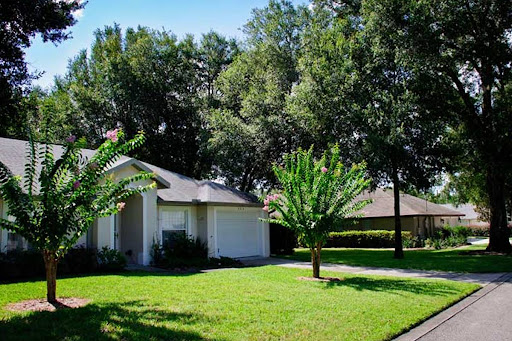
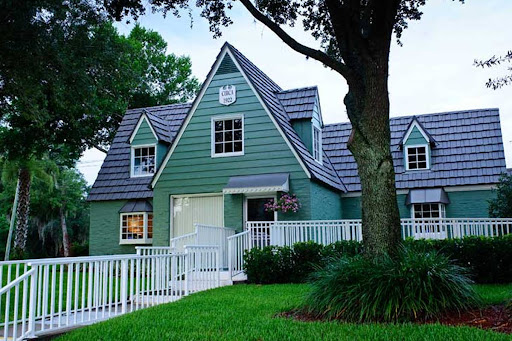
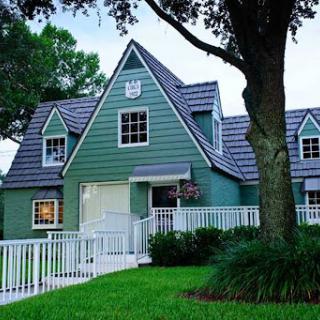
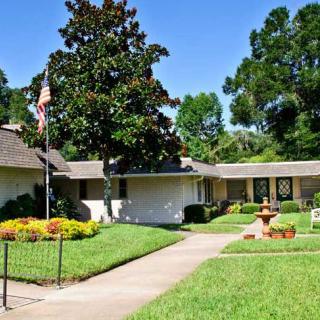
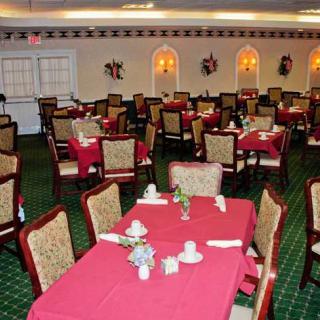
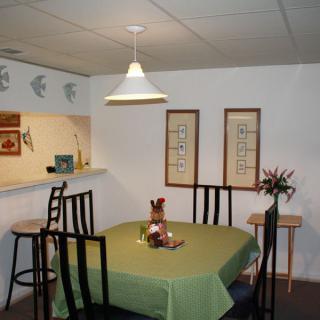
- The surroundings are described as beautifully kept, with brand-new carpeting and fresh repainting.
- It accommodates couples and offers accelerated care, helping residents maintain friendships even as independence changes.
- It has a strong Christian foundation with regular church services and a safety-conscious setup, including a crosswalk guard for walkers.
- The food is wonderful, and residents have access to regular grocery trips to Publix or Walmart.
Cons
 They describe the residences as teeny and tiny, not really a home, more like a motel.
- They found the place extremely nice, but it didn't really compare to the one they were looking at.
Review
This community is best suited for seniors who want a close-knit, faith-centered retirement setting where a sense of permanence and community life trumps expansive, hotel-style layouts. The Alliance Community emphasizes stability, steady staffing, and a clearly Christian culture that informs worship, social activities, and daily routines. Residents have the option of private apartments or small homes, preserving a degree of independence while staying deeply connected to a shared environment and predictable care options, including accelerated care if needed. It is not the right fit for those seeking large, modern floorplans or a secular atmosphere; it excels for families prioritizing fellowship, reliability, and a long-standing community ethos.
Those weighing alternatives should be mindful of the church-centric identity and the cost structure. The setting leans strongly Christian and affiliated with Good Samaritan care networks, which is a major strength for seekers who want spiritual fellowship and routine church involvement; for others, it can feel restricting or misaligned with personal beliefs. Costs can be higher than nearby options, and the emphasis on religious programming may deter prospective residents who prefer a more neutral or non-religious environment. Additionally, the most talked-about trade-off is the surprisingly small living footprint, tiny residences that feel motel-like to some visitors, which may not satisfy anyone hoping for expansive, apartment-style independence.
The positive elements here are substantive and enduring, and they tend to offset the notable space limitation. The facility presents itself as well-organized and consistently well-kept, with staff and residents alike described as friendly and content. A strong sense of safety and continuity pervades the campus, aided by a crosswalk guard for walkers and a community that treats caregiving as a shared, transparent mission. Residents frequently report happiness across both peers and staff, which translates into a hopeful daily atmosphere where people feel cared for and not rushed. The combination of faith-driven programming, reliable administration, and a community atmosphere creates real peace of mind for families focused on dependable, compassionate care.
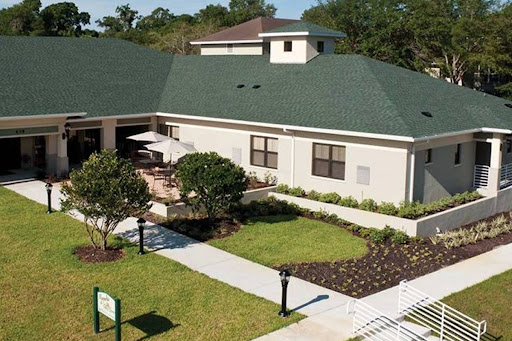
In practical terms, the housing choices and daily life reinforce this advantage. Residents can choose between their own small apartment or a little home, with the option to dine in the community or in private space, preserving a degree of autonomy. The units are described as beautifully maintained and updated, with features like new carpeting and fresh paint that make them feel inviting rather than institutional. The ability to share life with a spouse while maintaining separate living spaces, along with accelerated care pathways, ensures that transitions in health do not fracture long-standing friendships or daily routines. The facility also supports routine errands and meal-related conveniences, notably, access to grocery runs and reasonably priced doctor visits, so practical needs are absorbed into a familiar, faith-driven framework.
For families evaluating consistency, the takeaways are clear. The Alliance Community delivers a compelling option for those who prize a secure, loving Christian milieu, predictable caregiving, and a village feel that treats residents as neighbors and allies. The trade-offs, compact residences, higher cost, and a strongly religious orientation, are not hidden and should be weighed against the value of a cohesive community where staff “seem happy to be there” and residents reinforce that positivity. If secular branding, larger living spaces, or cost-conscious independence are primary criteria, alternatives should be pursued with the same diligence and an eye toward total weekday-life quality.
Decision-makers should emphasize alignment with faith and community culture, readiness to accept smaller living footprints, and comfort with a higher price point in exchange for steady care and meaningful social belonging. Tours should assess apartment-scale comfort, the feel of communal areas, and the availability of private-versus-community meal options, ensuring that the environment truly supports ongoing independence while preserving the option for more intensive care later. For families prioritizing Christian fellowship, safety-minded programming, and a warm, resident-led atmosphere, this community stands out as a thoughtful, well-run choice.
 Independent Living
 Cats allowed
 Dogs allowed
 Activities off-site
 Beautician on-site
 Devotional services off-site
 Indoor common areas
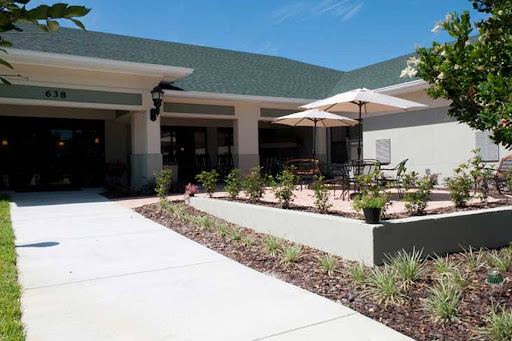
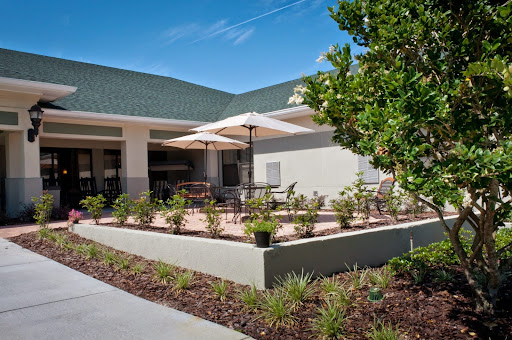
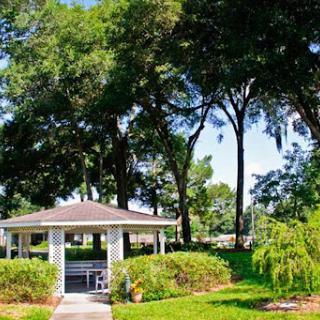
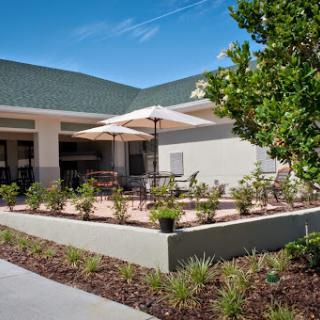
 Outdoor common areas
 Swimming pool / hot tub
 Wheelchair accessible showers
 Daytona Beach International (19 miles away)
 Ambulatory care
 Diabetic care
 High acuity care
 Medication management
 Meals provided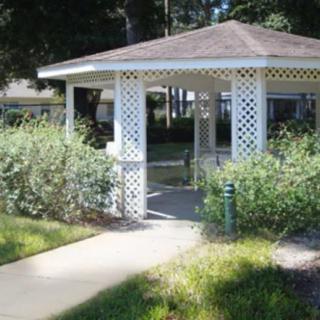


 Weight Training for Seniors: Building Strength and Vitality
 Understanding the Sandwich Generation: Stress and Responsibilities for Multigenerational Caregivers
 8 Essential Assistive Devices for Older Adults