







579 Johnson Lake Road, De Leon Springs, FL 32130
For more information about senior living options: (866) 208-4318
Freedom Oaks Assisted Living Costs & Pricing
Freedom Oaks Assisted Living offers a range of accommodation options, with prices that reflect the quality and personalized care provided to residents. The monthly cost for a semi-private room is $3,500, which positions it above the average rates in Volusia County at $3,143 and the broader state figure of $3,009. For those seeking more privacy, the studio option is priced at $4,200, slightly surpassing both county and state averages of $3,679 and $3,823 respectively. Meanwhile, the one-bedroom units are offered at $4,500, again exceeding local and state averages of $3,766 and $3,864. While Freedom Oaks may fall on the higher end of the spectrum when compared to regional costs, these rates reflect a commitment to providing exceptional living arrangements tailored to meet the needs of its residents.
| Floor plans | Freedom Oaks Assisted Living | Volusia County | Florida |
|---|---|---|---|
| Semi-Private | $3,500 | $3,143 | $3,009 |
| Studio | $4,200 | $3,679 | $3,823 |
| 1 Bedroom | $4,500 | $3,766 | $3,864 |
Assisted Living communities with a similar price nearby
-
from -$500 / mo
Fran's Elderly Care
$3,000 to $3,800 / month19.2 miles away -
from -$310 / mo

The Gallery at Port Orange
$3,190 to $5,450 / month20.6 miles away -
from +$550 / mo

Benton House of Port Orange
$4,050 to $5,250 / month19.7 miles away -
from +$250 / mo

Sancerre at Orange City
$3,750 to $5,775 / month16.8 miles away -
from -$205 / mo

Marina Isle Assisted Living
$3,295 to $6,190 / month24.1 miles away
Overall Review of Freedom Oaks Assisted Living
Pros
 The staff are friendly and attentive to Chuck.
- His family is pleased with his care.
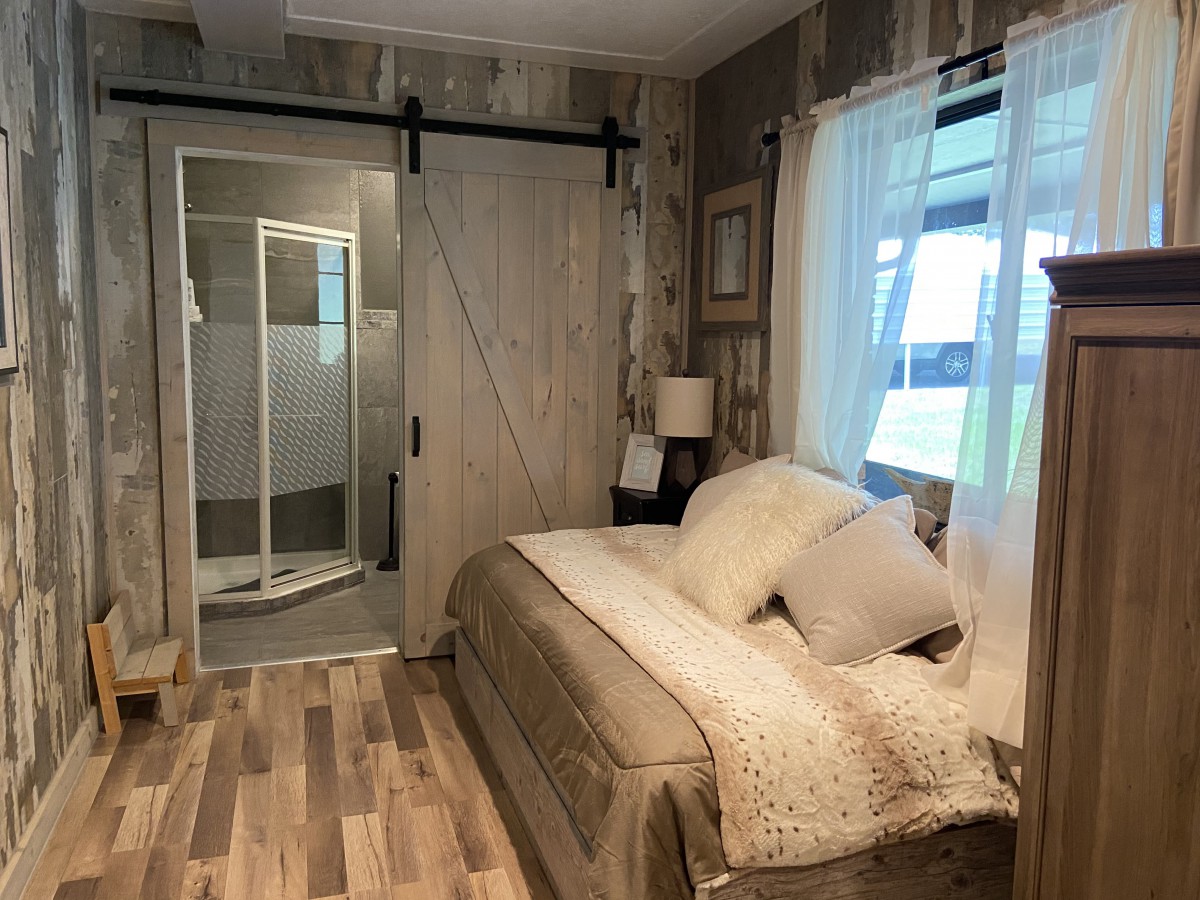
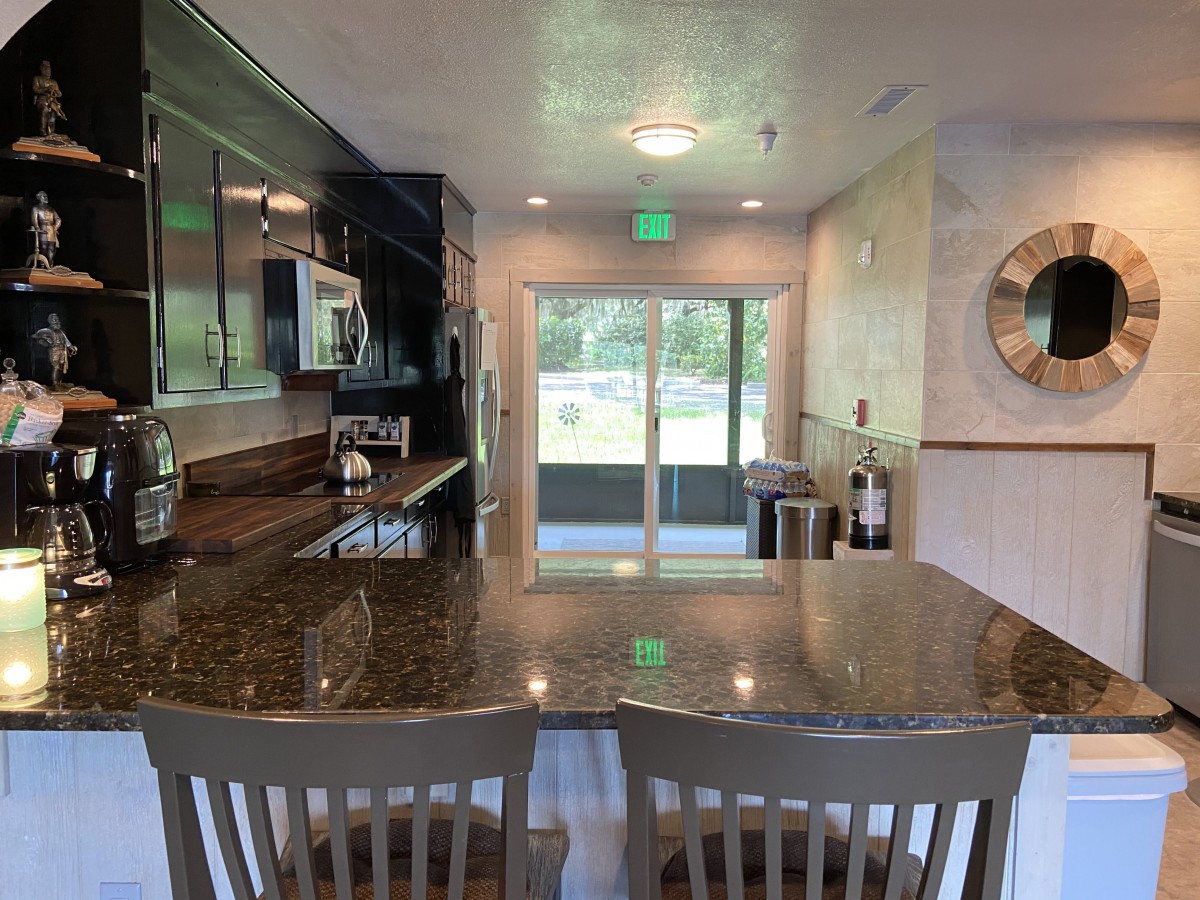
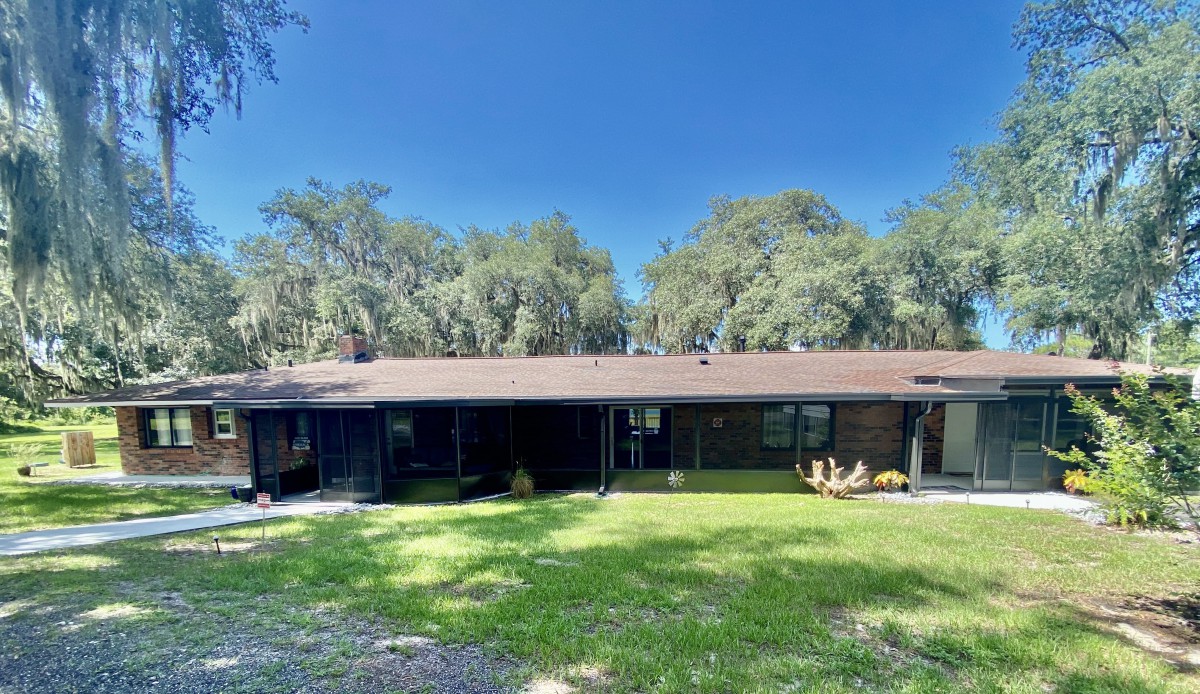
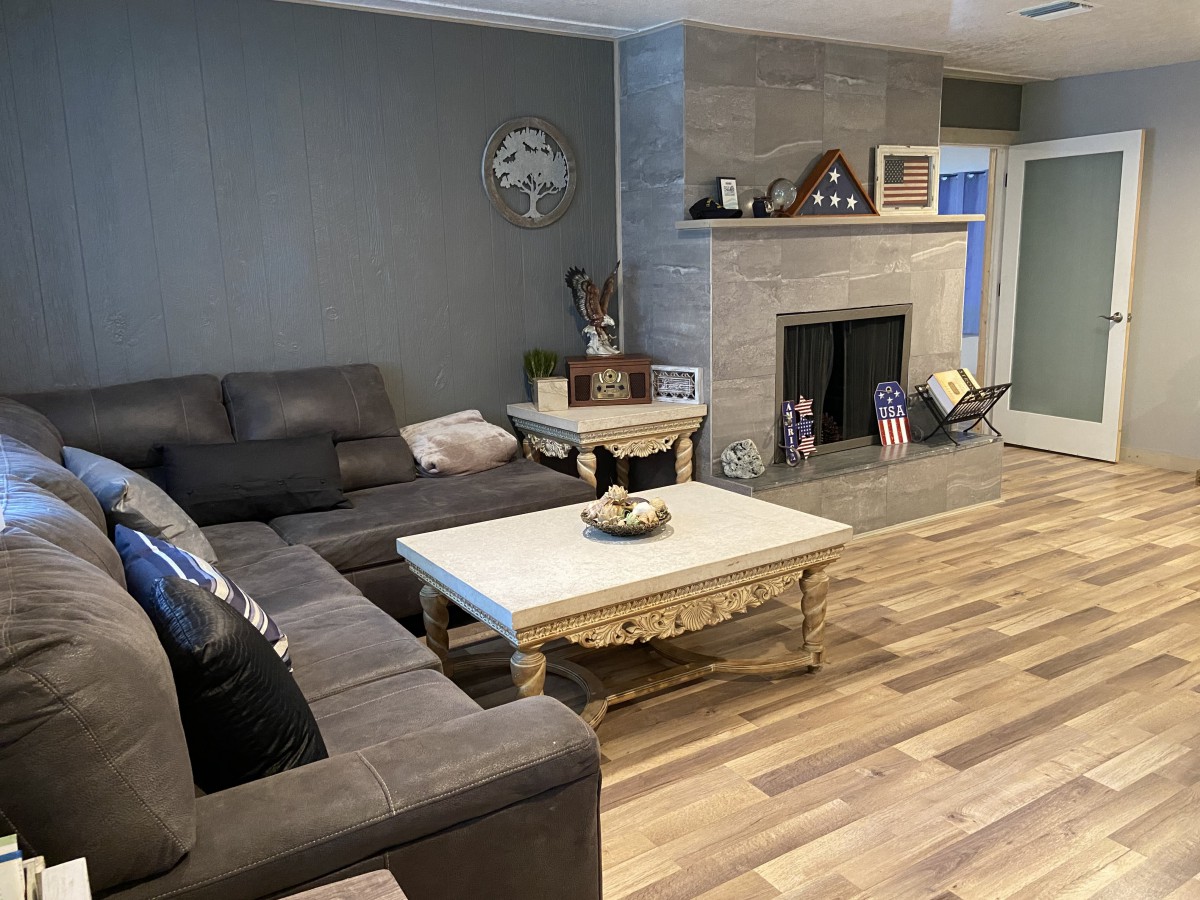
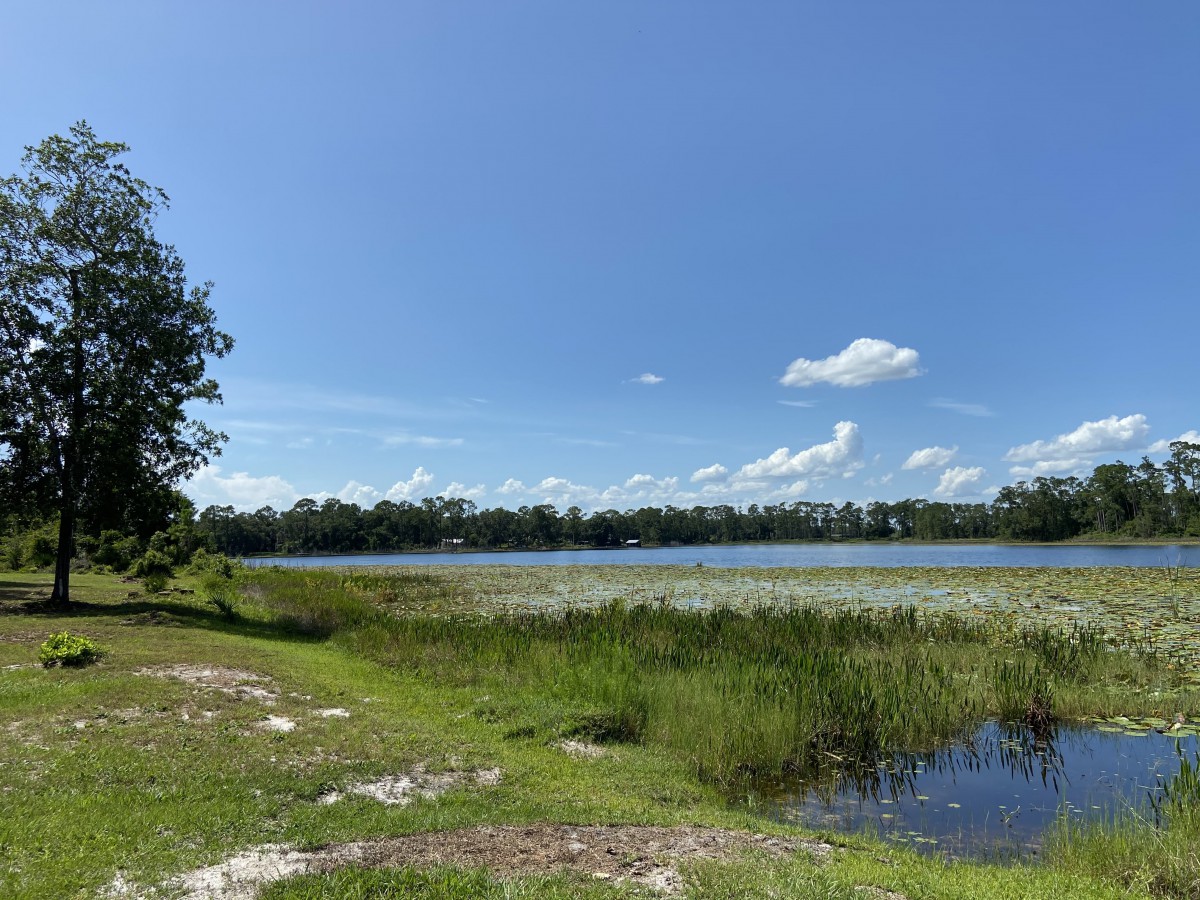
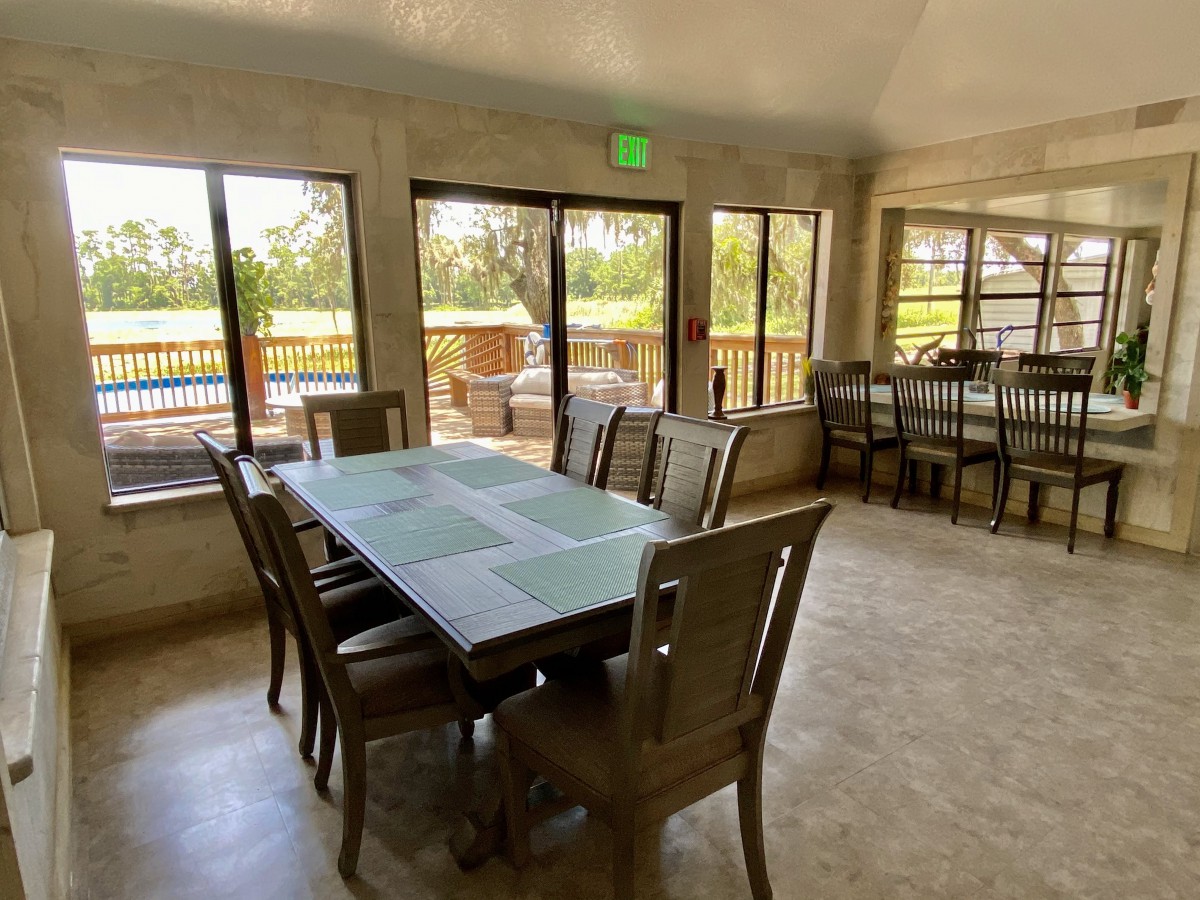
- The house is spotless and clean, with a breathtaking view of the lake.
- The staff are loving and caring, making residents feel like family.
- Meals are delicious.
- Residents sleep better there than at home.
Cons
 The reviewer was surprised to be told to move him out eight days later.
- No one mentioned it in person the day before.
- There was no mention in his placement review.
- It felt very cold and impersonal.
- The reviewer was shocked and hurt.
Review
Freedom Oaks Assisted Living in De Leon Springs is best suited for seniors who prize a warm, home-like environment, a spotless, well-kept house, and meals that feel comforting and thoughtfully prepared, all wrapped in a staff culture that treats residents like family. It suits those who want daily life guided by personable caregivers, a peaceful lakeside setting, and a social atmosphere where companionship and routine provide emotional security. For residents with modest to moderate assistance needs and a preference for a low-stress, familiar routine, Freedom Oaks delivers tangible comfort and a sense of belonging that can make aging in place feel achievable.
Those who may want to consider alternatives are families prioritizing unwavering governance, crystal-clear policies, and rock-solid predictability around admissions and discharges. The most consequential risk here is administrative rigidity that can lead to abrupt relocations, sometimes with little notice. One case in the record involved an eight-day timeline from admission to a move-out instruction, delivered without in-person heads-up or clear explanation in placement discussions. For seniors whose health status could shift or for families seeking absolute certainty about discharge procedures, other communities with more transparent, consistently applied policies may be a safer fit.
On the plus side, the environment is consistently clean and inviting, with a view of the lake that many residents find soothing and motivating. The staff are repeatedly described as loving and attentive, creating a sense that residents are genuinely cared for and valued. Meals are frequently highlighted as a standout feature, contributing to comfort, appetite, and overall mood. For many residents, the combination of a neat setting, supportive caregivers, and satisfying meals translates into better rest and a calmer daily routine than what they experience at home.
Yet the discharge incident underscores a real fragility in the operating model: the lack of predictable, well-communicated triggers for relocation. In another vein, a sense that some interactions can feel cold or impersonal at moments can erode confidence in management and disrupt the emotional safety a resident associates with a long-term home. Families should demand explicit, written discharge policies, including what constitutes grounds for removal, how notices are delivered, and who can authorize a move. Without those guardrails, the strengths, care, cleanliness, and a familial tone, can be undermined when policy and practice diverge.
The strengths here offset many day-to-day concerns for residents who value comfort, safety, and social connection. The warmth of staff and the home-like feel directly counterbalance the potential stress of adjusting to assisted living, especially for couples or solitary seniors who thrive in a small, intimate setting. However, the risk of a sudden discharge without predictable process cannot be ignored, particularly for anyone with evolving medical needs or a family that cannot participate in every decision. In short, the merits are substantial for those who can coexist with occasional administrative ambiguity, but not for anyone whose peace of mind depends on rock-solid, consistently applied discharge policies.
In final guidance, Freedom Oaks is a strong match for families seeking a welcoming, lake-view home with attentive caregivers and dependable daily routines. The decision hinges on governance: if transparent, documented discharge policies and reliable administration are in place, the positive attributes, cleanliness, caring staff, and satisfying meals, outweigh the drawbacks. For families prioritizing steadfast stability and clear, rule-based decisions, it pays to explore other options with proven track records in discharge clarity and continuity of care. Before making a commitment, request a copy of the resident agreement, seek specific examples of discharge procedures, and meet with the administrator to confirm how notices would be delivered and what safeguards exist to protect long-tenure placement.
 10 resident community capacity
 Assisted Living
 Cats allowed
 Dogs allowed
 Activities off-site
 Air-conditioning
 Beautician on-site
 Cable or satellite TV
 Devotional services on-site
 Dining room
 Fully furnished
 Garden
 Handicap accessible
 Housekeeping services
 Indoor common areas
 Move-in coordination
 Outdoor space
 Respite or short term stays offered
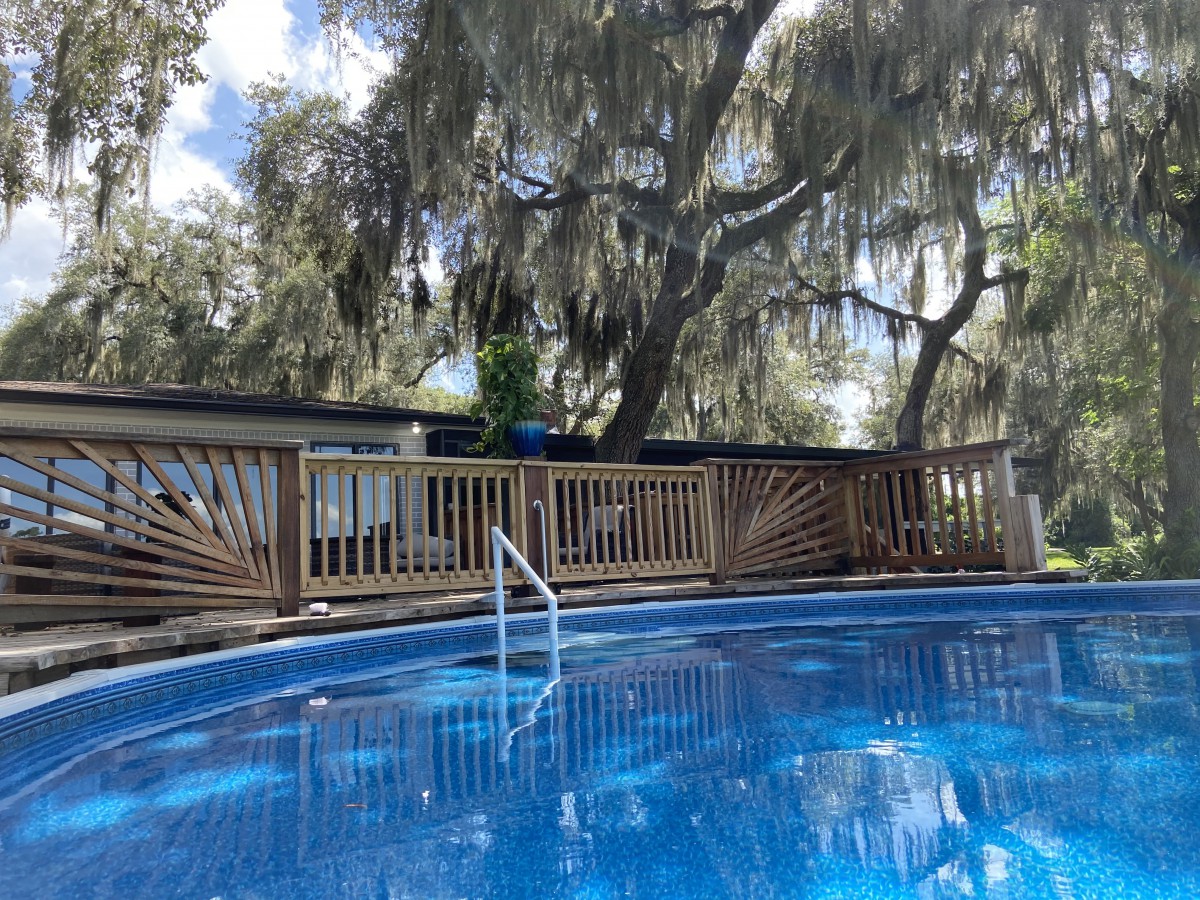
 Swimming pool / hot tub
 Telephone
 Wheelchair accessible showers
 Wi-Fi/high-speed internet available
 Daytona Beach International (18 miles away)
 24-hour supervision
 Ambulatory care
 Assistance with bathing
 Assistance with dressing
 Assistance with transfers
 Diabetes diet
 Diabetic care
 Incontinence care
 Meal preparation and service
 Medication management
 Special dietary restrictions
 Transportation arrangement (medical)
 Transportation to doctors appointments
 Art classes
 Brain fitness
 Cooking classes
 Karaoke
 Live dance or theater performances
 Live musical performances
 Live well programs
 Reminiscence programs




 Social Security Benefits and Assisted Living: Navigating Options Across the U.S.
 An Extensive Exploration of the VA Aid and Attendance Benefit
 Senior Transition Services: Understanding Their Role, Cost, and Importance