120 West North Street, De Land, FL 32720
For more information about senior living options: (866) 208-4318
Rose Manor Costs & Pricing
Rose Manor offers a competitive pricing structure for both semi-private and private rooms when compared to the broader market in Volusia County and across Florida. With semi-private room rates set at $2,600 per month, residents benefit from significant savings, as this is notably lower than the county average of $3,143 and the state average of $3,009. Similarly, Rose Manor's private room rate of $2,800 not only presents a more affordable option compared to Volusia County's average of $4,168 but also undercuts the state average of $3,699. This positioning highlights Rose Manor's commitment to providing quality care at accessible prices, making it an appealing choice for individuals seeking supportive living arrangements.
| Floor plans | Rose Manor | Volusia County | Florida |
|---|---|---|---|
| Semi-Private | $2,600 | $3,143 | $3,009 |
| Private | $2,800 | $4,168 | $3,699 |
Overall Review of Rose Manor
Pros
 The facility is described as great and would be highly recommended.
- The staff, the homelike atmosphere, and the food impressed the reviewer.
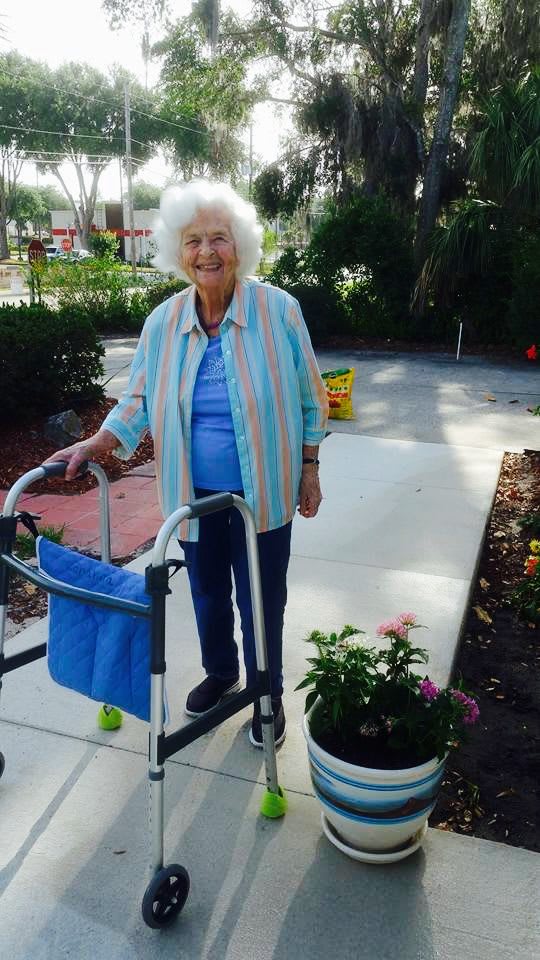
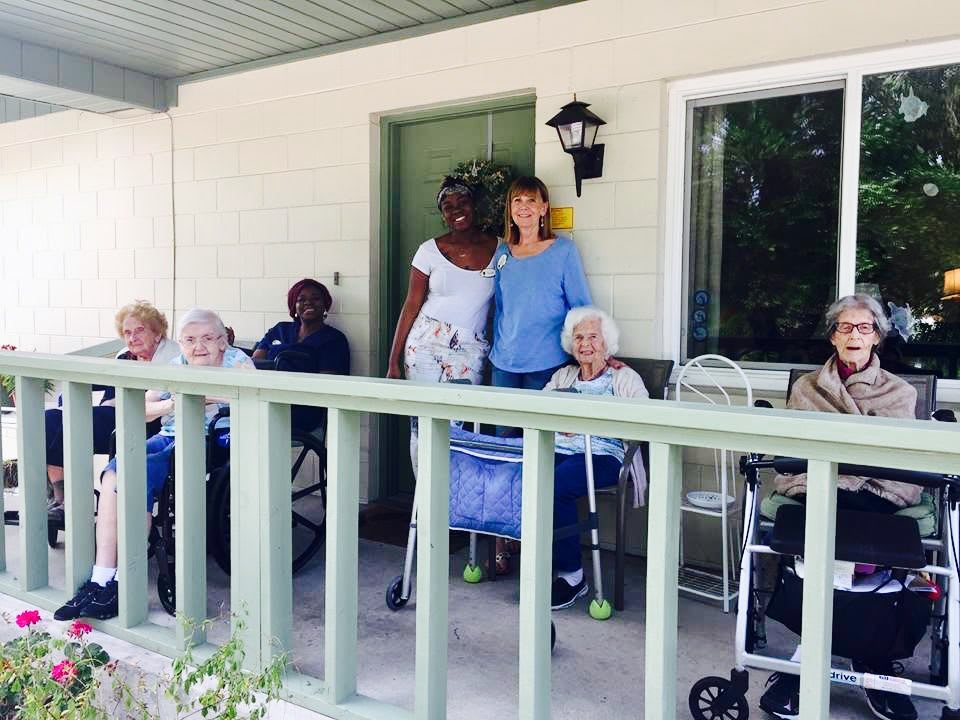
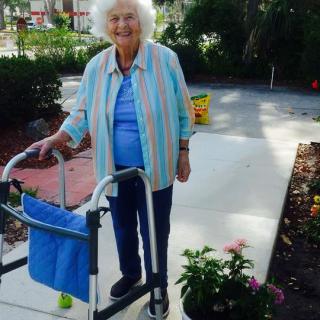
- The place is adorably cozy, and the residents seem genuinely happy to be there.
- Rose Manor is delightful, with amazing people and a homelike atmosphere, and is highly recommended.
- The facility features great, kind people and would be highly recommended to others.
Cons
 The facility is awful: cramped, with no activities, and residents plopped in front of the TV all day with no mingling, which is very depressing.
- The owner is described as money hungry.
- The staff for dementia care is inexperienced.
- The facility is disgusting.
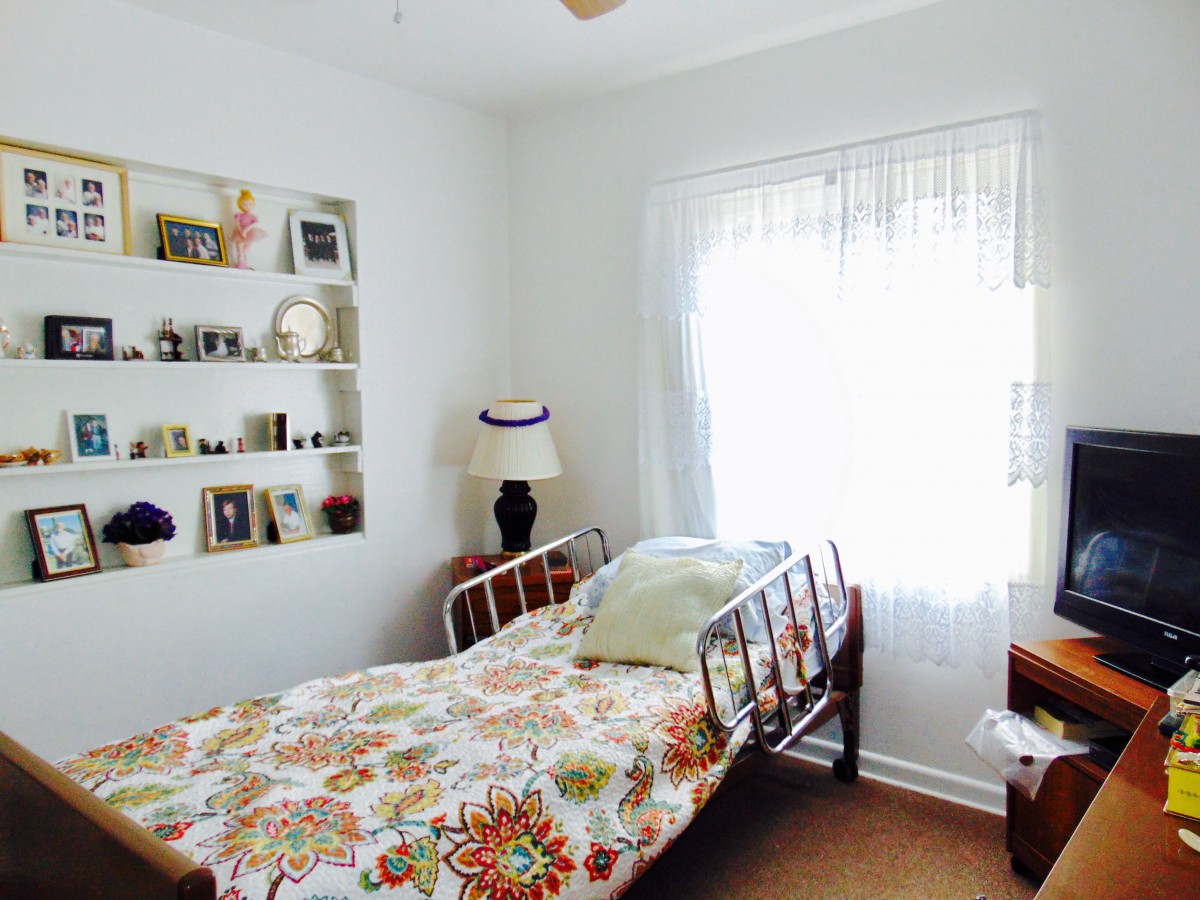
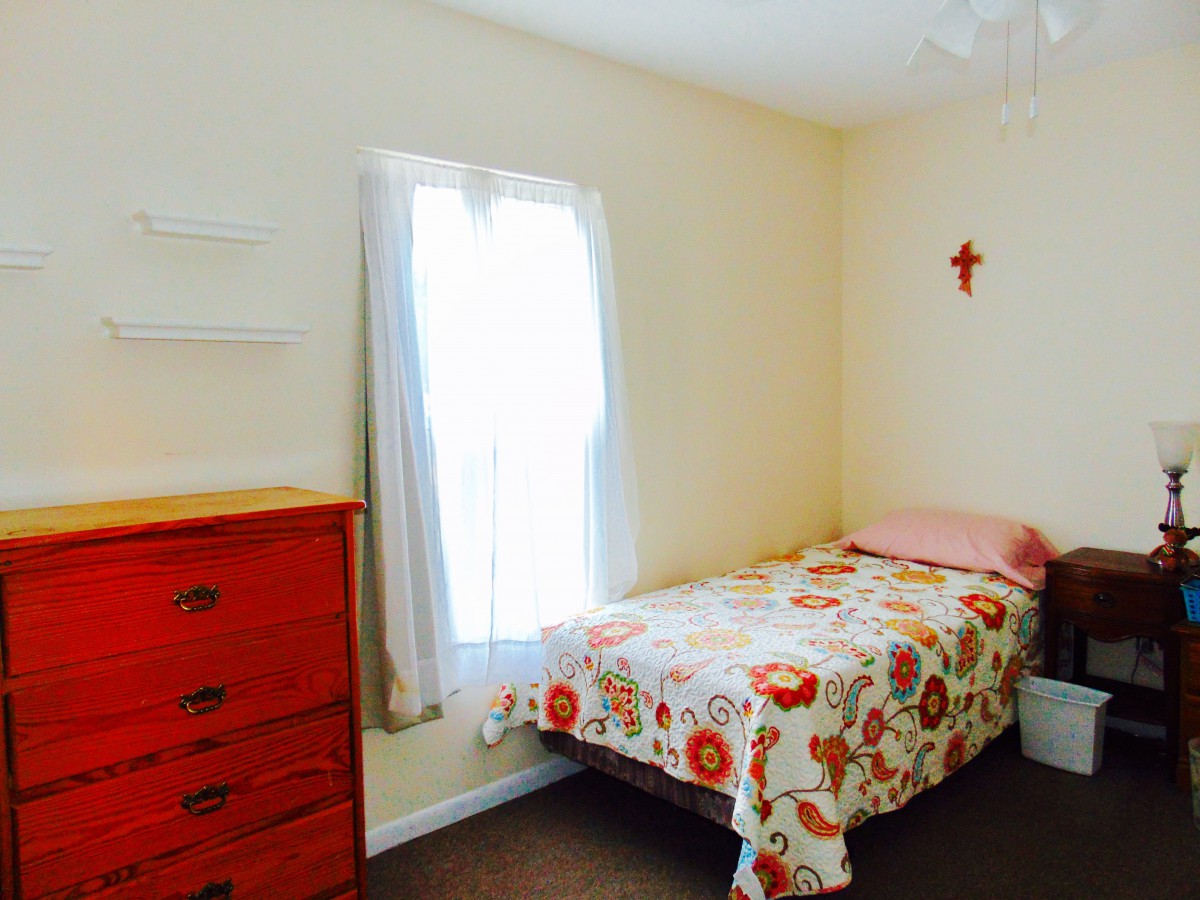
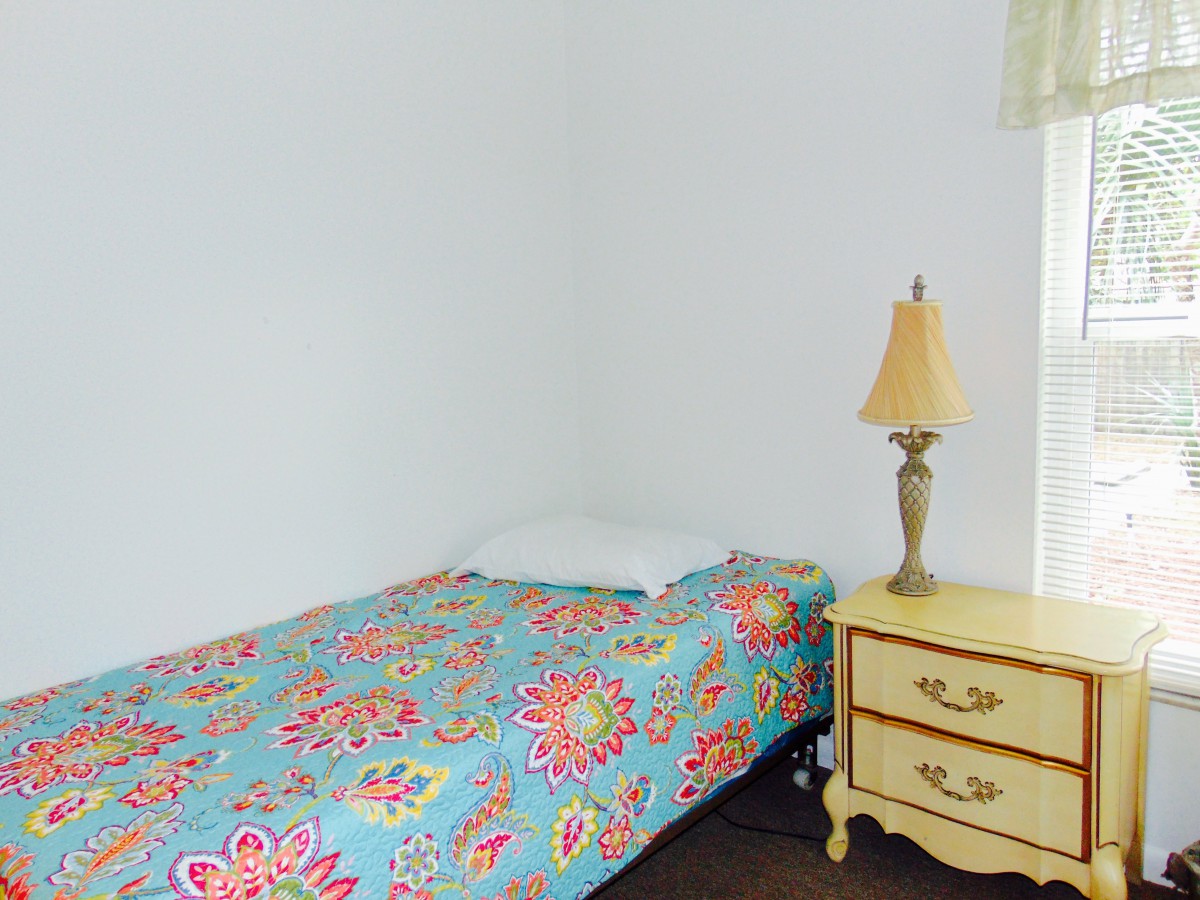
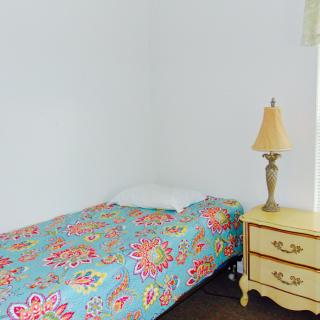
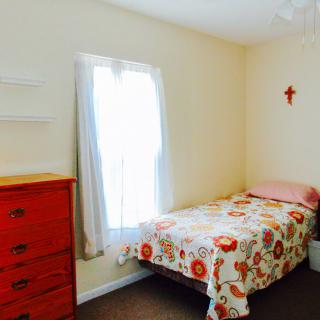
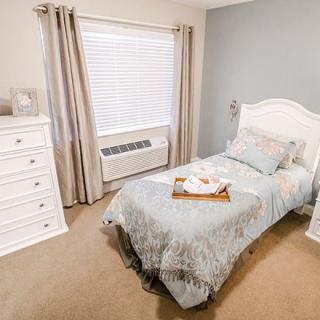
- It was a very small home, licensed for about ten residents, with some sharing very small rooms with two beds, making it crowded and depressing.
Review
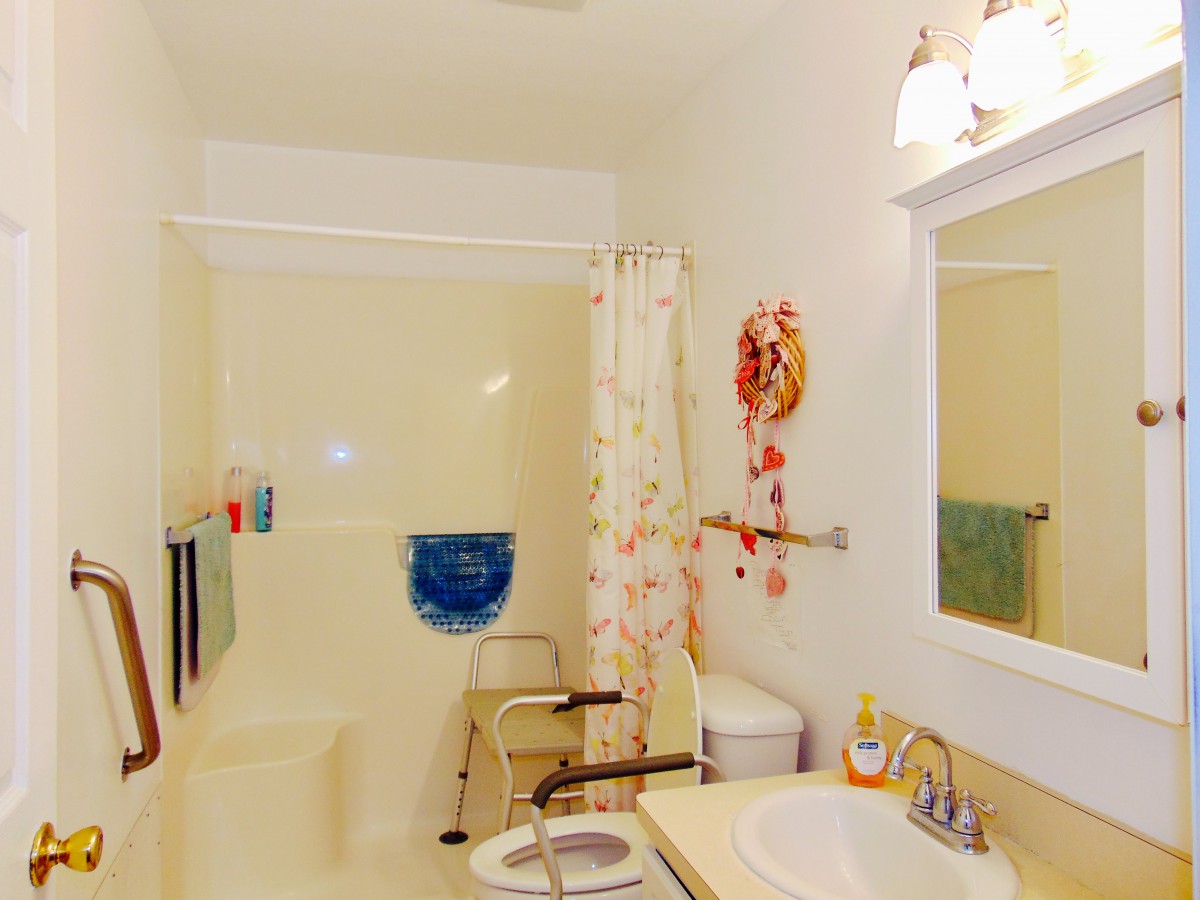
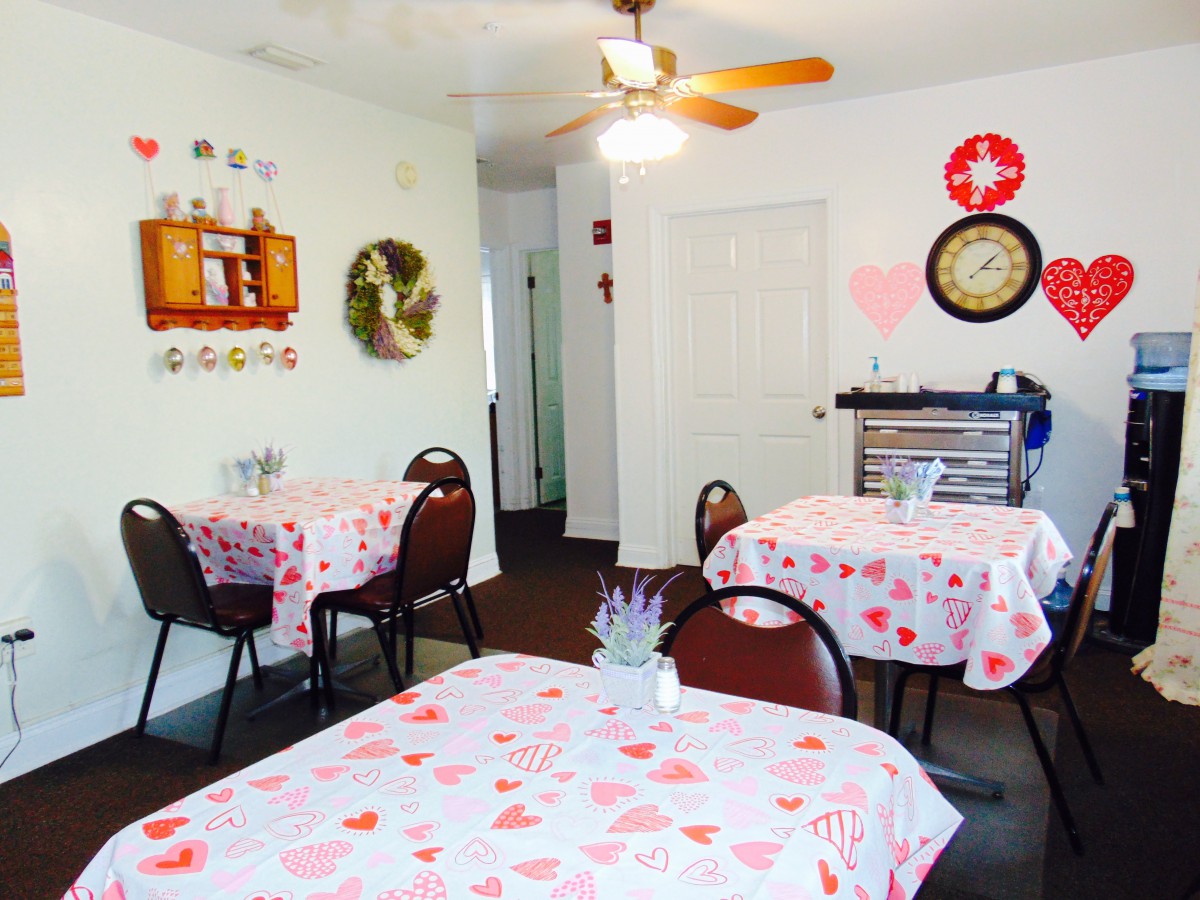
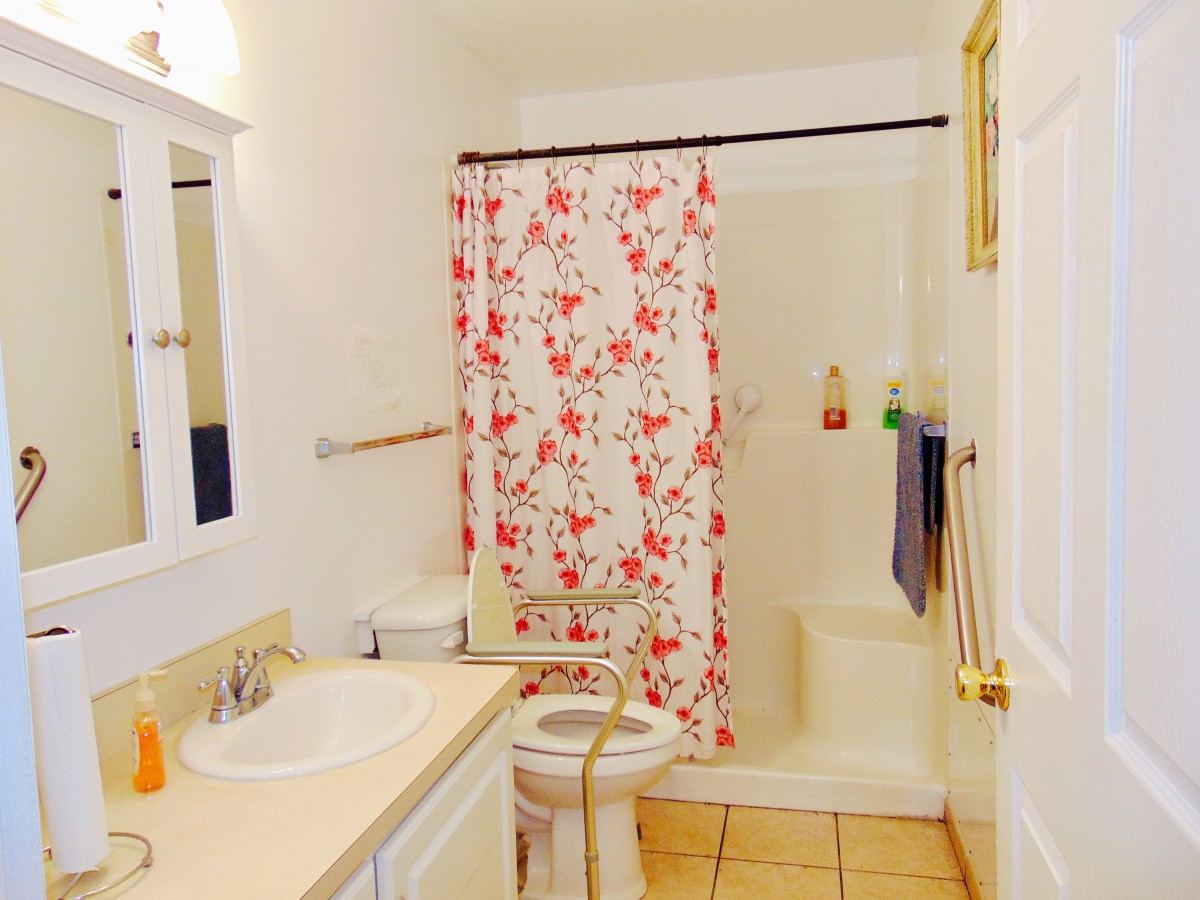
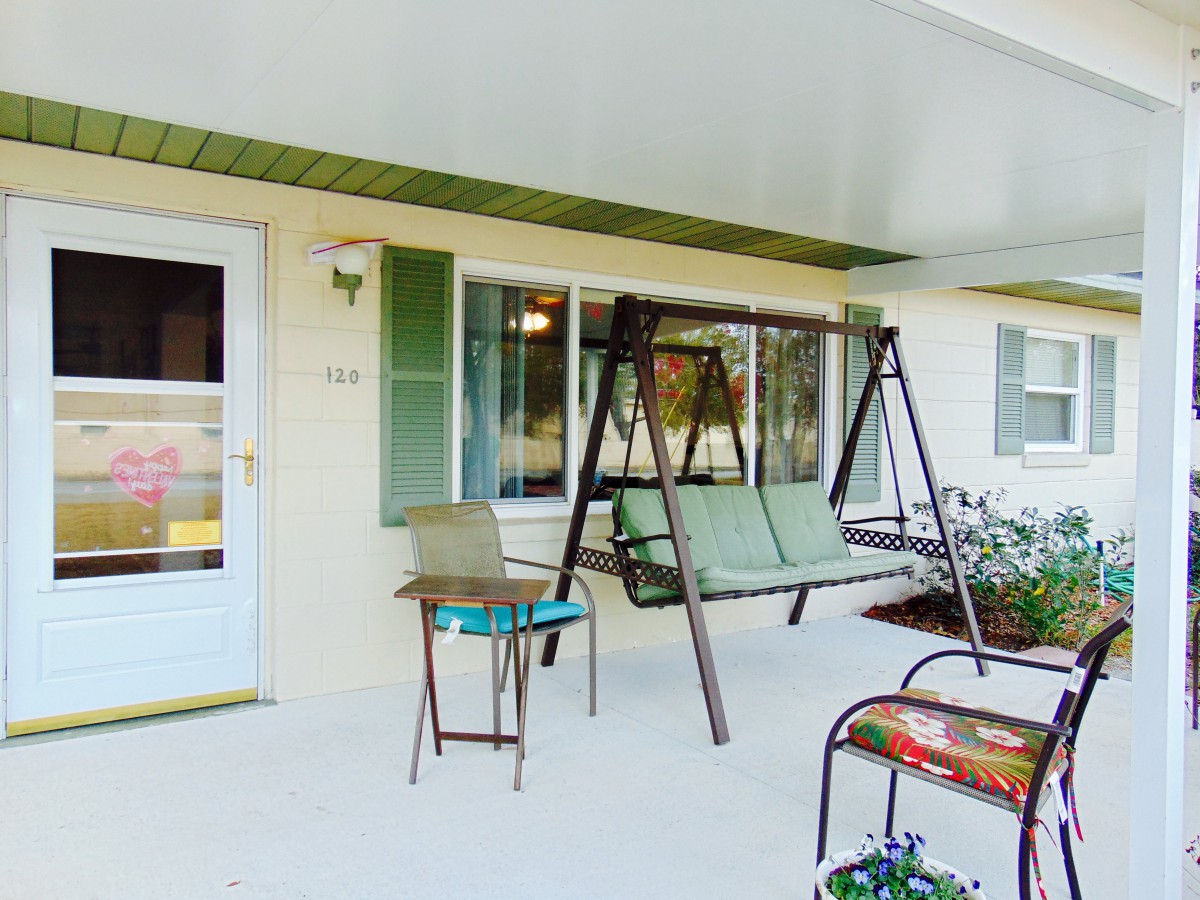
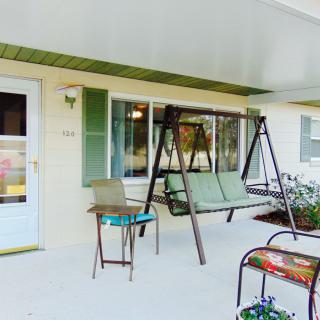
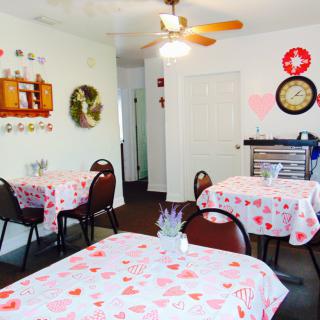
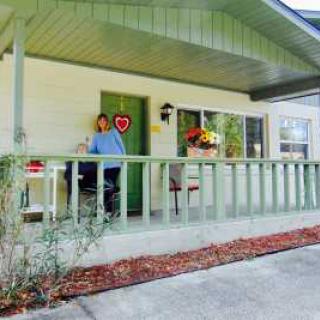
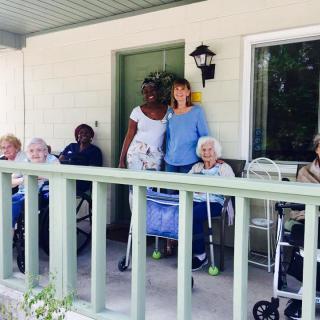
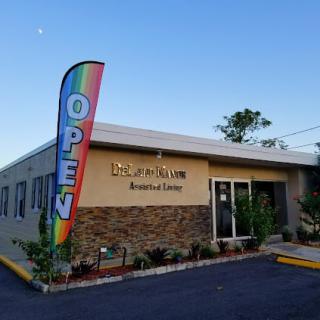
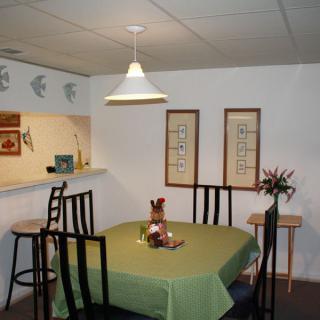
Rose Manor in DeLand is best suited for seniors who prize a warm, homelike atmosphere and attentive, approachable staff over a sprawling campus with a wide slate of activities. Families weighing a quiet, intimate setting will find the strongest appeal in this community’s emphasis on personal connections, clean and welcoming spaces, and a cuisine that residents appear to enjoy. Reviewers repeatedly describe a homely vibe where residents seem genuinely content and staff members come across as kind, patient, and accessible to families. For someone who values a small-town feel and personal attention more than architectural scale or a flood of scheduled events, Rose Manor presents a compelling fit.
Those who should consider alternatives are families seeking robust daily programming, significant socialization opportunities, or specialized dementia care with explicit staffing and program guarantees. The same observations that celebrate coziness also spotlight limits: a very small footprint, with reports of compact living quarters and shared rooms that can feel crowded. A portion of reviewers conveyed concern about activity variety and the level of engagement for residents who crave a busier daily routine. For seniors who require broader social calendars, larger common areas, or deeper memory-care expertise, alternatives in the DeLand area or nearby communities may align better with expectations.
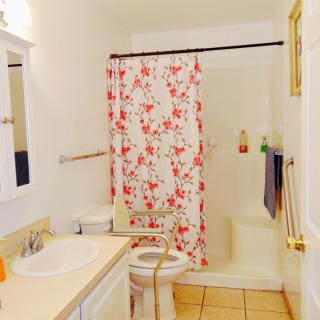
The strongest positives center on people and atmosphere. The staff’s warmth, the homelike environment, cleanliness, and solid food are consistently cited as standout strengths. Residents appear happy, and the perceived sense of community can translate into a reassuring, low-stress daily life for families prioritizing connection and calm. This combination, caring personnel, a welcoming layout, and a home-like rhythm, functions as a meaningful counterweight to the disadvantages noted by some residents and families. In practical terms, Rose Manor delivers a credible, comfortable option for households prioritizing relational care and a soothing residential feel.
Yet several substantive drawbacks temper the overall appeal. The facility’s very small size translates into cramped spaces and shared rooms in some cases, limiting privacy and personal space. The critique that there are few activities and limited opportunities for meaningful social interaction is not uncommon in the reviews, and it can leave residents feeling passive or tag-along in a more TV-centered day. A few voices also raise concerns about the dementia-care capability and staff experience in handling complex needs, suggesting inconsistency in the level of specialized care across residents. Finally, anecdotes about management focus and responsiveness contribute to a perception that the operation may be more small-business intimate than large-scale professional, which matters to families evaluating accountability and long-term stability.
In weighing the positives against the negatives, Rose Manor works best for families who value a nurturing, homelike environment and highly approachable staff, and who are comfortable with a smaller, quieter footprint. The offset is clear when a resident thrives on personal attention, enjoys a calmer daily routine, and does not require a full slate of resident-driven activities. However, for those who cannot compromise on room privacy, daily engagement, structured memory-care programs, or expansive facilities, the cons loom large enough to justify looking elsewhere. The decision hinges on what the resident and family deem non-negotiable: intimate, personable care versus breadth of activity, space, and specialized dementia support.
For families seriously considering Rose Manor, a disciplined, purpose-driven visit is essential. Focus tours on room configurations, daily activity schedules, and the availability of private spaces; probe memory-care staffing ratios, training, and emergency responsiveness; review fee structures and what is included in care plans. Ask to see how a typical day unfolds, how family visits are integrated, and what happens when a resident’s needs shift. If the resident thrives in a low-stimulation, intimate setting and the care plan can be tailored to emphasize companionship and routine, Rose Manor becomes a strong, practical choice. If comfort with a busy activity calendar, larger-scale amenities, or high-level dementia specialization is non-negotiable, pursuing alternatives that clearly meet those criteria is prudent.
 10 resident community capacity
 Assisted Living
 Board and Care Home
 Respite Care
 Air-conditioning
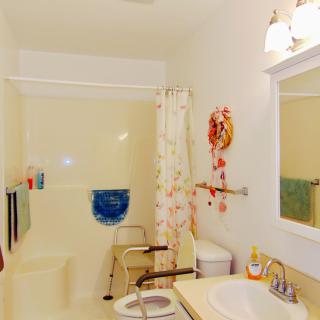
 Bath tubs
 Cable or satellite TV
 Dining room
 Fully furnished
 Garden
 Housekeeping services
 Indoor common areas
 Move-in coordination
 Outdoor common areas
 Private
 Telephone
 Wi-Fi/high-speed internet available
 Daytona Beach International (17 miles away)
 24-hour supervision
 Activities of daily living assistance
 Ambulatory care
 Assistance with bathing
 Assistance with dressing
 Assistance with transfers
 Diabetes diet
 Diabetic care
 Meal preparation and service
 Medication management
 Special dietary restrictions
 Transportation arrangement (medical)
 Transportation to doctors appointments
 BBQs or picnics
 Birthday parties
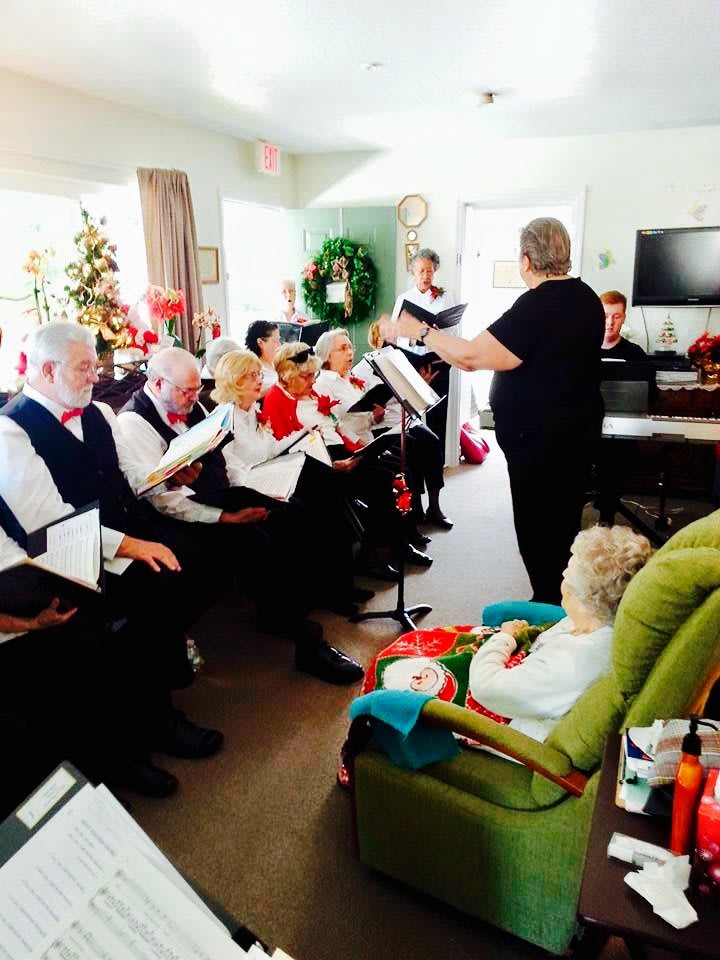
 Live musical performances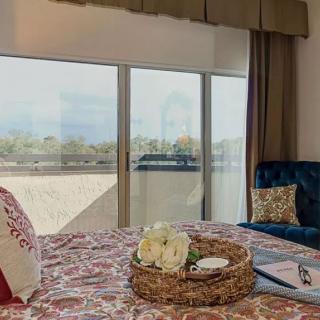


 Assisted Living and Memory Care: Understanding Their Core Differences
 Beyond the Bingo Hall: 50+ Enriching Activities for Seniors in Assisted Living
 Understanding the Distinctions: Assisted Living and Memory Care Explained