For more information about senior living options: (866) 208-4318
3.2 from 143 reviews
5 stars
63
4 stars
13
3 stars
5
2 stars
11
1 stars
51
Overall Review of Ridgecrest Nursing And Rehabilitation Center
differentiator18 reviews mention this
Therapy is often praised
Physical and occupational therapy are repeatedly described as helpful and motivating.
Many reviews highlight the rehab therapy team as a key reason residents and families felt progress was possible. A number of visitors specifically mention the therapists pushing residents appropriately while also working with limitations. Several reviews also call out the therapy experience as a standout compared with other parts of the stay.
caveat22 reviews mention this
Food quality draws complaints
Food is a frequent source of frustration, with concerns about temperature and timing.
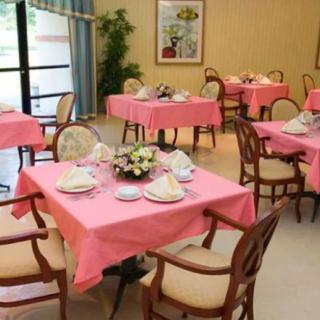
Residents and families repeatedly describe meals as cold, delayed, or not meeting expectations, including complaints about hunger when items are left off trays. Several reviews also mention diabetes-related diet concerns or difficulty getting appropriate substitutions. A smaller number of reviewers mention that the food was acceptable or that residents liked it, but the overall pattern of comments about meal quality is negative.
caveat16 reviews mention this
Staff communication and call response
Call light response and follow-through are described as inconsistent.
A recurring concern in reviews is difficulty getting timely help—especially when families describe long waits for call lights or unanswered phone calls. Some reviewers connect these gaps to staffing being short, which they say can lead to delayed attention and missed follow-up. On the positive side, other reviews describe staff answering quickly and keeping families informed, but those experiences are not consistent across reviews.
caveat15 reviews mention this
Cleanliness and pest issues
Cleanliness concerns include reports of pests and rooms not being consistently maintained.
Multiple reviews raise worries about cleanliness, including reports of roaches or other pest activity and complaints about odors. There are also mentions of housekeeping inconsistencies, such as rooms or bathrooms not staying clean. A few reviewers describe the facility as clean and odor-free, but the negative cleanliness accounts appear often enough to be a recurring theme.
common19 reviews mention this
Care teams show compassion
Staff members are frequently described as kind, respectful, and attentive to residents.
Many reviews praise the interpersonal side of care, with families describing respect, dignity, and compassion from nurses, CNAs, and therapy staff. Some reviewers single out specific staff members for going above and beyond, including helping residents feel welcomed and supported. At the same time, several negative reviews describe unacceptable attitude, neglect, or inadequate care, suggesting the bedside experience can vary.
common4 reviews mention this
Outdoor features and activities
Residents appear to enjoy outdoor time and scheduled activities.
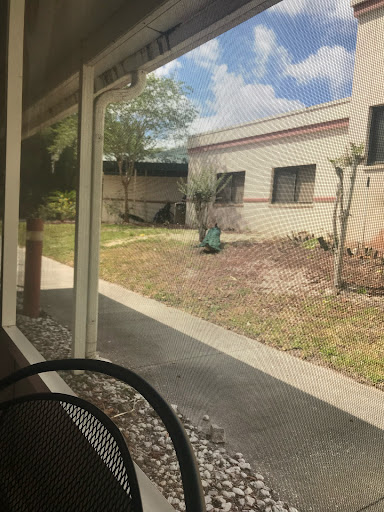
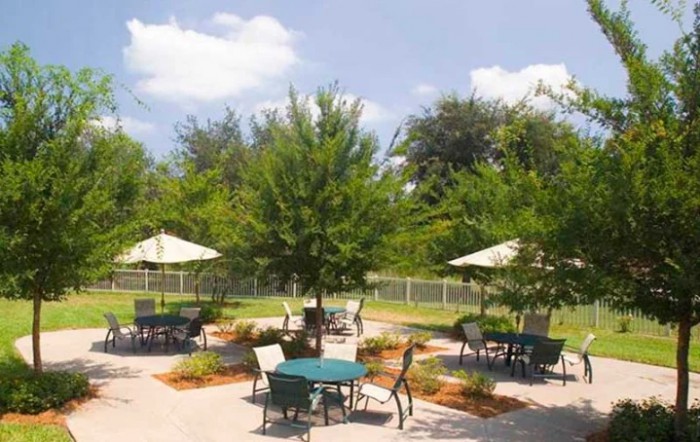
Several reviews mention taking residents outside and describe the outdoor environment as a positive change of pace. A few also reference the community’s activity programming as something that helps keep residents engaged and connected. Residents and families who valued day-to-day routine often tied those moments to named staff and planned events.
How we summarize
Counts show how many written reviews mention each theme; a review can touch several themes, and only frequently mentioned themes are displayed.
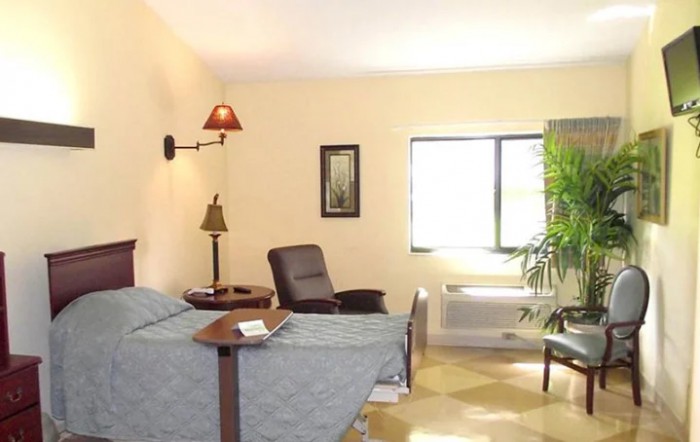
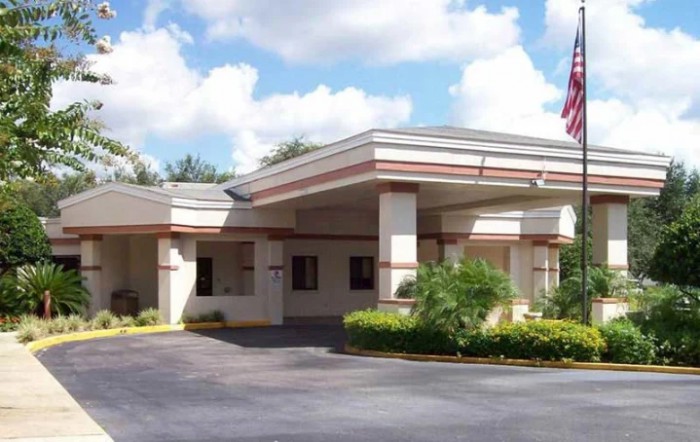
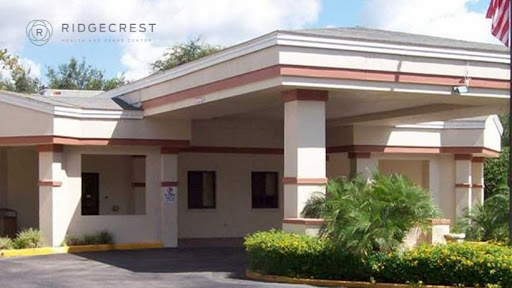
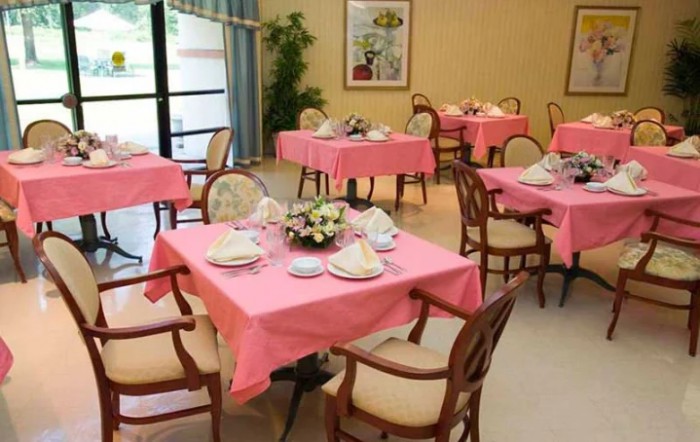
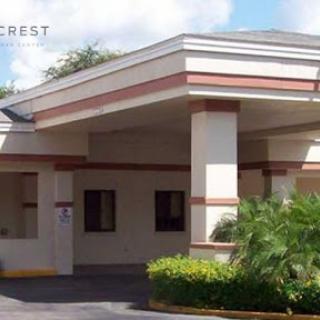
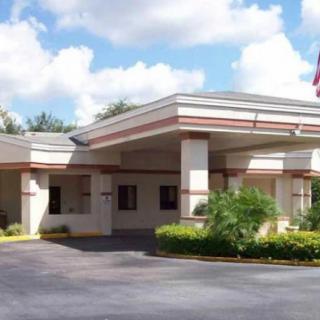
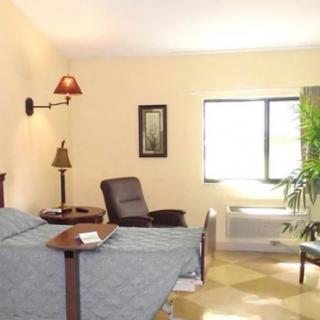
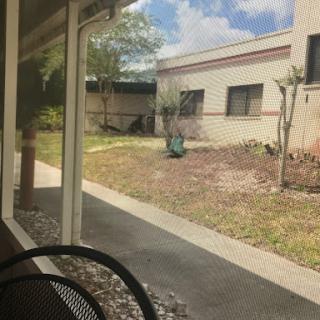
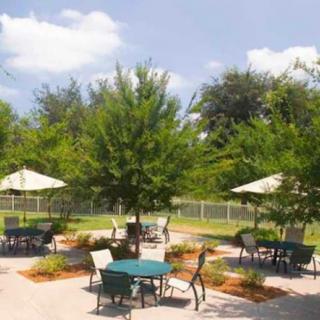
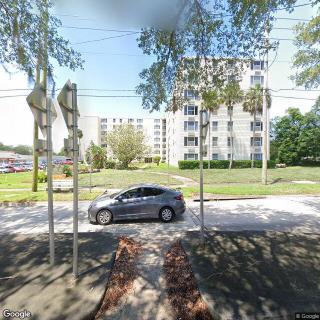
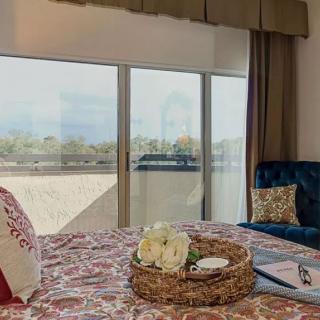
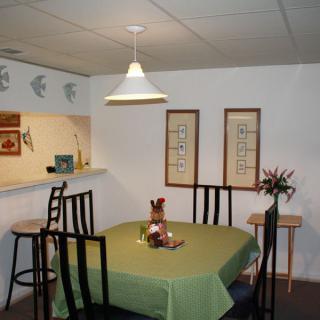
Ridgecrest Nursing And Rehabilitation Center on seniors.fyi includes 6 photos including images showing landscaping, dining, interior, outdoor, trees, nature, bedroom, building, and more.
Nearby Communities
Brookdale DeLand
De Land, FL
4.5 from 103 reviews
$3,060 to $5,040 / month
Dedicated staff with engaging activities and a warm, home-like atmosphere.
Rose Manor
De Land, FL
4.1 from 15 reviews
Homelike atmosphere with caring staff and affordable rates.
Hugh Ash Manor
Deland, FL
3.8 from 19 reviews
Diverse, active community with reliable transportation and engaging amenities.
Parkview Assisted Living
De Land, FL
Small, home-like community with 24/7 supervision and personalized daily living assistance.
Grand Villa of DeLand
DeLand, FL
4.7 from 252 reviews
$2,095 to $3,795 / month
Friendly, attentive staff; clean, safe environment with engaging activities and appealing amenities.
The Good Shepards Of Deland West
De Land, FL
4.7 from 7 reviews
Homely atmosphere with comfortable rooms and personalized activities.
DeLand Manor Assisted Living
Deland, FL
5 from 21 reviews
$2,800 to $3,600 / month
Clean, attentive staff in a well-maintained small community with competitive pricing.
Parkside Health And Rehabilitation Center
Deland, FL
4.1 from 104 reviews
Empathetic staff with clear family communication.
Woodland Towers
De Land, FL
4.5 from 96 reviews
$2,000 to $3,525 / month
Excellent staff, engaging activities, and spacious, well-maintained apartments.
Weight training is vital for seniors to maintain muscle mass, bone density, and overall health, combating age-related declines through customized resistance exercises that enhance balance and well-being. Safe routines should start with realistic goals and proper form, while emphasizing gradual progress and consultations with healthcare providers to ensure safety and effectiveness.
The Sandwich Generation comprises adults managing the dual responsibilities of caring for aging parents and raising children, leading to significant emotional, logistical, and financial challenges. This situation is exacerbated by longer life expectancies and cultural expectations, necessitating effective coping strategies and support resources to alleviate caregiver stress and burnout.
The article highlights eight essential assistive devices that improve the independence and safety of older adults, addressing issues related to mobility, balance, vision, hearing, and dexterity. It emphasizes the importance of proper selection guided by healthcare professionals to enhance seniors' quality of life while allowing them to age in place.
Ridgecrest Nursing And Rehabilitation Center photos
×
Interior
Building
Architecture
Bedroom
Trees
Outdoor
Interior
Bedroom, Windows, and Plant
Dining and Table Settings
Landscaping
Building and Exterior
Architecture and Entrance
Trees, Outdoor, and Nature
Patio and Umbrellas
Pathway and Courtyard
Flag
Palm Trees
Get PricingAsk A QuestionSchedule A TourContact Senior Advisor
By clicking submit, you agree to our Partner's Terms of Use. You
also consent to receive calls and texts, which may be autodialed, from our Partner. Your consent is not a condition to
using our Partner's service. Please visit our Partner's Privacy Policy for information about their privacy practices.

 150 resident community capacity
 Skilled Nursing Facility
 Air-conditioning
 Beauty salon
 Cable or satellite TV
 Computer center
 Dining room
 Fitness room
 Fully furnished
 Gaming room
 Garden
 Housekeeping services
 Kitchenette
 Move-in coordination
 Outdoor space
 Private bathrooms
 Restaurant-style dining
 Small library
 Telephone
 Wellness center
 Wi-Fi/high-speed internet available
 Daytona Beach International (18 miles away)
 Community operated transportation
 12-16 hour nursing
 24-hour call system
 Activities of daily living assistance
 Assistance with bathing
 Assistance with dressing
 Assistance with transfers
 Diabetes diet
 Medication management
 Mental wellness program
 Special dietary restrictions
 Concierge services
 Planned day trips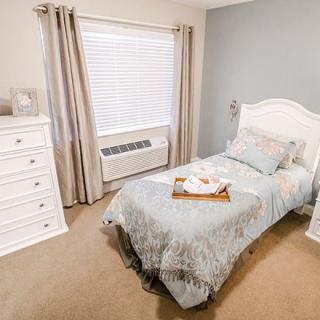
 Dedicated staff with engaging activities and a warm, home-like atmosphere.


 Weight Training for Seniors: Building Strength and Vitality
 Understanding the Sandwich Generation: Stress and Responsibilities for Multigenerational Caregivers
 8 Essential Assistive Devices for Older Adults