
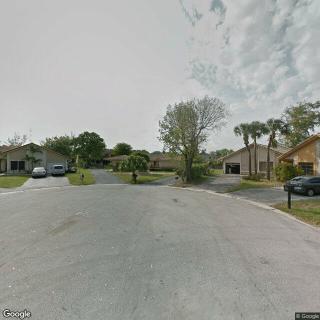
10215 North West 17Th Street, Pompano Beach, FL 33071
For more information about senior living options: (866) 208-4318
Overall Review of Quality Care Assisted Living Facility
Pros
 The staff at Quality Care are like extended family.
- They are able and dedicated in caring for residents in a loving way.
- Their meals are deliciously homemade.
- The care provided allows families to sleep soundly at night without worry.
- The staff are warm and friendly and take good care of residents.
- The facility is very clean and feels like a home away from home.
Cons
 The owner and staff of this facility are extremely rude and unprofessional.
- They treat their patients with the least care as possible.
- They take belongings to residents.
Review
Quality Care Assisted Living Facility in Pompano Beach is best suited for families seeking a warm, intimate environment where caregivers feel like an extended family and daily life centers on comfort, familiarity, and home-style meals. This community appeals most to seniors who value emotional reassurance, steady companionship, and a setting that emphasizes meals and a comforting routine over formal pomp. For residents who thrive on genuine interpersonal warmth, predictable daily rhythms, and the sense that staff know them by name, Quality Care offers a reassuring, almost “family-like” atmosphere that can translate into meaningful peace of mind for families watching over a loved one.
That said, this community may not be the right fit for every family. Those who prioritize uncompromising professionalism, rigid adherence to policy, and explicit safeguarding of personal belongings should explore other options. A negative voice in the reviews raises a red flag: allegations of rude, unprofessional treatment and even the perception of belongings being mishandled or taken. While these sentiments appear in a single account amid mostly positive feedback, they are serious enough to warrant caution and further verification before choosing. In short, if a resident’s safety and the formal boundaries around care and possessions are non-negotiable, alternatives deserve serious consideration.
On the upside, the strongest pros cluster around relational warmth and daily life quality. The staff are repeatedly described as caring, devoted, and genuinely affectionate, capable of easing family worry by providing attentive, compassionate care that feels personal rather than robotic. The meals are highlighted as homemade and appealing, supporting good nutrition while offering comfort that resonates with many families seeking homelike routines. Cleanliness and a home-like feel emerge consistently in the praise, reinforcing a sense that a resident’s day-to-day life can be calm and familiar, with predictable, approachable staff who remember routines and preferences.
The main cons, if they are to be believed across reviews, center on professional boundaries and the handling of personal belongings. The accusation of rude and unprofessional behavior by the owner and staff, coupled with the claim that belongings are taken, cannot be dismissed as minor. Such concerns, if accurate, directly impact trust, safety, and the resident’s sense of security. They threaten the very conditions that make the positive aspects possible: the confidence that one’s loved one is treated with dignity, that care is consistent, and that personal items are safeguarded. The juxtaposition of loving care with a potential lapse in professionalism creates a real risk calculus for families weighing this option.
Overall, the decision hinges on balancing the compelling emotional and lifestyle advantages against the seriousness of the reported professionalism concerns. If a resident prioritizes warmth, family-like attention, and home-cooked meals, and if family members are willing to engage actively in oversight, ask pointed questions, and insist on clear personal-item policies, Quality Care can deliver a strong, reassuring daily experience. The favorable elements tend to offset modest risks when there is trust in ongoing staffing relationships, visible routines, and transparent communication. However, when professional boundaries feel fragile or safeguarding of belongings appears lax, the risk becomes harder to overlook, and alternatives with firmer governance should be pursued.
Practical next steps for families: schedule a comprehensive on-site tour at different times to observe interactions and routines, and request direct opportunities to meet the administrator away from front-desk chatter. Seek explicit answers about staff-to-resident ratios, turnover, and how belongings are tracked and safeguarded. Ask for written policies on personal items, room inspections, and loss or damage procedures, and insist on a test period if feasible. Compare with other local options that emphasize stricter professionalism and standardized care plans. In the end, the choice should align with whether the emotional comfort and homelike atmosphere outweigh the need for unwavering professional boundaries and ironclad personal-item protections.
 6 resident community capacity
 Assisted Living
 Board and Care Home
 Cable or satellite TV
 Dining room
 Fully furnished
 Garden
 Housekeeping services
 Move-in coordination
 Outdoor space
 Telephone
 Wi-Fi/high-speed internet available
 Fort Lauderdale-Hollywood International (14 miles away)
 24-hour supervision
 Activities of daily living assistance
 Assistance with bathing
 Assistance with dressing
 Assistance with transfers
 Diabetes diet
 Meal preparation and service
 Medication management
 Special dietary restrictions
 Transportation arrangement (medical)
 Transportation to doctors appointments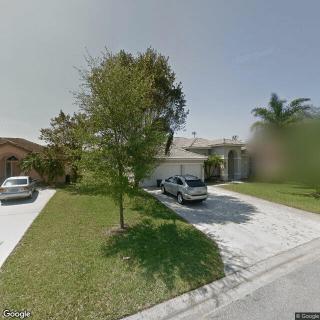




 Assisted Living Expenses and Long-Term Care Insurance: A Comprehensive Exploration
 Securing Financial Support for Assisted Living: A Comprehensive Overview
 Social Security Benefits and Assisted Living: Navigating Options Across the U.S.