
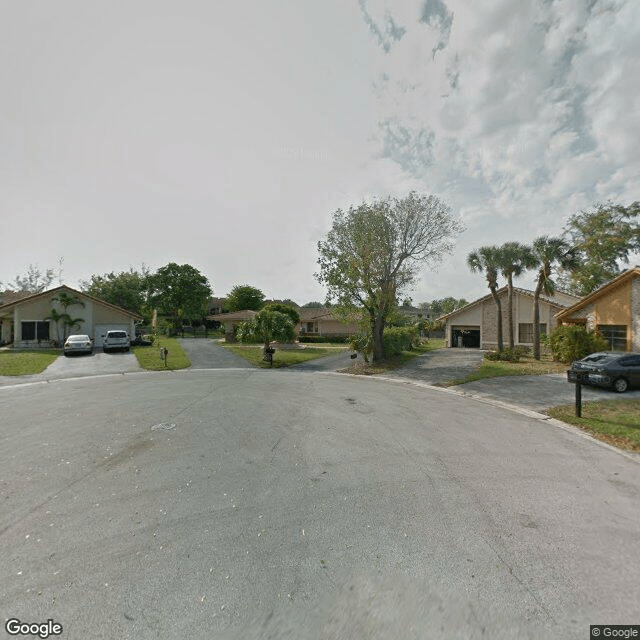
10431 NW 36th st, Coral Springs, FL 33065
To contact a resident: (954) 227-1472
For more information about senior living options: (866) 208-4318
Ranmar Gardens II Costs & Pricing
Ranmar Gardens II offers competitive pricing for assisted living accommodations compared to both Broward County and the broader state of Florida. For a semi-private room, the cost stands at $2,500 per month, which is notably lower than the county average of $2,902 and the state average of $3,009. In terms of one-bedroom options, Ranmar Gardens II charges $4,000 monthly - just slightly above Broward's average of $3,651 but still competitive with Florida's average of $3,864. The private room rate is set at $4,500, which exceeds both Broward County's average of $3,725 and the statewide figure of $3,699. Overall, Ranmar Gardens II presents an attractive option for those seeking affordable yet quality assisted living in comparison to regional and state benchmarks.
| Floor plans | Ranmar Gardens II | Broward County | Florida |
|---|---|---|---|
| Semi-Private | $2,500 | $2,902 | $3,009 |
| 1 Bedroom | $4,000 | $3,651 | $3,864 |
| Private | $4,500 | $3,725 | $3,699 |
Senior living communities with a similar price nearby
-
from -$100 / mo
Ana's Assisted Living Facility
$2,400 / month18.0 miles away -
from -$100 / mo
Joy Peace & Love ALF, LLC
$2,400 to $3,300 / month11.4 miles away -
About the same
Anne Adult Family Care Home
$2,500 / month13.2 miles away -
from +$200 / mo
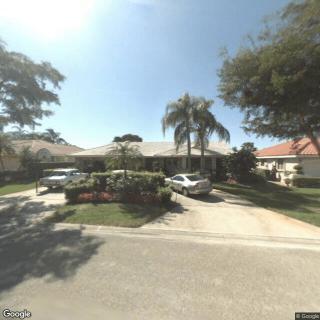
Portland Assisted Living Facility
$2,700 to $4,400 / month3.4 miles away -
from +$400 / mo
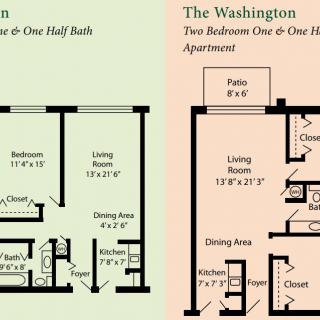
Independence Hall
$2,900 to $4,572 / month11.8 miles away
Overall Review of Ranmar Gardens II
Pros
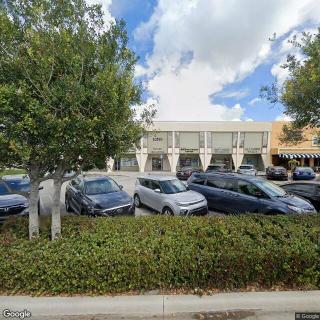
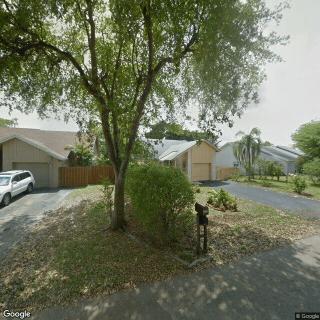
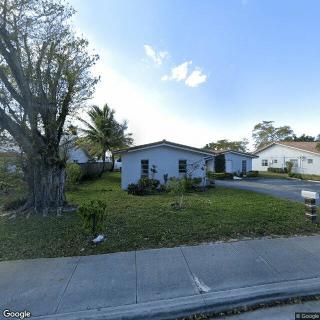
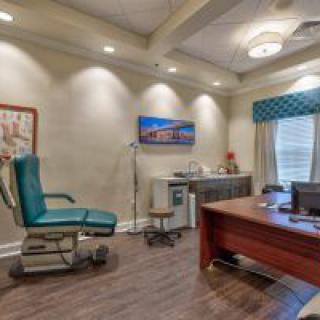
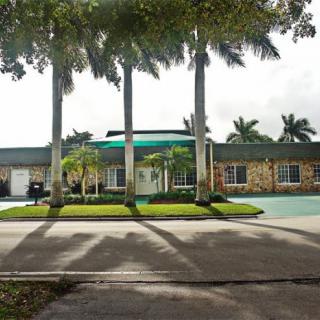
 The surroundings are peaceful and clean, and the building is nice.
- The facility provides great care, is clean, and has lovely staff.
- Ranmar is described as the most caring, cleanest, and attentive facility the reviewer found.
- The mother is happy there and well cared for.
- The staff are wonderful people.
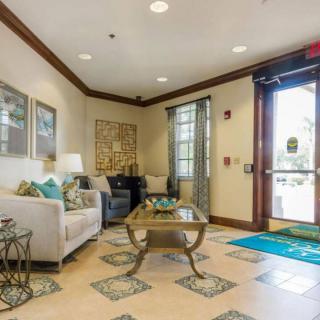
- The facility is very clean, well kept, and homely.
Review
Ranmar Gardens II in Coral Springs, FL is best suited for seniors who want a peaceful, clean, homelike setting delivered by genuinely caring staff. The community earns its strong reputation through a practical, warm culture that puts daily comfort, safety, and personal connection at the forefront. For families seeking dependable, compassionate caregiving over flashy amenities, this facility delivers reassurance and steady, attentive support that translates into genuine peace of mind. The environment is calm and uncluttered, not clinical, which makes it an excellent match for residents who thrive on routine, familiar routines, and quiet dignity.
Those who may want to consider alternatives are typically families facing higher medical complexity or specialized memory-care needs. If a loved one requires around-the-clock medical supervision, rapid crisis management, or a memory-care program with more structured cognitive therapies, other communities with broader medical staffing and niche care tracks may be more appropriate. Similarly, if a larger campus with more extensive activity calendars, upscale amenities, or highly visible hospital partnerships is a priority, it’s prudent to compare options. The strength here lies in warmth and reliability; for certain clinical expectations, alternatives could offer a closer alignment.
The core pros, cleanliness, a homelike atmosphere, and consistently attentive staff, offset the main concerns families often have about care communities: safety, comfort, and the assurance that a caregiver is genuinely present. The facility’s well-kept surroundings reduce environmental stress and foster a sense of security, while caregivers described as caring, patient, and pleasant provide dependable, day-to-day support. When worry centers on whether a loved one is receiving respectful, timely assistance, the strength of caregiving in this community becomes the decisive factor. In this light, the positives significantly outweigh potential doubts about non-clinical amenities.
Further reinforcing the decision is the notable staff and leadership dynamic documented by families. Testimonials point to a patient, loving owner and a team of aides who are approachable and attentive, with meals described as attractive and well prepared. This combination matters because it translates into predictability of routine, quality of interaction, and emotional sustenance, elements that often determine whether a resident feels truly at home. A facility that consistently blends cleanliness with a culture of care tends to produce residents who are not merely managed but valued, and families who sleep easier knowing their loved one is treated with dignity.
Prospective families should approach a tour with a clear set of practical checks: inquire about staffing ratios and turnover, how care plans are crafted and updated, and how communications with families are maintained. Observe safety features, meal quality, daily schedules, and opportunities for family involvement. While the reviews paint a compelling picture of reliability and warmth, the real measure comes from firsthand experience and direct conversations with caregivers who would support the loved one every day. The strongest move is to verify fit through a visit that focuses on daily life, resident mood, and the responsiveness of the team to evolving needs.
In the end, Ranmar Gardens II stands out as a practical, solid choice for families prioritizing a peaceful setting and dependable, heartfelt caregiving. It shines for seniors who value a homey atmosphere, consistent routines, and the steady presence of compassionate staff over the spectacle of larger, more impersonal campuses. Those with more intensive medical or memory-care requirements should compare alternatives to ensure alignment with specific care goals. A thoughtful tour, candid discussion of care plans, and direct references will confirm whether this community matches the desired trajectory. When it does, the confidence gained is substantial and lasting.
 Board and Care Home
 Private
 Fort Lauderdale-Hollywood International (16 miles away)

 Home Health Care Aides: Understanding Their Role and Supporting Your Family
 Urinary Tract Infections in Older Adults: Comprehensive Insights on Symptoms, Treatment, and Prevention
 California's Form 602A: An In-Depth Examination of Senior Care Assessment