
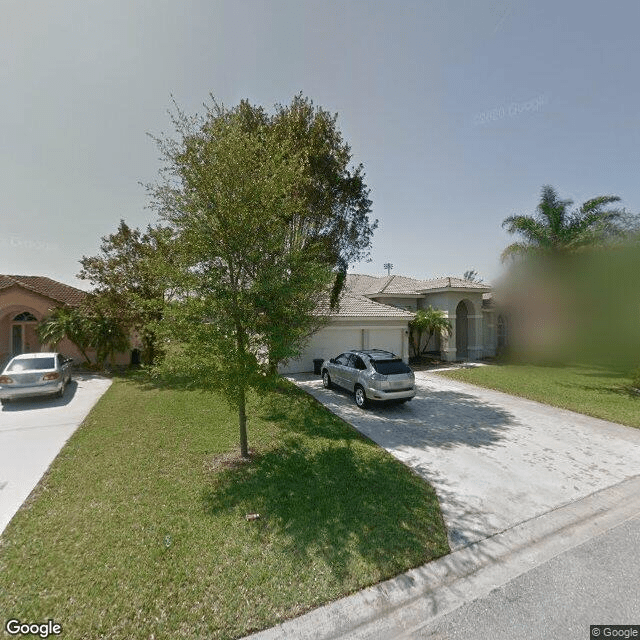
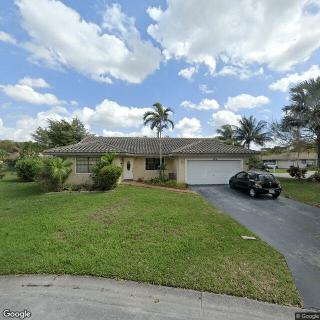
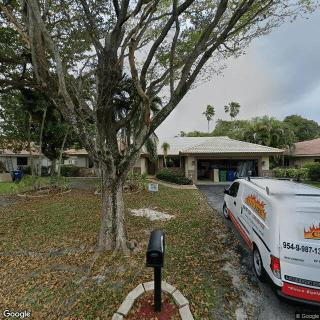
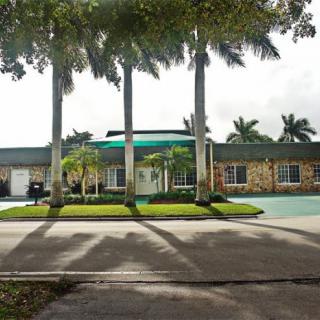
1342 NW 104th Drive, Coral Springs, FL 33071
To contact a resident: (954) 263-5775
For more information about senior living options: (866) 208-4318
The Gardens at Maplewood Costs & Pricing
The Gardens at Maplewood offers competitive pricing for its accommodations when compared to the broader market in Broward County and across Florida. For a semi-private room, the monthly cost is set at $3,000, which is slightly above the county average of $2,902 but remains in line with the state average of $3,009. Private rooms are available for $4,000 each month; this price is notably higher than both the county median of $3,725 and Florida's average of $3,699. Similarly, studio units are priced at $4,000, reflecting a premium compared to the county's average of $3,601 and Florida's statewide average of $3,823. Overall, while The Gardens at Maplewood has positioned itself on the higher end for certain room types, it aims to deliver exceptional value through quality care and services tailored to residents' needs.
| Floor plans | The Gardens at Maplewood | Broward County | Florida |
|---|---|---|---|
| Semi-Private | $3,000 | $2,902 | $3,009 |
| Private | $4,000 | $3,725 | $3,699 |
| Studio | $4,000 | $3,601 | $3,823 |
Memory care communities with a similar price nearby
-
About the same
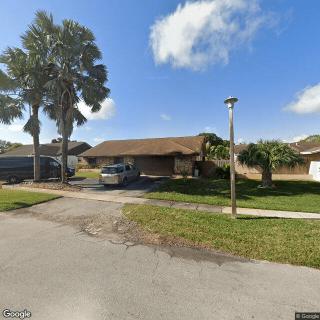
LB Solution Care Group Homes
$3,000 / month15.9 miles away -
from -$500 / mo
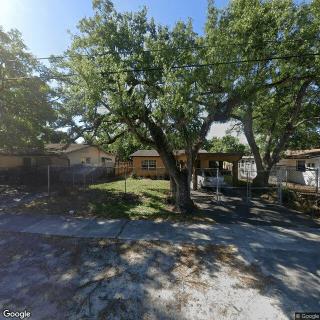
Anne Adult Family Care Home
$2,500 / month11.6 miles away -
from +$515 / mo
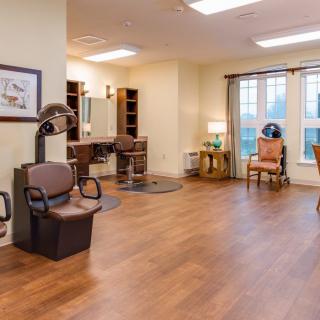
The Landing Of Lake Worth
$3,515 to $5,950 / month24.4 miles away -
from +$295 / mo

Mariposa
$3,295 to $5,110 / month22.4 miles away -
from +$250 / mo
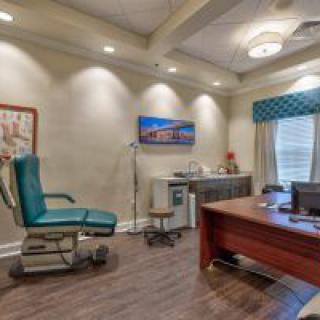
Aston Gardens at Parkland Commons
$3,250 to $5,805 / month3.9 miles away
Overall Review of The Gardens at Maplewood
Pros
 The Gardens Assisted Living is a safe place for loved ones.
- The owners, Andy and Nancy Johnston, are among the most compassionate, knowledgeable, and professional caregivers anywhere.
- The owners of The Gardens are always a phone call away.
- The Gardens is the place to choose for a safe environment for a loved one.
Review
The Gardens at Maplewood in Coral Springs is best suited for families that prioritize a small, intimate, owner-operated atmosphere where compassionate leadership translates into highly attentive, consistently available care. The community is led by Andy and Nancy Johnston, whose hands-on approach and clear commitment to residents come through in every interaction. For families seeking someone to answer questions quickly and to be reachable by phone beyond standard business hours, this property delivers peace of mind through visible, approachable ownership and a consistently engaged caregiving team. In short, this is the choice for families who want a tightly run, personally led environment where the caregivers know the residents well and care deeply.
Those who may want to consider alternatives are those who need a larger campus with a broader menu of programming, more extensive on-site medical services, or specialized care pathways (such as dedicated memory care or short-term rehab) that typically come with bigger operators. If transparency about pricing variations, a wider activity calendar, or a broader slate of therapists and clinicians on site are nonnegotiables, families should compare options that emphasize scale and formal programs. The Gardens at Maplewood offers a focused, personal model that excels in care continuity and accessibility, but it may not meet every imaginable service mix found in larger assisted living networks.
The most salient positives are clear and powerful: the owners’ compassion, knowledge, and professionalism, paired with a responsive communication loop. Caregivers are described as capable and attentive, and the leadership is consistently available to family members and residents alike, which reduces the anxiety that often comes with aging at home or in a less intimate setting. Residents appear to benefit from a calm, safety-forward environment where staff oversight feels deliberate and present. This combination, personal leadership combined with a dependable, hands-on caregiving team, creates a trusted foundation for daily living, helping families rest easy about safety, routines, and day-to-day well-being.
There are no explicit downsides highlighted in the available evaluations, which is itself telling: the strongest value proposition here rests on the direct access to the owners and the evident commitment to safe, steady care. That said, the absence of widely documented negatives does not erase the need for prudent due diligence. Prospective families should still verify current staffing ratios, the exact scope of services, and how care plans are developed and updated. Ensuring the facility can accommodate any specialized medical needs or preferences for daily activities will align expectations with reality. In essence, the strengths offset typical concerns about responsiveness and trust, as long as the ask is for a smaller, owner-led community rather than a sprawling campus.
Decision-makers ready to move forward will benefit from a deliberate site visit that prioritizes meeting Andy and Nancy Johnston, touring resident areas, and observing how staff interact with residents and families. Ask for a typical care plan sample, the process for updating plans, and a transparent breakdown of pricing and what is included in base rates versus add-ons. Request references from current families, and inquire about the availability of respite care, emergency responses, and how emergencies are handled after hours. The purpose is to confirm that the operating philosophy, proximity, accessibility, and deeply personal care, matches the resident’s care goals and the family’s expectations for ongoing involvement.
Bottom line: The Gardens at Maplewood is a compelling option for families who prize a small, connected, owner-driven environment where care leadership is tangible and consistently reachable. The two five-star reviews point to a track record of compassionate, professional care and a safe, resident-focused setting. For those whose criteria include scale, expansive programming, or highly specialized clinical services, alternatives that emphasize larger teams and broader service menus may be more appropriate. For families seeking reassurance through direct leadership and a tightly knit caregiving team, this community stands out as a sound, dependable choice.
 Board and Care Home
 Day Program
 Memory Care
 Private
 Fort Lauderdale-Hollywood International (14 miles away)

 Why Do Dementia Patients Sleep So Much? Understanding Oversleeping, Stages, and Care Approaches
 8 Key Indicators That Suggest It May Be Time to Transition from Assisted Living to Skilled Nursing Care
 Nourishing the Mind: Essential Dietary Approaches for Dementia