1851 W Ten Mile Rd, Cantonment, FL 32533
To contact a resident: (850) 476-1246
For more information about senior living options: (866) 208-4318
Laurelwood ALF Costs & Pricing
Laurelwood Assisted Living Facility (ALF) offers competitive pricing for its residents, particularly when compared to both Escambia County and the broader state of Florida. For a semi-private room, residents pay $2,500 per month, which is significantly lower than the county average of $3,209 and the state average of $3,009. Similarly, for those seeking more privacy in a private room setting, Laurelwood's monthly cost of $3,000 remains much more affordable than the county's average of $4,881 and the state's average of $3,699. This positioning not only underscores Laurelwood's commitment to providing quality care at accessible rates but also highlights its attractiveness in a competitive market where affordability is key.
| Floor plans | Laurelwood ALF | Escambia County | Florida |
|---|---|---|---|
| Semi-Private | $2,500 | $3,209 | $3,009 |
| Private | $3,000 | $4,881 | $3,699 |
Senior living communities with a similar price nearby
-
About the same
FL Memory Lane
$2,500 to $3,500 / month7.5 miles away -
from +$100 / mo
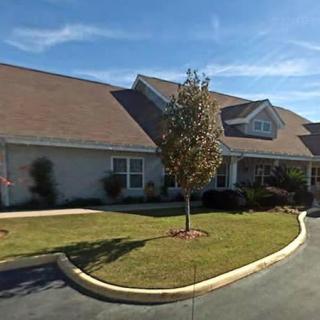
Sodalis Cantonment
$2,600 to $3,900 / month1.4 miles away -
from -$300 / mo
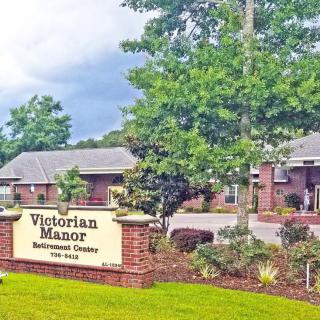
Victorian Manor
$2,200 to $4,400 / month8.5 miles away -
from +$100 / mo
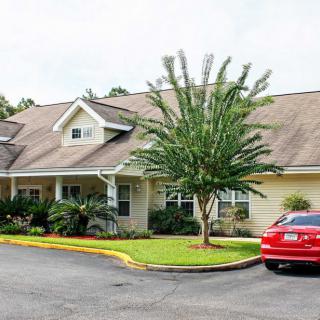
Sodalis Milton
$2,600 to $3,999 / month14.0 miles away -
from +$325 / mo
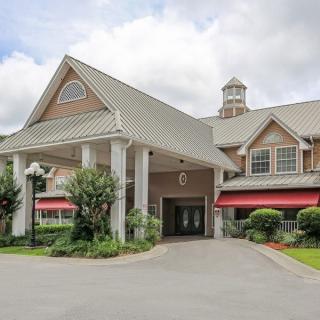
The Waterford at Carpenter's Creek
$2,825 to $4,095 / month5.9 miles away
Overall Review of Laurelwood ALF
Cons
 The place is described as a backroad elderly house crammed with seniors and apparently lacking any state interior or fire-code inspections.
- It’s implied that real facilities with nurses and doctors on staff must comply with regulations, whereas this place apparently does not.
- The operation is run as a rented house with two licensed CNAs living behind the house in a trailer.
- The seniors are locked up inside the house.
- The wrangler is accused of tapping the seniors’ checks.
- The reviewer regrets taking their mother there and warns others to look before placing anyone there.
Review
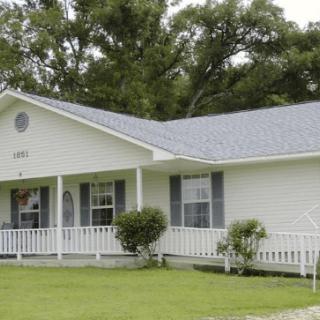
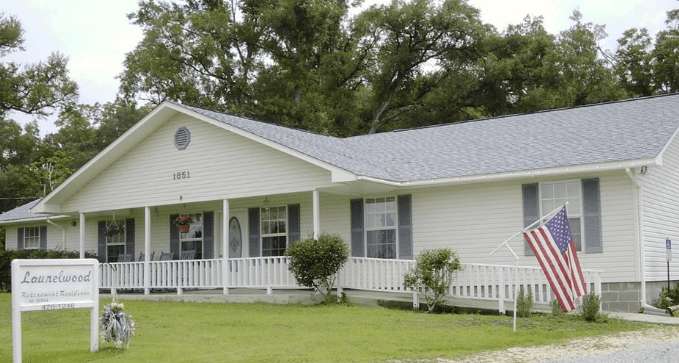
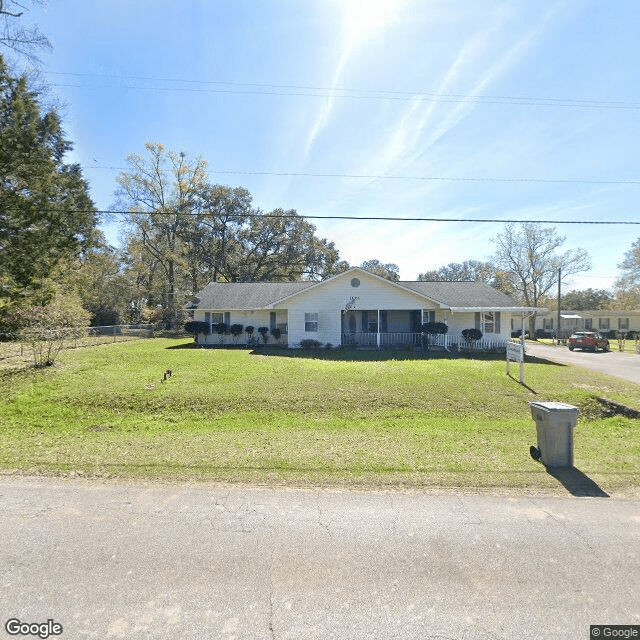
Laurelwood ALF in Cantonment, Florida is best understood as a small, home-like option that can appeal to families seeking affordability and a domestic living vibe. It may work for residents who need light daily assistance rather than complex medical care, and for families who are comfortable taking a hands-on supervisory role outside formal staff hours. The setting feels more like a house than a campus, which can be attractive to those who want a homier routine and reduced institutional feel. Yet the reviews raise red flags about interior safety, regulatory oversight, and the overall operating premise, which sharply narrows who should move forward confidently.
This option is unlikely to satisfy seniors who require consistent nursing on-site, med management, or robust safety systems. Those who must rely on regulated environments with transparent inspections and documented compliance should consider alternatives. Families prioritizing predictable oversight, clear licensing, and third-party accountability will want a facility with verifiable state inspections, on-site licensed professionals, and transparent financial practices. If peace of mind around regulatory compliance is nonnegotiable, Laurelwood should not be the default choice.
On the upside, the home-like setting and intimate scale can translate into more personal attention during permitted hours, and potentially lower monthly costs relative to larger, regulated communities. Depending on the staffing model, residents may experience a less impersonal feel than in crowded facilities, with more opportunities for individualized routines and neighborly interactions. These perceived advantages, however, hinge on a foundation of credible supervision, honest operations, and safe, well-maintained living spaces. When those elements are uncertain, the practical value of proximity and comfort is quickly outweighed by risk.
The core drawbacks, as depicted by the account, are hard to ignore. The impression of an interior that may not meet standard safety codes, coupled with staff arrangements described as living “behind the house,” raises legitimate concerns about oversight, emergency readiness, and resident autonomy. Reports of residents “locked up inside” and questions about who is truly supervising care cast serious doubt on daily safety and dignity. Financial exploitation concerns, if elders’ checks are being tapped, magnify the stakes, suggesting that prudent families should demand rigorous, independent verification before any commitment.
If Laurelwood is still under consideration, begin with a rigorous facts-and-documents check. Verify current licensing status and demand proof of recent, verifiable state inspections and any corrective actions taken. Obtain a detailed staffing plan, including qualifications of caregivers, on-site nursing presence, and 24/7 coverage. Request a copy of the resident contract, discharge policies, and policies about payments, refunds, and protection against financial mismanagement. During visits, observe how staff interact with residents, how medication is handled, how emergencies are managed, and whether residents have meaningful activities and freedom of movement. Most importantly, speak with current residents and family members about their day-to-day experience and any concerns they have raised.
When weighing Laurelwood against alternatives, the choice becomes clear for families who want steady medical oversight, predictable safety standards, and transparent operations. Larger assisted living communities with certified nursing staff, clearly defined care plans, and formal audit trails provide a safer framework for anyone with ongoing medical needs or cognitive challenges. Memory-care options, additional on-site amenities, and transportation support further reduce risk by offering structured programs and reliable supervision. For those who can afford it and who value documented accountability, these options typically outpace a small, house-based setting with troubling signals about interior safety and governance.
Bottom line: Laurelwood ALF may be considered only if cost is the decisive constraint and family members are prepared to take an unusually active role in monitoring care, safety, and finances. For seniors who require dependable medical oversight, transparent licensing, and a proven track record of protecting residents’ rights, alternatives in more regulated settings are strongly recommended. The decision should prioritize safety, dignity, and verifiable accountability over convenience or price, the difference between the two can be measured in daily peace of mind and the long-term welfare of a vulnerable loved one.
 Board and Care Home
 Activities off-site
 Indoor common areas
 Outdoor common areas
 Private
 Respite or short term stays offered
 Pensacola Regional (8 miles away)
 Ambulatory care
 Diabetic care
 Incontinence care
 Kosher
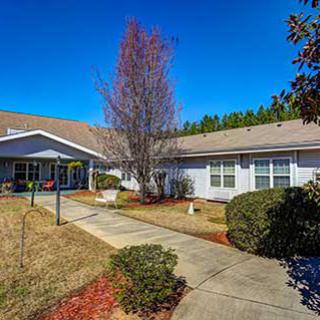
 Clean, well-maintained facility with friendly staff and engaging activities.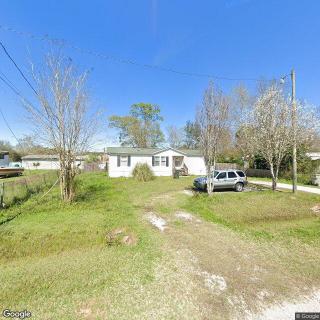
 Engaging Brain Games and Innovative Apps to Keep Senior Minds Active
 Effective Strategies for Keeping Seniors' Minds Active: A Deep Dive into Brain Games and Apps
 In-Depth Look at the VA Aid and Attendance Program