The Waterford at Carpenter's Creek Costs & Pricing
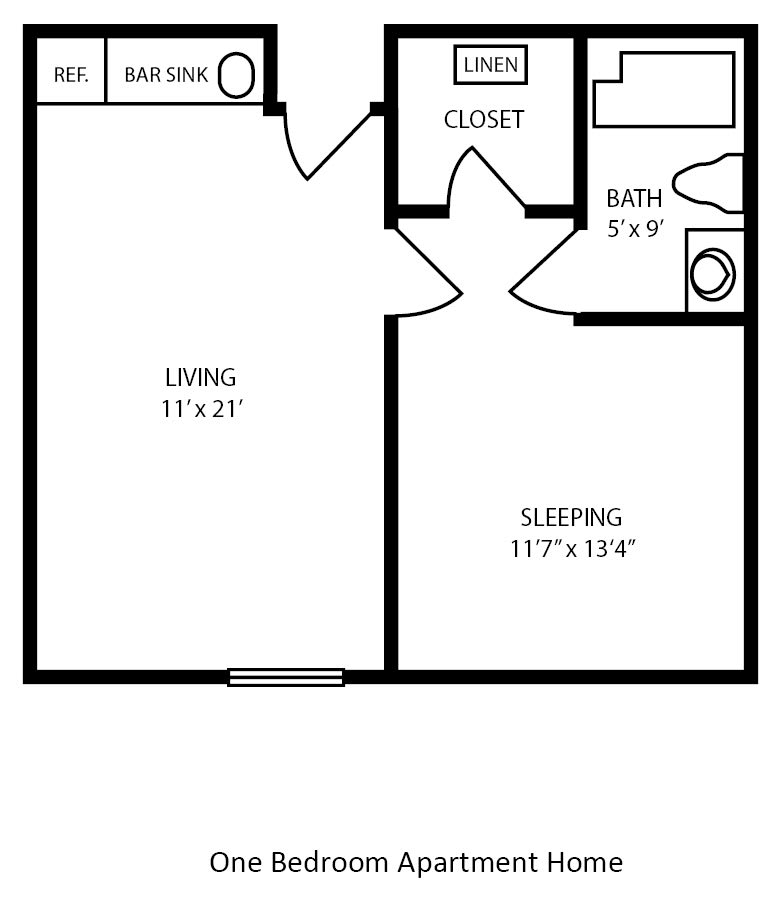
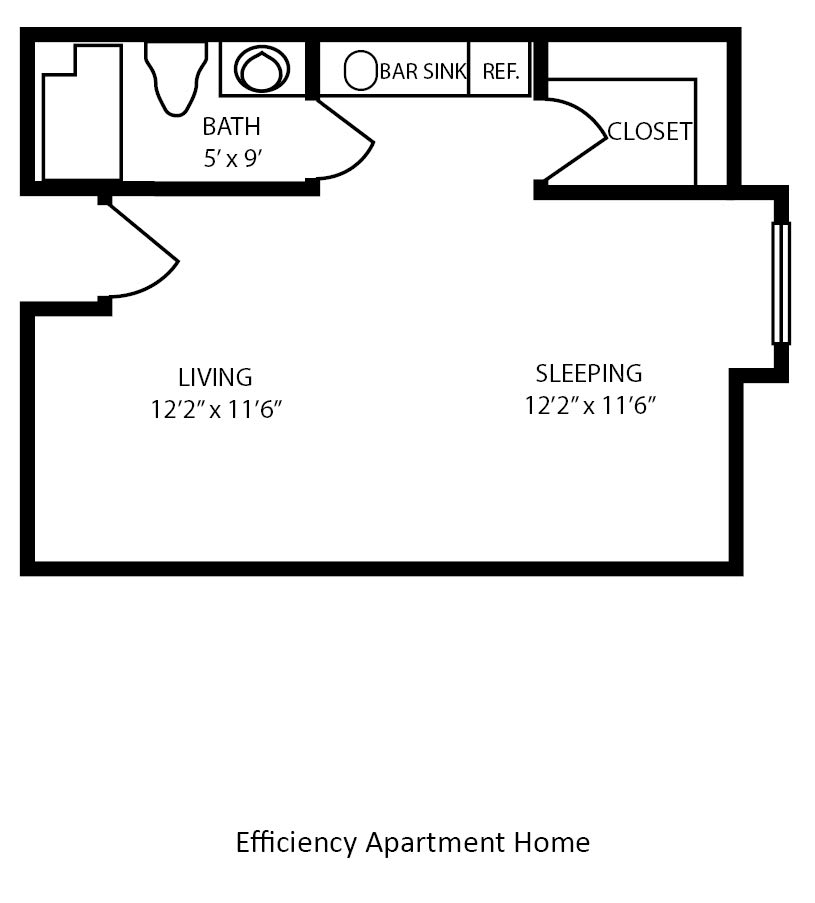
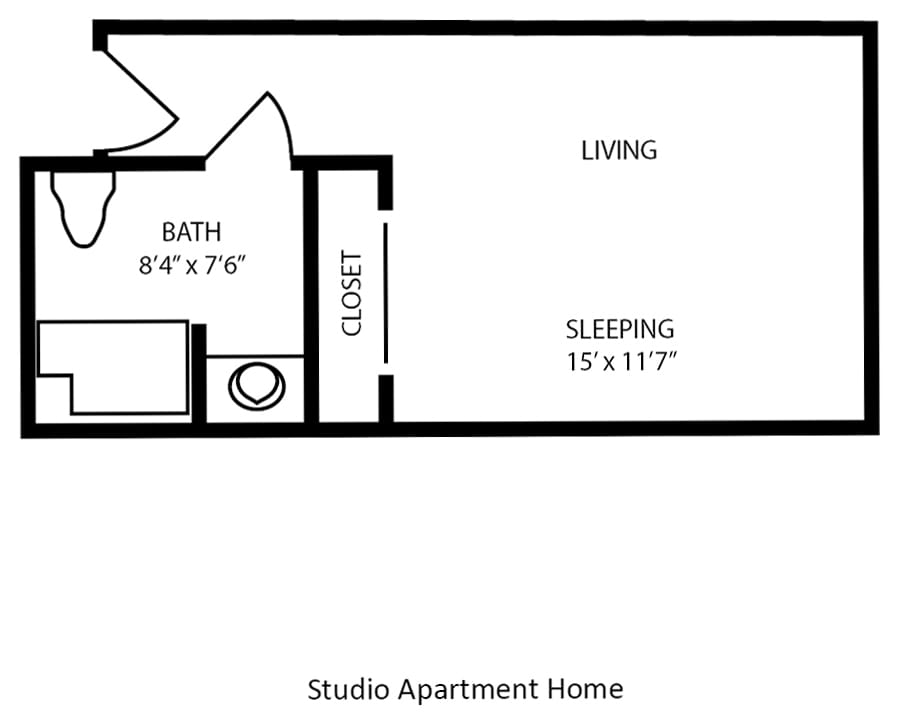
At The Waterford at Carpenter's Creek, the monthly costs for accommodations are notably competitive when compared to both Escambia County and the broader state of Florida. For a studio apartment, residents can expect to pay $2,825 per month, which is significantly lower than the county average of $4,277 and even more favorable than the state average of $3,823. Similarly, the one-bedroom option at The Waterford is priced at $4,095, which aligns closely with the county's rate of $4,040 but remains higher than Florida's statewide average of $3,864. This pricing structure positions The Waterford at Carpenter's Creek as an appealing choice for prospective residents seeking quality living arrangements without exceeding their budget.
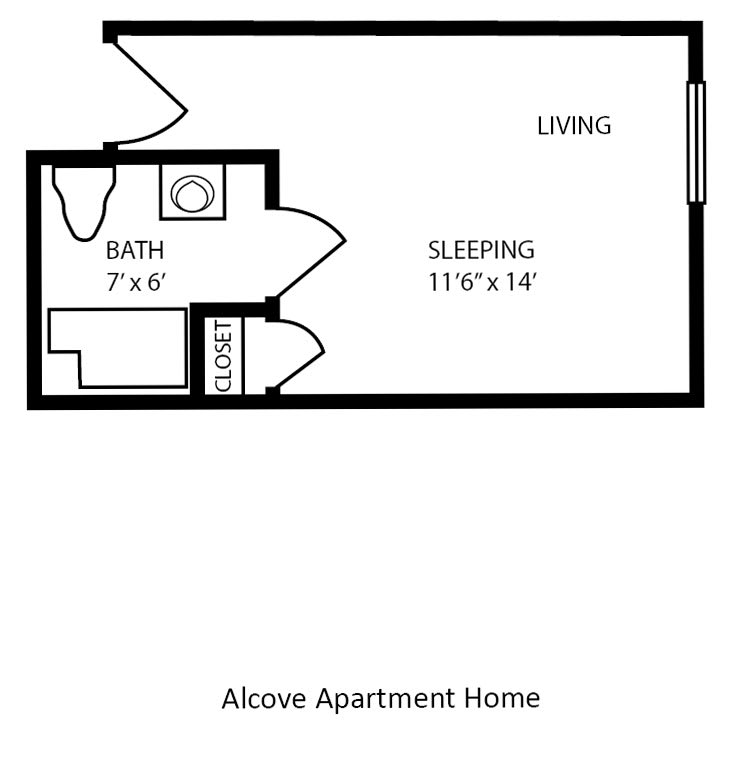
Floor plans
The Waterford at Carpenter's Creek
Escambia County
Florida
Studio
$2,825
$4,277
$3,823
1 Bedroom
$4,095
$4,040
$3,864
Assisted Living communities with a similar price nearby
Overall Review of The Waterford at Carpenter's Creek
caveat5 reviews mention this
Cleanliness and odor concerns
Some residents and families describe persistent cleanliness and odor issues.
Several reviews mention a noticeable urine smell in hallways or rooms and criticize stained or worn carpets. A few also describe conditions that derailed move-in, including a room not being ready as promised and dirty or unpleasant bathroom conditions. Others add severe cleanliness-related observations, including pests. A handful of counter-reviews call the facility clean and well-kept, but the negative cleanliness reports are recurring enough to weigh on the experience.
caveat5 reviews mention this
Food quality is mixed
Food quality varies, with some reviews describing meals as unappealing.
While multiple residents and visitors say the food is delicious or enjoyable, others report meals that were not edible, cold, or lacking quality. Some reviews describe inconsistent experiences, including periods of short staffing and trouble with the dining process. A few residents and families connect the food experience to what their loved ones can comfortably eat. Overall, dining satisfaction appears uneven across reviewers.
differentiator8 reviews mention this
Care and medication support
Residents describe medication support and nursing availability.
Several reviews mention nurses or nurse techs giving medication on time, reminders included, and residents feeling checked on. One review describes a medical team on standby for 12 hours a day and help with bathing and grooming. Others describe around-the-clock check-ins, hot meals, and responsiveness when a resident needs assistance. This aligns with the community offering medication management and substantial nursing coverage, plus a call system for support.
common7 reviews mention this
Activities help residents stay busy
Many residents value the variety of scheduled activities.
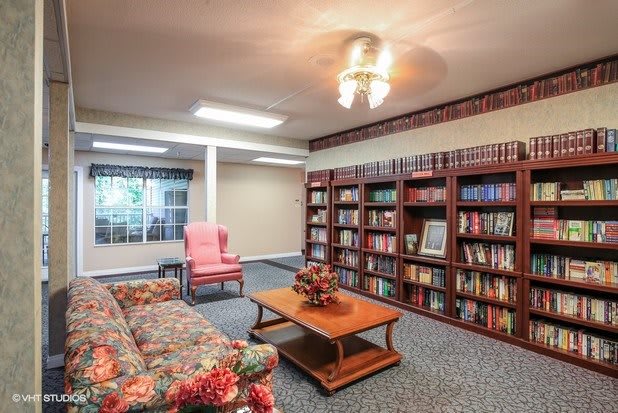
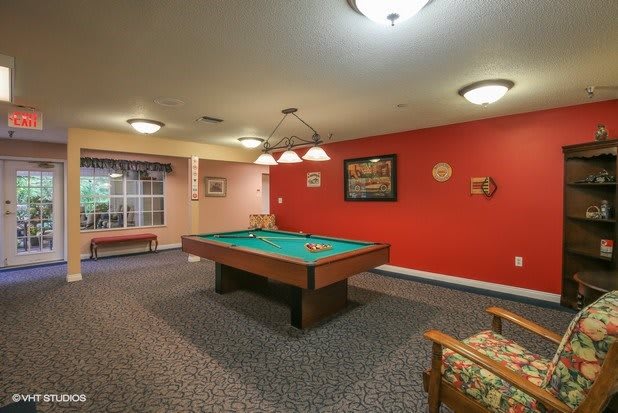
Reviews commonly highlight planned daily activities such as bingo, arts and crafts, and day trips or outings. Religious services and chapel-related programming also show up in resident and family comments. Several families describe their loved ones as engaged and social because of how activities are run. Residents also mention common spaces like a dining area and game-room-type options that make it easier to spend time outside the room.
How we summarize
Counts show how many written reviews mention each theme; a review can touch several themes, and only frequently mentioned themes are displayed.
Features
Housing
105 resident community capacity
Types of Care
Assisted Living
Pets
Cats allowed
Dogs allowed
Amenities
Activities off-site
Activities on-site
Air-conditioning
Beautician on-site
Beauty salon
Cable or satellite TV
Computer center
Devotional services off-site
Devotional services on-site
Dining room
Fitness room
Fully furnished
Gaming room
Garden
Ground floor units
Handicap accessible
Housekeeping services
Indoor common areas
Kitchenette
Move-in coordination
Outdoor common areas
Outdoor space
Private bathrooms
Respite or short term stays offered
Restaurant-style dining
Small library
Telephone
Wellness center
Wheelchair accessible showers
Wi-Fi/high-speed internet available
Transportation
Pensacola Regional (2 miles away)
Community operated transportation
Transportation arrangement
Transportation arrangement (non-medical)
Transportation to doctors appointments
Care Services
12-16 hour nursing
24-hour call system
24-hour supervision
Activities of daily living assistance
Ambulatory care
Assistance with bathing
Assistance with dressing
Assistance with transfers
Diabetes diet
Diabetic care
Incontinence care
Meal preparation and service
Medication management
Mental wellness program
Special dietary restrictions
Dining
Diabetes diet
Guest meals
International cuisine
Low / no sodium
Meals provided
No Sugar
Restaurant style dining
Room service
Special dietary restrictions
Vegetarian
Activities
Art classes
Catholic services
Community-sponsored activities
Concierge services
Cooking classes
Day trips and outings
Devotional activities offsite
Devotional activities on-site
Educational speakers / life long learning
Fitness programs
Live well programs
Planned day trips
Protestant services
Resident-run activities
Scheduled daily activities
Visiting chaplain or priest
Wine tasting
Videos
Nearby Places of Interest
This part of Pensacola, Florida offers a convenient and diverse range of amenities for senior living. With a variety of restaurants nearby such as Miller's Ale House and Chili's Grill & Bar, seniors have plenty of dining options to choose from. Additionally, there are several reputable physicians' offices in close proximity, providing easy access to quality healthcare services. Pharmacies like Pensacola Apothecary and Winn-Dixie are also conveniently located for medication needs. For entertainment, seniors can visit the AMC Bayou 15 theater just a short distance away. The area is also home to various places of worship for spiritual fulfillment. With the nearby Sacred Heart Hospital and Pensacola International Airport, seniors can feel assured knowing that medical care and transportation options are readily available. Overall, this part of Pensacola offers a well-rounded and accessible environment for senior living.
Restaurants
Miller's Ale House - Pensacola (0.1 miles)
McDonald's (0.5 miles)
Checkers (0.7 miles)
Sky's Pizza Pie (0.7 miles)
Whataburger (0.7 miles)
Marble Slab Creamery (0.9 miles)
Chili's Grill & Bar (0.9 miles)
Physicians
Pulmonary Critical Care & Sleep Disorders & Medicine, PA (0.2 miles)
Children's Clinic of Pensacola (0.2 miles)
Center For Sight (0.3 miles)
First Steps Pediatrics (0.3 miles)
Davis Highway Family Practice (0.5 miles)
Henghold Dermatology (0.5 miles)
The Wolff Center (0.6 miles)
Pharmacies
Pensacola Apothecary (0.7 miles)
Winn-Dixie (1.2 miles)
Walgreens (1.6 miles)
Walgreens (1.8 miles)
CVS Pharmacy (1.9 miles)
Walmart Pharmacy (2 miles)
CVS Pharmacy (2.1 miles)
Hospitals
Labor& delivery (0.7 miles)
Sacred Heart Hospital (0.7 miles)
Scared Heart Surgery Waiting Room 3rd Floor (0.8 miles)
Sacred Heart Adult Intensive Care (0.8 miles)
Pet/Ct Imaging Center of Northwest Florida (0.8 miles)
At The Waterford at Carpenter's Creek, the monthly costs for accommodations are notably competitive when compared to both Escambia County and the broader state of Florida. For a studio apartment, residents can expect to pay $2,825 per month, which is significantly lower than the county average of $4,277 and even more favorable than the state average of $3,823. Similarly, the one-bedroom option at The Waterford is priced at $4,095, which aligns closely with the county's rate of $4,040 but remains higher than Florida's statewide average of $3,864. This pricing structure positions The Waterford at Carpenter's Creek as an appealing choice for prospective residents seeking quality living arrangements without exceeding their budget.
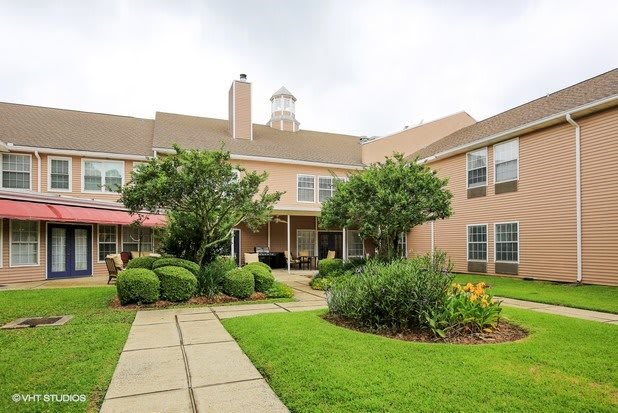
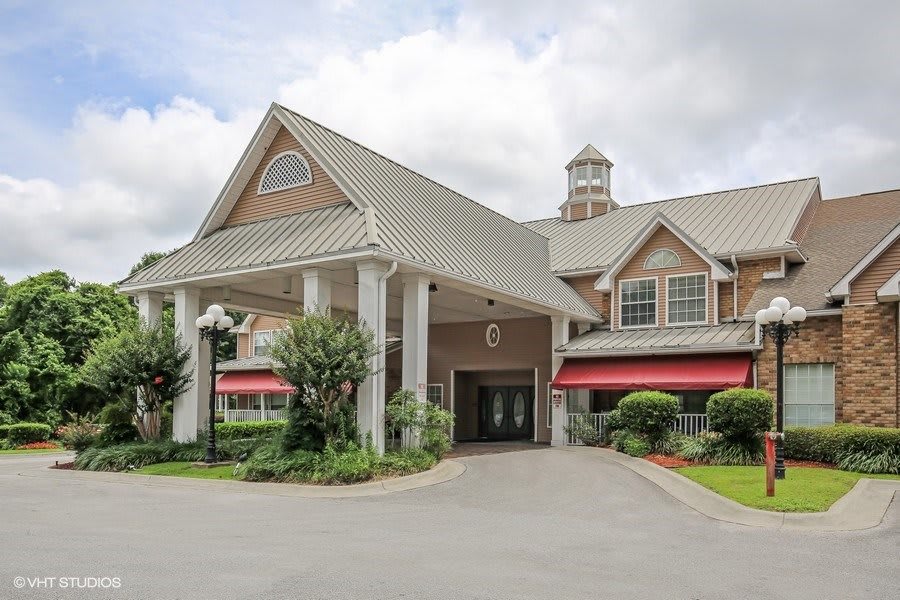
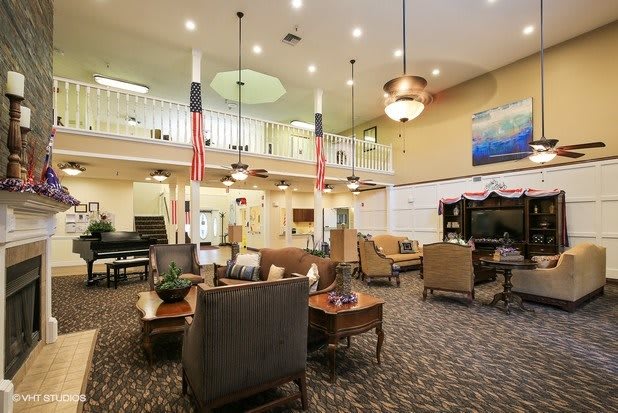
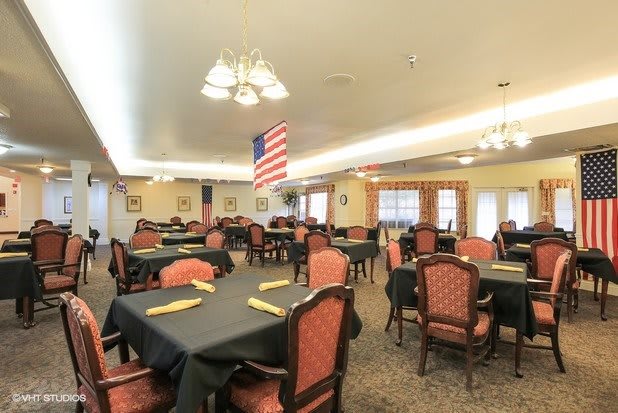
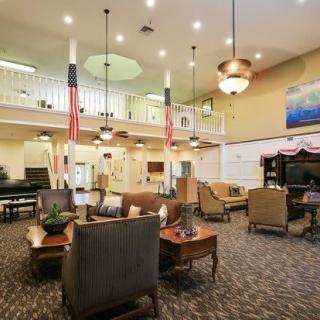
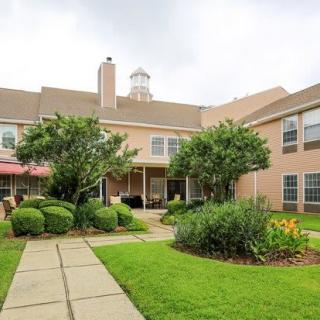
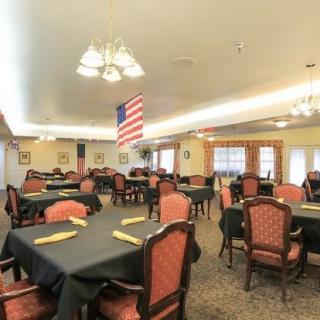
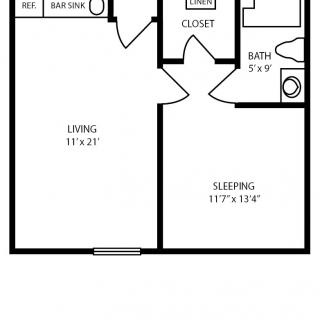
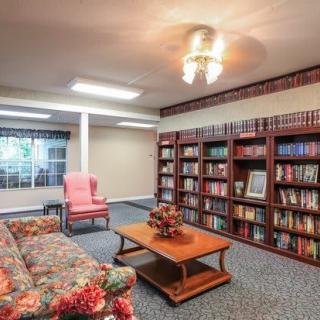
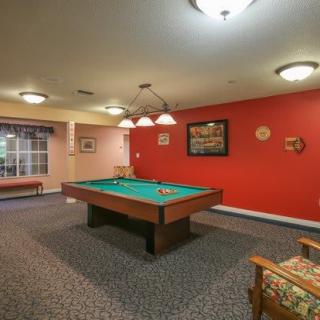
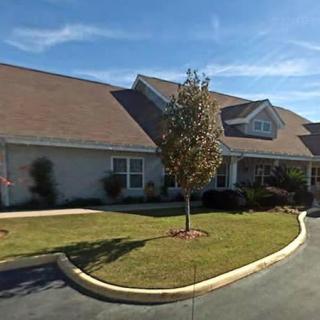
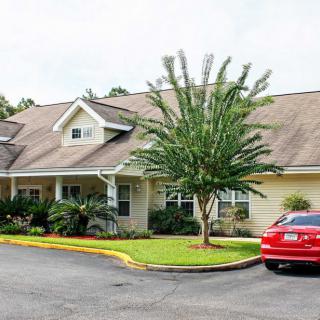
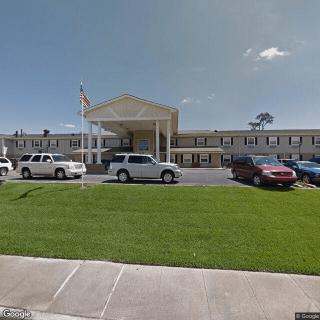
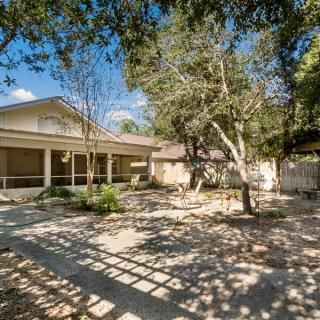
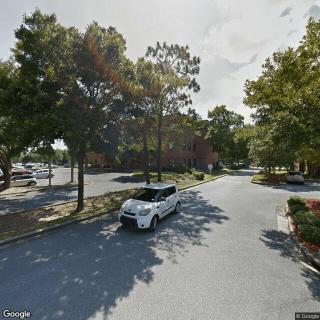
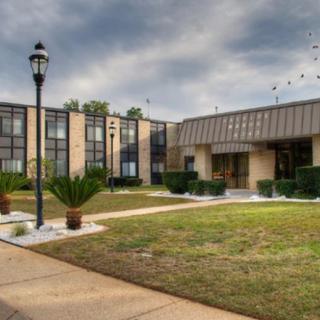
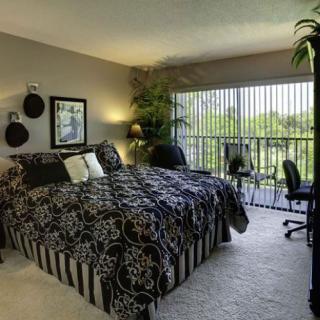
The Waterford at Carpenter's Creek on seniors.fyi includes 10 photos including images showing floor plan, interior, studio apartment, billiards, building, architecture, landscaping, living area, and more.
Nearby Communities
The Blake at Pensacola
Penascola, FL
4.5 from 144 reviews
$4,150 to $6,725 / month
Clean, bright environment with attentive staff and engaging activities.
Carestaff
Pensacola, FL
4.4 from 114 reviews
Convenient access to amenities and healthcare.
Anne Connor Respite Care Ctr
Pensacola, FL
5 from 2 reviews
$3,954 / month
Competitive private-room pricing with strong access to nearby amenities and healthcare.
Haven of Our Lady of Peace
Pensacola, FL
4.1 from 103 reviews
Comprehensive rehab services with friendly, clean environment.
Maxim Healthcare
Pensacola, FL
4.4 from 49 reviews
Vibrant community with extensive nearby dining, healthcare, and worship options.
The Residence at Covenant Memory Care Center
Pensacola, FL
3.5 from 26 reviews
Warm, comprehensive memory care in a supportive setting with convenient nearby amenities.
Bayside Health And Rehabilitation Center
Pensacola, FL
3.5 from 97 reviews
Friendly, attentive staff with effective therapy and engaging activities.
Azalea Trace
Pensacola, FL
4.4 from 78 reviews
Beautiful grounds, friendly staff, and extensive amenities and housing options.
Veranda of Pensacola
Pensacola, FL
4.3 from 87 reviews
Welcoming atmosphere with friendly staff and a wide range of amenities.
The transition from assisted living to skilled nursing care is often prompted by complex medical needs that assisted living cannot meet, with key indicators including frequent health declines, increased falls, severe memory issues, and caregiver burnout. Families should recognize these signs early to discuss options with healthcare providers and prepare for the emotional and logistical aspects of moving to a facility that offers comprehensive medical support.
Vibrant Senior Living emphasizes active senior living communities that promote independence and engagement through diverse amenities and activities, fostering wellness and social interaction among older adults. These communities range from independent to assisted living, with a focus on personal growth, family involvement, financial planning, and leveraging technology to enhance residents' experiences.
Transitioning from assisted living to memory care is driven by an individual's cognitive decline and specific needs, requiring careful evaluation of indicators like increased confusion and wandering. The process involves consulting medical professionals, researching suitable communities, considering financial and legal aspects, and ensuring effective communication for personalized care plans.
Get PricingAsk A QuestionSchedule A TourContact Senior Advisor
By clicking submit, you agree to our Partner's Terms of Use. You
also consent to receive calls and texts, which may be autodialed, from our Partner. Your consent is not a condition to
using our Partner's service. Please visit our Partner's Privacy Policy for information about their privacy practices.





 105 resident community capacity
 Assisted Living
 Cats allowed
 Dogs allowed
 Activities off-site
 Air-conditioning
 Beautician on-site
 Cable or satellite TV
 Computer center
 Devotional services off-site
 Dining room
 Fitness room
 Fully furnished
 Gaming room
 Garden
 Ground floor units
 Handicap accessible
 Housekeeping services
 Indoor common areas
 Kitchenette
 Move-in coordination
 Outdoor common areas
 Private bathrooms
 Respite or short term stays offered
 Restaurant-style dining
 Small library
 Telephone
 Wellness center
 Wheelchair accessible showers
 Wi-Fi/high-speed internet available
 Pensacola Regional (2 miles away)
 Community operated transportation
 12-16 hour nursing
 24-hour call system
 Ambulatory care
 Assistance with bathing
 Assistance with dressing
 Assistance with transfers
 Diabetes diet
 Diabetic care
 Incontinence care
 Medication management
 Mental wellness program
 Special dietary restrictions
 Art classes
 Catholic services
 Concierge services
 Cooking classes
 Day trips and outings
 Educational speakers / life long learning
 Wine tasting
 Clean, bright environment with attentive staff and engaging activities.

 8 Key Indicators That Suggest It May Be Time to Transition from Assisted Living to Skilled Nursing Care
 Vibrant Senior Living: A Comprehensive Guide for Active Older Adults
 When to Transition from Assisted Living to Memory Care: Key Indicators, Steps, and Finding the Right Community