FL Memory Lane in Pensacola, FL

Save

  • Interior

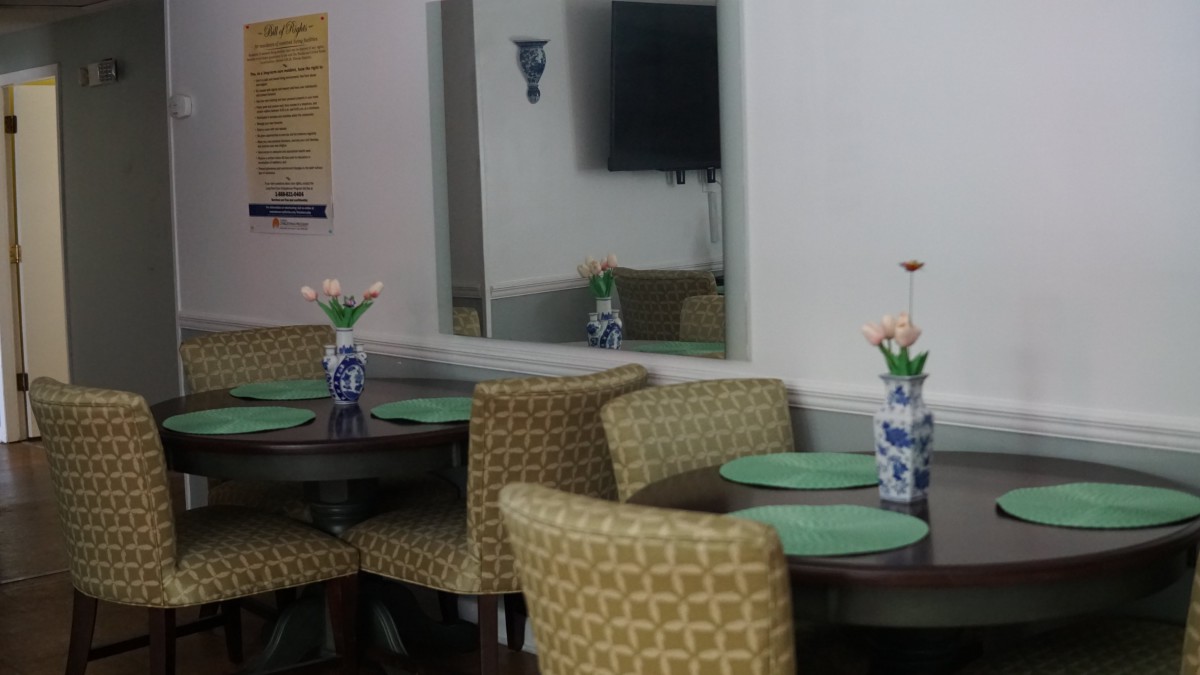
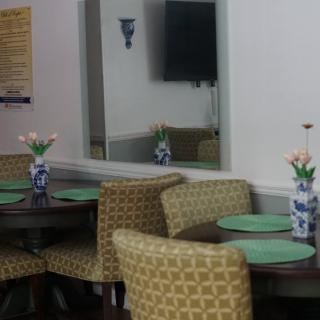
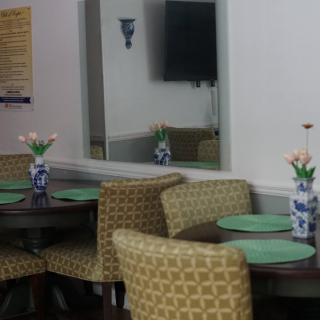
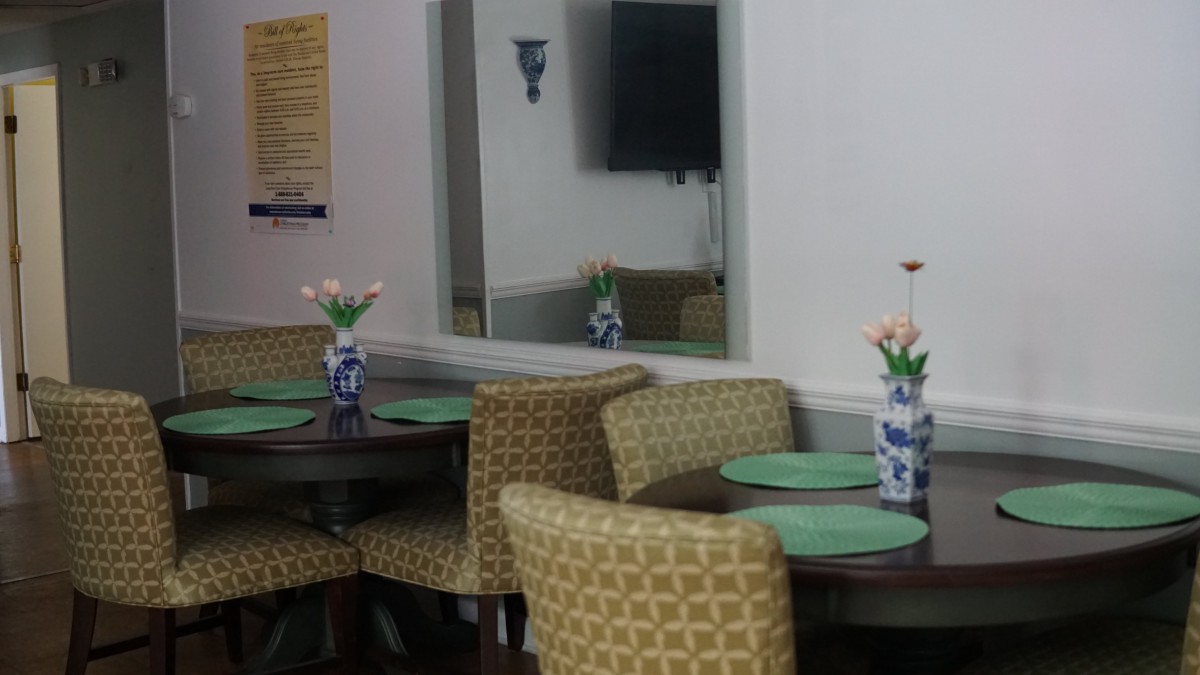
    A cozy dining area with round tables, cushioned chairs, and decorative vases with flowers.
  • Outdoors

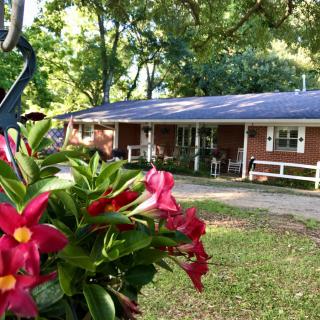
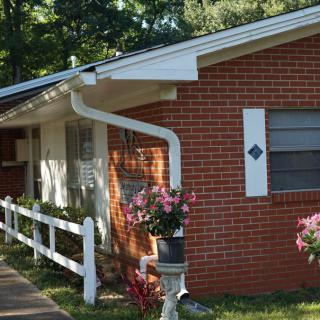
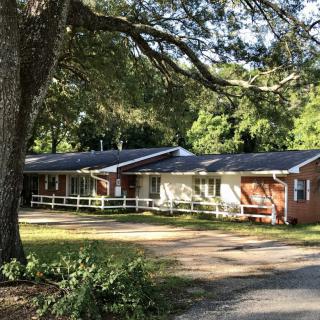
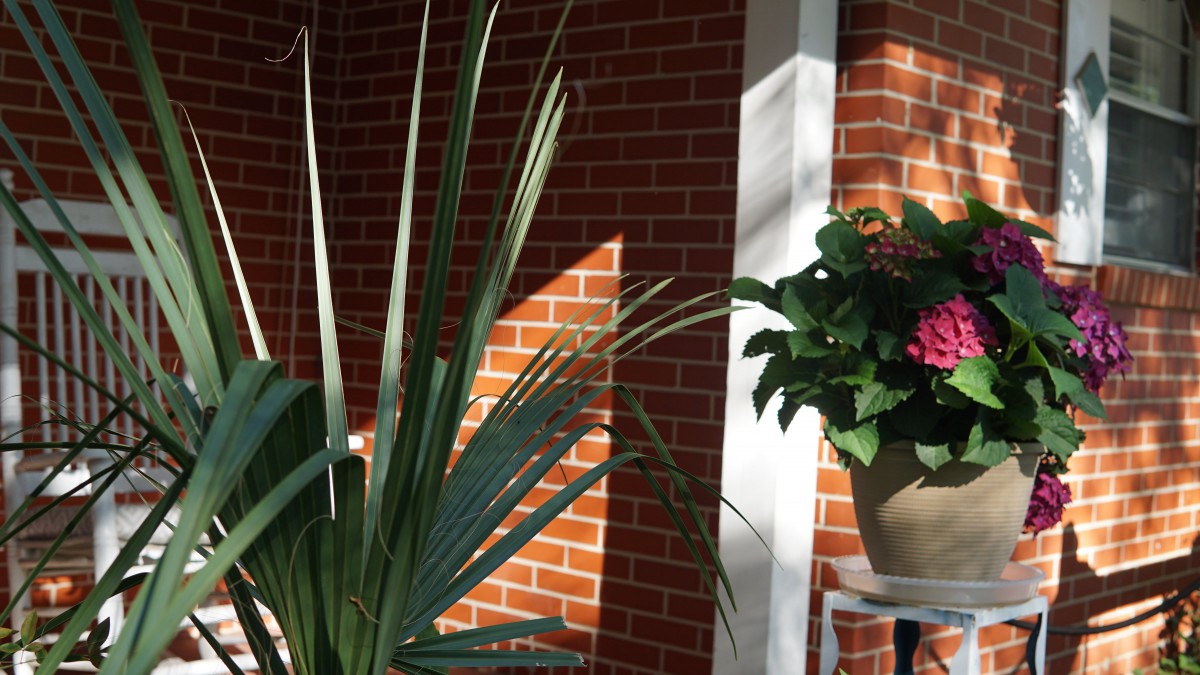
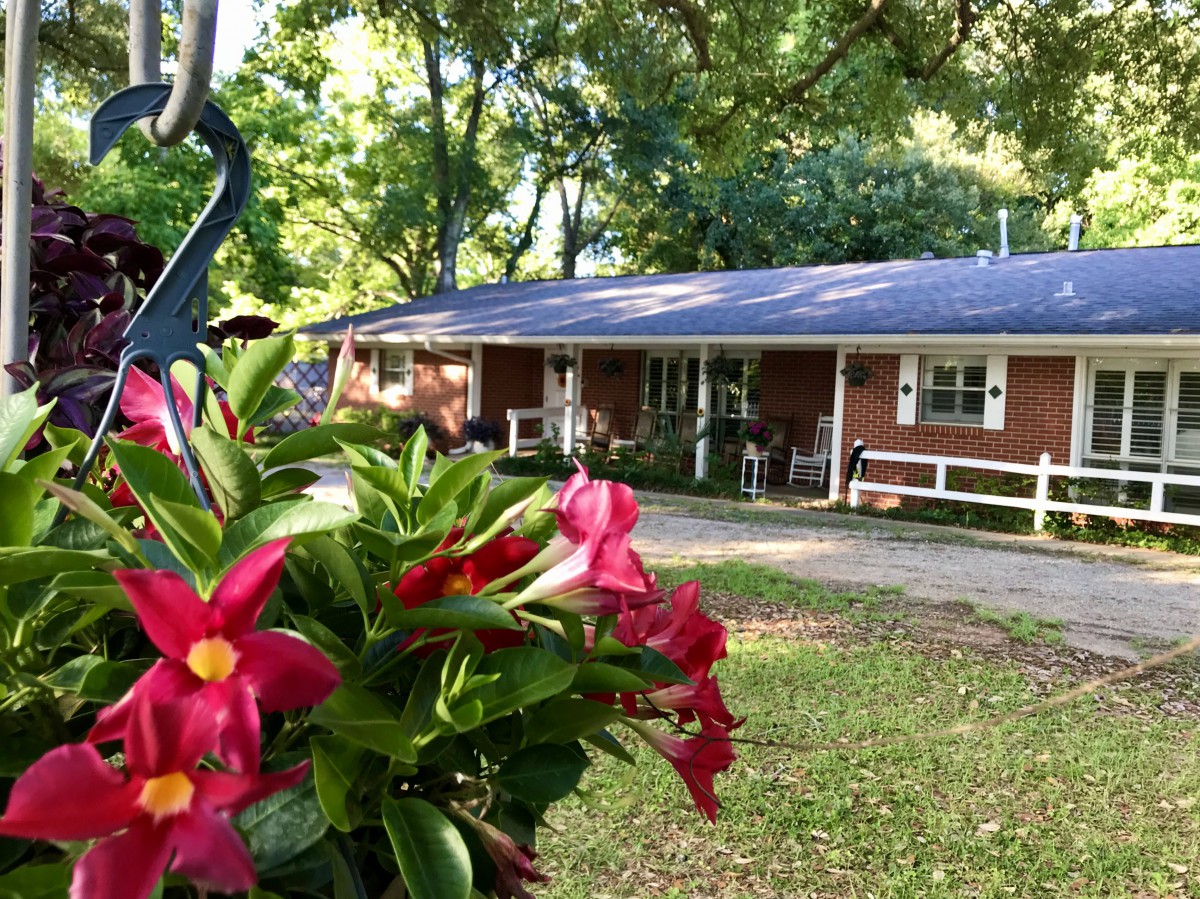
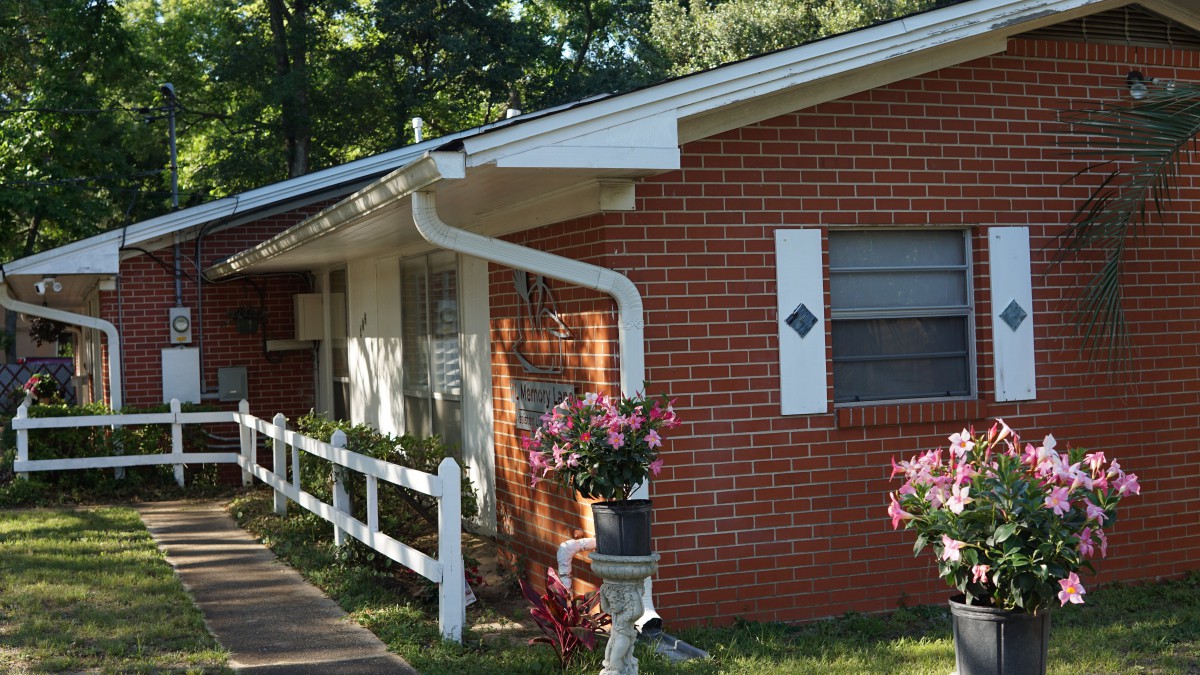
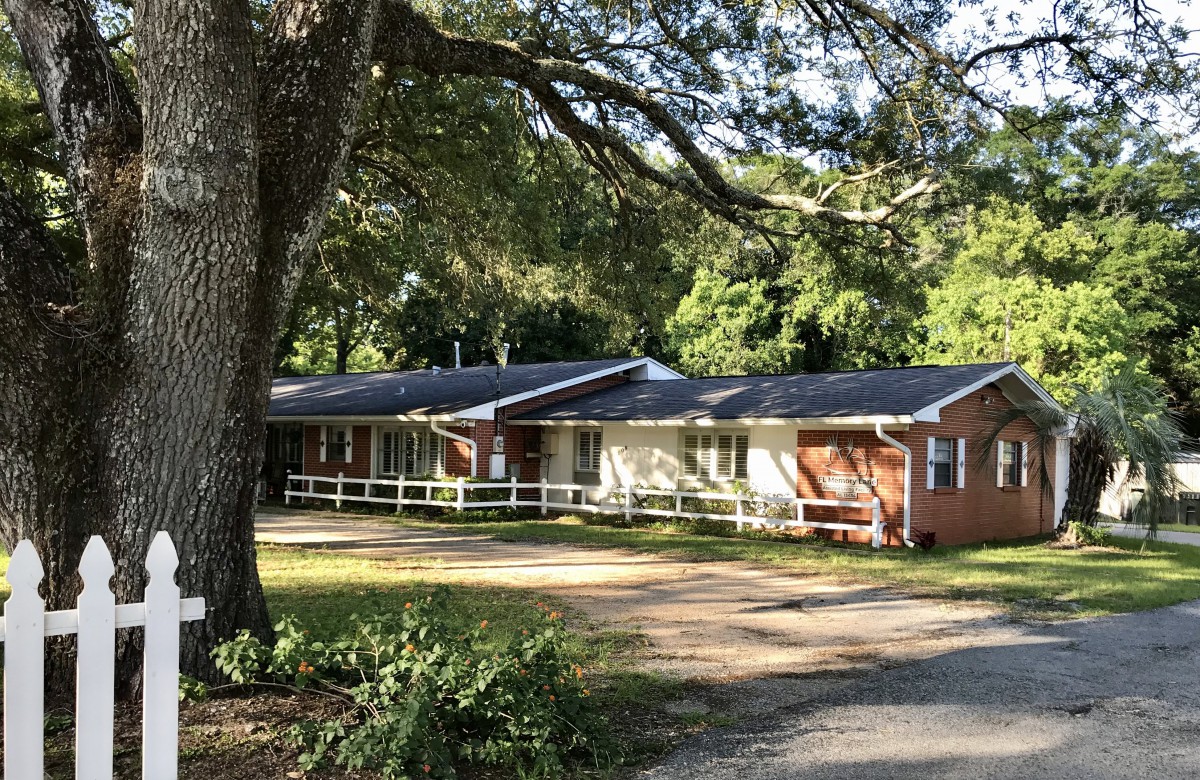
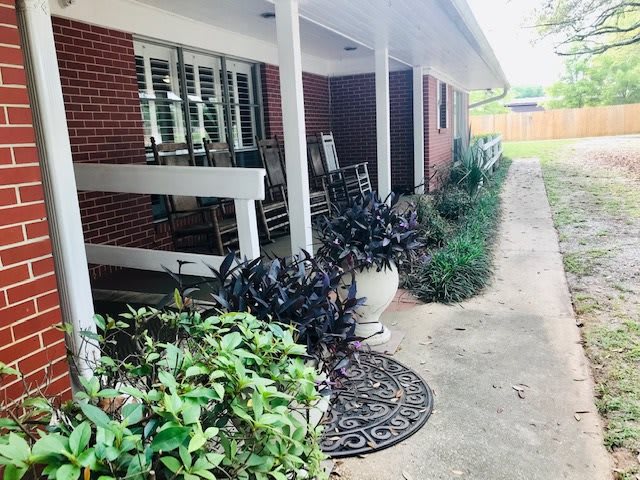
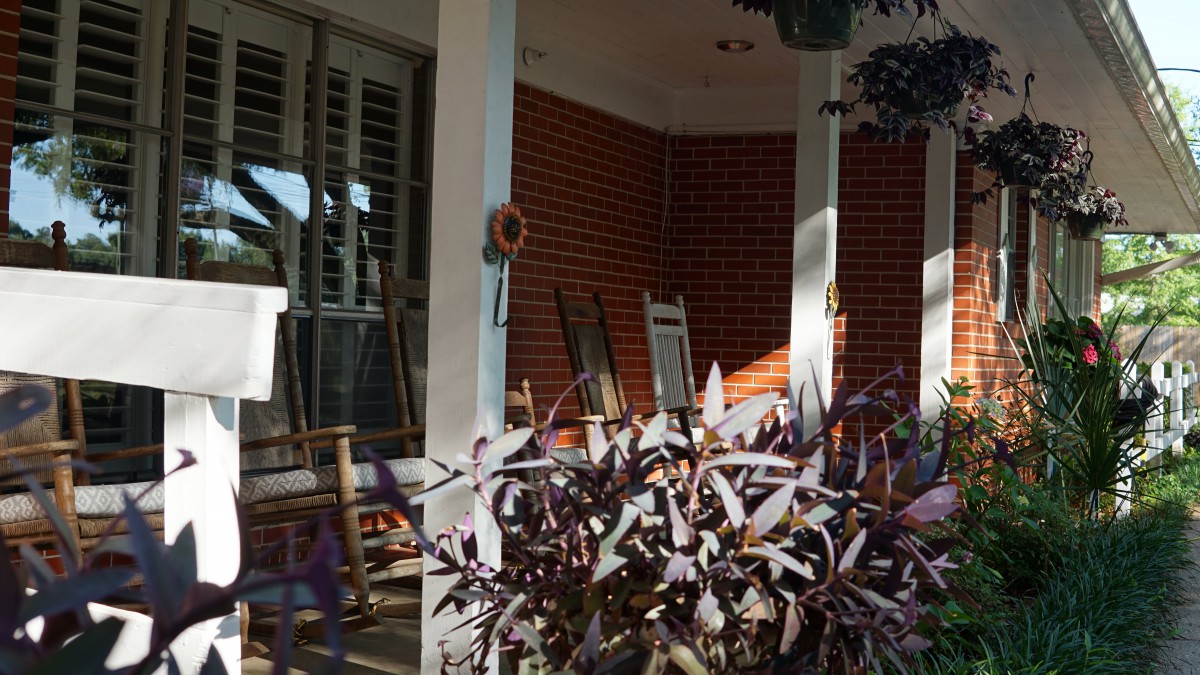
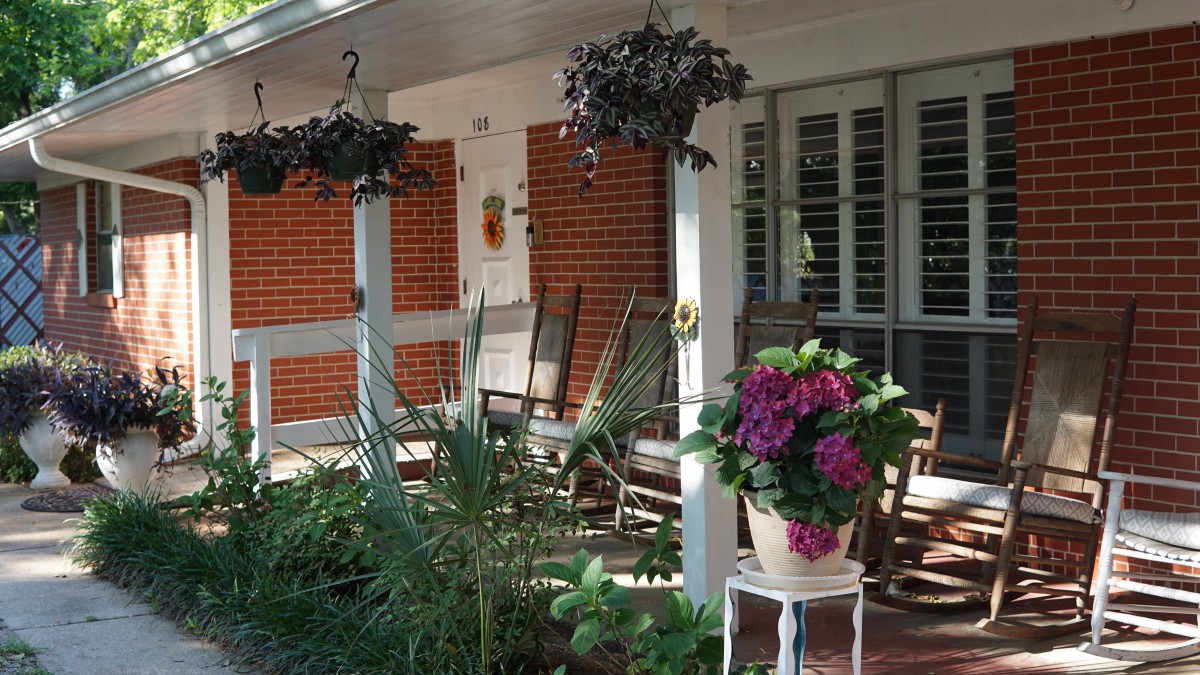
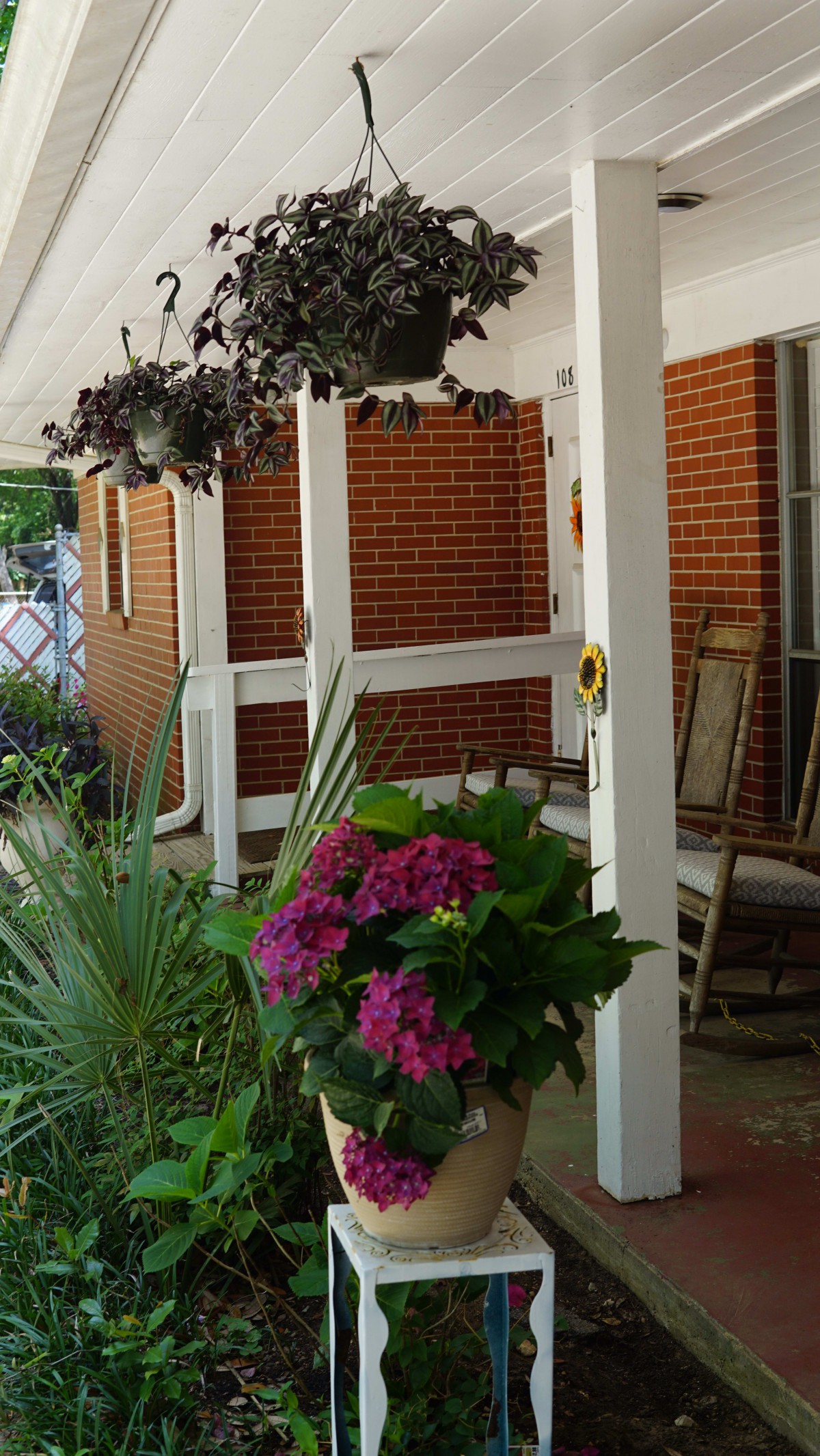
    A cozy brick house surrounded by lush greenery and vibrant flowers.
  • Decor

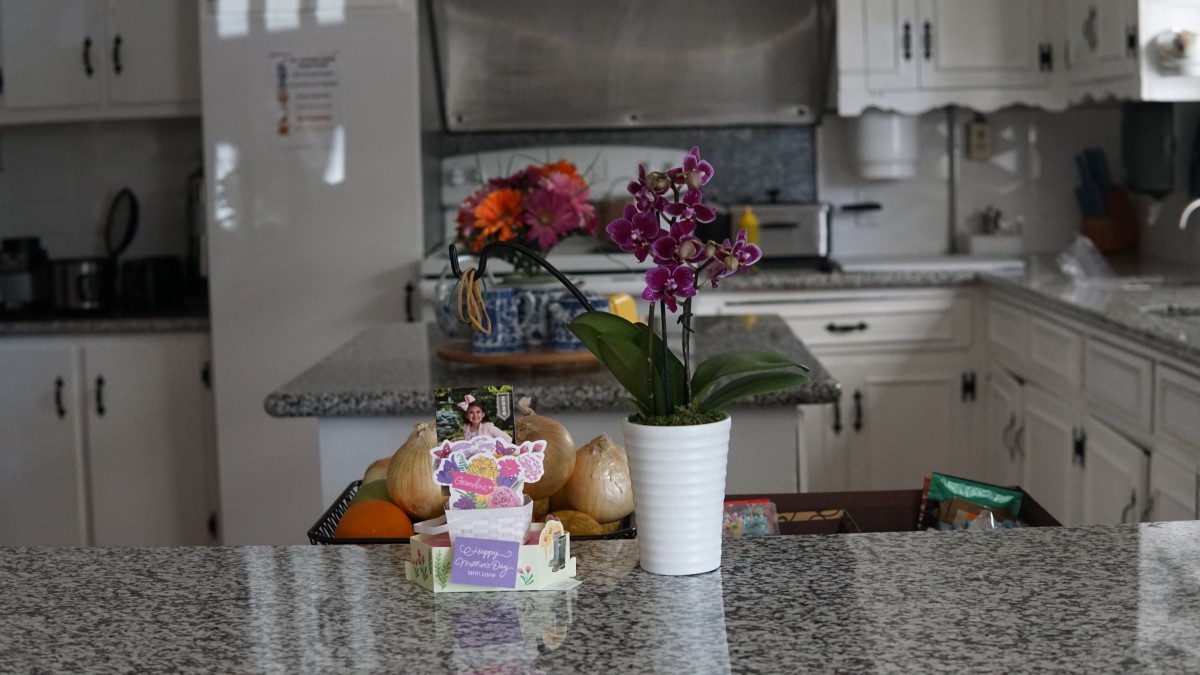
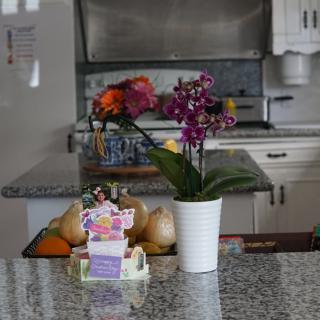
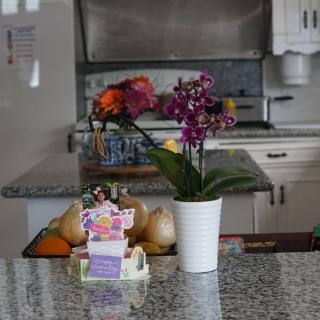
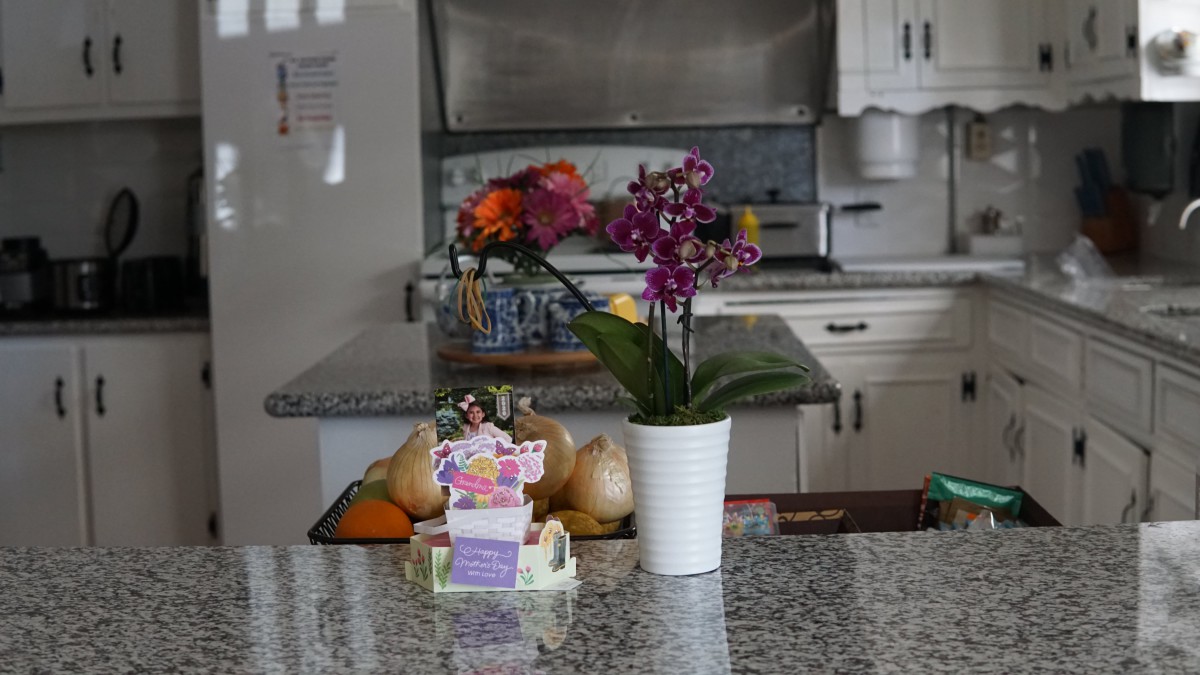
    A kitchen countertop featuring a potted orchid and a fruit basket.
  • Living Room

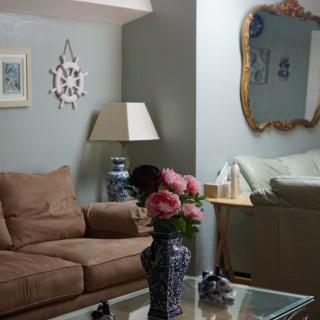
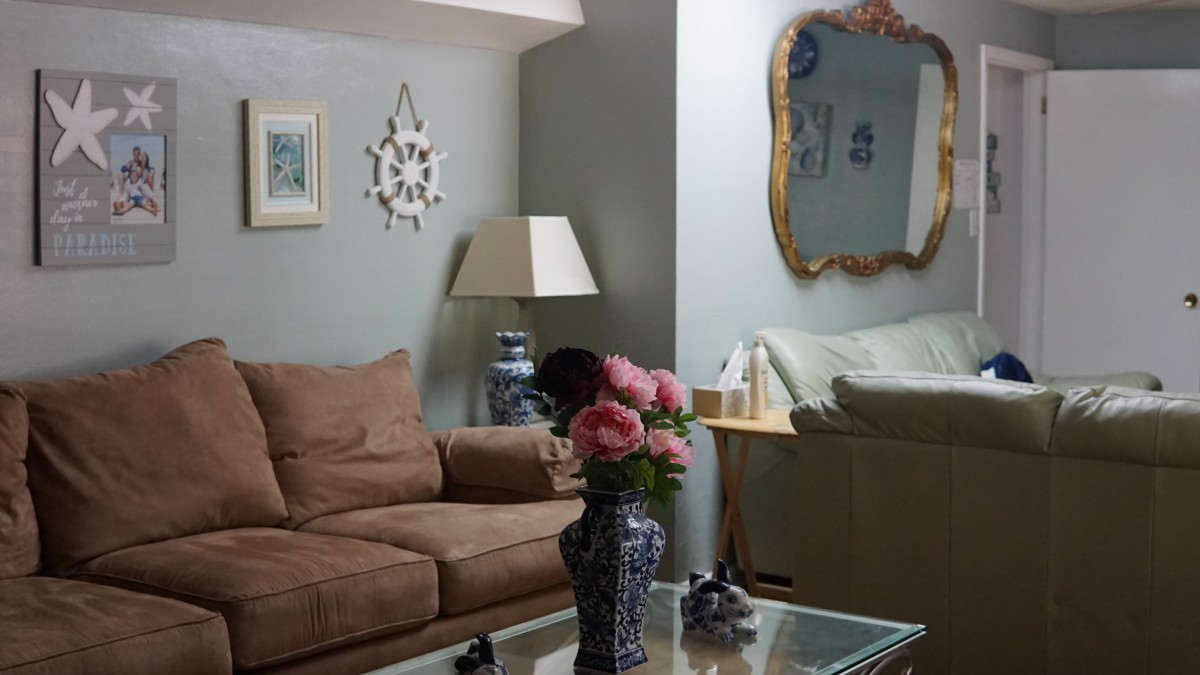
    A cozy living room with a sofa, decorative mirror, and floral arrangement.
  • Building

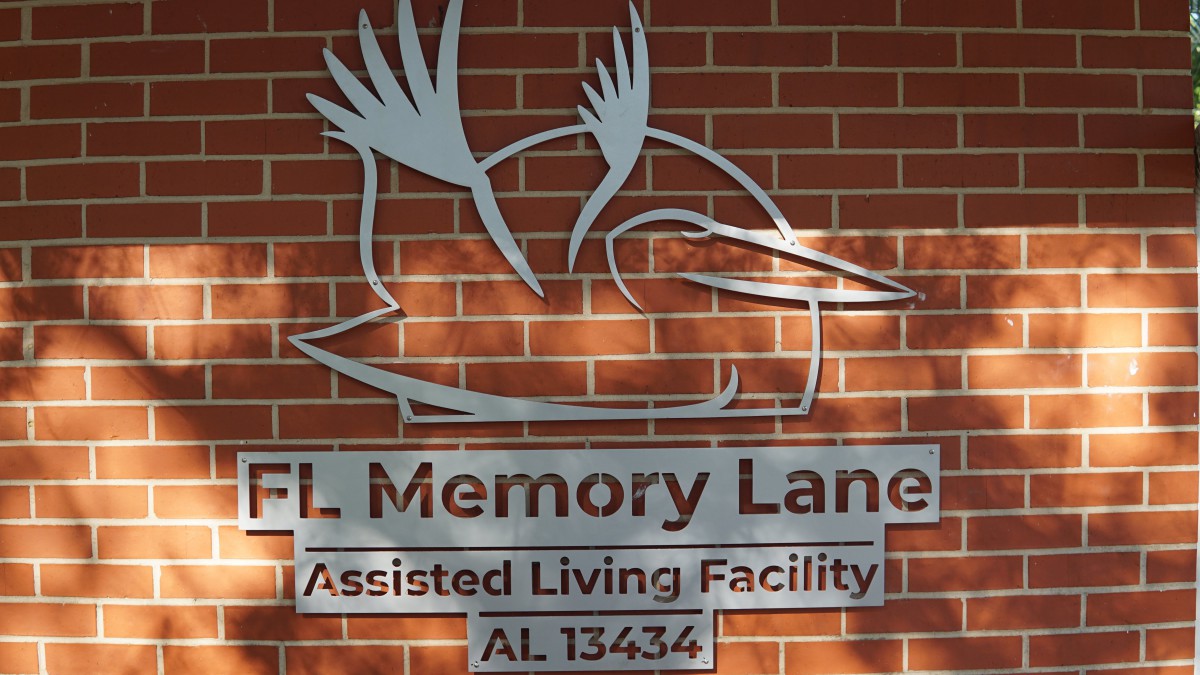
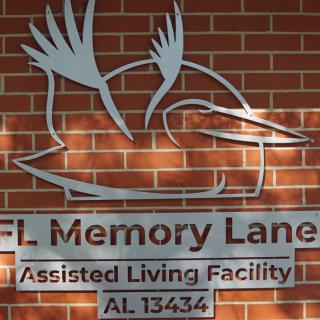
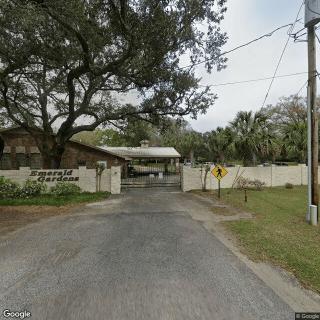
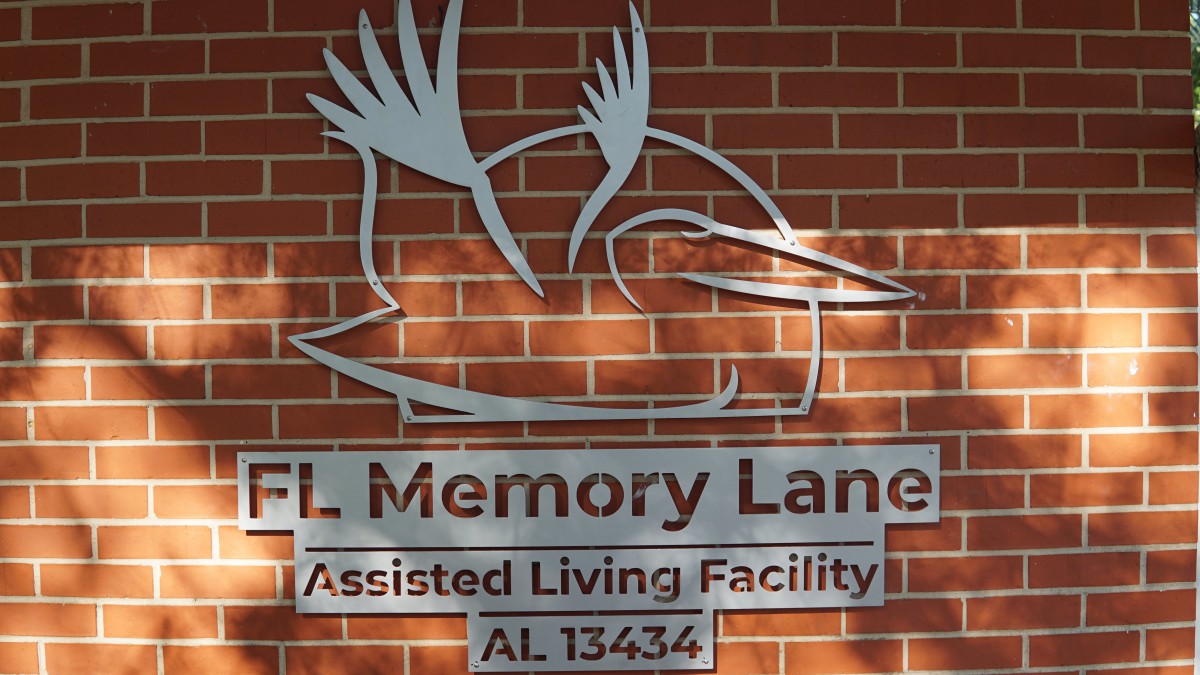
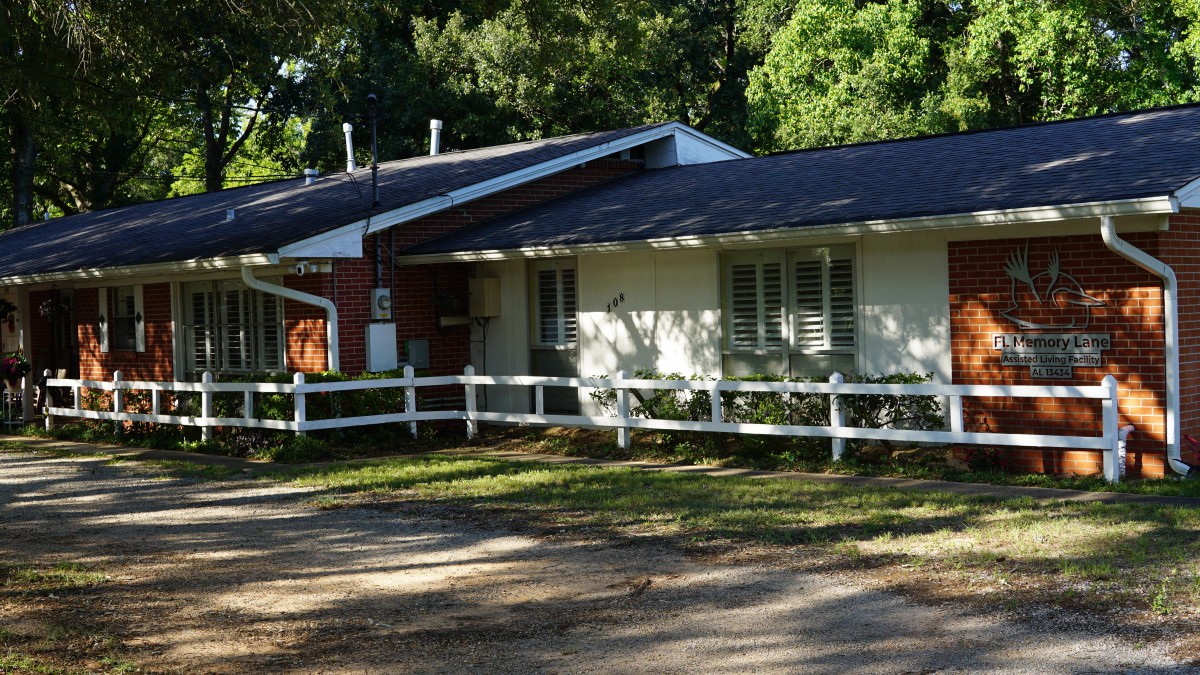
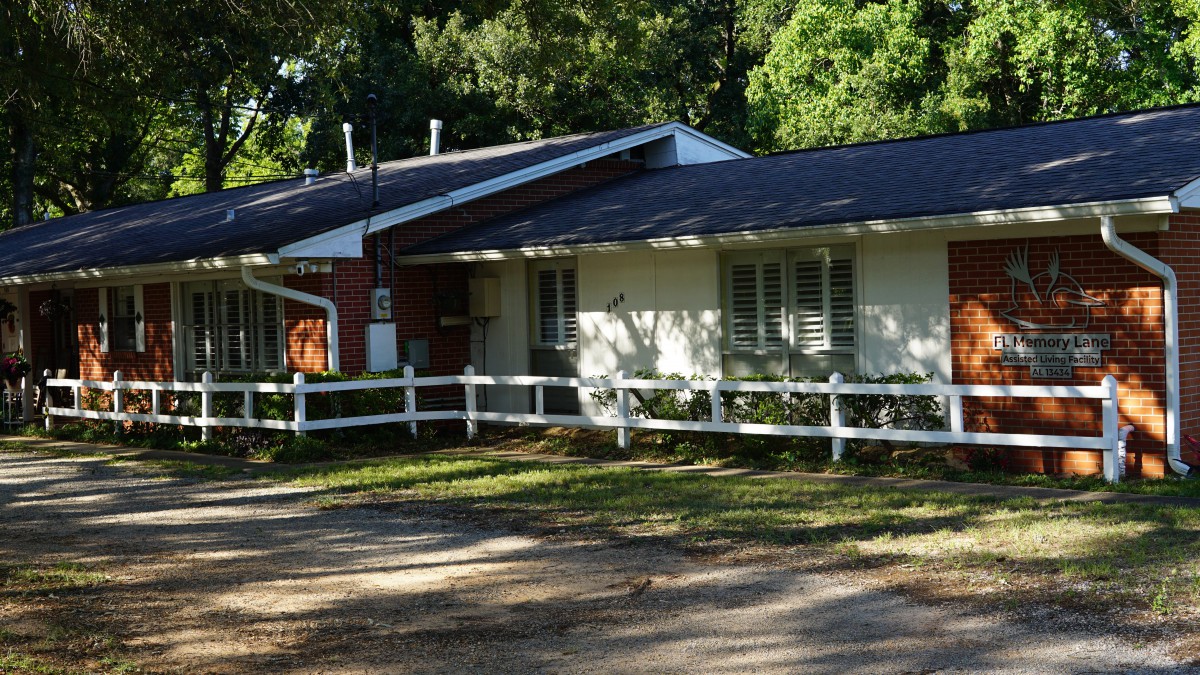
    Sign for an assisted living facility on a brick wall.
  • Architecture

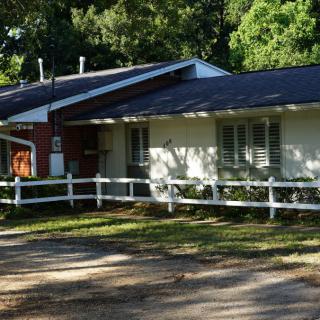
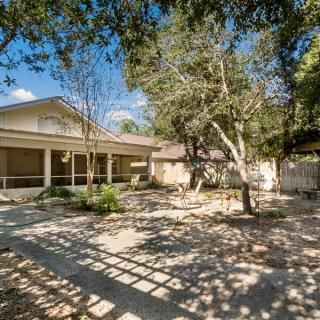
    A suburban house with a white fence and surrounding trees.
  • Bedroom

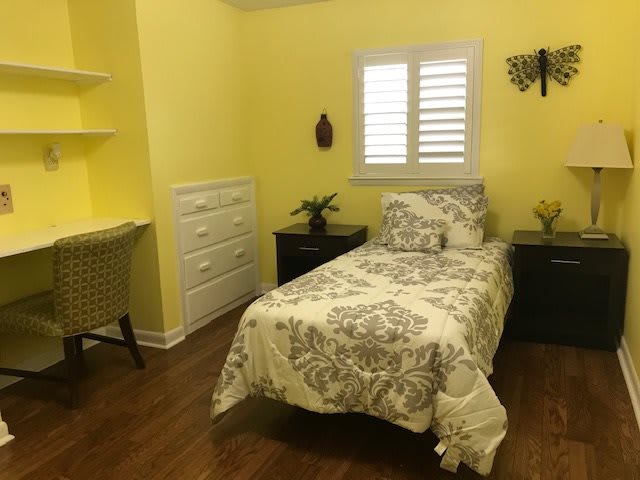
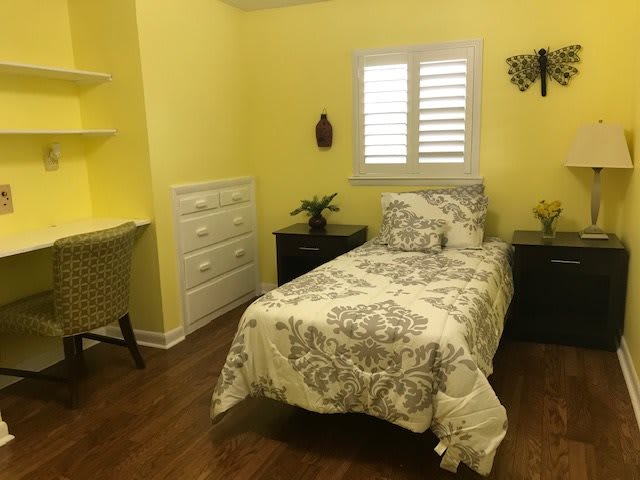
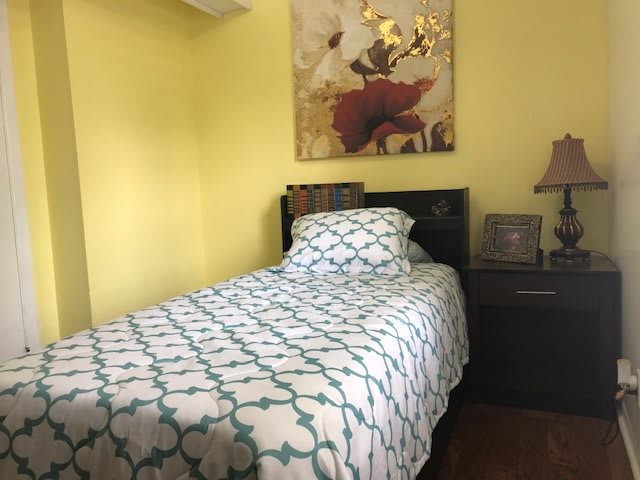
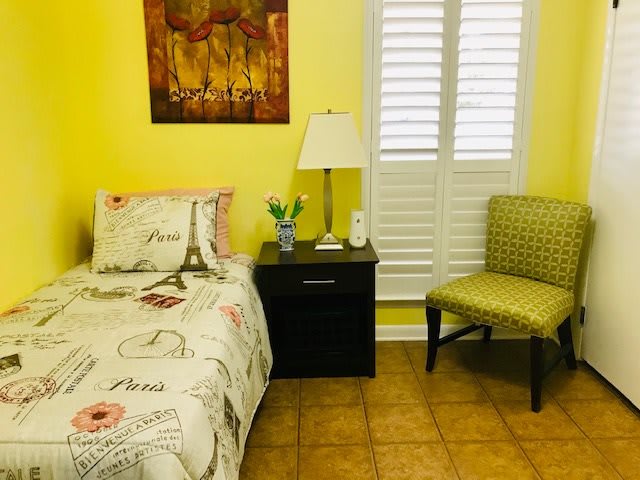
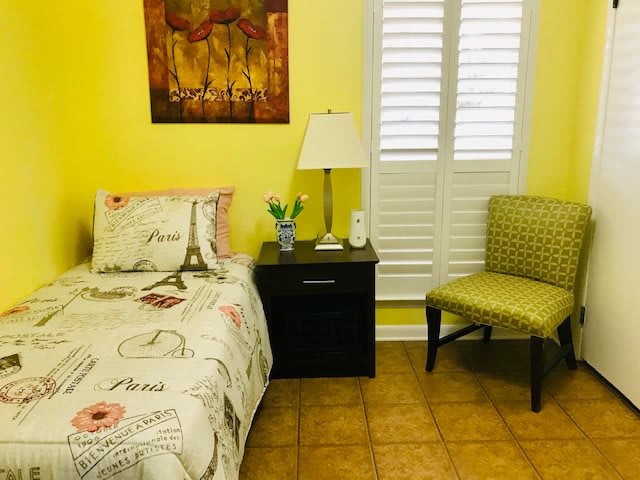
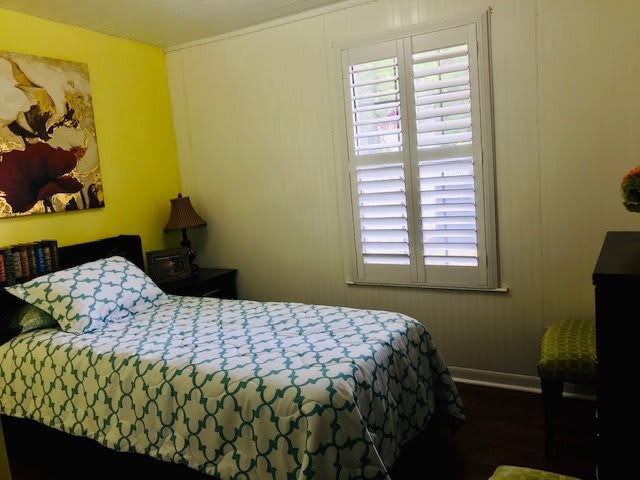
    A cozy bedroom with yellow walls featuring a single bed and floral bedding, complemented by a wooden floor and functional furniture.
  • Trees

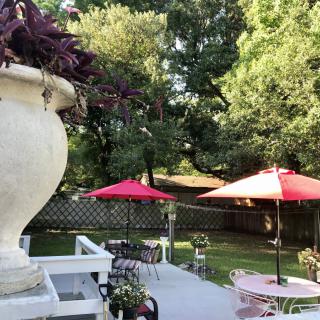
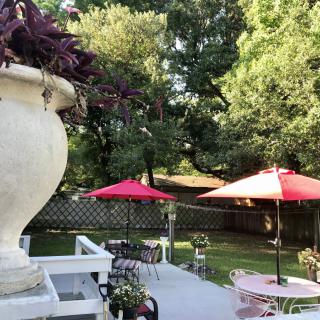
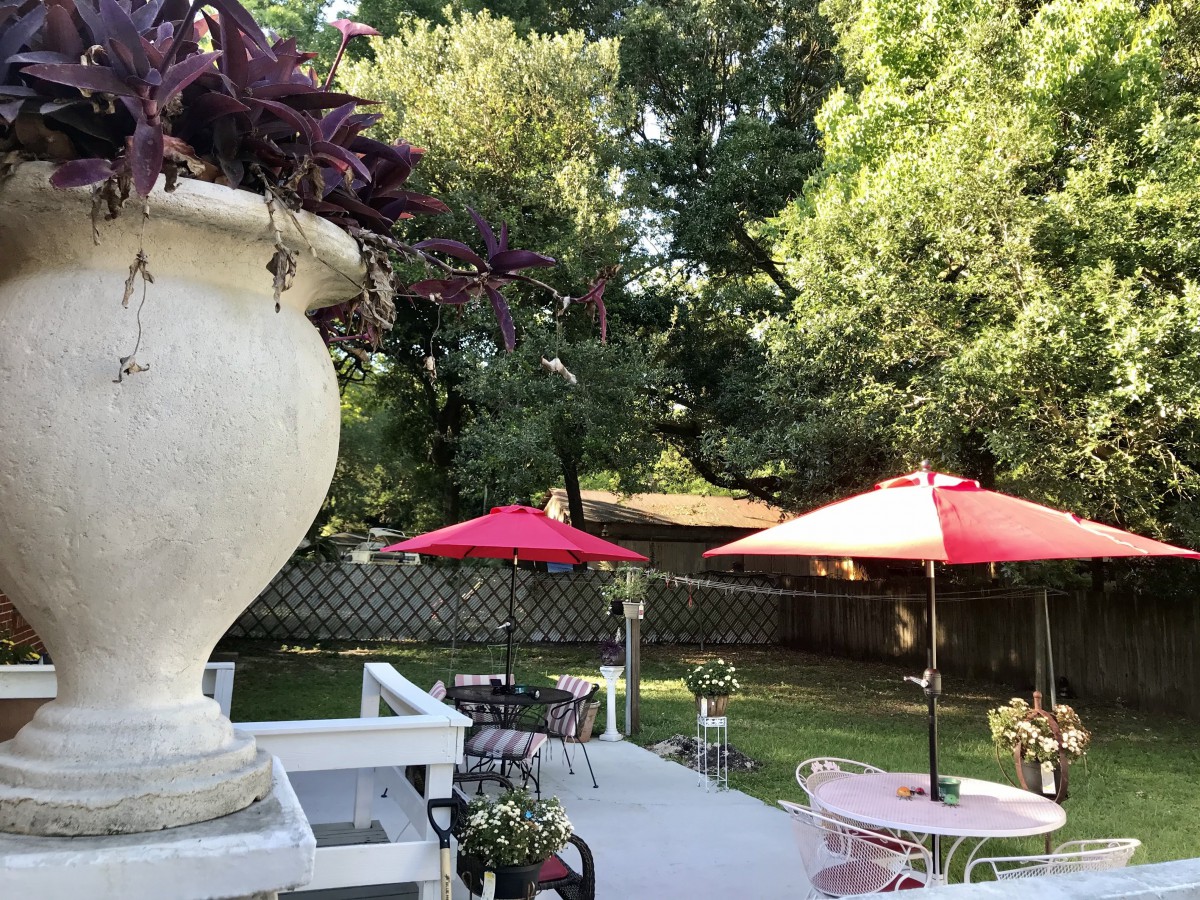
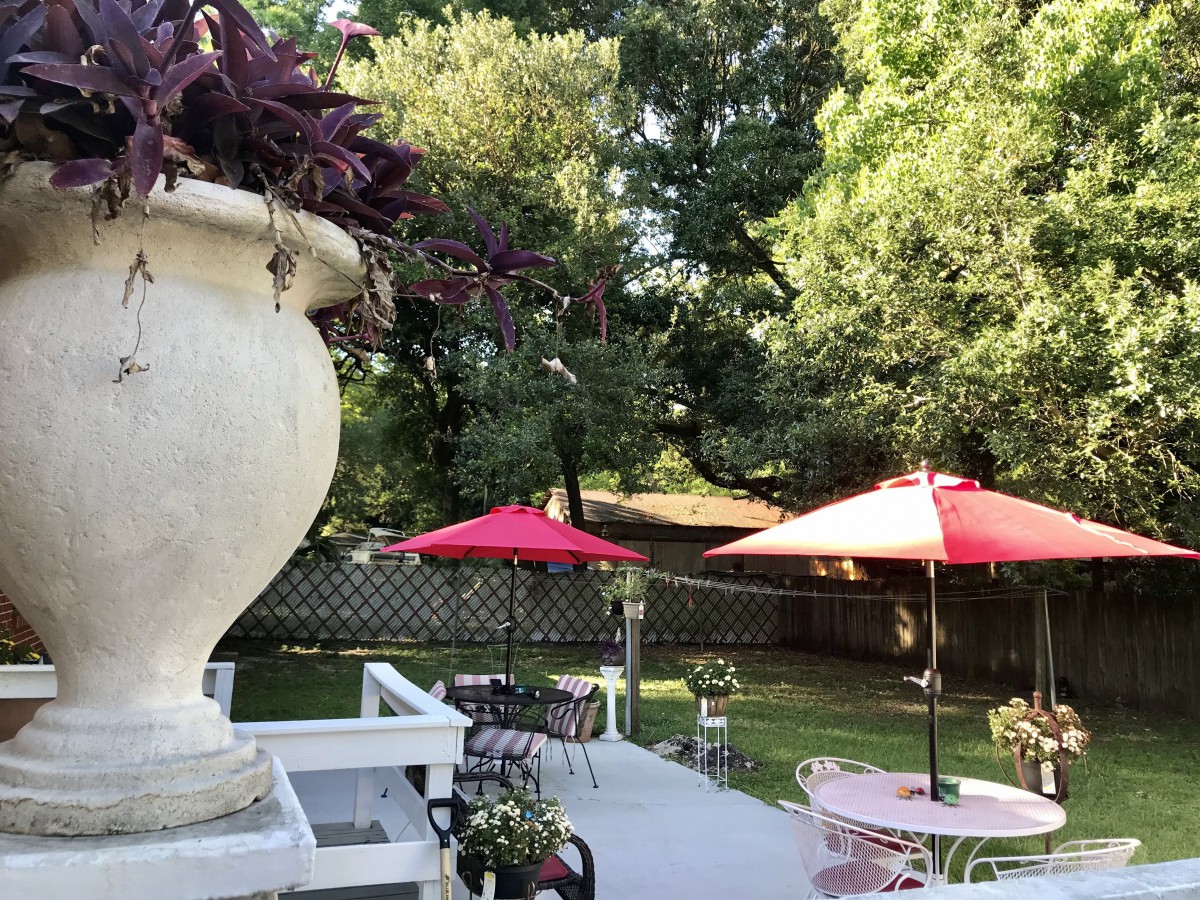
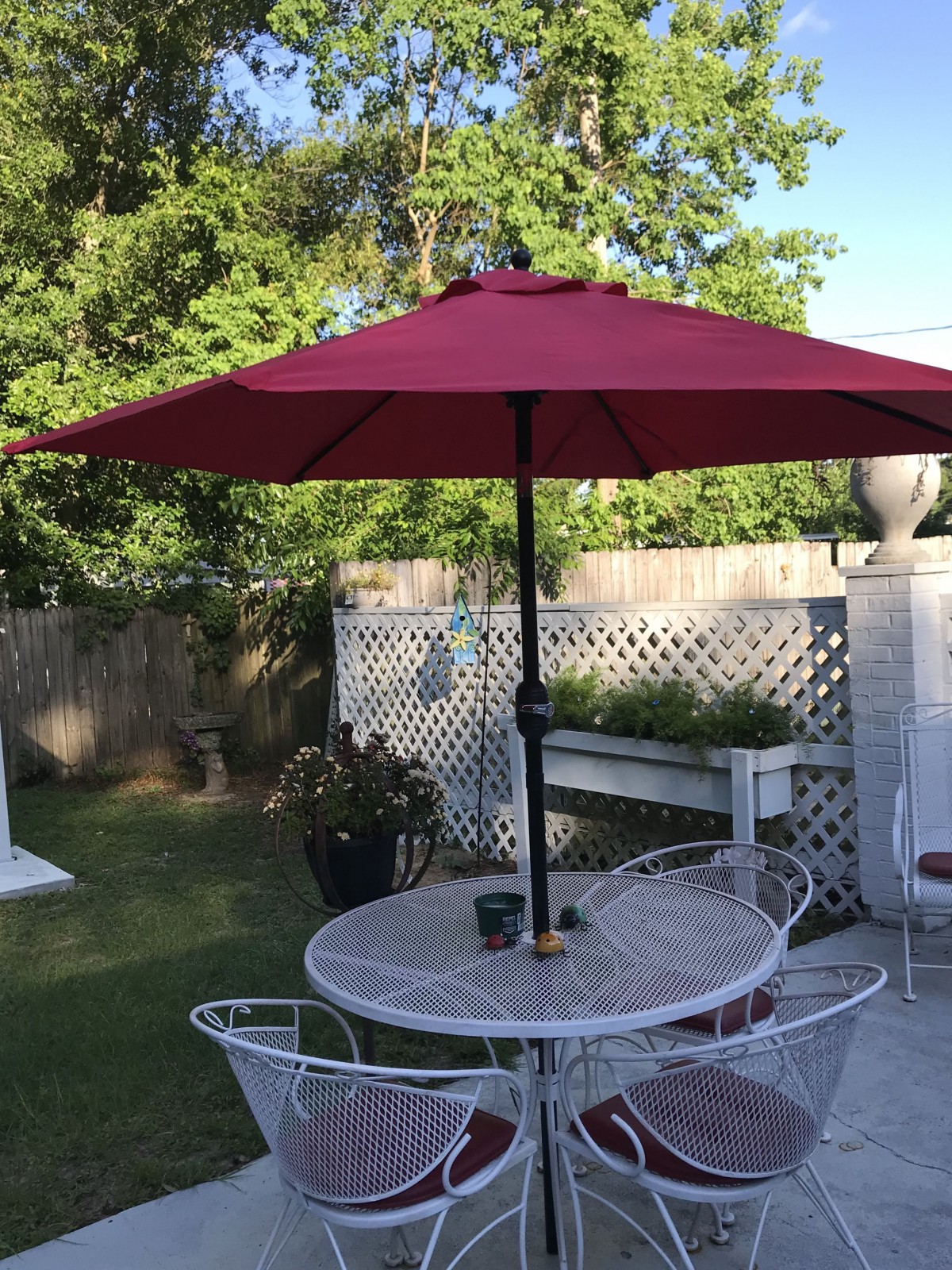
    A tranquil backyard patio with red umbrellas, surrounded by lush green trees.
  • Windows

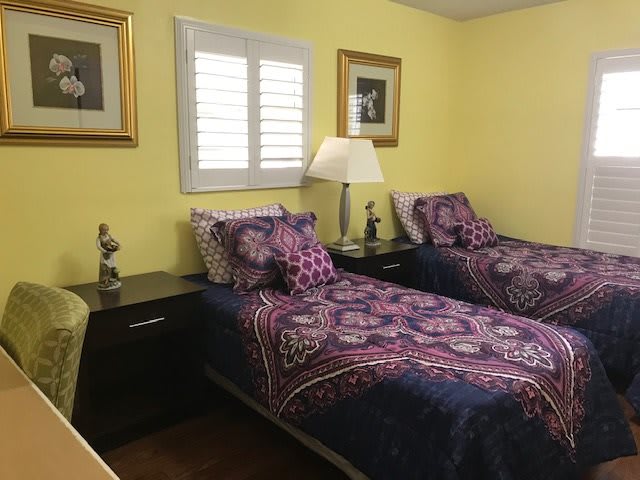
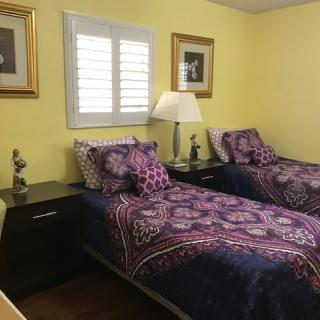
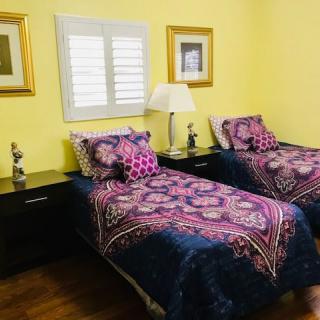
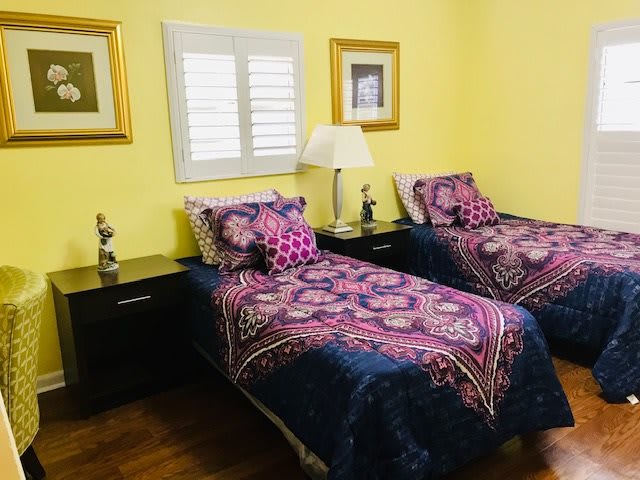
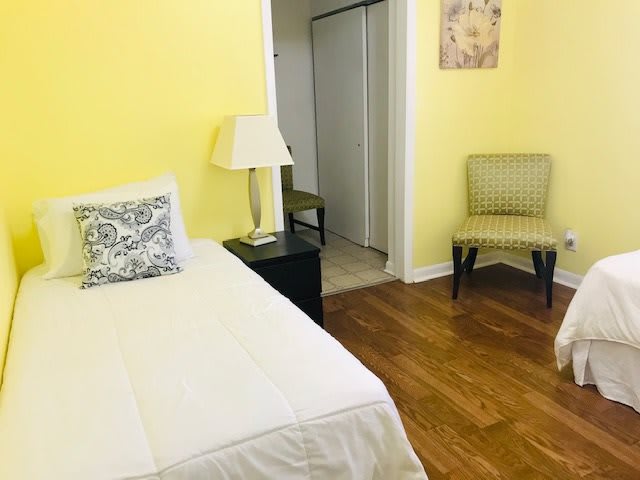
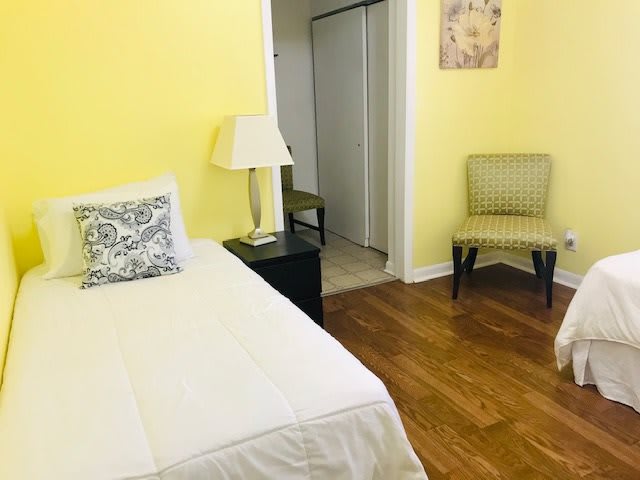
    A cozy bedroom with twin beds featuring purple patterned bedding, a central lamp on the nightstand, and framed artwork on the yellow walls.
  • Dining

    A cozy dining area with round tables, upholstered chairs, and flower vases reflecting in a mirror.
  • Landscaping

    A brick house with a white fence and colorful flowers in the yard.
  • Kitchen

    A kitchen with a granite countertop featuring a potted orchid and a fruit basket.
  • Garden

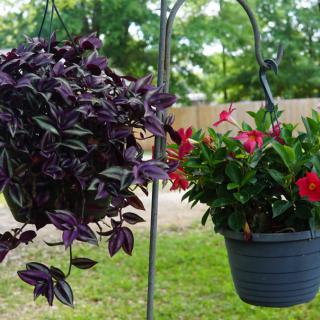
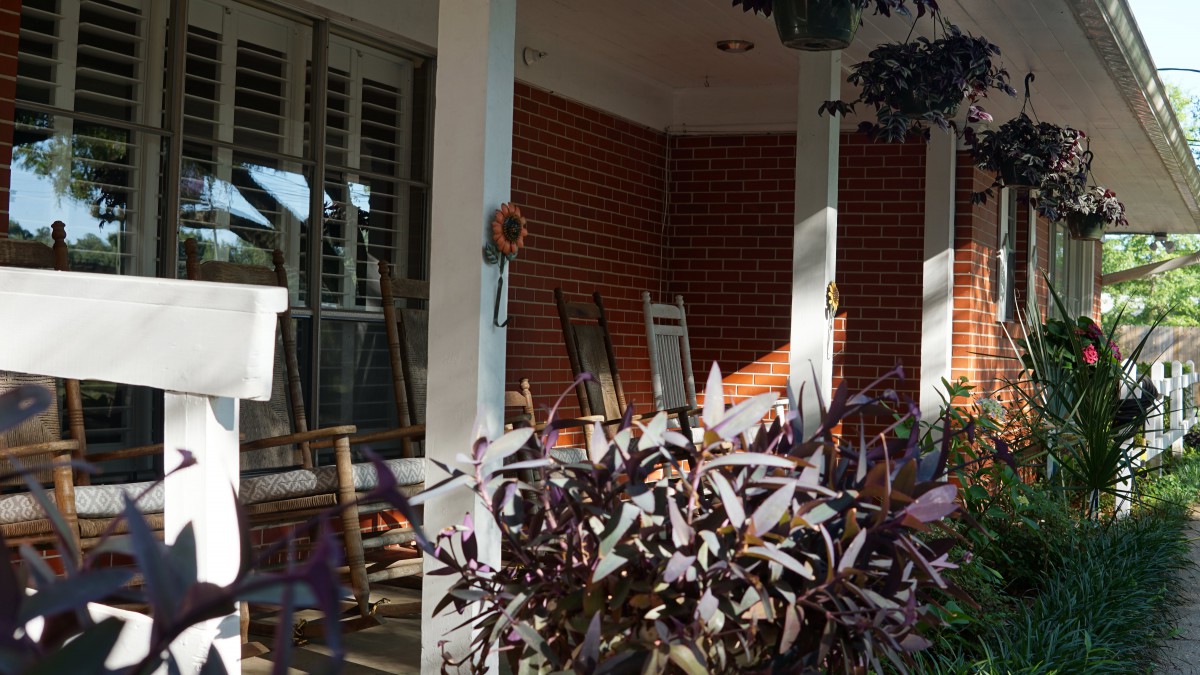
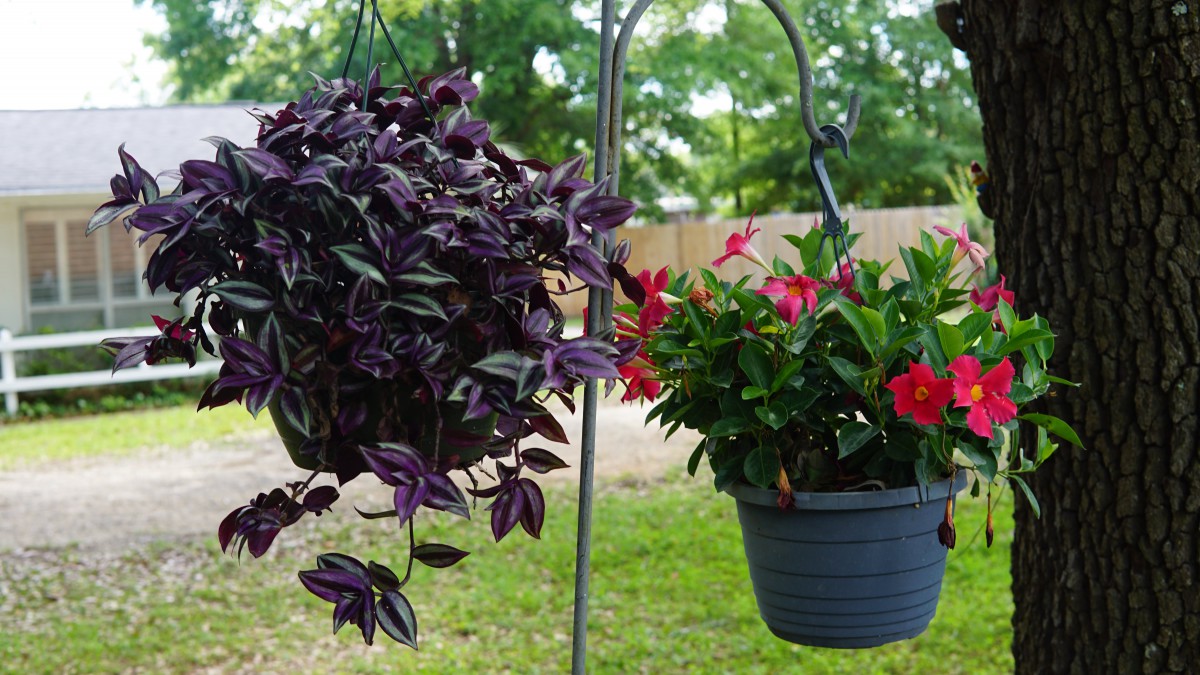
    Hanging plants with vibrant purple leaves and red flowers in a garden setting.
  • Artwork

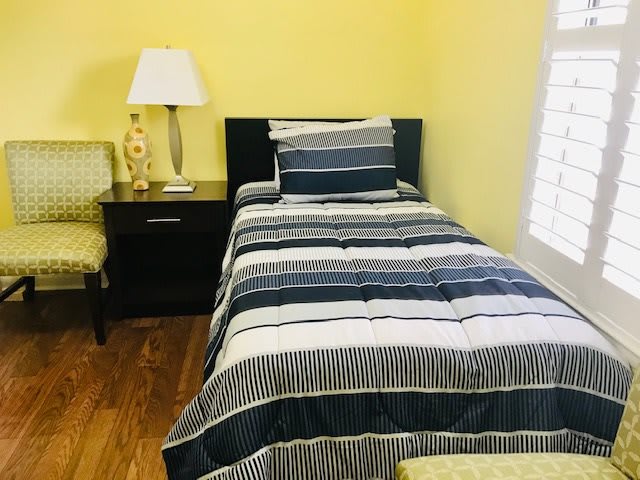
    A cozy bedroom with twin beds adorned in colorful bedding, set against sunny yellow walls with artwork and a window featuring shutters.

FL Memory Lane in Pensacola, FL

108 Louisiana Dr., Pensacola, FL 32505

For more information about senior living options: (844) 490-3973

4.9 from 19 reviews
5 stars
18
4 stars
0
3 stars
1
2 stars
0
1 stars
0

Assisted Living Board and Care Home Memory Care

FL Memory Lane Costs & Pricing

FL Memory Lane offers competitive pricing for its residents, providing a range of options that cater to different needs. For semi-private rooms, the cost is $2,500 per month, significantly lower than the average rates in Escambia County at $3,209 and in Florida as a whole at $3,009. Similarly, the one-bedroom accommodations are priced at $3,500, which is more affordable compared to Escambia County's average of $4,040 and Florida's rate of $3,864. For private rooms, FL Memory Lane maintains this trend with a monthly fee also set at $3,500 - considerably less than the county's charge of $4,881 and slightly above the state's average of $3,699. Overall, FL Memory Lane stands out as an economically attractive choice for individuals seeking quality care without breaking the bank.

Floor plansFL Memory LaneEscambia CountyFlorida
Semi-Private$2,500$3,209$3,009
1 Bedroom$3,500$4,040$3,864
Private$3,500$4,881$3,699

Overall Review of FL Memory Lane

Pros

  • pro The owner lives on site and is highly attentive to residents' needs.
  • pro The staff remain consistent, so residents and families know who cares for them.
  • pro Residents are encouraged to go outside daily for sunlight and fresh air.
  • pro The facility is consistently clean and free of odors.
  • pro Home-cooked meals are prepared with attention to individual tastes and nutritional needs.
  • pro Prices are very reasonable compared with corporate facilities.
  • pro Care is compassionate, respectful, and dignified toward residents.
  • pro Families receive regular photos and updates showcasing activities and progress.

Cons

  • pro The exterior is not fancy or modern.
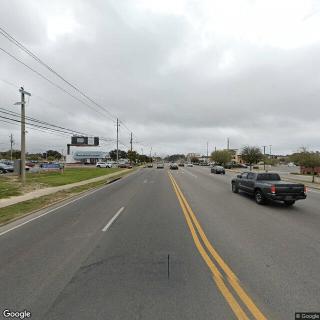
  • pro The neighborhood is a little sketchy.
  • pro There was only one nurse on duty at the time, raising concerns about backups for residents.
  • pro The living room is too dim.
  • pro It is pretty cold inside.
  • pro The virtual tour did not provide a good sense of the facility.

Review

FL Memory Lane in Pensacola is best suited for families seeking a small, home-like memory care option for a loved one with advanced dementia who needs constant supervision, daily engagement, and unusually personal attention. This community shines as a hands-on, owner-operated setting where the same administrator and caregiving team stay with residents, residences feel more like a home than a medical facility, and daily routines emphasize human interaction, outdoor time, and familiar comforts. Reviewers repeatedly describe clean spaces, reliable routines, home-cooked meals, and a culture of personalized care, with the owner visible and approachable, ensuring residents are known and attended to throughout the day.

Those considering alternatives should be aware of some realities that may steer families elsewhere. If medical complexity requires robust, around-the-clock clinical oversight from a dedicated nurse or a larger team with a formal hospital-like model, this facility may feel undersized. A few reviewers flagged concerns about staffing backups - one noted only a single nurse on site at times - and others mentioned the interior could feel a bit cold or dim. For families seeking a sleek, modern campus with expansive amenities or a highly structured, high-capacity operation, a corporate or larger Memory Care campus could be a better match. A virtual tour, while informative, cannot substitute for in-person impressions when evaluating fit.

The strongest pros here - consistently present across reviews - materially offset the drawbacks for the target audience. The owner on site, Marie, is more than a figurehead; she and the same caregiving team know residents deeply, ensuring daily engagement rather than isolation. Residents are dressed in clean clothes every day, meals arrive reliably, and families receive regular photos and videos capturing everyday moments and milestones. The small, non-corporate environment reduces "institutional" feel, replacing it with warmth, accountability, and a sense that care plans are tailored. The absence of urine odors, the emphasis on cleanliness, and the opportunity for outdoor sun and fresh air every day further demonstrate a consistently cared-for atmosphere.

Beyond the core strengths, other compelling positives abound. Small dogs live on site, providing gentle companionship that upholds dignity and emotional well-being without imposing caregiving burdens on families. Residents frequently participate in activities and outings, from piano and singing to casual excursions and outdoor meals on the patio, reinforcing a sense of normalcy and connection. Food quality earns praise, as does the perception of "never missing a meal" and daily snacks that help maintain appetite and mood. The value proposition also stands out: families describe the price as affordable relative to corporate memory care options, with care that feels genuinely attentive and comprehensive.

There are practical caveats to weigh in the decision. Prospective residents should verify staffing dynamics for nights and weekends, confirm back-up coverage, and understand how emergencies are handled if a nurse is temporarily unavailable. Families should also assess how important a modern aesthetic is to their loved one; the exterior is described as not fancy, and while the interior is consistently clean, some rooms and common areas may feel less polished than larger facilities. For those who prize a highly polished setting, or who want a campus with extensive on-site medical infrastructure, alternatives may offer the reassurance they seek.

For families weighing options, the bottom-line guidance is clear. FL Memory Lane represents a compelling fit for families prioritizing intimate, attentive care in a home-like context, with reliable daily routines, ongoing family communication, and meaningful resident engagement. It is particularly well suited for seniors with advanced dementia who thrive with daily structure, consistent staff, and opportunities to be outdoors and social. Alternatives merit consideration for those needing stronger clinical supervision, a more modern or expansive facility, or a different balance of amenities. In its niche, FL Memory Lane stands out as a practical, trustworthy choice - one that many families come to rely on as a compassionate, steady home for their loved one.

Features

Housing

  • 10 resident community capacity 10 resident community capacity

Types of Care

  • Assisted Living Assisted LivingAssisted living facilities provide crucial support and care for seniors who may need help with daily tasks such as medication management, bathing, and meal preparation. These communities offer a safe and comfortable environment where seniors can maintain their independence while receiving the assistance they need to thrive in their golden years.
  • Board and Care Home Board and Care HomeBoard and care homes provide a smaller, more intimate setting for seniors who require assistance with daily tasks but do not need the level of care offered by a nursing home. They offer personalized care, meals, and social activities in a homelike environment, ensuring that seniors receive individualized attention and support in their golden years.
  • Memory Care Memory CareMemory care is crucial for seniors as it provides specialized support and services for individuals with dementia or Alzheimer's disease. These programs offer a safe and secure environment where residents receive personalized care, cognitive stimulation, and help with daily activities. Memory care helps seniors maintain their independence, quality of life, and dignity while also providing peace of mind for their families.

Pets

  • Dogs allowed Dogs allowed"Pet friendly" senior living communities are important for seniors because pets provide companionship, reduce feelings of loneliness and depression, promote physical activity and mental stimulation, and offer a sense of purpose and responsibility. Pets can improve overall well-being and quality of life for seniors in many ways.

Amenities

  • Activities on-site Activities on-siteActivities on-site are important for seniors because they provide opportunities for socialization, mental stimulation, physical activity, and overall well-being. Engaging in activities can help seniors stay active, maintain their independence, and improve their quality of life.
  • Air-conditioning Air-conditioningAir conditioning is important for seniors as they are more vulnerable to heat-related illnesses and may have underlying health conditions that make it difficult for them to regulate their body temperature. It helps to keep them comfortable, safe, and healthy in hot weather.
  • Cable or satellite TV Cable or satellite TVCable or satellite TV is important for seniors because it provides entertainment, news, and companionship, helping to combat loneliness and boredom. It also offers a wide range of programming options tailored to different interests and preferences.
  • Devotional services off-site Devotional services off-siteDevotional services off-site are important for seniors as they provide spiritual nourishment, social engagement, and a sense of community outside of the senior living facility. This can enhance overall well-being and help combat feelings of isolation and loneliness often experienced by older adults.
  • Dining room Dining roomDining rooms are important for seniors as they provide a space for socialization, connection, and nutritious meals. They offer opportunities for residents to bond over shared meals, foster a sense of community, and promote healthy eating habits. Dining rooms also ensure that seniors have access to well-balanced meals tailored to their dietary needs and preferences.
  • Fully furnished Fully furnishedFully furnished senior living communities are important for seniors because they provide convenience, comfort, and a hassle-free moving experience. Seniors can easily settle into their new living space without the stress of having to buy and move furniture. This allows them to focus on enjoying their new home and community.
  • Garden GardenGardens are important for seniors as they provide a peaceful and therapeutic environment for relaxation, physical activity, and socialization. Being in nature has been shown to reduce stress, improve mood, and promote overall well-being. Gardens also offer opportunities for seniors to engage in gardening activities, which can improve mobility, flexibility, and cognitive function. Additionally, gardens create a sense of community and connection with others who share a passion for plants and outdoor spaces.
  • Ground floor units Ground floor unitsGround floor units are important for seniors because they provide easy accessibility, reduced risk of falls and injuries, and convenience for those with mobility issues. Seniors can avoid climbing stairs or using elevators, making daily tasks and activities more manageable and enjoyable.
  • Handicap accessible Handicap accessible"Handicap accessible" amenities are crucial for seniors to ensure they can easily navigate and access facilities, services, and activities without barriers or limitations due to physical impairments. This promotes independence, safety, and inclusivity for seniors in senior living communities.
  • Housekeeping services Housekeeping servicesHousekeeping services are important for seniors because they help maintain a clean and safe living environment, promote independence, and reduce the risk of accidents or illnesses. Additionally, having assistance with household chores can alleviate physical strain and allow seniors to focus on other aspects of their well-being.
  • Indoor common areas Indoor common areasIndoor common areas are crucial for seniors as they provide a space for socialization, recreation, and community engagement, promoting overall well-being and reducing feelings of isolation and loneliness.
  • Move-in coordination Move-in coordinationMove-in coordination is important for seniors because it helps ease the transition into their new living environment. It ensures that all logistics, such as packing, organizing movers, and setting up utilities are taken care of, allowing seniors to focus on settling in and adjusting to their new home. Having a smooth move-in process can alleviate stress and anxiety, making the transition smoother and more enjoyable for seniors.
  • Outdoor common areas Outdoor common areasOutdoor common areas are important for seniors as they provide a space for socialization, physical activity, and relaxation. Being outside in nature can improve mood and overall well-being, while also encouraging movement and engagement with others. These spaces can help combat feelings of isolation and promote a sense of community among residents.
  • Outdoor space Outdoor spaceOutdoor spaces are important for seniors as they provide opportunities for physical activity, social interaction, exposure to natural light and fresh air, and a sense of connection to nature. Having access to outdoor spaces can improve overall well-being and quality of life for older adults living in senior communities.
  • Private PrivatePrivacy is important for seniors as it allows them to maintain their independence, dignity, and sense of control over their own lives. It also gives them the space and freedom to relax, reflect, and engage in activities that bring them joy and fulfillment. Creating private spaces within senior living facilities is crucial for promoting overall well-being and quality of life.
  • Private bathrooms Private bathroomsPrivate bathrooms are important for seniors in senior living communities because they provide independence, dignity, and comfort. Having a private bathroom allows seniors to maintain their personal hygiene routines without the need for assistance, promoting a sense of autonomy and privacy. Additionally, private bathrooms help prevent the spread of infections and provide a safe and clean environment for seniors to navigate safely.
  • Respite or short term stays offered Respite or short term stays offeredRespite or short term stays provide seniors with a temporary solution when their regular caregiver is unavailable, offering them the opportunity to receive additional care and support during times of need, while also giving caregivers a chance to rest and recharge.
  • Telephone TelephoneTelephones are important for seniors as they provide a lifeline for communication with loved ones, emergency services, and healthcare providers. They offer a sense of security and independence, enabling seniors to stay connected and access assistance when needed.
  • Wi-Fi/high-speed internet available Wi-Fi/high-speed internet availableWi-Fi/high-speed internet is important for seniors to stay connected with loved ones, access online resources, and participate in virtual activities to combat feelings of loneliness and isolation. It also allows them to easily manage healthcare needs, access entertainment, and engage in lifelong learning opportunities.

Transportation

  • Pensacola Regional (5 miles away) Pensacola Regional (5 miles away)

Care Services

  • 24-hour supervision 24-hour supervision24-hour supervision is important for seniors to ensure their safety, well-being, and access to immediate assistance in case of emergencies or health issues. This constant support provides peace of mind for both seniors and their loved ones, allowing them to age in place with dignity and security.
  • Activities of daily living assistance Activities of daily living assistanceActivities of daily living assistance are important for seniors because they provide essential support with tasks such as eating, bathing, dressing, and mobility. This assistance helps seniors maintain their independence, dignity, and overall quality of life as they age.
  • Ambulatory care Ambulatory care"Ambulatory care services provide essential medical support and treatment to seniors without requiring hospitalization, allowing them to maintain their independence and quality of life while managing chronic conditions or receiving routine medical care."
  • Assistance with bathing Assistance with bathingAssistance with bathing is crucial for seniors as it helps maintain personal hygiene, prevents infections, and ensures their overall well-being and comfort. It also provides a sense of dignity and independence for seniors who may struggle with this task on their own.
  • Assistance with dressing Assistance with dressingAssistance with dressing is important for seniors because it helps maintain their independence, promotes personal hygiene, prevents accidents and injuries, and improves overall quality of life. This service ensures that seniors can continue to dress comfortably and confidently, despite any physical limitations they may have.
  • Assistance with transfers Assistance with transfersAssistance with transfers is crucial for seniors as it helps prevent falls and injuries, maintains their independence, and ensures they can safely navigate their living environment. It also provides peace of mind for both seniors and their loved ones.
  • Coordination with health care providers Coordination with health care providersCoordination with health care providers is crucial for seniors to ensure proper medical care, medication management, and overall well-being. This collaboration helps prevent overlapping treatments, track progress more effectively, and provide comprehensive support tailored to individual needs.
  • Diabetes diet Diabetes dietA diabetes diet is crucial for seniors as it helps manage blood sugar levels, reduce risks of complications, and improve overall health and well-being. By following a balanced and nutritious diet tailored to their specific needs, seniors can better control their diabetes and enhance their quality of life.
  • Incontinence care Incontinence careIncontinence care is essential for seniors to maintain their dignity, hygiene, and overall quality of life. By addressing incontinence issues promptly and effectively, seniors can enjoy a sense of independence and comfort in their daily activities.
  • Meal preparation and service Meal preparation and serviceMeal preparation and service are crucial for seniors as they may have limited mobility or energy to cook nutritious meals. Having access to healthy and convenient food options can ensure they are getting the proper nutrition needed to maintain their overall health and well-being.
  • Medication management Medication managementMedication management is crucial for seniors to ensure they are taking the right medications at the correct dosages and times. This helps prevent adverse drug interactions, reduces the risk of medication errors, and promotes overall health and well-being. Proactive management also allows for adjustments as needed based on changing health conditions or new prescriptions.
  • Special dietary restrictions Special dietary restrictionsSpecial dietary restrictions are important for seniors because age-related changes in metabolism and health conditions can make it difficult for their bodies to process certain foods. By following a diet tailored to their specific needs, seniors can maintain their overall health and well-being, manage chronic conditions, and reduce the risk of complications such as malnutrition or food interactions with medications.
  • Transportation arrangement (medical) Transportation arrangement (medical)Transportation arrangements for medical purposes are essential for seniors as they may have difficulty driving themselves to appointments or accessing public transportation. Having reliable and safe transportation options ensures that seniors can receive timely medical care and maintain their health and well-being.
  • Transportation to doctors appointments Transportation to doctors appointmentsTransportation to doctors' appointments is crucial for seniors as it ensures they have access to necessary medical care and support for their health needs. Without reliable transportation, seniors may struggle to attend important appointments, leading to potential delays in treatment and health complications. Providing transportation services helps seniors maintain their overall well-being and quality of life.

Dining

  • Diabetes diet Diabetes dietA diabetes diet is crucial for seniors as it helps manage blood sugar levels, reduce risks of complications, and improve overall health and well-being. By following a balanced and nutritious diet tailored to their specific needs, seniors can better control their diabetes and enhance their quality of life.
  • Meals provided Meals provided"Meals provided" are crucial for seniors in assisted living communities as it ensures they have access to nutritious, balanced meals without the stress of meal planning and preparation. This can help promote overall health and well-being for seniors who may have limited mobility or cognitive abilities.
  • No Sugar No SugarNo sugar diets are important for seniors because they can help prevent or manage chronic conditions such as diabetes, heart disease, and obesity. Sugar can also contribute to cognitive decline and inflammation in the body, so reducing sugar intake can lead to overall improved health and well-being in older adults.
  • Restaurant style dining Restaurant style diningRestaurant style dining is important for seniors as it offers them a social and enjoyable dining experience, promotes healthy eating habits, and provides personalized menu options to cater to their dietary needs and preferences. This type of dining setting can enhance their overall quality of life and create a sense of community within the senior living facility.
  • Special dietary restrictions Special dietary restrictionsSpecial dietary restrictions are important for seniors because age-related changes in metabolism and health conditions can make it difficult for their bodies to process certain foods. By following a diet tailored to their specific needs, seniors can maintain their overall health and well-being, manage chronic conditions, and reduce the risk of complications such as malnutrition or food interactions with medications.

Activities

  • Activities on-site Activities on-siteActivities on-site are important for seniors because they provide opportunities for socialization, mental stimulation, physical activity, and overall well-being. Engaging in activities can help seniors stay active, maintain their independence, and improve their quality of life.
  • Art classes Art classesArt classes are important for seniors because they provide a creative outlet, improve cognitive function, reduce stress and anxiety, promote socialization, and enhance overall well-being and quality of life.
  • Community service programs Community service programsCommunity service programs are important for seniors because they provide opportunities for social engagement, physical activity, and mental stimulation. These programs also allow seniors to give back to their communities and maintain a sense of purpose and fulfillment in their lives.
  • Community-sponsored activities Community-sponsored activitiesCommunity-sponsored activities are important for seniors as they provide opportunities for social interaction, mental stimulation, and physical activity. These activities can help improve overall well-being, combat loneliness and isolation, and promote a sense of belonging and purpose among older adults.
  • Day trips and outings Day trips and outingsDay trips and outings are important for seniors as they provide opportunities for socialization, mental stimulation, physical activity, and a break from daily routines. These experiences can enhance overall well-being and quality of life for older adults living in senior communities.
  • Devotional activities offsite Devotional activities offsiteDevotional activities offsite are important for seniors because they provide social engagement, spiritual growth, and a sense of community outside of their living environment. This can improve overall well-being, mental health, and combat feelings of isolation or loneliness.
  • Gardening club Gardening clubGardening clubs are important for seniors because they provide a sense of community, promote physical activity and mental well-being, and offer opportunities for socialization and connection with nature. Gardening can also improve cognitive function and overall quality of life for seniors.
  • Karaoke KaraokeKaraoke provides seniors with a fun and social activity that can boost mood, confidence, and cognitive function. It encourages social interaction, physical movement, and creative expression, making it an important form of entertainment for senior living communities.
  • Reminiscence programs Reminiscence programsReminiscence programs are vital for seniors as they provide opportunities for them to reflect on their life experiences, share memories with others, and maintain cognitive function. These programs can improve mood, stimulate social interaction, and enhance overall well-being for older adults.
  • Scheduled daily activities Scheduled daily activitiesScheduled daily activities are important for seniors because they provide structure, socialization, mental stimulation, and physical activity. Engaging in regular activities can improve overall well-being and quality of life for seniors living in a community setting.
  • Sensory-based programs Sensory-based programsSensory-based programs are important for seniors as they can help stimulate their senses, improve cognitive function, reduce feelings of isolation, and enhance overall quality of life. These programs engage residents in a variety of sensory activities such as music therapy, aromatherapy, tactile stimulation, and reminiscence therapy, providing mental and emotional benefits for older adults in senior living communities.
  • Stretching classes Stretching classesStretching classes are important for seniors because they help improve flexibility, reduce the risk of injury, and promote overall health and well-being. Regular stretching can also help alleviate joint pain and stiffness, enhance balance and coordination, and increase range of motion.
  • Trivia games Trivia gamesTrivia games are important for seniors because they provide mental stimulation, social interaction, and a fun way to keep the mind sharp. They can help improve memory, cognitive function, and overall well-being in older adults.
  • Visiting chaplain or priest Visiting chaplain or priestHaving a visiting chaplain or priest at a senior living community is important for seniors because it provides spiritual support, comfort, and guidance during a time of life that can be challenging and uncertain. Their presence can help seniors feel connected to their faith, find peace of mind, and cope with the emotional and mental struggles they may face in their later years.

  • Yoga / chair yoga Yoga / chair yogaYoga and chair yoga are important for seniors as they promote flexibility, balance, strength, and overall wellbeing. These practices can help improve mobility, reduce stress, and enhance mental clarity, ultimately leading to a higher quality of life in their senior years.

Description

FL Memory Lane in Pensacola, FL is a memory care community that provides specialized care for individuals with memory impairments. Our community offers a range of amenities to ensure the comfort and well-being of our residents. Each unit is equipped with air-conditioning and is handicap accessible, allowing for easy navigation throughout the community. Residents can enjoy both indoor and outdoor common areas, providing opportunities for socialization and recreation.

Privacy is highly valued at FL Memory Lane, as each resident has their own private room with a private bathroom. We also offer respite or short-term stays for those who may need temporary care. Stay connected with friends and family through our Wi-Fi/high-speed internet access.

Our dedicated staff provides personalized care services, including incontinence care and medication management. Our goal is to create a safe and supportive environment where residents can thrive and maintain their independence.

At FL Memory Lane, we believe that dining should be enjoyable and nutritious. Our restaurant-style dining offers delicious meals tailored to meet dietary needs, including options for those with dietary restrictions such as no sugar added.

Keeping our residents engaged and stimulated is important to us, which is why we offer a variety of activities to cater to different interests. From art classes to day trips and outings, there are plenty of opportunities for meaningful experiences. Devotional activities offsite are provided for spiritual nourishment, along with visiting chaplain or priest services. Gardening club, karaoke, reminiscence programs, sensory-based programs, stretching classes, trivia games, and yoga/chair yoga are also available to promote physical and mental well-being.

Located in Pensacola, FL, our community benefits from its convenient location near several cafes, pharmacies, physicians' offices, restaurants, places of worship, theaters, and hospitals.

At FL Memory Lane, we strive to provide a warm and supportive environment where individuals living with memory impairments can feel comfortable and cared for while enjoying an enriching lifestyle.

Nearby Places of Interest

This part of Pensacola, Florida, offers a convenient and diverse range of amenities for senior living. There are several fast food restaurants such as McDonald's, Whataburger, and Wendy's nearby for quick and easy dining options. Additionally, there are multiple physicians' offices and pharmacies within a short distance for medical needs. Hospitals like Childrens Hospital Medical Center and Baptist Emergency Trauma Center are also located in close proximity for any emergencies. With places of worship like Gateway Church of Christ and Cathedral of the Sacred Heart nearby, seniors can easily access spiritual support. For leisure activities, there is the AMC Bayou 15 theater and cafes like Fosko Coffee Barre and Starbucks to enjoy social outings. Overall, this area provides a well-rounded community with essential services for senior residents to thrive in Pensacola.

Restaurants

  • McDonald's (0.9 miles)
  • Whataburger (1 miles)
  • Wendy's (1.2 miles)
  • Whataburger (1.4 miles)
  • Happy China Restaurant (1.5 miles)
  • Saigon Oriental Market & Deli (1.8 miles)
  • Checkers (2.9 miles)

Physicians

  • Dr virtusio (1 miles)
  • Escambia County Health Department (1.3 miles)
  • Pace Boulevard Family Practice (1.4 miles)
  • Florida Pediatric Clinic (1.5 miles)
  • Dr Hennigan (1.7 miles)
  • Patrick Francis Reilly (1.7 miles)
  • Gastroenterology Associates Baptist Division (1.7 miles)

Pharmacies

  • Walgreens (1.3 miles)
  • Walgreens (1.8 miles)
  • CVS Pharmacy (2.6 miles)
  • Walgreens (3 miles)
  • Drug Shop (3.1 miles)
  • CVS Pharmacy (3.1 miles)
  • Walgreens (3.1 miles)

Hospitals

  • Childrens Hospital Medical Center (1.7 miles)
  • Baptist Emergency Trauma Center (1.7 miles)
  • Sacred Heart Diagnostics (2.2 miles)
  • Baptist Health Care Lab (2.4 miles)
  • Studer Group (3.4 miles)
  • Pet/Ct Imaging Center of Northwest Florida (3.4 miles)
  • Sacred Heart Hospital Icu, Pensacola, Florida (3.4 miles)

Places of Worship

  • Gateway Church of Christ (2.4 miles)
  • Cathedral of the Sacred Heart (3.2 miles)

Theaters

  • 4180 Amc Bayou 15 (3.1 miles)

Cafes

  • Fosko Coffee Barre (3.2 miles)
  • Starbucks (3.2 miles)
  • Starbucks (3.5 miles)
  • Starbucks (3.6 miles)

Frequently Asked Questions

How much does it cost to live at FL Memory Lane in Pensacola, FL?
Where is FL Memory Lane?
Does FL Memory Lane provide care for residents with dementia or Alzheimer's disease?
What photos are available for FL Memory Lane in Pensacola, Florida?

Nearby Communities

  • The Rhema House Assisted Living Facility

    The Rhema House Assisted Living Facility

    Pensacola, FL


    pro Fully furnished rooms with 24/7 supervision and personalized care.
  • Alpine Adult Care Ctr

    Alpine Adult Care Ctr

    Pensacola, FL


    pro Excellent access to nearby amenities and healthcare.

  • Rudd,  Debra

    Rudd, Debra

    Pensacola, FL


    pro Convenient location near abundant healthcare, pharmacies, and dining options.

  • Glass,  Velma

    Glass, Velma

    Pensacola, FL

    4.5 from 100 reviews
     

    pro Personalized care with convenient nearby amenities in a peaceful Pensacola setting.

  • Home of Hope

    Home of Hope

    Pensacola, FL

    4.3 from 3 reviews
     

    pro Board-and-care setting with excellent access to nearby dining, pharmacies, healthcare, worship, and entertainment.

  • Rehabilitation Center At Park Place

    Rehabilitation Center At Park Place

    Pensacola, FL


    pro Extensive on-site amenities and 24/7 supervision with meal service and activities.

  • Emerald Gardens

    Emerald Gardens

    Pensacola, FL

    3.2 from 21 reviews
     

    pro Caring staff in a clean, comfortable setting.

  • Haven of Our Lady of Peace

    Haven of Our Lady of Peace

    Pensacola, FL

    4.1 from 102 reviews
     

    pro Comprehensive rehab services with friendly, clean environment.

  • Veranda of Pensacola

    Veranda of Pensacola

    Pensacola, FL

    4.3 from 86 reviews
     

    pro Welcoming atmosphere with friendly staff and a wide range of amenities.

Memory care in Nearby Cities

Related Resources

  • assisted living vs memory careUnderstanding the Distinctions: Assisted Living and Memory Care Explained

    The article differentiates between assisted living and memory care, explaining that assisted living supports seniors with daily activities while promoting independence, whereas memory care provides specialized services for individuals with dementia, focusing on secure environments and cognitive support. It also addresses staff training, safety considerations, costs, family involvement, and transition strategies for families navigating these care options.

  • how to talk to someone with dementiaHow to Communicate with a Loved One Living with Dementia: 10 Supportive Strategies
    The article outlines effective communication strategies for interacting with loved ones with dementia, highlighting the need for empathy, patience, and understanding while emphasizing supportive approaches like using simple language, minimizing distractions, and focusing on feelings over facts to maintain dignity and foster connection. It also suggests seeking professional guidance when needed as communication challenges evolve.

  • va nursing homeComprehensive Guide to VA Nursing Homes: A Crucial Long-Term Care Resource for Veterans
    VA nursing homes, or Community Living Centers (CLCs), offer tailored long-term care for veterans, featuring medical attention and rehabilitation in a supportive environment. The guide covers facility types, eligibility criteria, financial assistance options, quality of care standards, and alternatives to full-time nursing home placement.