
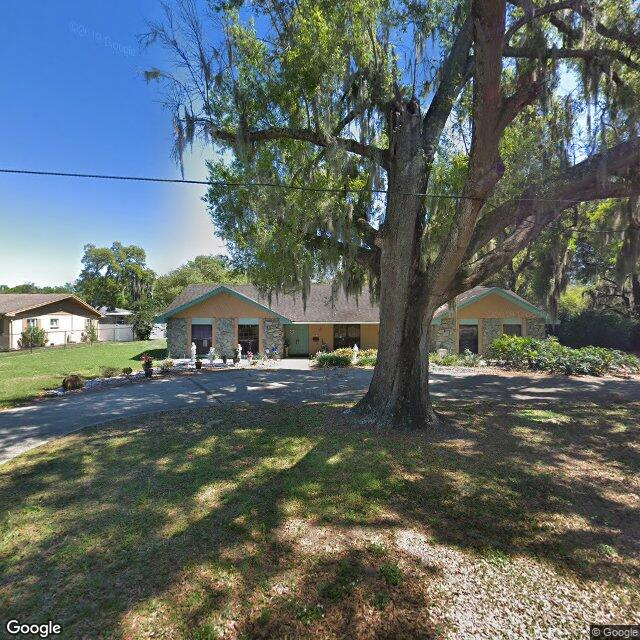
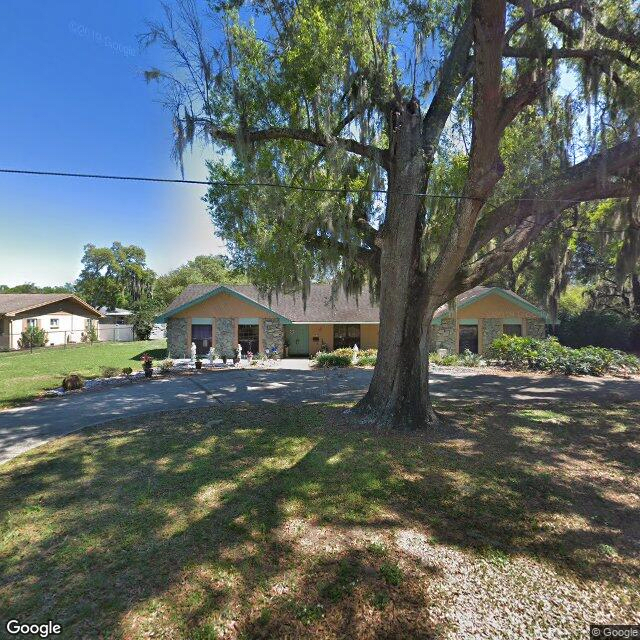
907 North Taylor Road, Brandon, FL 33510
To contact a resident: (873) 476-5253
For more information about senior living options: (866) 208-4318
St Cloud Haven II Costs & Pricing
St. Cloud Haven II offers competitive pricing for its accommodations, with monthly costs for various room types that often fall below the average rates seen in Hillsborough County and throughout Florida. For semi-private rooms, residents can expect to pay between $2,500 and $3,995, which is notably lower than the county's average of $3,096. Private rooms are priced from $3,500 to $5,095, also offering a more cost-effective option compared to the county's average of $3,384. Additionally, the studio units at St. Cloud Haven II are available for a flat rate of $3,500, which remains below both county and state averages of $3,685 and $3,823 respectively. This pricing structure not only underscores St. Cloud Haven II's commitment to affordability but also provides residents with quality living options without compromising on comfort or services.
| Floor plans | St Cloud Haven II | Hillsborough County | Florida |
|---|---|---|---|
| Semi-Private | $2,500 to $3,995 | $3,096 | $3,009 |
| Private | $3,500 to $5,095 | $3,384 | $3,699 |
| Studio | $3,500 | $3,685 | $3,823 |
Memory care communities with a similar price nearby
-
from +$505 / mo
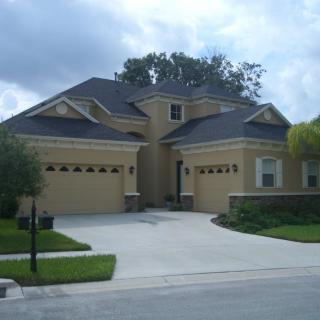
Shiela's Home Care
$4,500 / month20.6 miles away -
from -$295 / mo
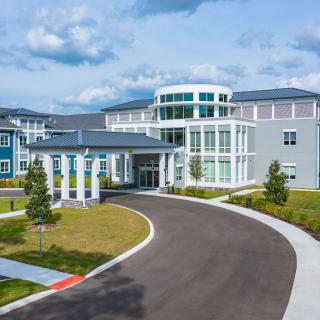
The Meridian at Brandon
$3,700 to $5,900 / month4.5 miles away -
About the same
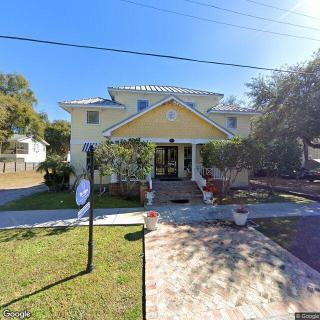
The Abigail
$4,000 / month11.1 miles away -
from -$745 / mo
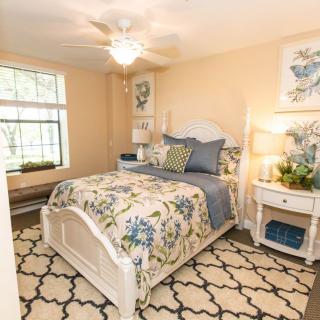
Lake Gibson Village
$3,250 to $5,000 / month22.3 miles away -
from +$701 / mo
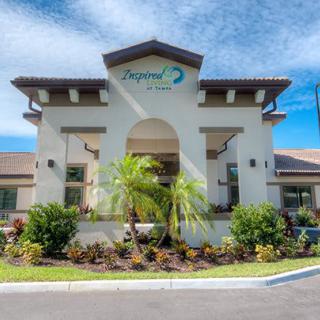
Inspired Living at Tampa
$4,696 to $6,045 / month17.0 miles away
Overall Review of St Cloud Haven II
Pros
 The facility is an amazing place with amazing caregivers; there are no complaints, and it comes highly recommended.
- The administrator is a gem who goes above and beyond for residents; she is knowledgeable and kind, and the staff are great.
- St. Cloud Haven and hospice provide end-of-life care that is as comfortable and compassionate as possible.
Cons
 The facility will not meet their needs; it is not secure enough.
Review
St. Cloud Haven II in Brandon, Florida, is best suited for families seeking a caregiver-forward environment where a highly attentive, hands-on approach is the norm and leadership is clearly present at the top. It serves residents who thrive on personal connections with staff and who want a sense of continuity and reassurance that there is a cohesive team behind daily care. The community also seems well-aligned with families facing serious health transitions, including end-of-life care, where hospice collaboration and compassionate presence can be decisive factors in comfort and dignity.
The strongest positives center on the quality of care and the people delivering it. Reviews repeatedly praise the caregivers as dedicated and reliable, with no complaints about the day-to-day experience. The administrator is described as exceptionally capable, knowledgeable, kind, and consistently going above and beyond for residents. Staff are depicted as “one in a million,” suggesting a level of attentiveness and cohesion that translates into consistently thoughtful routines, timely assistance, and a warm atmosphere. End-of-life care receives particular commendation, with hospice support delivered in a manner that emphasizes comfort, compassion, and person-centered dignity. Taken together, these elements create a compelling picture for families prioritizing humane, hands-on care and stable, trustworthy leadership.
However, a clear caveat emerges around security. One reviewer explicitly notes that the facility “will not meet my needs” due to insufficient security measures. That concern is not incidental; it signals a real misalignment for families who require a tightly controlled environment, enhanced access monitoring, or memory-care-specific security features. For residents prone to wandering, those with advanced dementia, or families who place a premium on physical safeguards, this limitation could outweigh other strengths. In short, while daily care and personal interaction are widely praised, the security deficit warrants careful scrutiny before making a placement decision.
This is where the pros can offset the cons for many families. The standout leadership and the exceptionally high level of caregiver engagement create a dependable baseline of daily quality that can ease worry about routine needs, responsiveness, and social interaction. The administrator’s proactive, compassionate approach sets a tone of accountability and trust that permeates the staff, making it feel as though residents are genuinely cared for, private moments, routine tasks, and crisis moments alike. When end-of-life needs arise, the facility appears capable of delivering sensitive, dignified support that families often prize in the final stages of life. For families with strong emphasis on personal connection and respectful, hospice-aligned care, these attributes can decisively outweigh the security caveat.
Practically speaking, the decision hinges on what is most valued in daily life and safety. Brandon-area families who want a warm, resident-centered environment with responsive staff and an administrator who is visibly invested will find a compelling match here. It is prudent to verify whether the security shortfall can be mitigated by specific room configurations, secured entrances, or enhanced monitoring, and to inquire about memory-care capabilities if cognitive impairment is a factor. Prospective residents should consider visiting for firsthand observations of staff-resident interactions, note how care coordination with hospice is integrated, and assess whether the overall feel aligns with personal safety expectations. Alternatives with stronger security features may be preferable for those with higher risk profiles or stringent safety requirements.
In sum, St. Cloud Haven II stands out as a compassionate, staff-driven option for families who prize exceptional caregiver quality and leadership, especially in the context of end-of-life support. It offers a humane, attentive daily experience that can relieve anxiety about day-to-day care and provide dignified, comforting transitions when needed. For households where security and controlled environments are non-negotiable, or where memory-care security needs are acute, exploring other communities with proven, higher-security measures is advisable. The right choice will align strongly with personal safety priorities and the specific care goals for the resident.
 6 resident community capacity
 Assisted Living
 Board and Care Home
 Day Program
 Memory Care
 Bath tubs
 Beautician on-site
 Cable or satellite TV
 Devotional services off-site
 Dining room
 Fully furnished
 Garden
 Housekeeping services
 Indoor common areas
 Move-in coordination
 Outdoor common areas
 Private
 Respite or short term stays offered
 Telephone
 Wheelchair accessible showers
 Wi-Fi/high-speed internet available
 Tampa International (15 miles away)
 24-hour supervision
 Ambulatory care
 Assistance with bathing
 Assistance with dressing
 Assistance with transfers
 Diabetes diet
 High acuity care
 Incontinence care
 Meal preparation and service
 Medication management
 Special dietary restrictions
 Transportation arrangement (medical)
 Transportation to doctors appointments

 Comprehending Evening Confusion in Dementia: Causes, Manifestations, and Support
 Delirium and Dementia: Unraveling the Key Differences
 Are Dementia and Alzheimer's Disease Lethal? A Comprehensive Exploration