
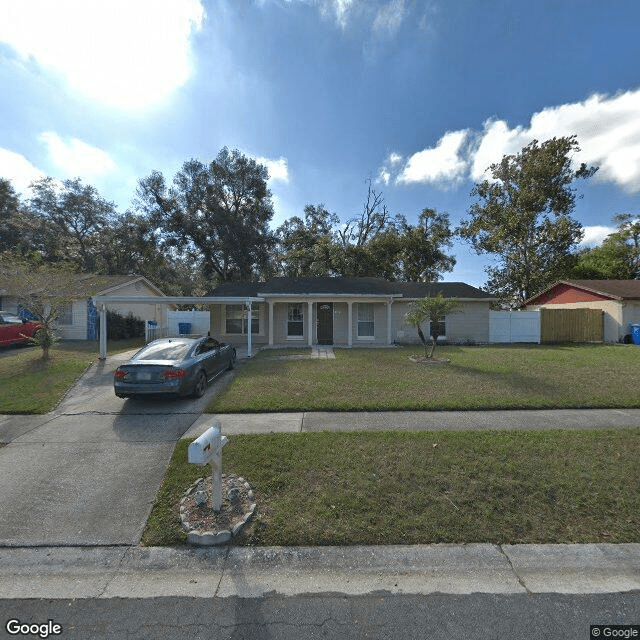
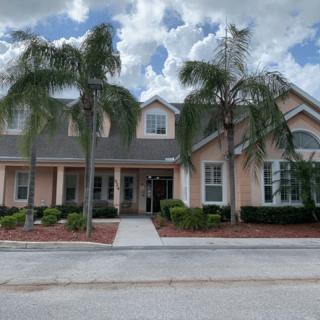
109 Valley Drive, Brandon, FL 33510
For more information about senior living options: (866) 208-4318
A Place To Grow Costs & Pricing
A Place To Grow offers competitive pricing for its services, positioning itself as an economical choice within the wider market. For semi-private accommodations, residents can expect to pay $2,000 per month, significantly lower than the average rates of $3,096 in Hillsborough County and $3,009 across Florida. Similarly, both private rooms and studios at A Place To Grow are priced at $3,000 each month, which again undercuts local and state averages - $3,384 in Hillsborough County and $3,699 statewide for private rooms; and $3,685 countywide versus $3,823 statewide for studio units. This favorable pricing structure not only highlights A Place To Grow's commitment to affordability but also reflects its dedication to providing quality care without compromising on comfort.
| Floor plans | A Place To Grow | Hillsborough County | Florida |
|---|---|---|---|
| Semi-Private | $2,000 | $3,096 | $3,009 |
| Private | $3,000 | $3,384 | $3,699 |
| Studio | $3,000 | $3,685 | $3,823 |
Memory care communities with a similar price nearby
-
About the same
Caregivers Touch ALF
$2,000 to $3,000 / month14.8 miles away -
from +$200 / mo
Dorothy Cares Assisted Living Facility
$2,200 to $3,300 / month11.8 miles away -
About the same
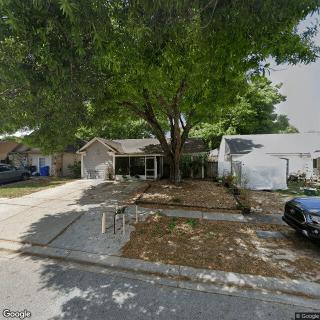
Elderly Pride Assisted Living
$2,000 to $2,500 / month2.8 miles away -
About the same
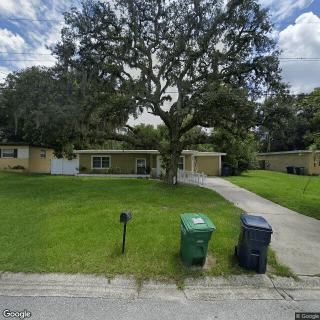
Assisted Living Facility Morning Dew
$2,000 to $2,500 / month8.9 miles away -
from +$200 / mo
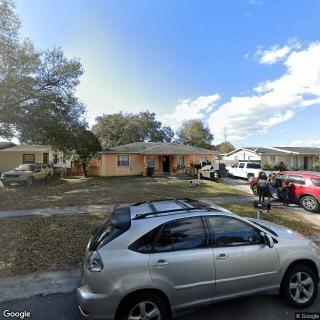
Mary Dunbar Assisted Living Facility
$2,200 to $2,800 / month5.1 miles away
Overall Review of A Place To Grow
Pros
 The staff take such good care of her, and the facility is always clean.
- The small facility works better for her.
- The staff do a great deal for her.
- She is adjusting well and getting used to things.
- The first impression of the facility was very positive.
- Angie made visitors feel very good about leaving their mom at the facility.
- Heather answered questions.
- The facility was very clean, smelled good, and had food cooking.
- Residents were peaceful, clean, and active.
- The arrangement worked out perfectly for her.
Cons
 The facility is too small for residents and daycare patients, preventing them from moving around and forcing them to stay seated all day.
- There are no activities for residents besides watching television.
- The mother with dementia seems uncomfortable in that place.
- The reviewer would not recommend this place.
- There will not be any room for the mom until the end of the month.
Review
A Place To Grow in Brandon, FL is best suited for families seeking a small, intimate, consistently clean environment where staff-to-resident attention translates into real, visible care. The setting feels calm and home-like, which makes it a practical fit for memory-impaired seniors who thrive on predictable routines and a lower-stimulation atmosphere rather than a bustling campus. The emphasis is on safety, supervision, and steady caregiver availability, delivering peace of mind for families juggling dementia concerns and daily logistics. This is not the place for those chasing a wide array of activities or a high-energy social scene; it excels where reliable caregiving in a manageable footprint is the priority.
Owners should explicitly weigh alternatives for residents who require broader programming. Families seeking extensive daily activities, large spaces, or campus-style amenities may find the scale and offerings of this community insufficient. Availability can also be a concern, with some indications of wait times for rooms, which complicates planning for urgent transitions. Daycare use is another area that may not satisfy all needs, as reviews suggest limited stimulation and activity variety for residents who cannot engage fully. In short, those who need rapid admission, frequent outings, and a robust activity calendar may want to look at larger or more programmatic options.
The most compelling pros revolve around cleanliness, a tranquil ambiance, and attentive staff. The small size is repeatedly described as safer and easier to manage for memory-care residents, enabling caregivers to know each person’s routines, preferences, and triggers. Observations of residents show a calm, orderly environment where dignity and personal contact appear to be the norm. Families consistently report positive impressions during visits, including interactions with responsive staff, meals that smell inviting, and residents that look peaceful and content. These elements, cleanliness, steadiness, and genuine staff engagement, translate into meaningful, day-to-day assurances for loved ones.
On the downside, the primary drawbacks are tied to space and programming. The compact footprint naturally limits the range of activities and the amount of movement possible within the community, which can feel constraining for residents who crave variety or more social stimulation. Several accounts describe daycare moments dominated by chairs and television, with little structure beyond passive entertainment. Space constraints can also translate into fewer opportunities for group activities and spontaneous socializing. The wait for available rooms adds another layer of uncertainty for families coordinating transitions. For residents who require a richer activity schedule or more expansive outlets for engagement, these realities matter.
Yet the positive factors can meaningfully offset the limitations when the family’s value framework prioritizes secure, personalized care over campus-style bustle. The peace of mind that comes from a clean, orderly setting and a staff-led culture of responsiveness often outweighs the lack of extra amenities. When staff know the resident’s history, preferences, and triggers, care becomes more precise and proactive, reducing the risk of agitation and confusion. Families consistently report that their loved ones appear well cared for, safe, and relatively content in a setting that feels manageable rather than overwhelming. In those terms, the benefits can far outstrip the downsides for the right resident.
For decision-making, the bottom line is clear: A Place To Grow is a strong option for families prioritizing a small, clean, closely supervised environment with attentive staff and a calm daily rhythm. Prospective residents should visit multiple times, observe interactions, and probe how dementia-related needs are met in routine, especially around meals, activities, and daily structure. If immediate admission or a vibrant, activity-rich program is essential, or if a resident thrives on frequent outings and large-scale programming, it is prudent to consider alternatives. When the goal is dependable, personable care in a compact setting, this community stands out as a thoughtful, practical match.
 5 resident community capacity
 Assisted Living
 Board and Care Home
 Day Program
 Memory Care
 Respite Care
 Cable or satellite TV
 Dining room
 Fully furnished
 Garden
 Housekeeping services
 Move-in coordination
 Outdoor space
 Private
 Telephone
 Wi-Fi/high-speed internet available
 Tampa International (15 miles away)
 24-hour supervision
 Ambulatory care
 Assistance with bathing
 Assistance with dressing
 Assistance with transfers
 Diabetes diet
 Diabetic care
 High acuity care
 Incontinence care
 Meal preparation and service
 Medication management
 Special dietary restrictions
 Transportation arrangement (medical)
 Transportation to doctors appointments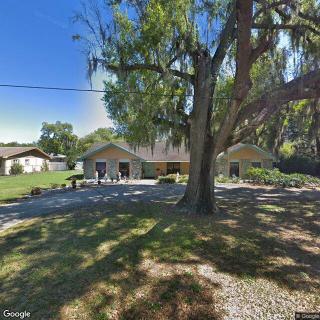

 Choosing the Right Senior Care: A Detailed Exploration of Assisted Living and Nursing Homes
 Safeguarding Your Memory Through the Golden Years: Eight Ways to Preserve Cognitive Health
 Comprehensive Insights into Activities of Daily Living (ADLs) and Their Assessment