
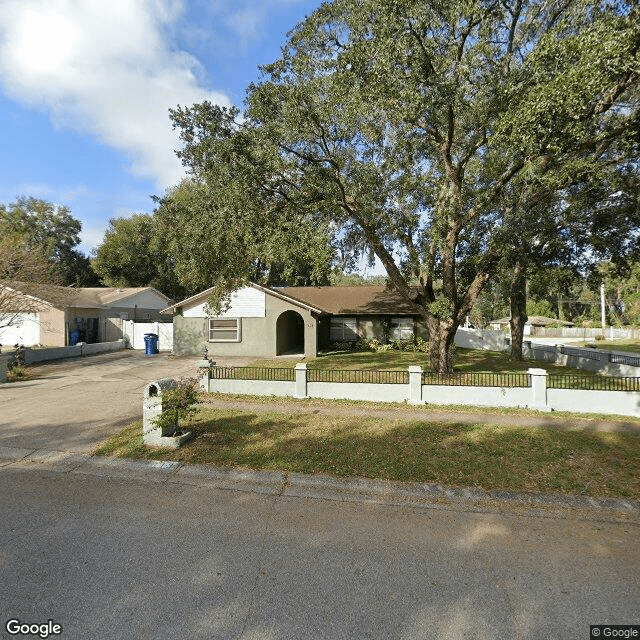
613 Forest Hills Drive, Brandon, FL 33510
For more information about senior living options: (866) 208-4318
Toria's Assisted Living Facility II Costs & Pricing
Toria's Assisted Living Facility II offers competitive pricing for its services, particularly when compared to the broader trends in Hillsborough County and the state of Florida. The facility's semi-private rooms are priced at $2,000 per month, significantly lower than the county average of $3,096 and the state average of $3,009. For private rooms, Toria's range of $2,800 to $3,975 also presents an attractive option compared to the county's average of $3,384 and Florida's average of $3,699. This pricing structure not only reflects Toria's commitment to providing affordable care but also positions it as a financially viable choice for families seeking quality assisted living options within a more budget-conscious framework.
| Floor plans | Toria's Assisted Living Facility II | Hillsborough County | Florida |
|---|---|---|---|
| Semi-Private | $2,000 | $3,096 | $3,009 |
| Private | $2,800 to $3,975 | $3,384 | $3,699 |
Assisted Living communities with a similar price nearby
-
from +$200 / mo
Dorothy Cares Assisted Living Facility
$2,200 to $3,300 / month10.8 miles away -
from -$200 / mo
Benrac Home Alf
$1,800 to $4,263 / month2.2 miles away -
About the same
Elderly Pride Assisted Living
$2,000 to $2,500 / month1.7 miles away -
About the same
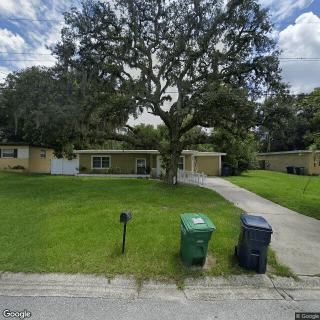
Assisted Living Facility Morning Dew
$2,000 to $2,500 / month9.7 miles away -
from -$200 / mo
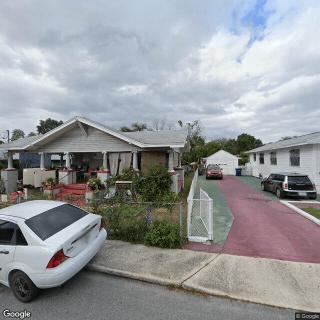
Debra's Assisted Living Facility
$1,800 to $2,300 / month10.5 miles away
Overall Review of Toria's Assisted Living Facility II
Pros
 The staff at Toria’s ALF are caring.
- The food is great.
- There are lots of activities and outings.
- The facility offers private rooms.
- The mom is very happy with the services.
Cons
 The facility operates an old van with a large hole in the back, endangering clients.
- The hole in the van could cause a client to fall through, making transport unsafe.
- The van’s condition is not safe and should be fixed to ensure client safety.
Review
Toria’s Assisted Living Facility II in Brandon, FL is best suited for families seeking an intimate, activity-rich home where a loved one can stay independently comfortable while receiving steady daily support. The setting appeals to residents who value social engagement, private living space, and reliable, personable staff over a sterile, highly clinical environment. For families prioritizing companionship, regular outings, and a sense of normalcy in daily life, this community often delivers meaningful quality of life gains that can make a long-term placement feel like the right choice.
The strongest case for Toria’s rests on the human touch. Reviewers repeatedly highlight caring staff, satisfying meals, and a full slate of activities and outings as central positives. A resident’s family member notes that private rooms and thoughtful, attentive care contributed to sustained happiness over more than a year. When a loved one thrives on daily interaction, personal attention, and options to stay active, these elements create tangible, practical value that often justifies proximity and cost. The combination of good food and social programming reinforces a sense of home rather than institution, a critical factor for long-term peace of mind.
Yet the most consequential warning in the mix is transportation safety. A single, explicit safety concern centers on an old van with a large hole in the back, raising legitimate anxiety about the risk of injury during trips. This is not a minor maintenance quirk; it is a visible safety deficit that can undermine confidence in the facility’s operational discipline. The concern is serious enough to warrant scrutiny from families evaluating alternative communities, especially for residents who rely on regular, reliable transport to appointments, activities, or outings.
How the pros stack up against the cons will depend on what a family prioritizes. The positive elements, caring staff, good meals, robust activities, and private rooms, offer real, practical benefits that translate into daily satisfaction and social vitality. However, the safety issue with transport cannot be dismissed or relegated to a secondary concern. Given the mixed review profile (several five-star endorsements alongside one-star cautions), this community clearly works well for some residents and families but may fall short for others who demand a consistently pristine safety record and unambiguous maintenance discipline across all operational facets.
Those who should consider alternatives are families for whom transport safety and consistent oversight are non-negotiables, or for residents who require higher levels of medical or memory-care support than the facility is known to provide. If a potential resident needs more predictable, modern transport or more transparent reporting on vehicle maintenance, or if care plans may escalate beyond what this community typically offers, it is prudent to explore options with stronger track records in transportation safety and in care coordination. Similarly, if a family seeks a facility with a uniform statewide or national reputation for safety and medical readiness, alternatives may deliver greater reassurance.
Practical next steps are clear. Visit with a plan to inspect the transport vehicle firsthand, ask for maintenance logs, and talk to staff about trip protocols and safety training. Speak with current residents and families about consistency in care and response times, not just the moments that look good in a tour. Compare this community against others in the Brandon area that emphasize newer transportation fleets, stronger safety metrics, and a transparent maintenance culture. If the positives align with what matters most, personal attention, engagement, privacy, and daily joy, and the transportation concern can be addressed or mitigated to a satisfactory level, Toria’s can remain a compelling option. If not, it is wiser to continue the search until a setting with a proven, comprehensive safety posture and equal quality of life offerings is found.
 7 resident community capacity
 Assisted Living
 Board and Care Home
 Day Program
 Cable or satellite TV
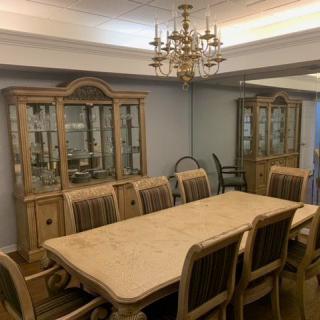
 Dining room
 Fully furnished
 Garden
 Housekeeping services
 Move-in coordination
 Outdoor space
 Private
 Telephone
 Wi-Fi/high-speed internet available
 Tampa International (16 miles away)
 24-hour supervision
 Ambulatory care
 Assistance with bathing
 Assistance with dressing
 Assistance with transfers
 Diabetes diet
 Diabetic care
 Incontinence care
 Meal preparation and service
 Medication management
 Special dietary restrictions
 Transportation arrangement (medical)
 Transportation to doctors appointments

 An Extensive Exploration of the VA Aid and Attendance Benefit
 Senior Transition Services: Understanding Their Role, Cost, and Importance
 Exploring the Path to Senior Living: A Comprehensive Look at Independent Living and Assisted Living