
701 Victoria Street, Brandon, FL 33510
For more information about senior living options: (866) 208-4318
Consulate Health Care Of Brandon Costs & Pricing
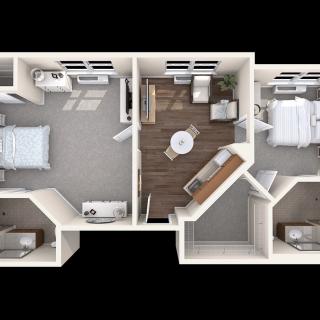
Consulate Health Care of Brandon presents a range of monthly costs for its various room types that notably exceed the average expenses in both Hillsborough County and the broader state of Florida. For a semi-private room, residents can expect to pay $4,500, which is significantly higher than the county's average of $3,096 and the state's average of $3,009. Those opting for a studio unit will see costs rise to $7,000, surpassing local and state averages of $3,685 and $3,823 respectively. The most considerable investment is required for the two-bedroom option at Consulate Health Care of Brandon, priced at $9,400 - again far above the county's average of $4,924 and Florida's average of $4,711. These figures suggest that while Consulate Health Care offers specialized care and amenities that may justify their higher price points, prospective residents should be aware of these significant differences when considering their options within this region.
| Floor plans | Consulate Health Care Of Brandon | Hillsborough County | Florida |
|---|---|---|---|
| Semi-Private | $4,500 | $3,096 | $3,009 |
| Studio | $7,000 | $3,685 | $3,823 |
| 2 Bedrooms | $9,400 | $4,924 | $4,711 |
Skilled Nursing Facilities with a similar price nearby
-
from -$800 / mo
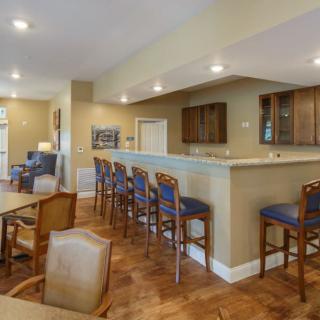
Keystone Place at Terra Bella
$3,700 to $4,900 / month18.8 miles away -
About the same
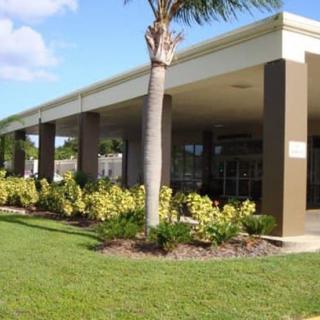
Gandy Crossing Care Center
$4,390 to $5,490 / month14.0 miles away -
from -$878 / mo
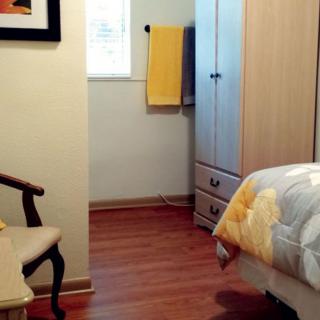
Angels Senior Living at Palma Ceia
$3,622 to $4,542 / month12.9 miles away
Overall Review of Consulate Health Care Of Brandon
Pros
 They consider Consulate Health Care of Brandon to be the best facility they've experienced, noting quick responses from nurses and aides and outstanding therapy.
- They described the therapy as outstanding.
- The staff were really helpful and attentive, and the atmosphere seemed pleasant with clean rooms.
- The facility offers therapy, a hair salon, and engaging activities like music and singing.
- Woody in admissions helped a lot in every way possible.
- The physical therapy and occupational therapy were first-rate.
- There was open communication with administration and cooperation with patient requests.
Cons
 The facility is understaffed and overcrowded.
- Nurses and aides are neglectful and uninterested in patient needs.
- The food service is sporadic and of very low quality, sometimes inedible.
- The facility's temperatures fluctuate between stifling, stuffy, and frigid.
- The premises are nightmarishly sullen, gloomy, and reminiscent of an asylum.
- Patients are left without timely care or assistance; staff fail to respond to calls for help.
- Important medications are missed or not given as prescribed.
- The rooms are small and uncomfortable.
Review
Consulate Health Care of Brandon is best suited for families seeking a rehab-focused option where therapy services can shine and where attentive staff show up when they are staffed, but with the clear expectation that oversight and advocacy are essential. The place can deliver meaningful progress when therapy works and when nurses and aides are available and willing to engage with both residents and families. This is not a one-size-fits-all choice: it works best for short-term rehabilitation or transitional care in which a family member can stay actively involved, monitor care, and escalate issues quickly. Long-term residents, or those requiring unfaltering daily attention and a consistently positive safety culture, may find a different facility a more reliable home.
On the positive side, the standout advantage lies in therapy and the moments when staff are fully present. Several reviewers praise the physical and occupational therapy as first-rate, with therapists who push for meaningful progress and a clear rehabilitation focus. Admission staff and some nursing teams are described as helpful and communicative, and when administration is accessible, concerns can be addressed more readily. Clean rooms and a reasonably engaging environment, activities boards, a hair salon, and available social or musical programming, help create a livable, hopeful atmosphere on good days. For families aligned with a rehab-first approach and willing to be hands-on, these elements can translate into tangible benefit.
The core tension comes from staffing and consistency gaps that most strongly shape the resident experience. The most persistent theme is understaffing and overcrowding, which leads to delayed responses, missed medications, and a sense of chaos in some shifts. Families report nurses and aides who are rushed, communication that collapses into legibility rather than clarity, and a general vibe of overextension that undermines care quality. Several accounts describe concerning lapses, from missed or delayed dosages to incomplete healing or care tasks, and even alarming safety incidents. In short, the pros can be real and meaningful, but they hinge on reliable staffing and disciplined day-to-day execution.
Safety and hygiene concerns emerge as a recurring, weighty downside. Instances of disorganization, rooms moved without notice, belongings misplaced, or important medical supplies in short supply, comb through multiple reviews. Critically, there are accounts of delayed or missed care during episodes of medical crisis, with some families reporting frightening episodes that required urgent intervention. Housekeeping and sanitation are not uniformly trusted, and odors or unsightly conditions have appeared in some rooms. The mix of clean rooms in favorable reports and dirty, neglected environments in others creates a low but real confidence gap that families must weigh when deciding on placement.
Given the volatility in performance, some families should actively consider alternatives. For anyone whose priority is a consistently high bar for safety, reliable medication administration, and unwavering daily oversight, broader safety concerns and staffing variability suggest looking at other nearby options. For residents with complex needs requiring predictable staffing patterns or for those who cannot be present to supervise care, a facility with a stronger, more uniform staffing model may deliver less stress and fewer overwhelming gaps in service. Deaf or hard-of-hearing residents and families should ensure interpreter support is guaranteed and documented as a non-negotiable, rather than assumed.
Practical next steps for families considering Consulate Health Care of Brandon are concrete. Schedule a thorough tour with a focus on how staffing shifts impact care, and request to meet the charge nurse and primary therapists to gauge responsiveness and approach. Verify who is responsible for medication administration on each shift and ask for a transparent care plan that outlines feeding, wound care, and therapy schedules. Probe the facility about language access for sign language interpretation, and specifically confirm this accommodation in writing. Tie any promises to measurable expectations: daily call-back times, documented response to alarms, and a system for escalating concerns to administration within hours rather than days. Above all, enter with a plan to stay engaged and prepared to move quickly if care quality erodes.
In sum, Consulate Health Care of Brandon offers meaningful rehab potential when staffed and organized, with a degree of warmth from a subset of caregivers and a viable therapy program. Yet the facility’s broader reputation for inconsistent staffing, variable cleanliness, and safety lapses cannot be ignored. Families prepared to advocate and monitor daily will find pockets of value, but those seeking a reliably steady long-term home with predictable care should seriously compare alternatives and insist on visible, documented assurances before committing.
 120 resident community capacity
 Skilled Nursing Facility
 Air-conditioning
 Beauty salon
 Cable or satellite TV
 Computer center
 Dining room
 Fitness room
 Fully furnished
 Gaming room
 Garden
 Housekeeping services
 Kitchenette
 Move-in coordination
 Outdoor space
 Private bathrooms
 Restaurant-style dining
 Small library
 Telephone
 Wellness center
 Wi-Fi/high-speed internet available
 Tampa International (15 miles away)
 Community operated transportation
 12-16 hour nursing
 24-hour call system
 Activities of daily living assistance
 Assistance with bathing
 Assistance with dressing
 Assistance with transfers
 Diabetes diet
 Medication management
 Mental wellness program
 Special dietary restrictions
 Concierge services
 Planned day trips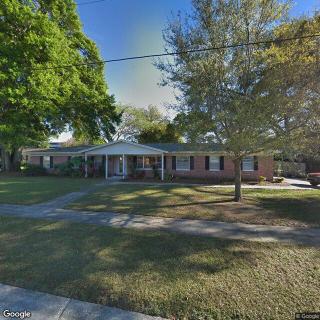


 Urinary Tract Infections in Older Adults: Comprehensive Insights on Symptoms, Treatment, and Prevention
 California's Form 602A: An In-Depth Examination of Senior Care Assessment
 Comprehensive Look at Senior Blood Pressure Charts: Normal and Elevated Levels by Age