For more information about senior living options: (866) 208-4318
3.9 from 34 reviews
5 stars
21
4 stars
4
3 stars
1
2 stars
1
1 stars
7
The Health Center at Sinai Residences Costs & Pricing
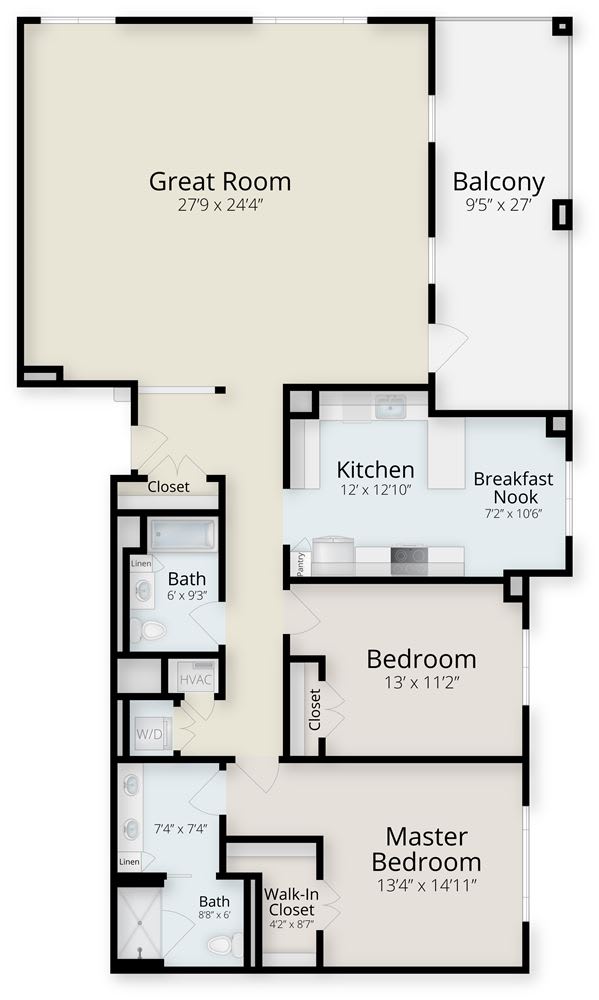
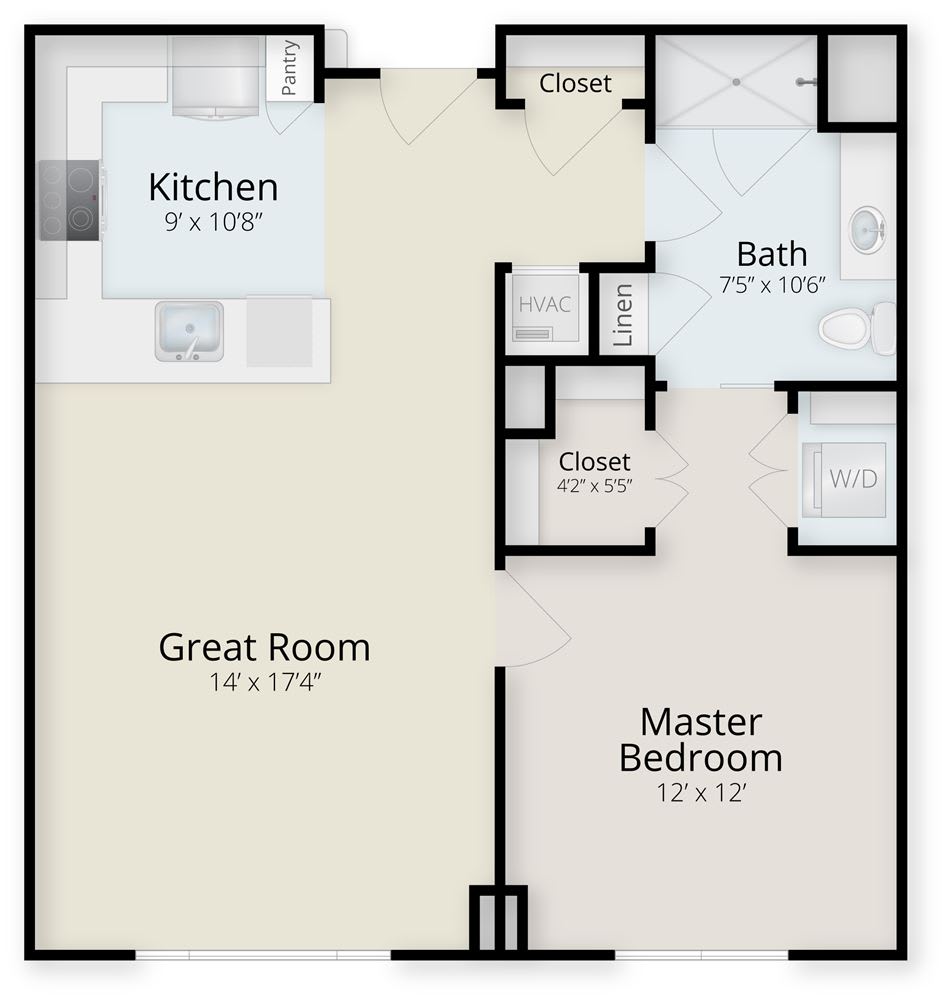
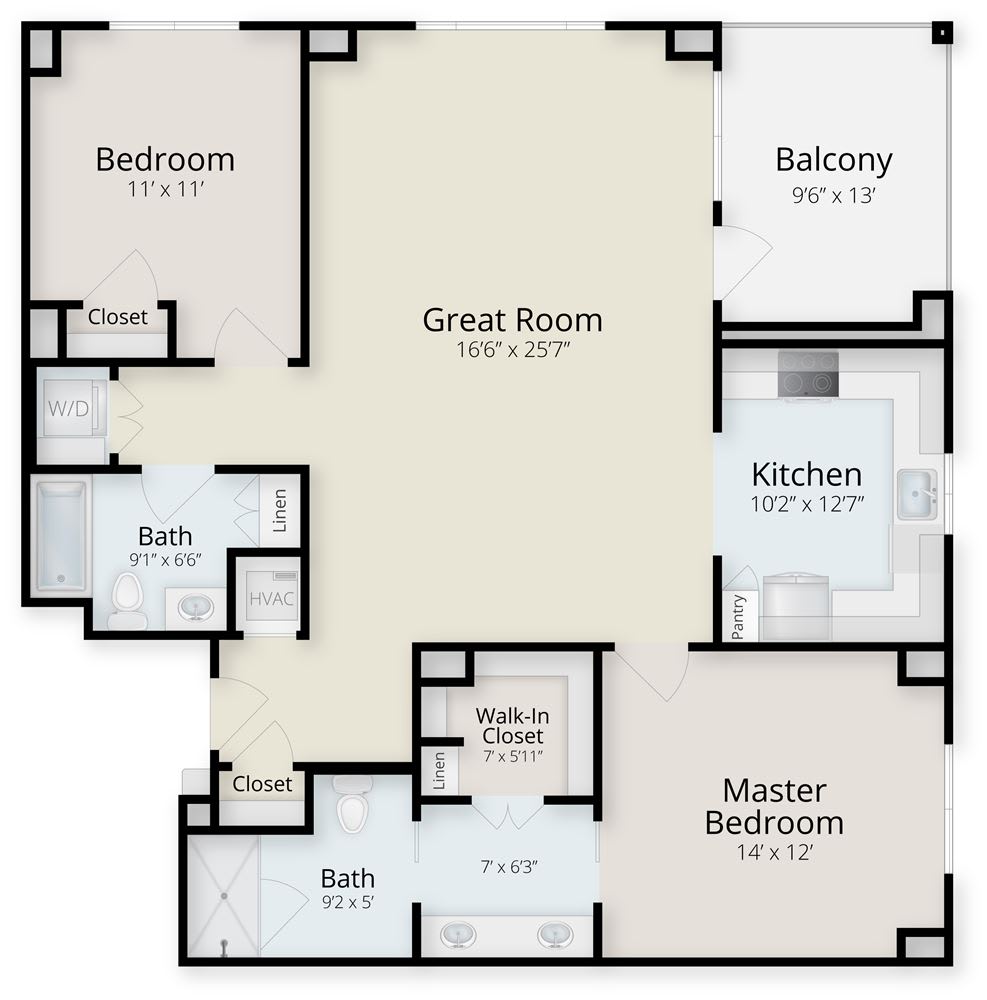
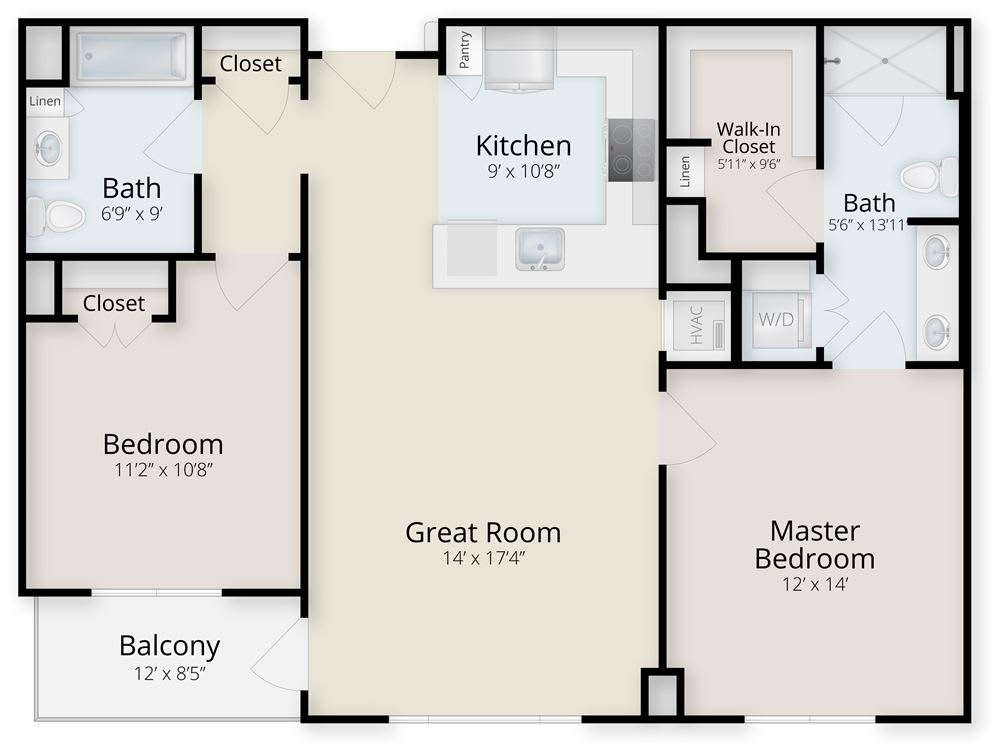
The Health Center at Sinai Residences offers a range of monthly costs for its accommodations that reflect the premium services and amenities provided. For a 1-bedroom unit, residents can expect to pay $6,200, which is significantly higher than the Palm Beach County average of $4,362 and the Florida average of $3,864. Similarly, a 2-bedroom unit is priced at $7,000, exceeding both the county's average of $5,359 and the state's average of $4,711. The studio option is also positioned at a higher price point of $7,200 compared to local averages of $4,274 in Palm Beach County and $3,823 across Florida. These figures illustrate that while Sinai Residences offers competitive pricing within the context of high-quality senior living options in an esteemed location, it does reflect a substantial investment compared to regional norms.
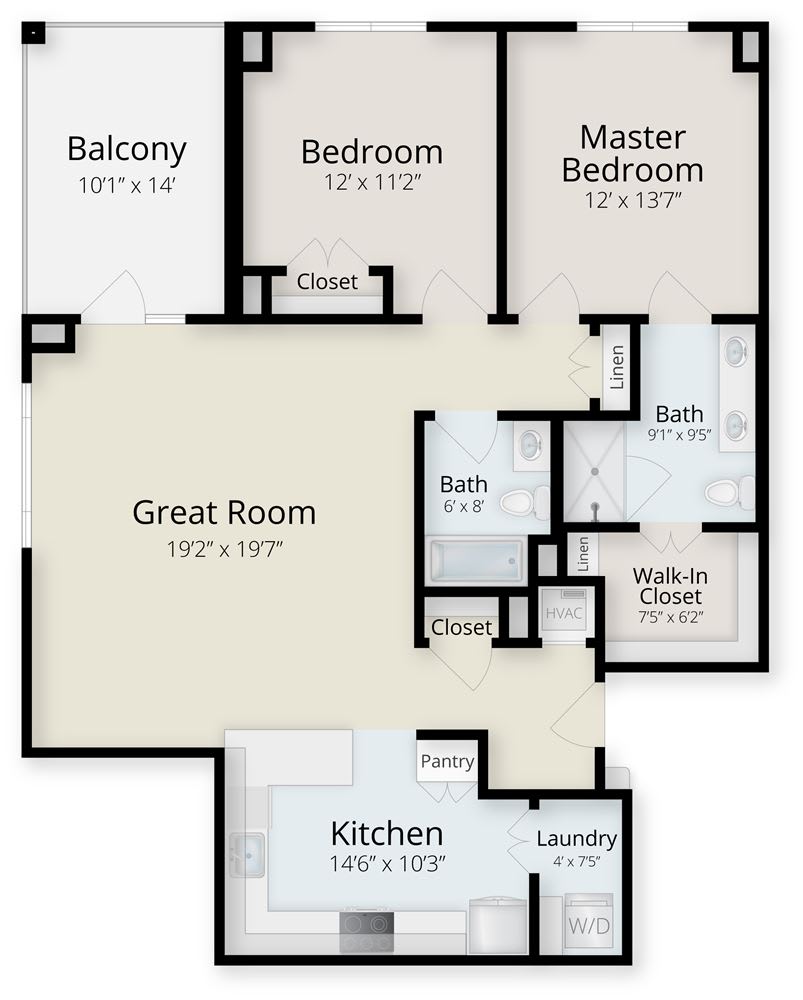
Floor plans
The Health Center at Sinai Residences
Palm Beach County
Florida
1 Bedroom
$6,200
$4,362
$3,864
2 Bedrooms
$7,000
$5,359
$4,711
Studio
$7,200
$4,274
$3,823
Memory care communities with a similar price nearby
Overall Review of The Health Center at Sinai Residences
common19 reviews mention this
Staff care is often described
Residents and families frequently describe the staff as caring, respectful, and helpful.
Many reviews emphasize compassionate, attentive staff who treat residents with dignity and make themselves available. Several people also call out specific nurses, aides, and rehab team members for being communicative and supportive during recovery. A few reviews also criticize how staff responded at times, including concerns about availability and communication, but even those often describe specific individuals as caring.
common14 reviews mention this
Rehab and therapy drive progress
Residents often point to therapy and rehabilitation support as key to recovery.
A recurring theme is that physical therapy and occupational therapy helped residents build strength and mobility over days and weeks. Multiple reviews describe meaningful improvements, like getting out of bed, walking, or transitioning back home, and they credit the rehab team for coordination and follow-through. Some negative reviews complain that therapy schedules or responses were insufficient, so expectations appear to vary by stay.
common10 reviews mention this
Food quality is a mixed theme
Dining gets frequent attention, with residents describing both strong meals and occasional disappointments.
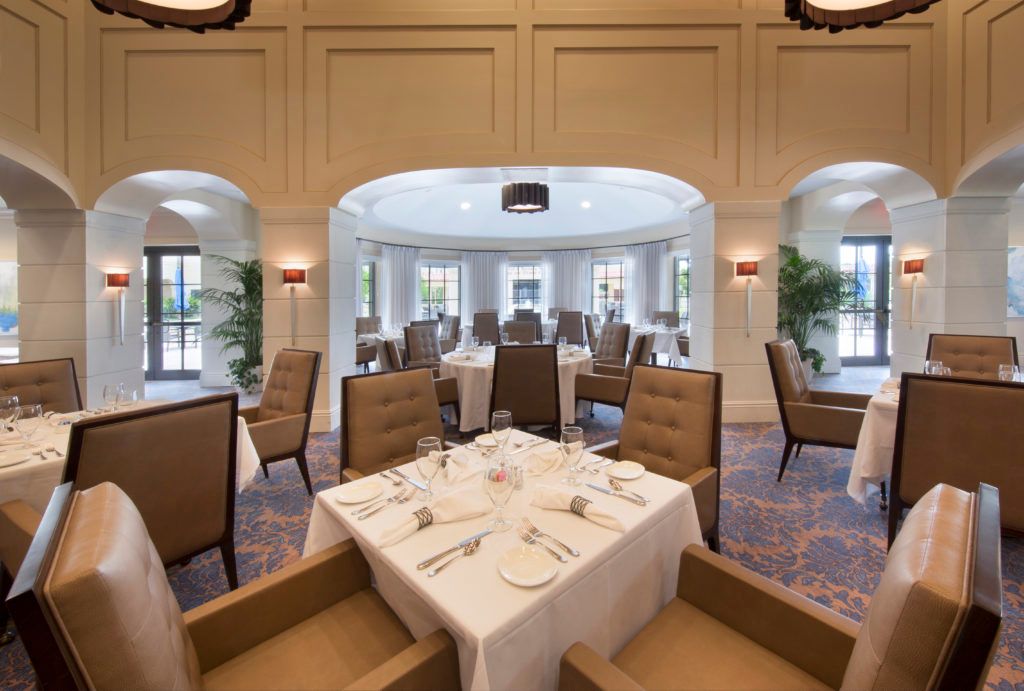
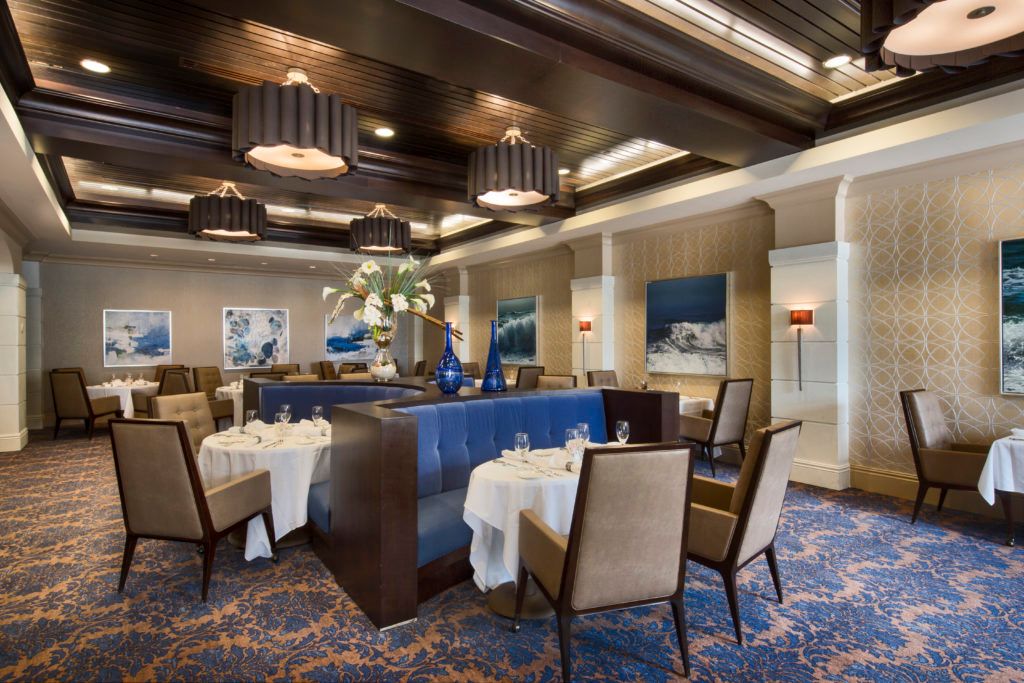
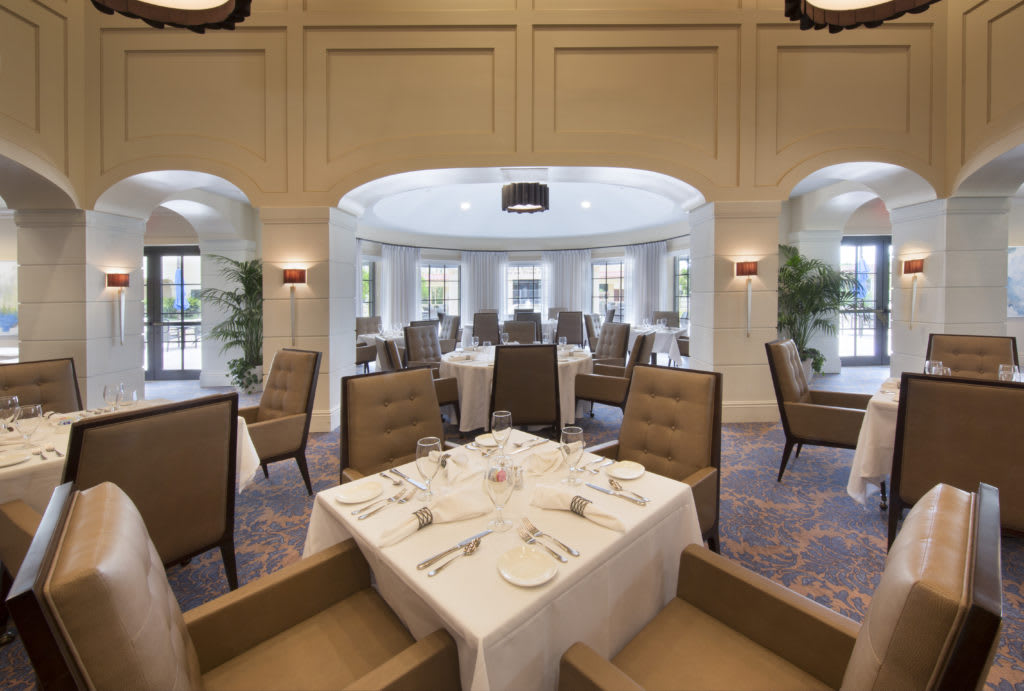
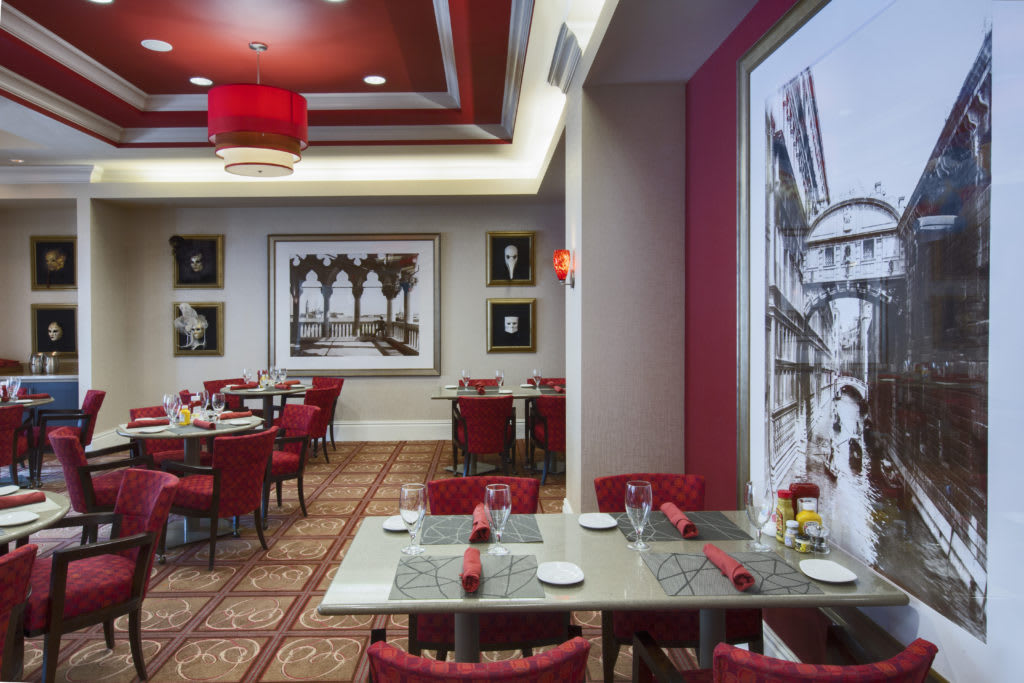
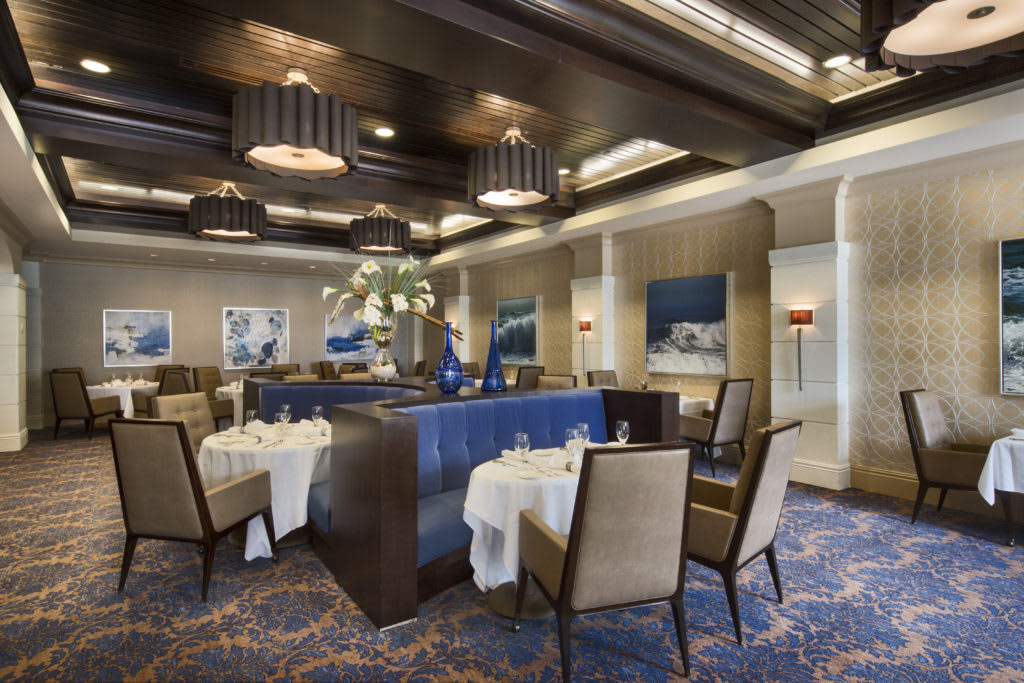
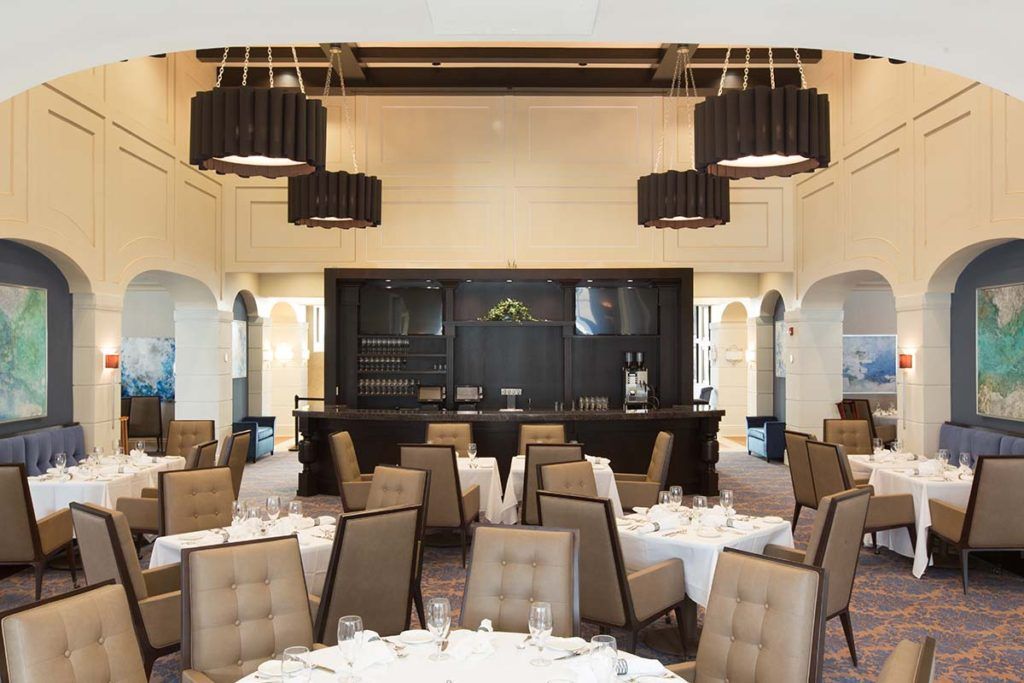
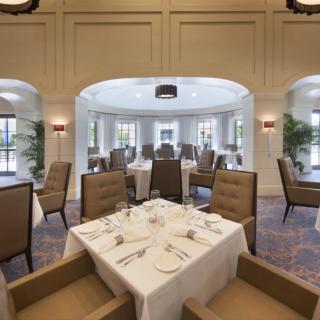
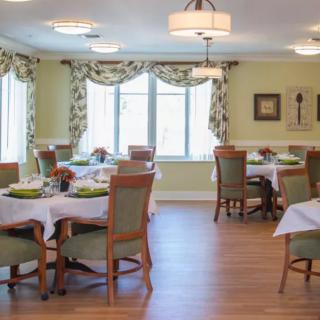
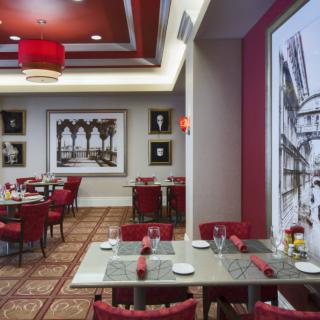
Several reviews say the food is good, even “delicious,” and that meals and requests are handled in a helpful way. Others report problems such as food being served cold or worse, which strongly contrasts with the more positive dining experiences. The community also offers restaurant-style dining and room service options in its dining setup, matching why food comes up so often in reviews.
common6 reviews mention this
Cleanliness stands out repeatedly
Multiple reviews highlight the facility’s cleanliness and neat presentation.
Several families describe the building as clean, spotless, and well maintained. Reviews also describe spaces as inviting and tidy, with private rooms mentioned as part of the positive impression. Even though a few reviews focus on care problems, cleanliness still shows up as a consistent point of approval.
caveat6 reviews mention this
Understaffing and slow response are concerns
Some residents and families report understaffing and delays in getting help.
A set of reviews describe understaffing and trouble getting timely responses for calls, medications, or basic support. Others describe rough handling, missed care, or difficulty reaching managers and leadership when concerns came up. In addition to these experiences, the community’s pricing is listed as notably above county and state benchmarks across unit types, which can make these lapses feel more consequential.
How we summarize
Counts show how many written reviews mention each theme; a review can touch several themes, and only frequently mentioned themes are displayed.
Features
Housing
74 resident community capacity
Types of Care
Assisted Living
Independent Living
Memory Care
Pets
Cats allowed
Dogs allowed
Amenities
Activities off-site
Activities on-site
Air-conditioning
Beautician on-site
Beauty salon
Cable or satellite TV
Computer center
Devotional services off-site
Dining room
Fitness room
Fully furnished
Gaming room
Garden
Ground floor units
Handicap accessible
Housekeeping services
Indoor common areas
Kitchenette
Move-in coordination
Outdoor common areas
Outdoor space
Private bathrooms
Respite or short term stays offered
Restaurant-style dining
Small library
Swimming pool / hot tub
Telephone
Wellness center
Wheelchair accessible showers
Wi-Fi/high-speed internet available
Transportation
Fort Lauderdale-Hollywood International (20 miles away)
Palm Beach International (23 miles away)
Community operated transportation
Transportation arrangement
Care Services
24-hour call system
24-hour supervision
Activities of daily living assistance
Ambulatory care
Assistance with bathing
Assistance with dressing
Assistance with transfers
Diabetes diet
Diabetic care
Incontinence care
Meal preparation and service
Medication management
Mental wellness program
Mild cognitive impairment
Special dietary restrictions
Specialized memory care programming
Dining
Anytime dining
Diabetes diet
Guest meals
International cuisine
Low / no sodium
Meals provided
No Sugar
Professional chef
Restaurant style dining
Room service
Special dietary restrictions
Special dining programs
Activities
Art classes
Community-sponsored activities
Concierge services
Cooking classes
Day trips and outings
Devotional activities offsite
Educational speakers / life long learning
Fitness programs
Happy hour
Jewish services
Karaoke
Live dance or theater performances
Live musical performances
Live well programs
Planned day trips
Resident-run activities
Scheduled daily activities
Visiting Rabbi
Nearby Places of Interest
This particular area of Boca Raton, Florida, offers a variety of amenities within close proximity. There are several dining options ranging from fast food to sushi and Asian cuisine, providing a range of choices for residents. Additionally, there are multiple pharmacies nearby for convenient access to medication and healthcare needs. The presence of West Boca Medical Center ensures easy access to healthcare services. For leisure and recreation, there are parks nearby such as Powderhorn Park and South County Regional Park, offering opportunities for outdoor activities. There are also several cafes where seniors can enjoy a cup of coffee or socialize with friends. Overall, this area provides a convenient and comfortable living environment with essential services readily available.
Restaurants
Chick-Fil-A (0.3 miles)
Miller's Ale House - West Boca (0.5 miles)
Wendy's (0.5 miles)
Yokohama Sushi (0.5 miles)
Pei Wei Asian Diner (0.5 miles)
Old School Philly Cheesesteaks (0.6 miles)
McDonald's (0.7 miles)
Pharmacies
Walgreens (0.5 miles)
Walgreens (1 miles)
CVS Pharmacy (2.2 miles)
Walgreens (2.4 miles)
Winn-Dixie (2.5 miles)
CVS Pharmacy (2.6 miles)
CVS Pharmacy (2.7 miles)
Hospitals
West Boca Medical Center (0.5 miles)
Christine E. Lynn Womens Health Center (5.8 miles)
Theaters
Regal Shadowood (0.6 miles)
Cinemark Premier (5.2 miles)
Parks
Powderhorn Park (2.1 miles)
South County Regional Park (2.6 miles)
Boca Tierra Park (3.9 miles)
Mizner Bark Dog Park (4.9 miles)
Pine Trails Park (5.4 miles)
Terramar Park (5.6 miles)
Firefighters Park (7.4 miles)
Physicians
RevaMed Primary Care Associates (2.7 miles)
Florida Endovascular A (5.3 miles)
Boca General & Family Medicine (5.5 miles)
Retina Group of Florida (5.5 miles)
Baptist Health Marcus Neuroscience Institute | Boca Raton (5.8 miles)
The Health Center at Sinai Residences offers a range of monthly costs for its accommodations that reflect the premium services and amenities provided. For a 1-bedroom unit, residents can expect to pay $6,200, which is significantly higher than the Palm Beach County average of $4,362 and the Florida average of $3,864. Similarly, a 2-bedroom unit is priced at $7,000, exceeding both the county's average of $5,359 and the state's average of $4,711. The studio option is also positioned at a higher price point of $7,200 compared to local averages of $4,274 in Palm Beach County and $3,823 across Florida. These figures illustrate that while Sinai Residences offers competitive pricing within the context of high-quality senior living options in an esteemed location, it does reflect a substantial investment compared to regional norms.
The Health Center at Sinai Residences is designed to comprehensively support residents with dementia or Alzheimer's through a range of specialized features that address their unique needs. The 24-hour supervision ensures safety and security, while assistance with activities of daily living--such as bathing, dressing, and transfers--promotes independence while providing necessary help. Incontinence care further supports dignity and comfort, while meal preparation and service are tailored to meet dietary requirements, encouraging proper nutrition. Medication management ensures that residents receive the correct dosages on schedule, reducing the risk of complications. Additionally, programs focused on mental wellness and specialized memory care programming engage residents cognitively, catering specifically to those experiencing mild cognitive impairment or more advanced stages of these conditions. Collectively, these features create an environment that fosters personal dignity and enhances quality of life for individuals facing memory challenges.
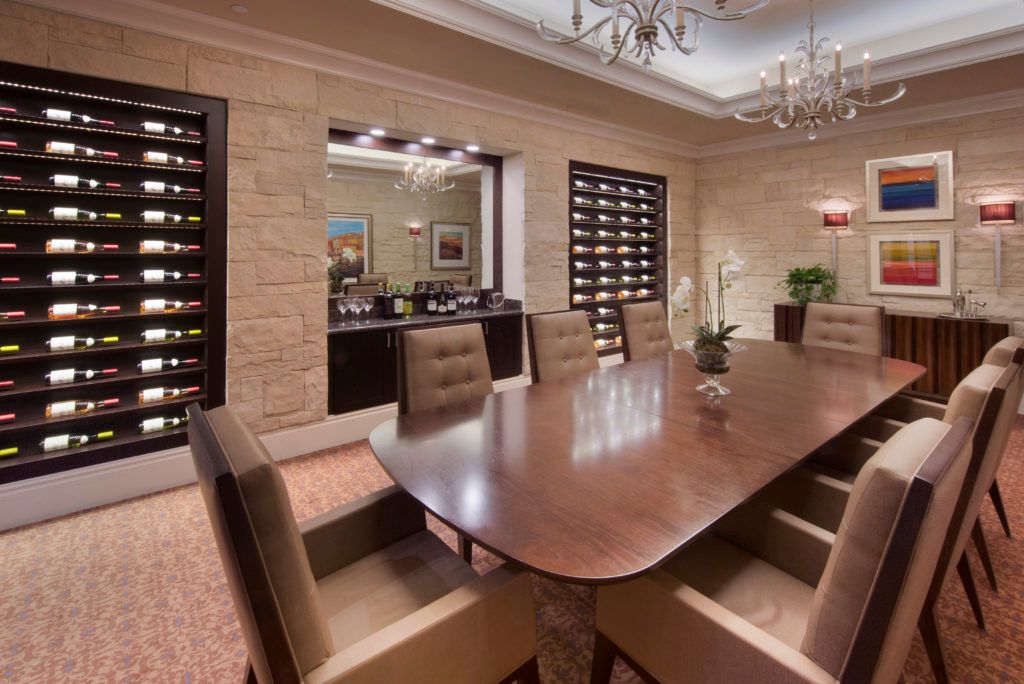
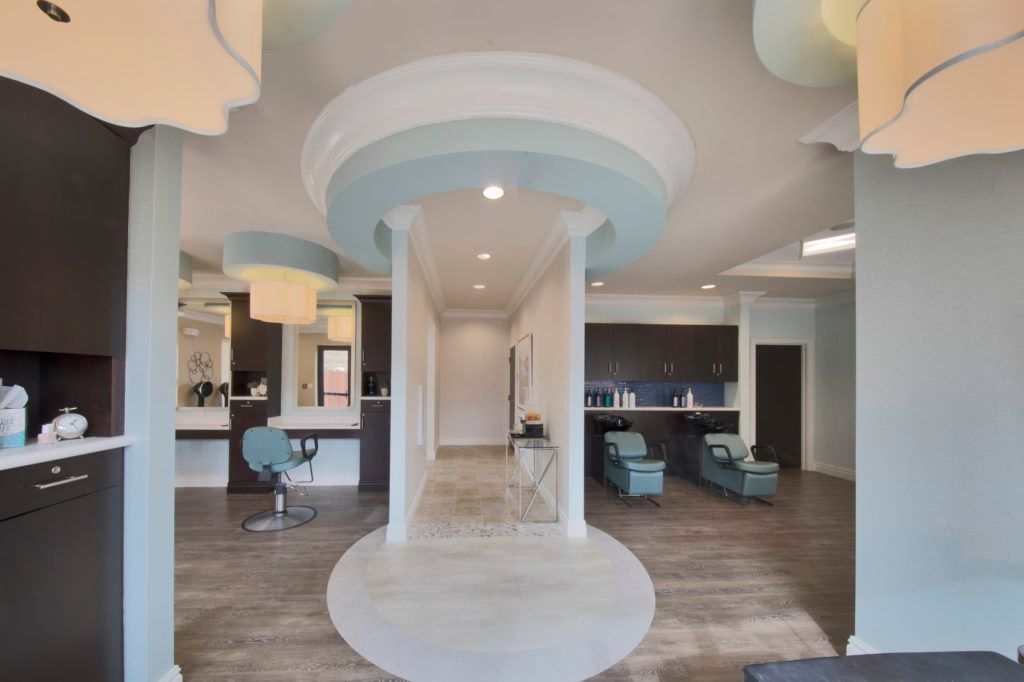
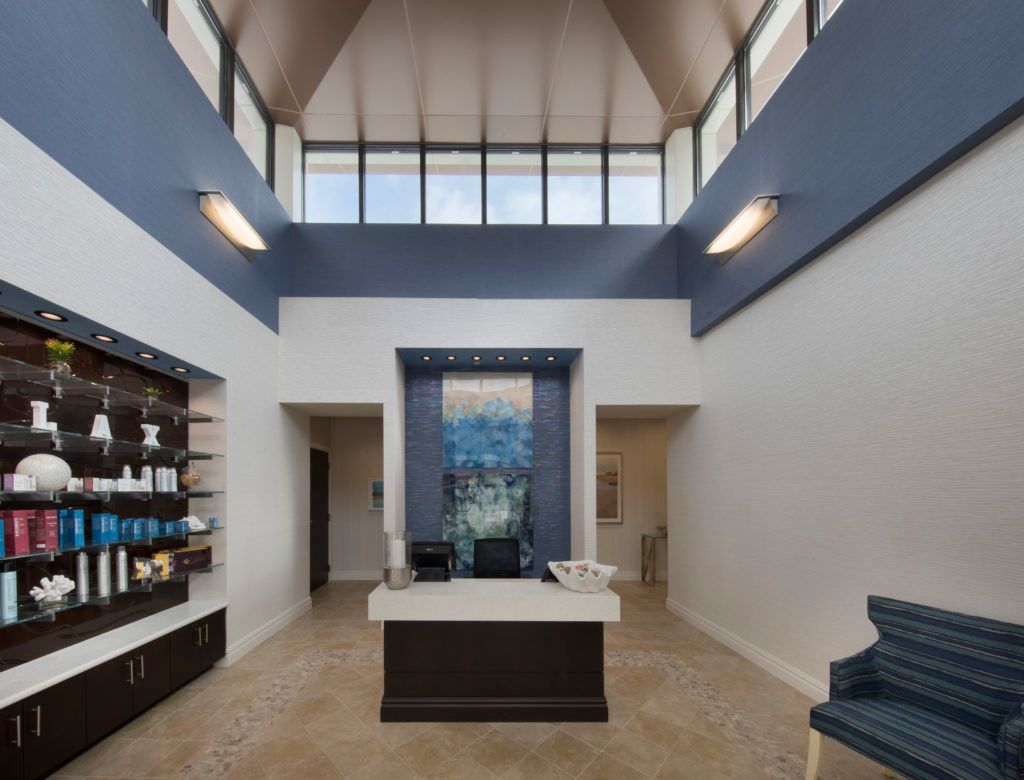
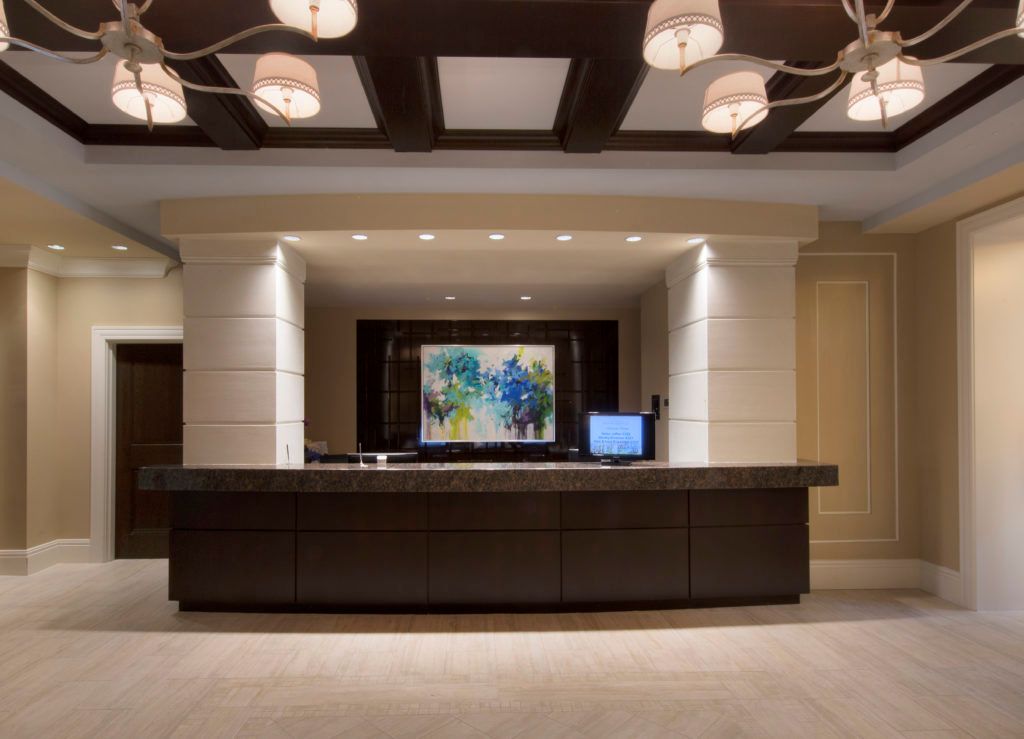
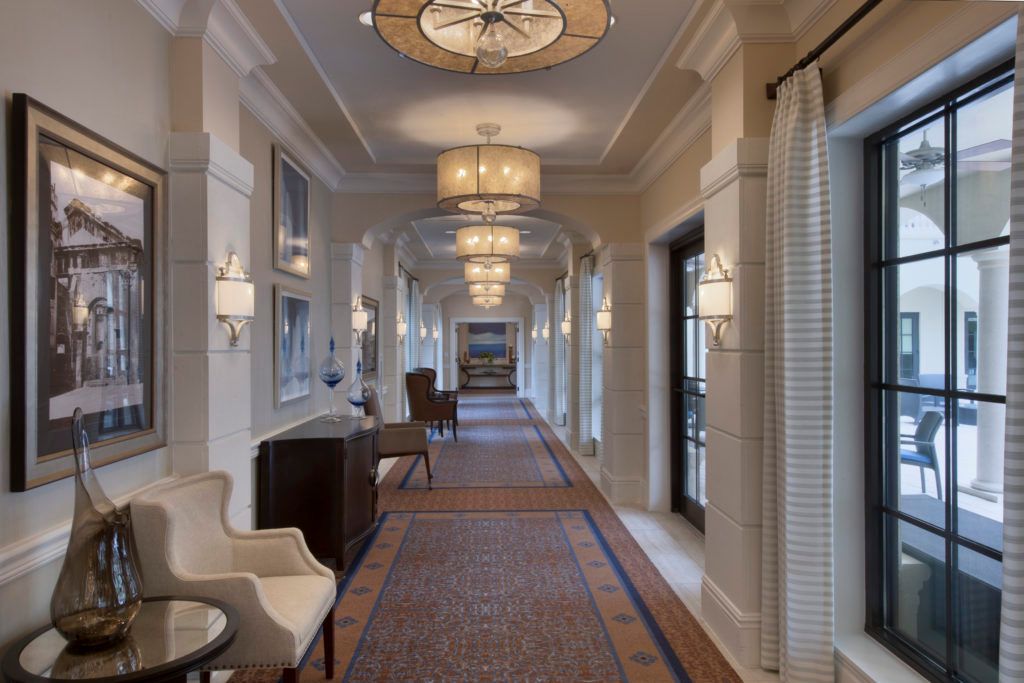
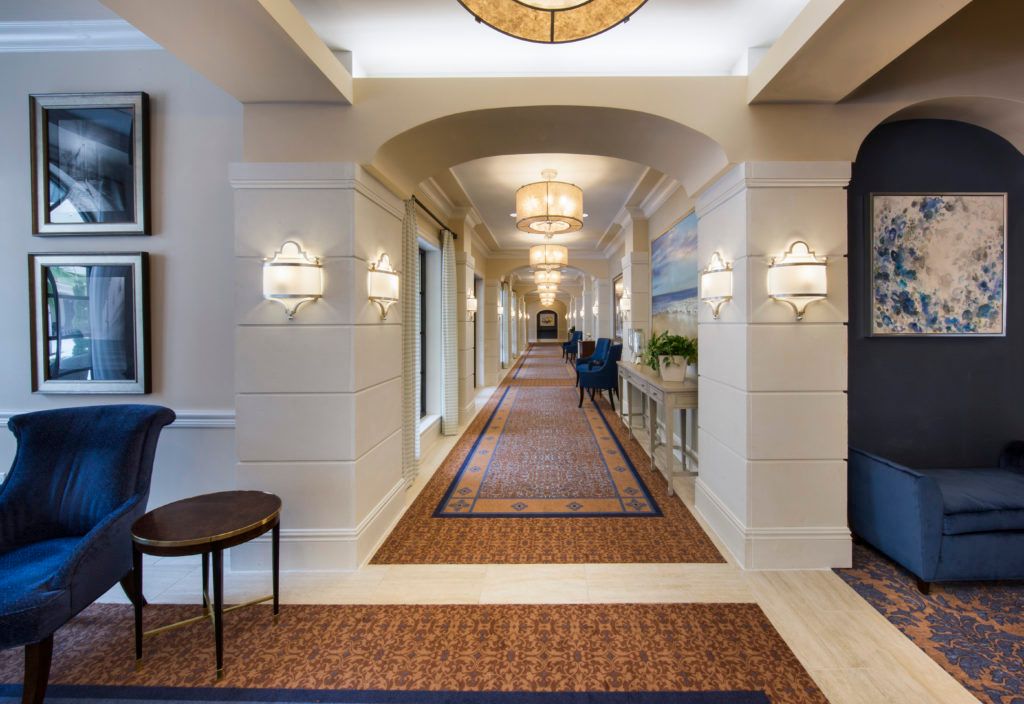
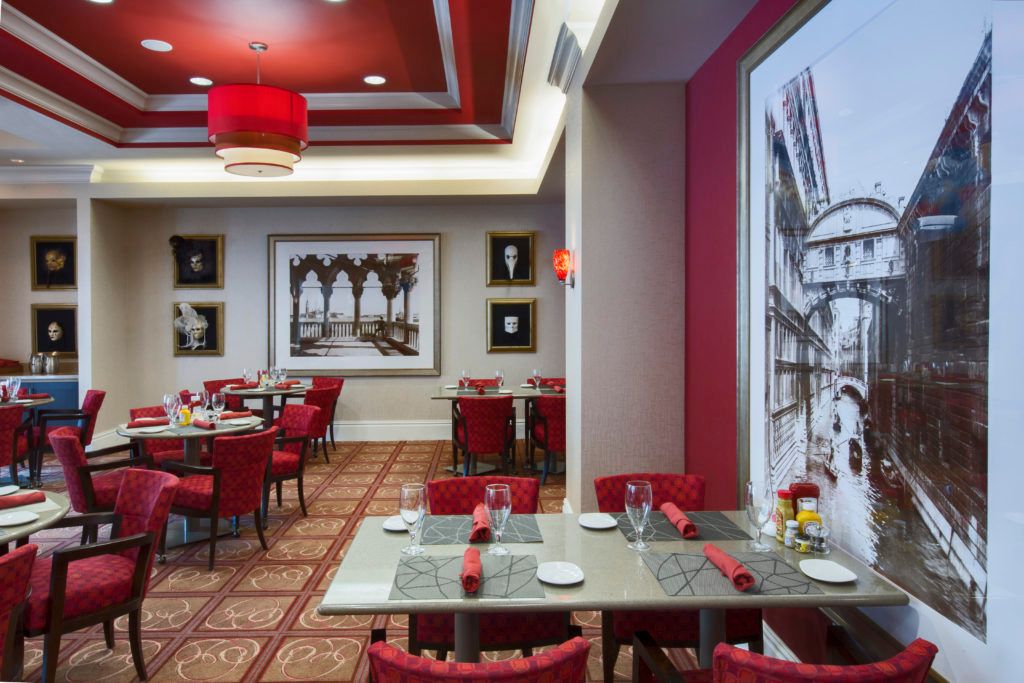
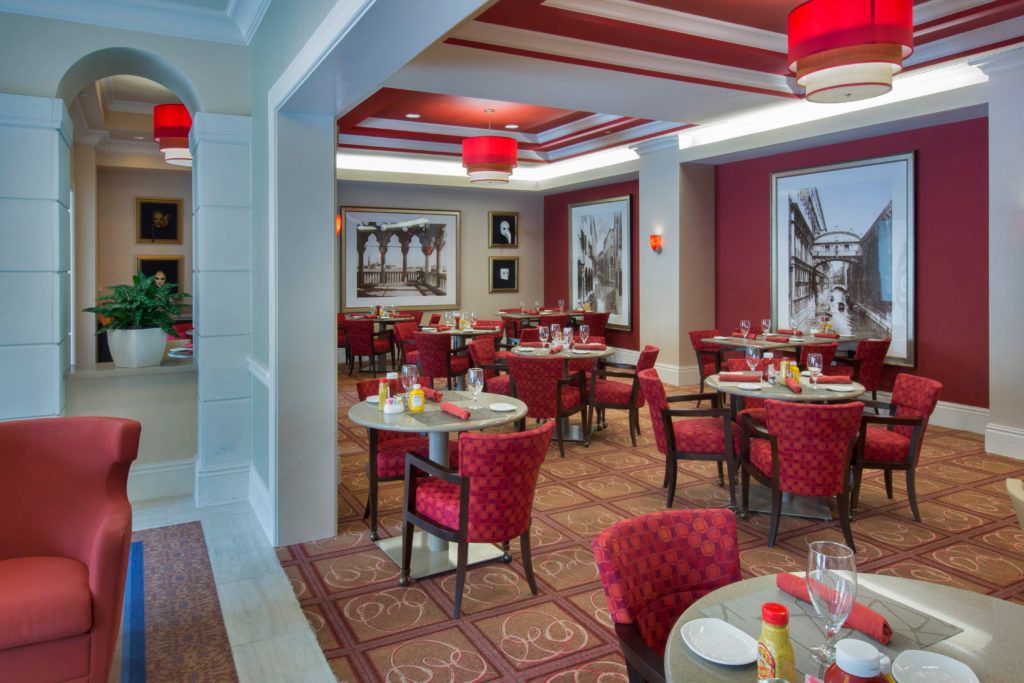
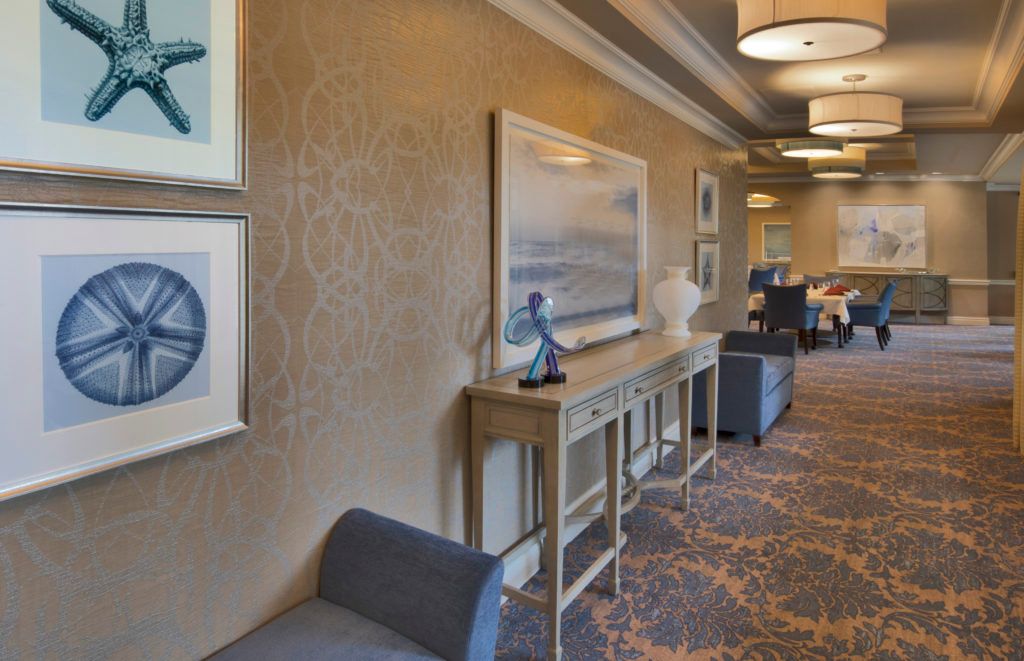
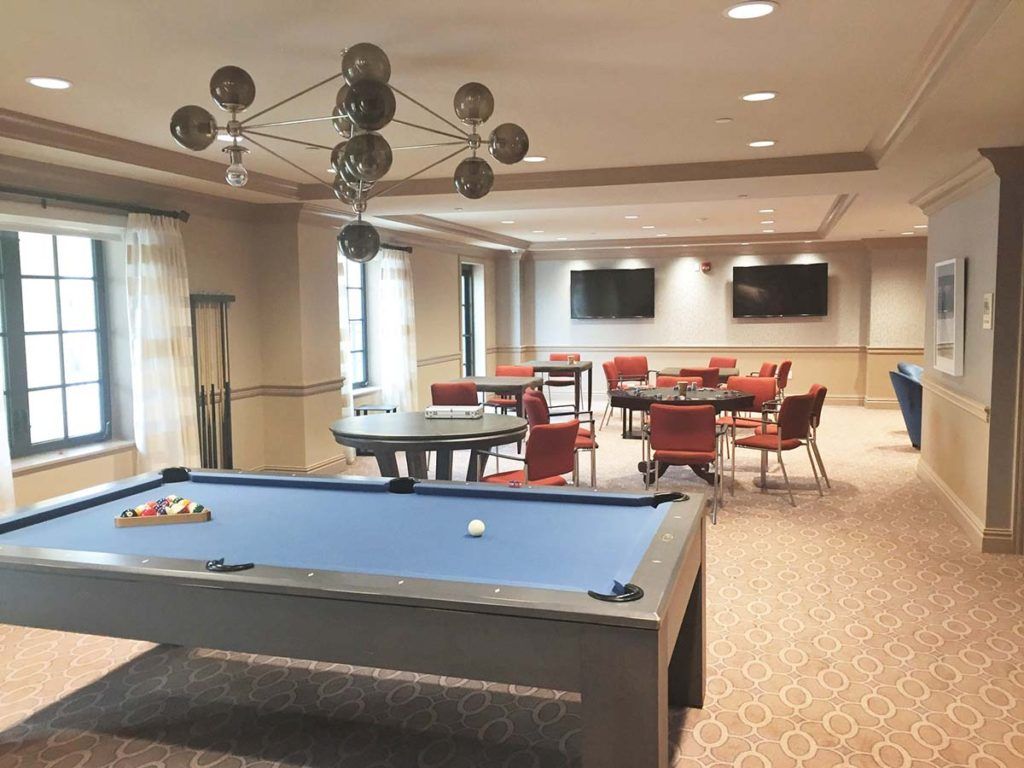
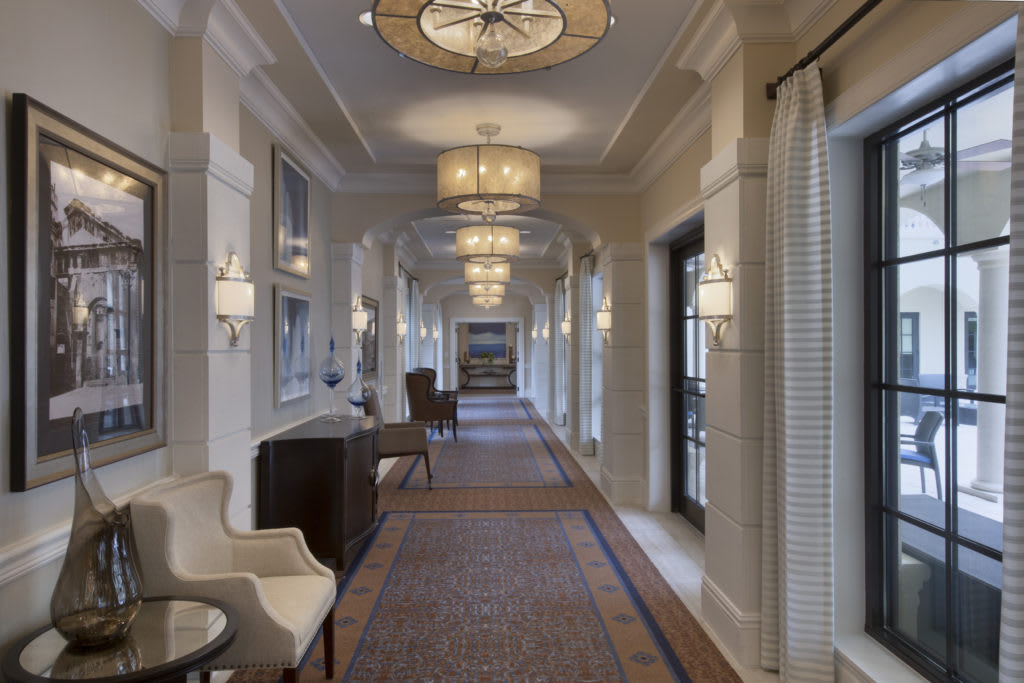
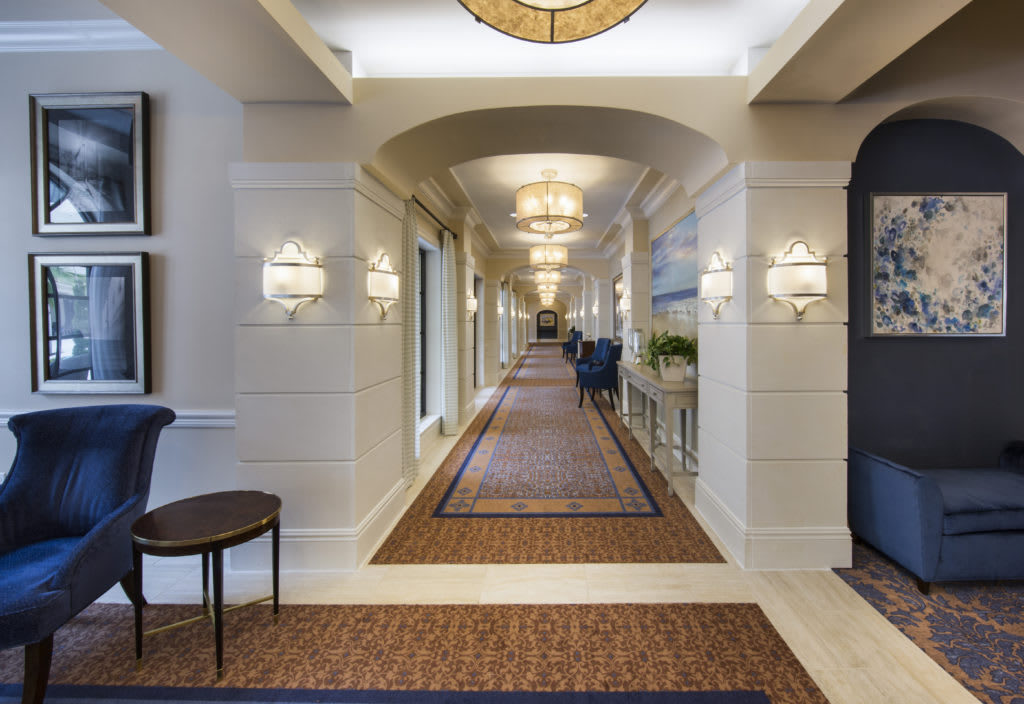
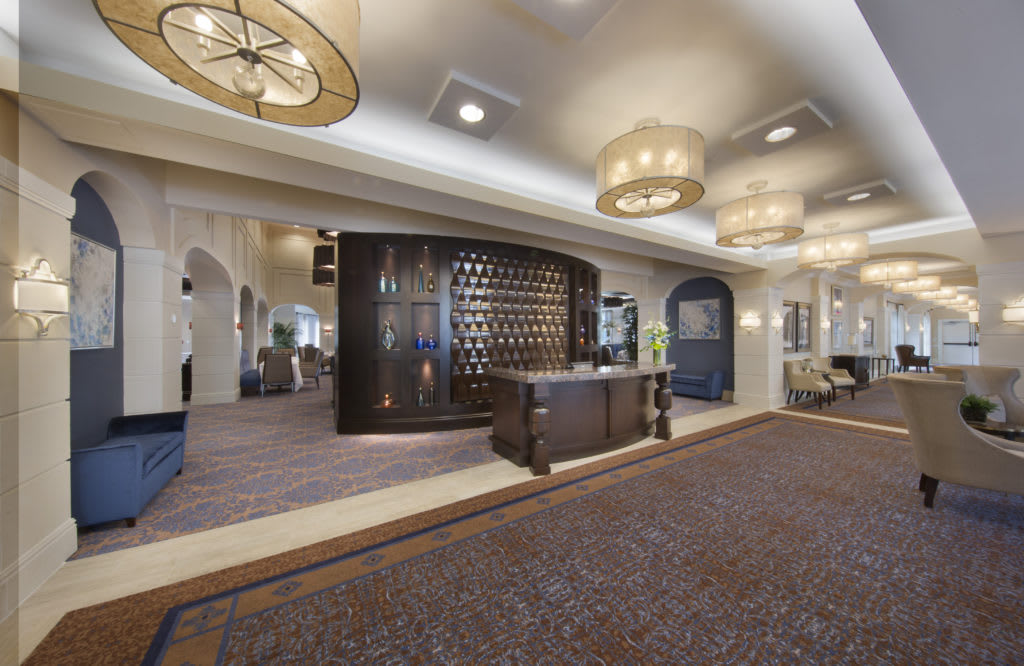
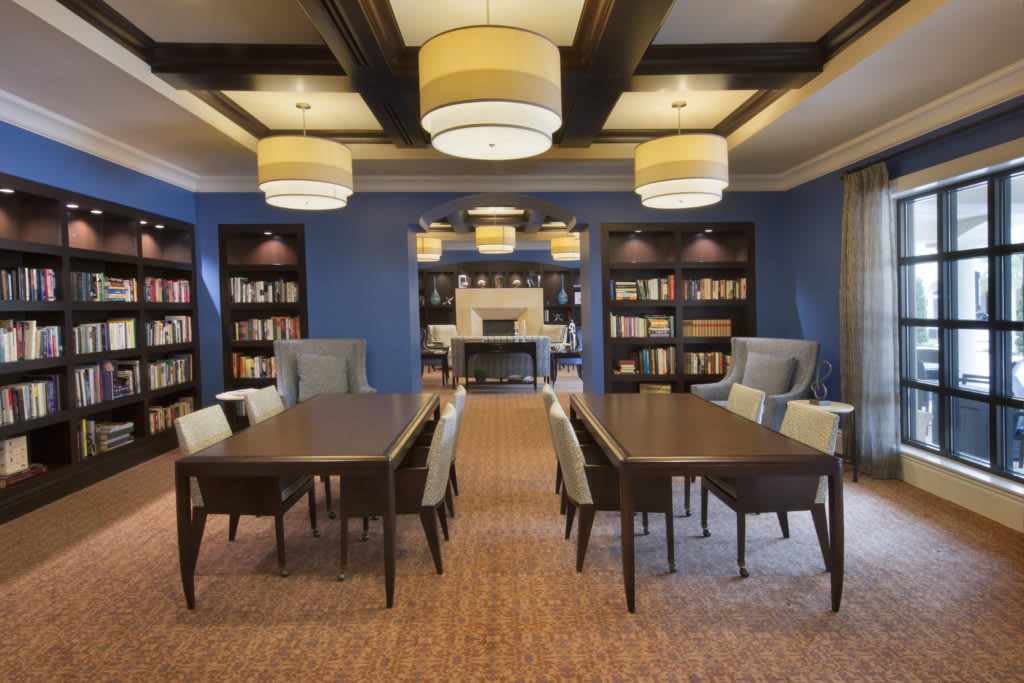
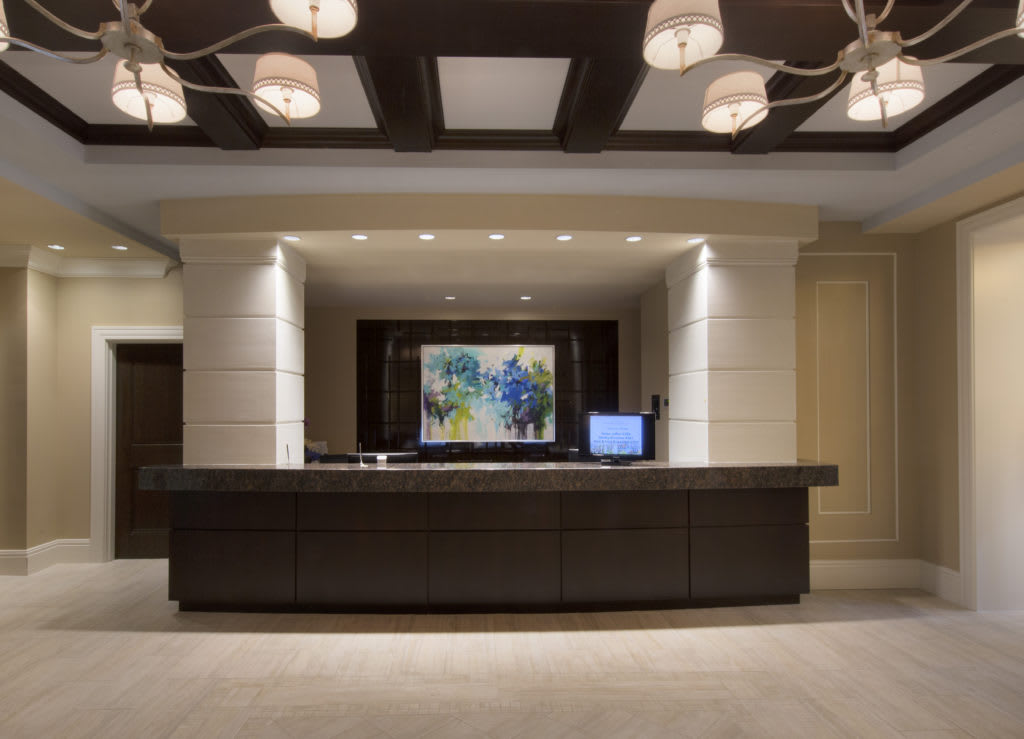
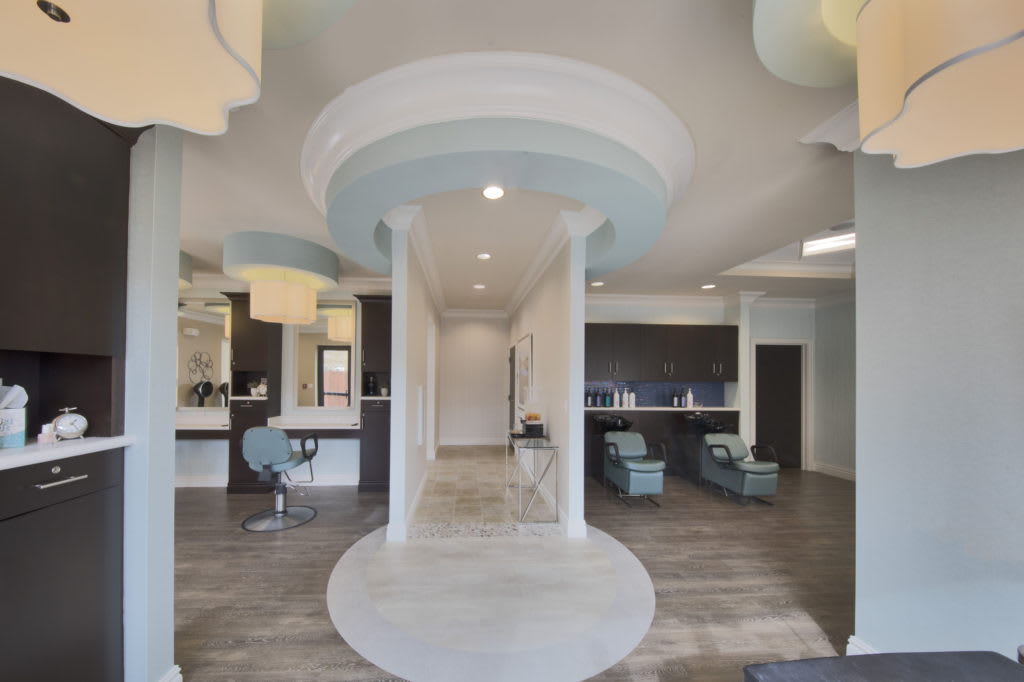
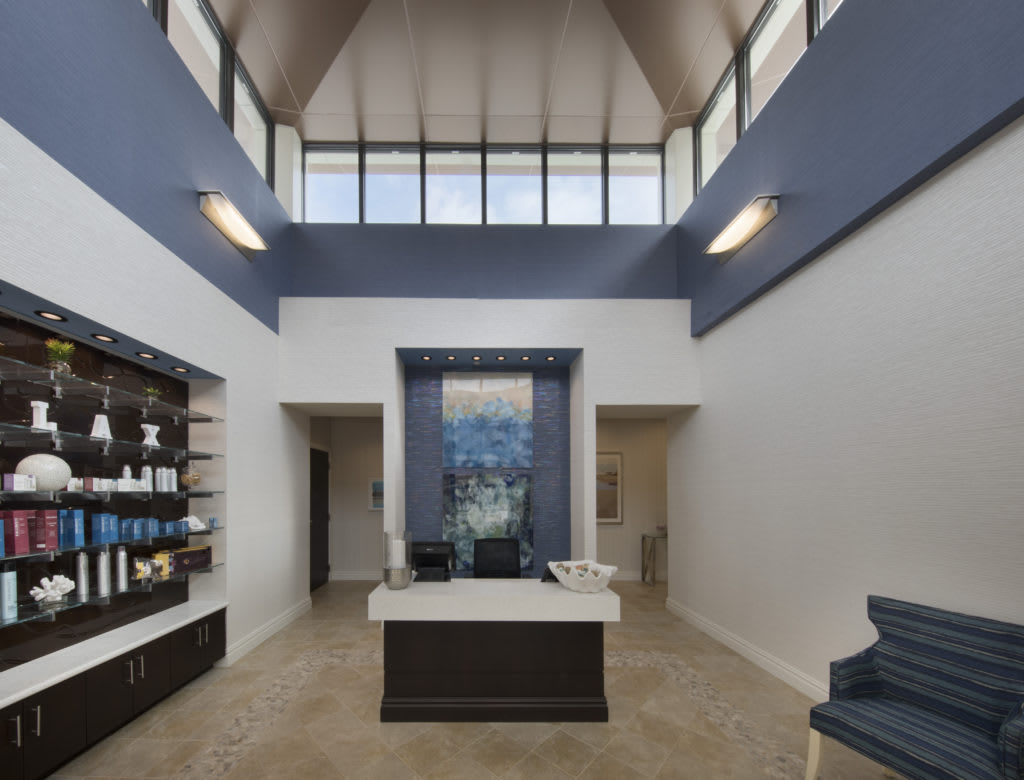
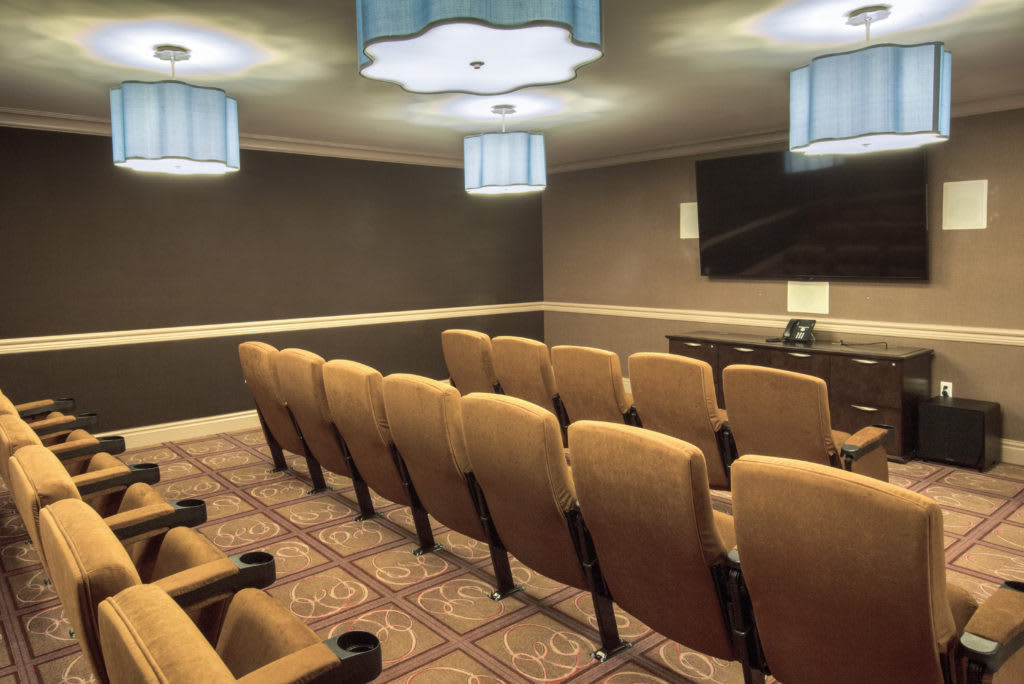
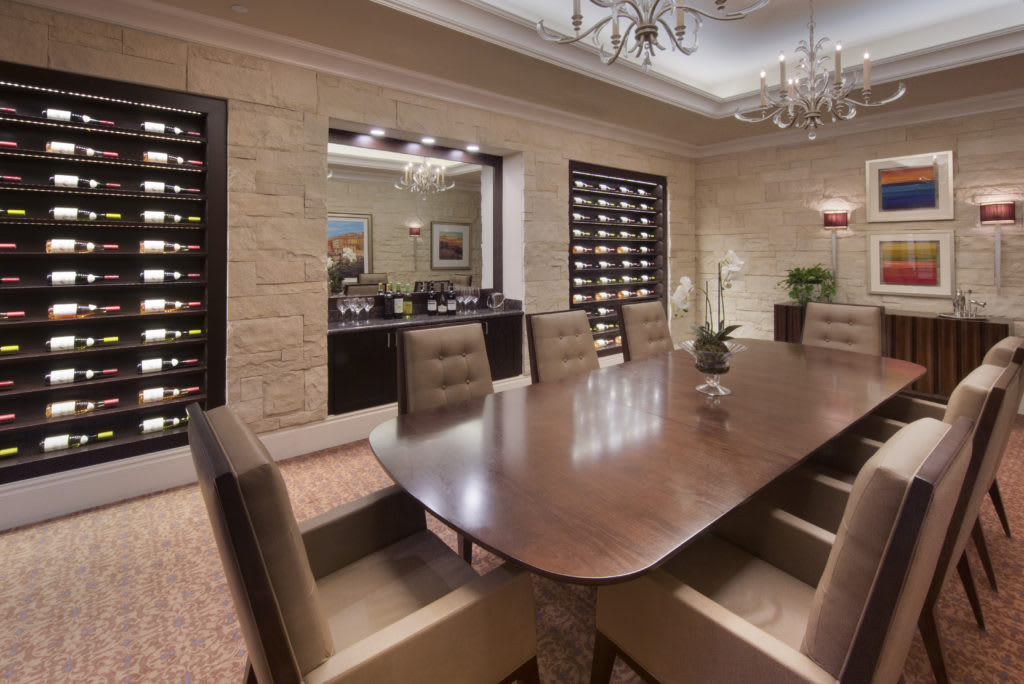
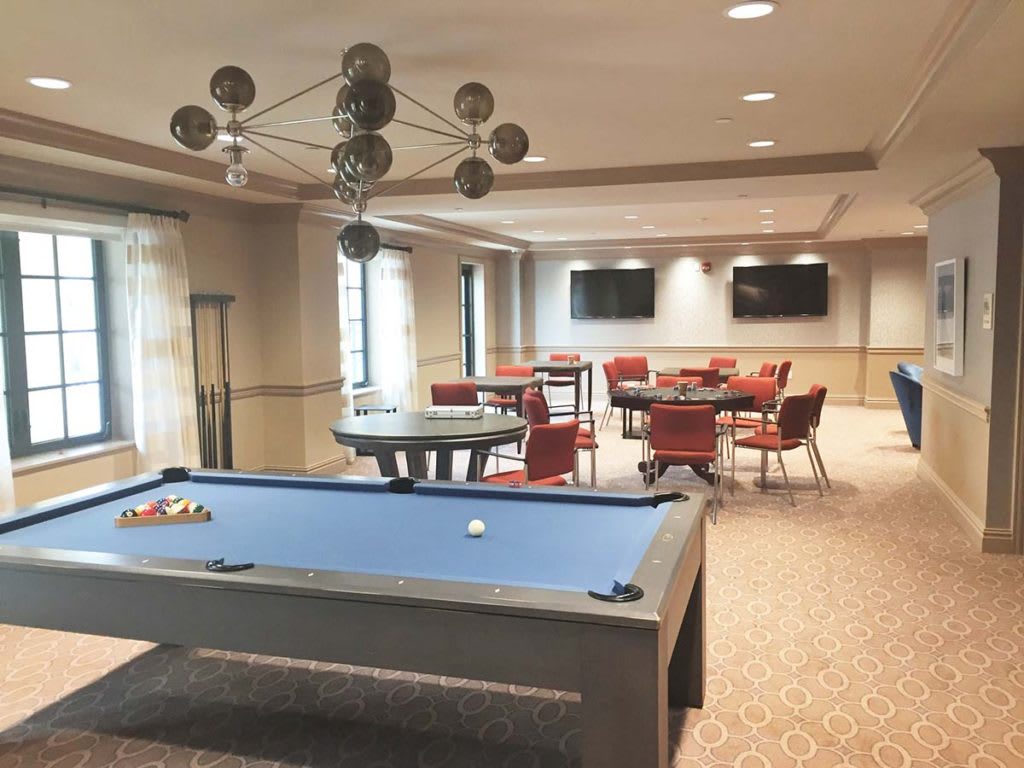
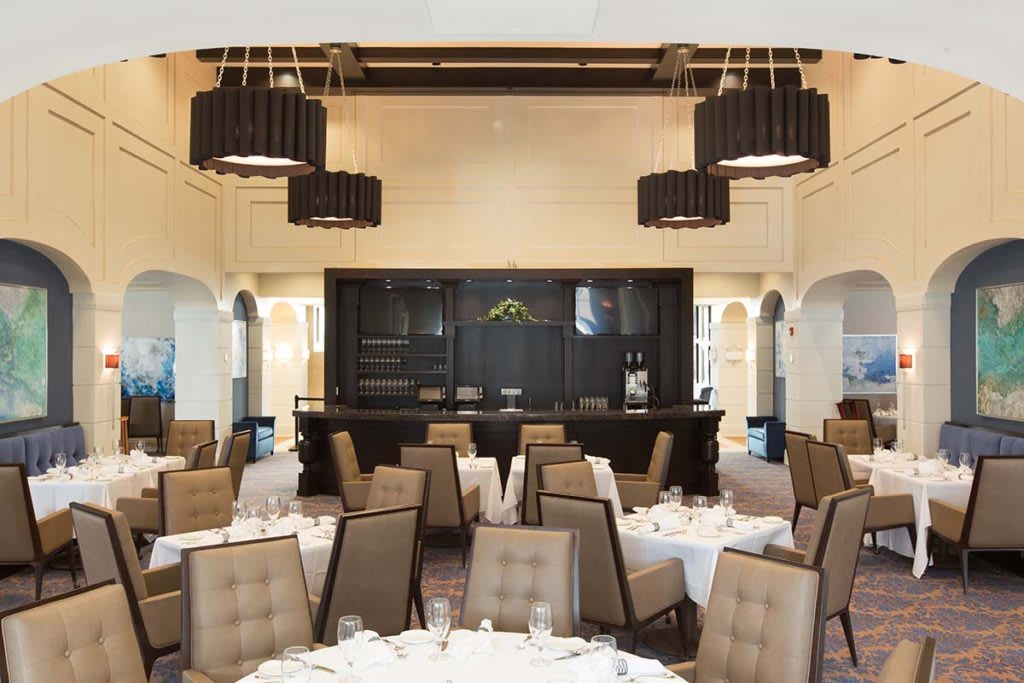
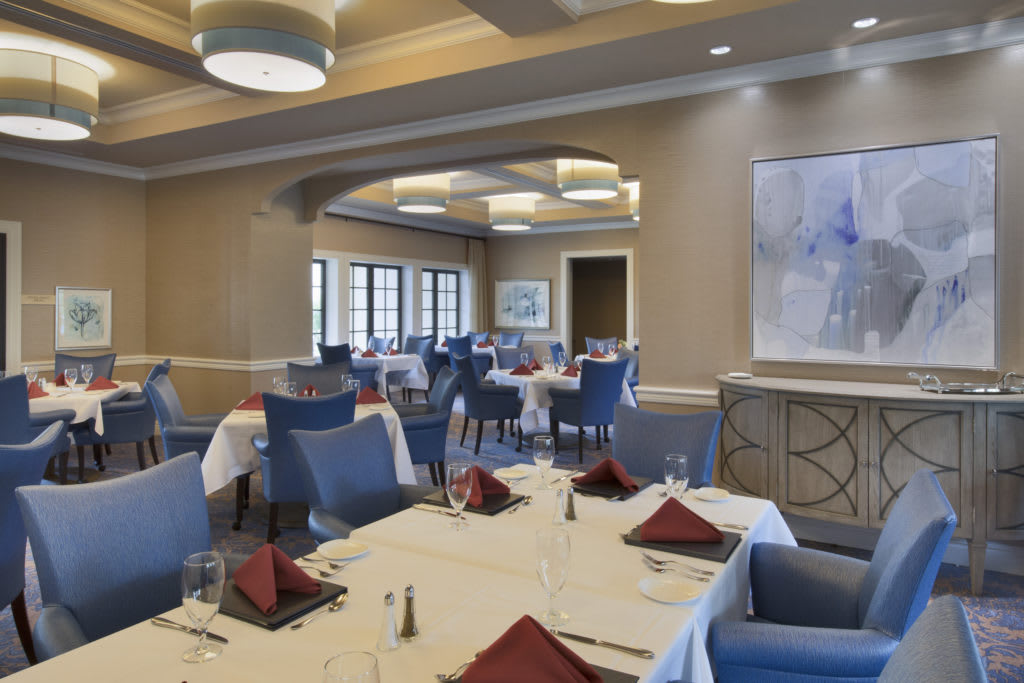
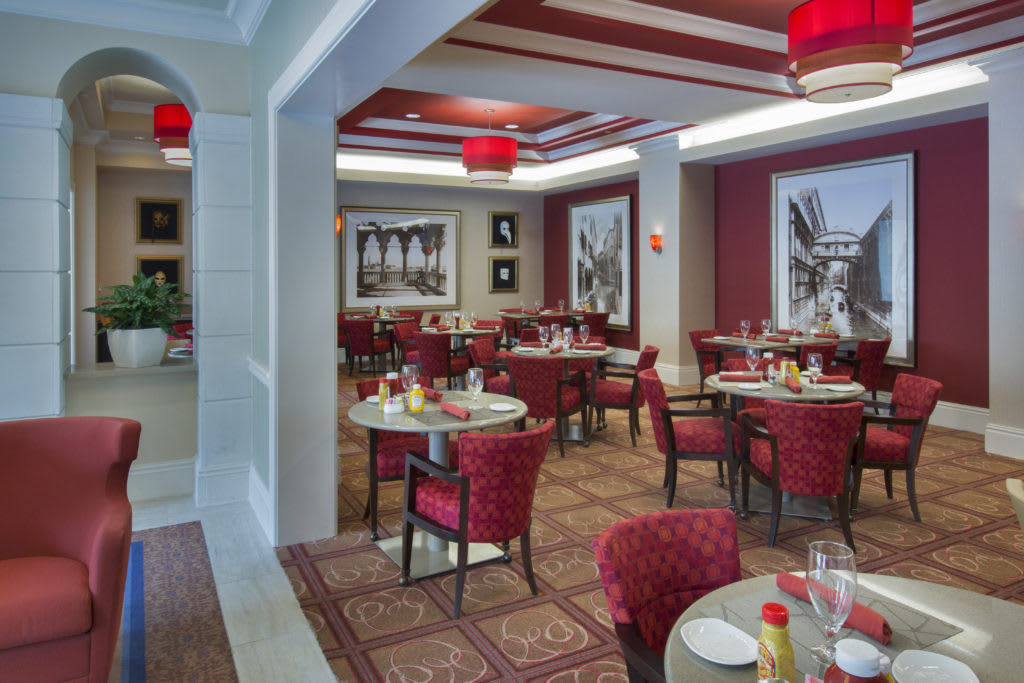
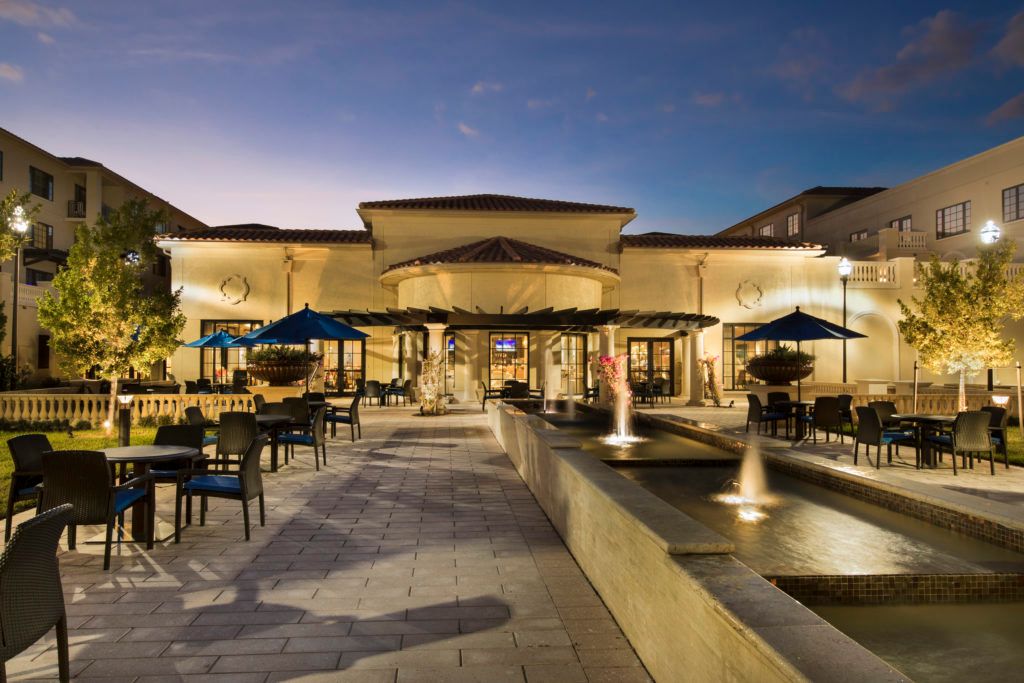
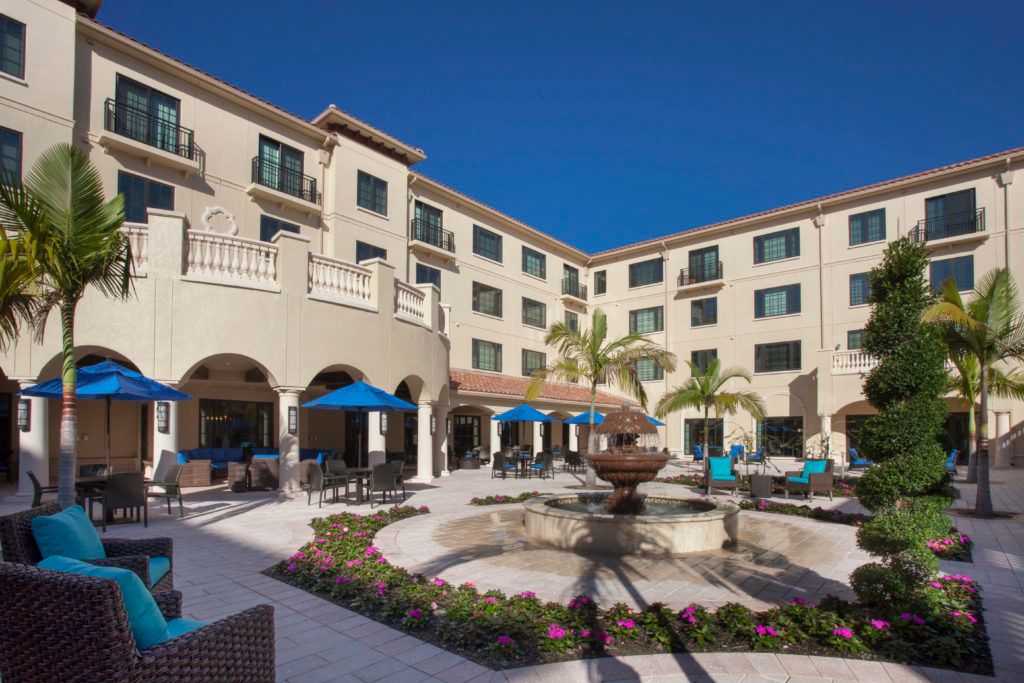
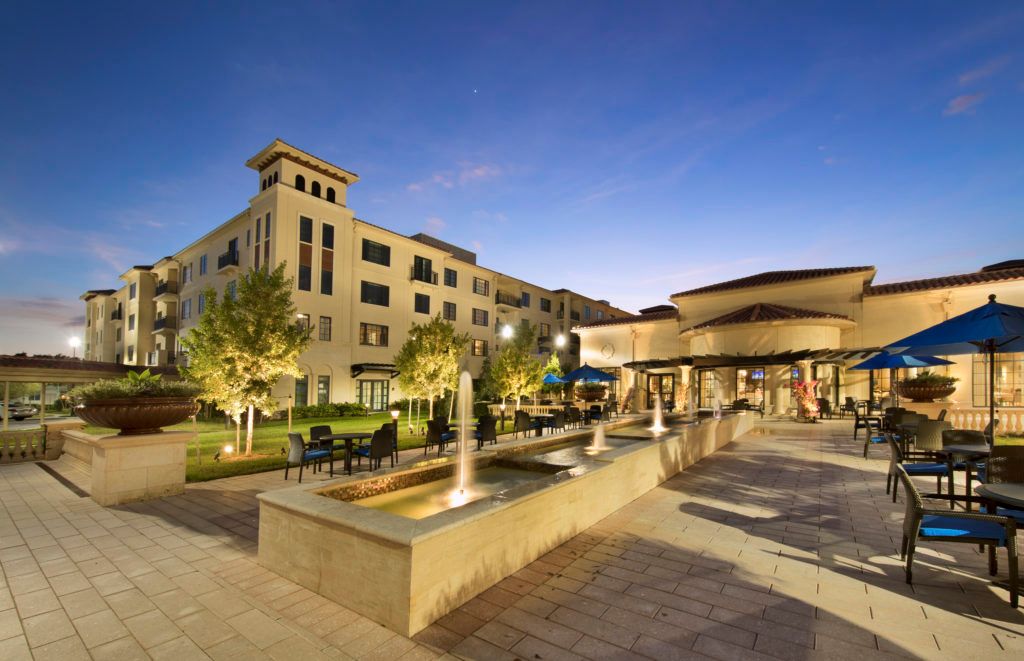
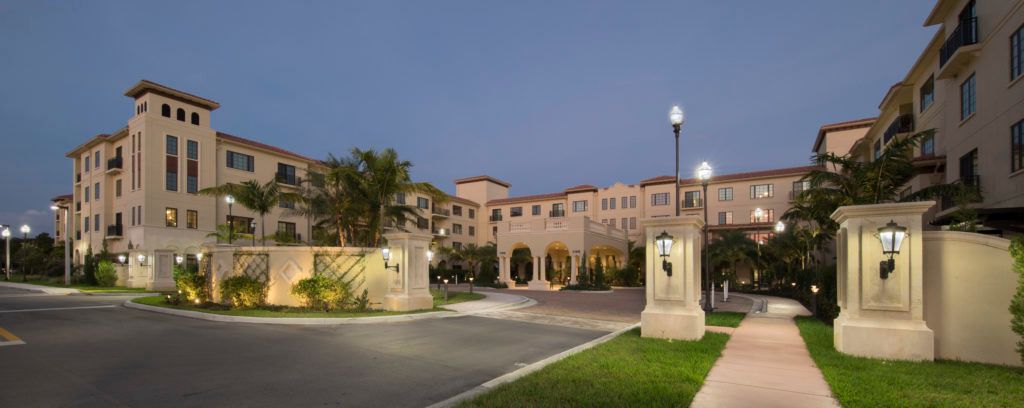
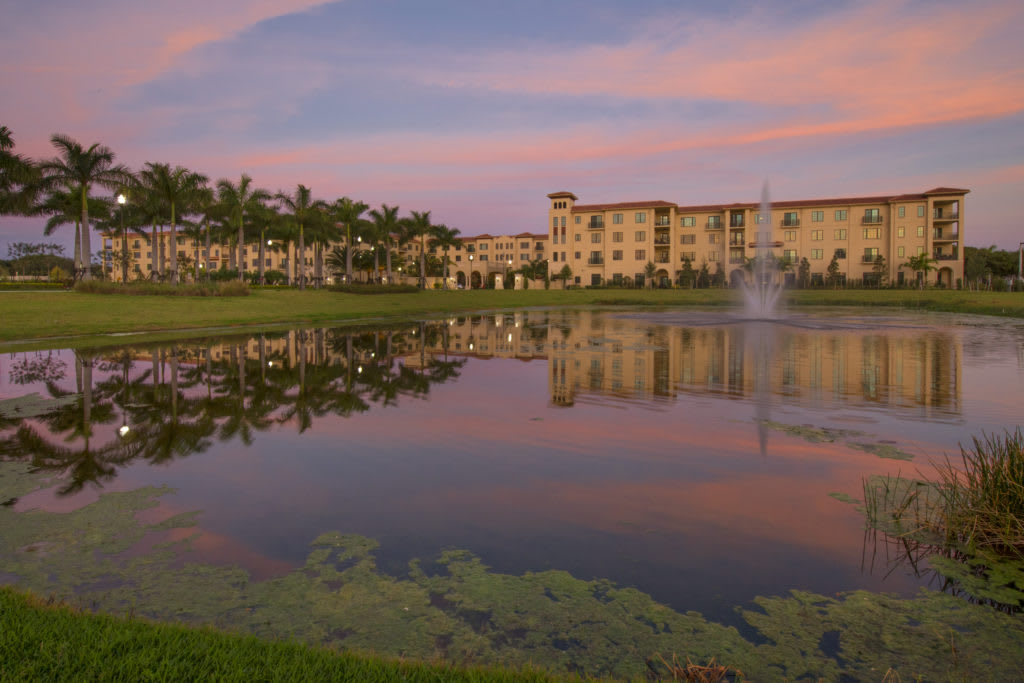
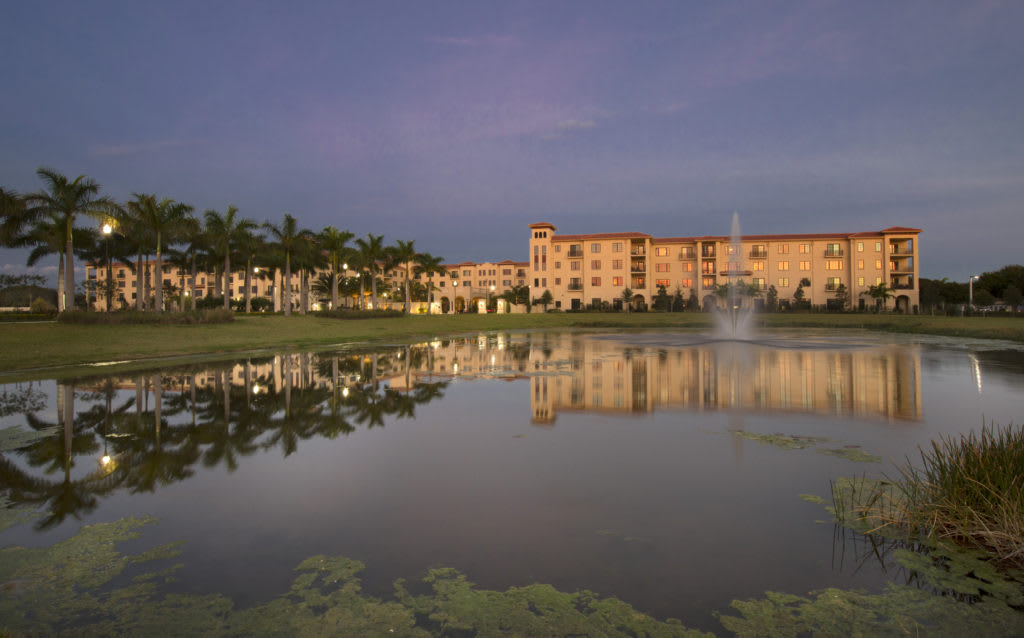
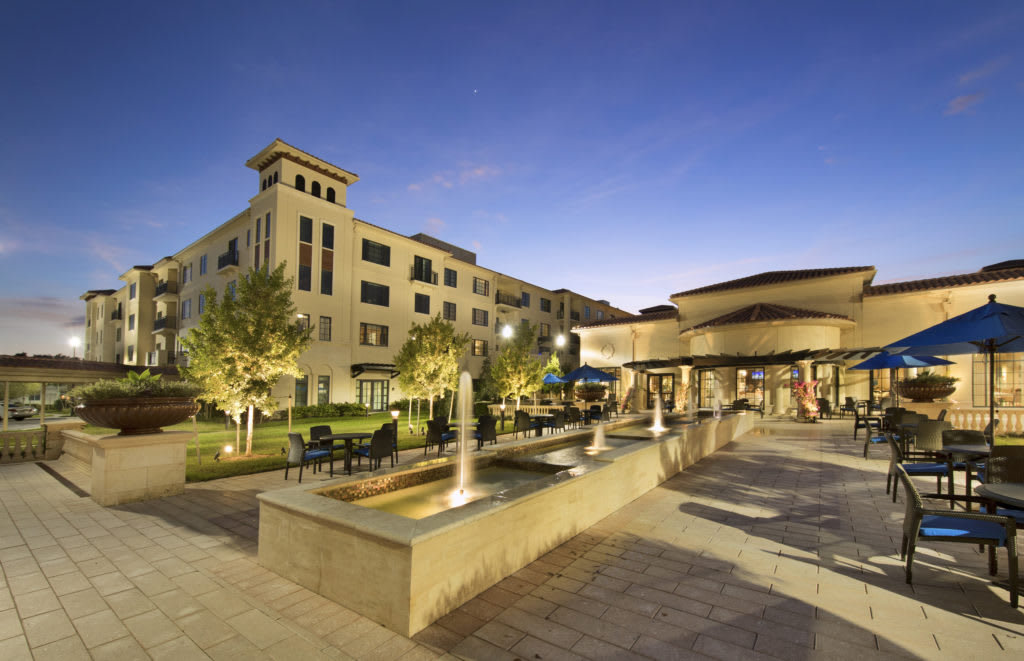
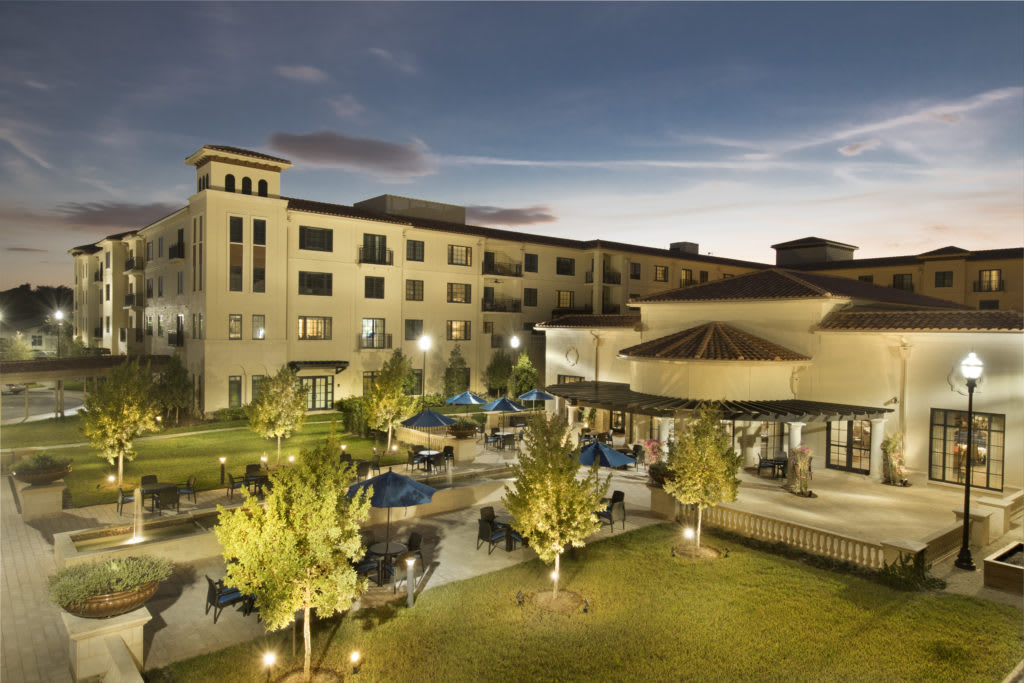
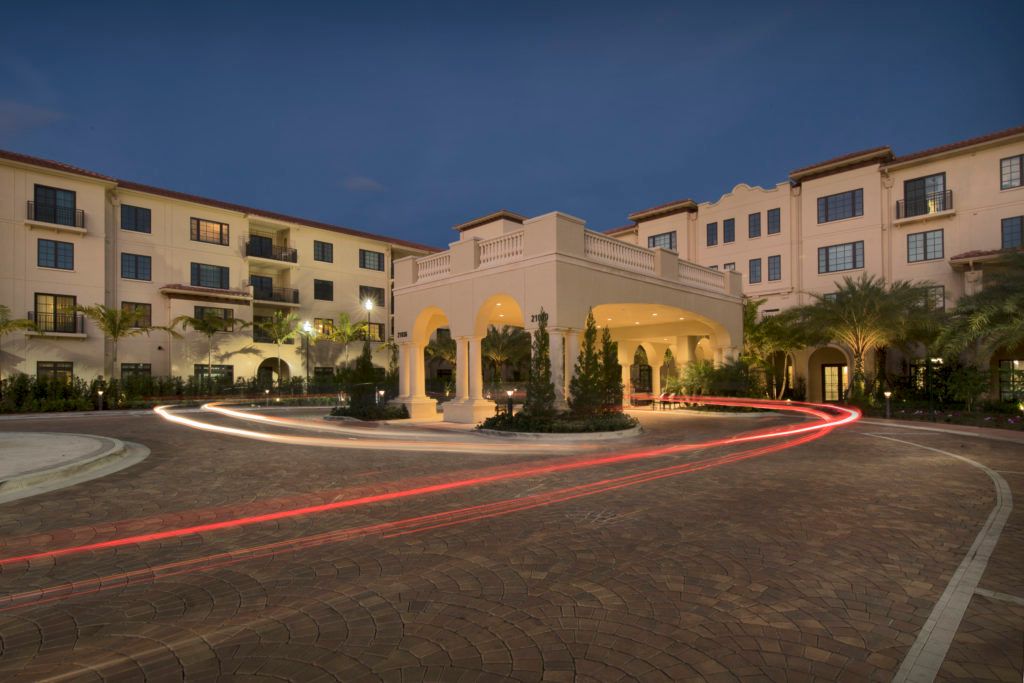
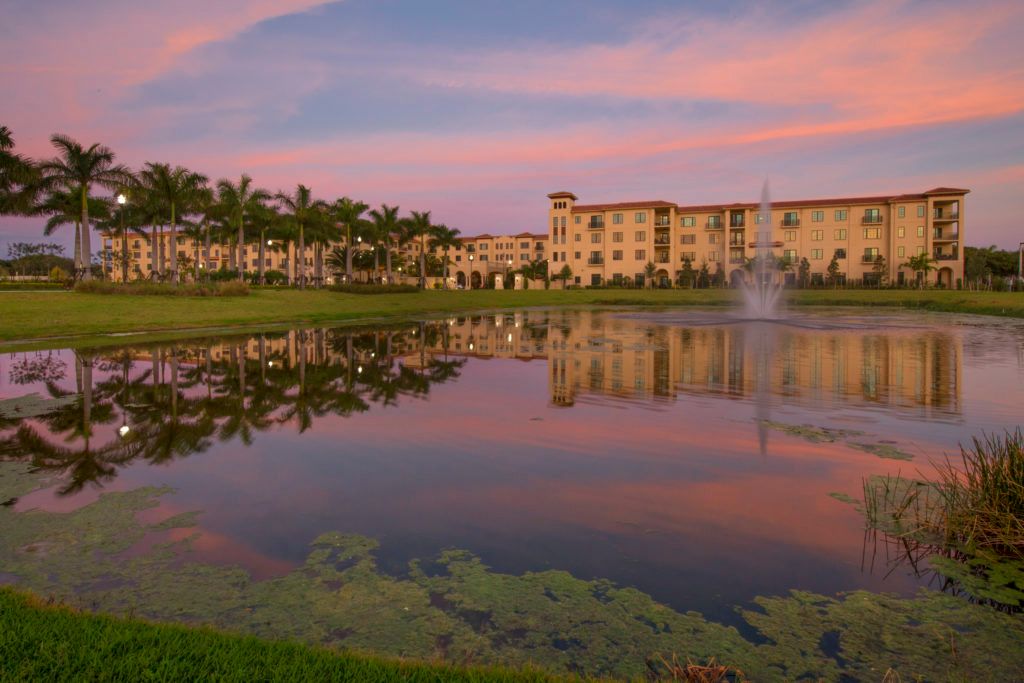
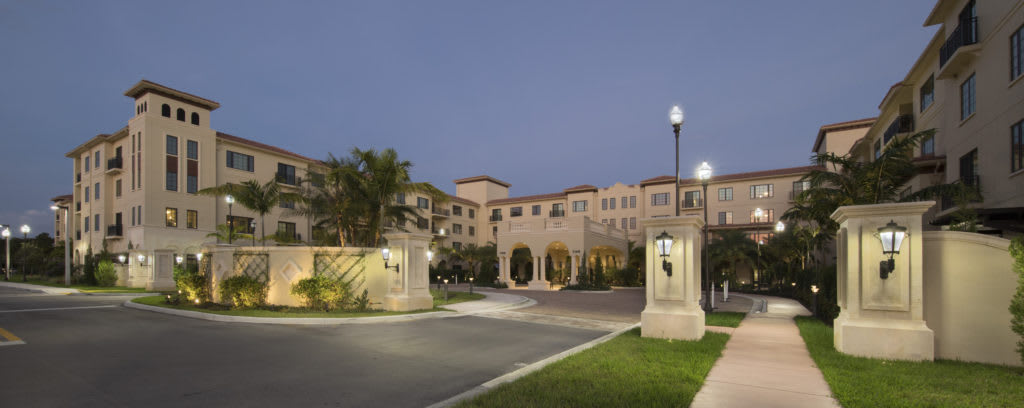
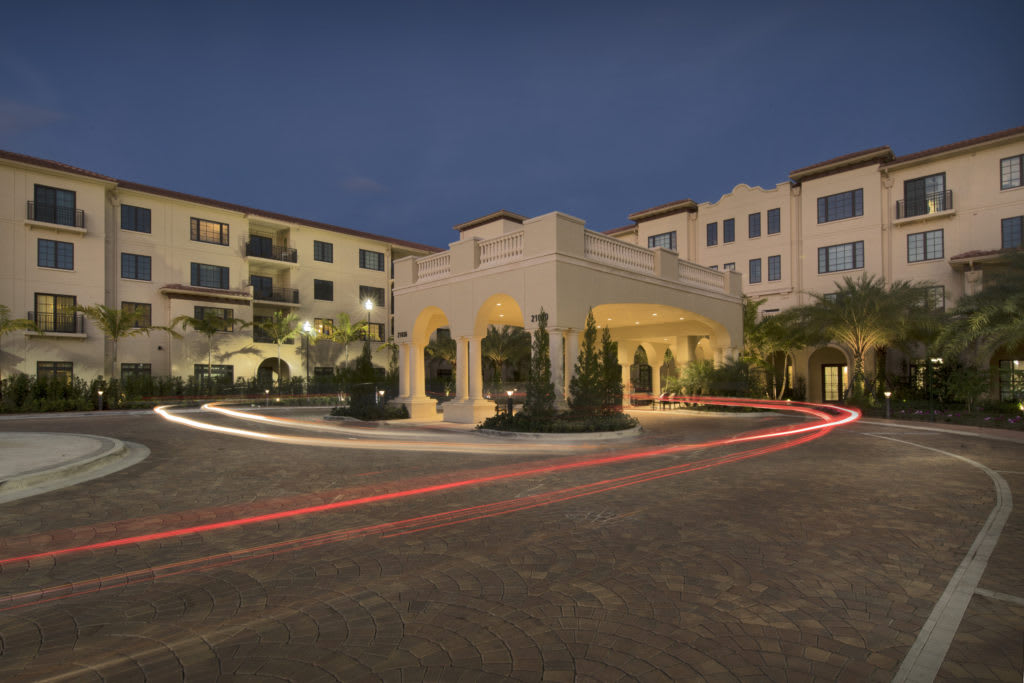
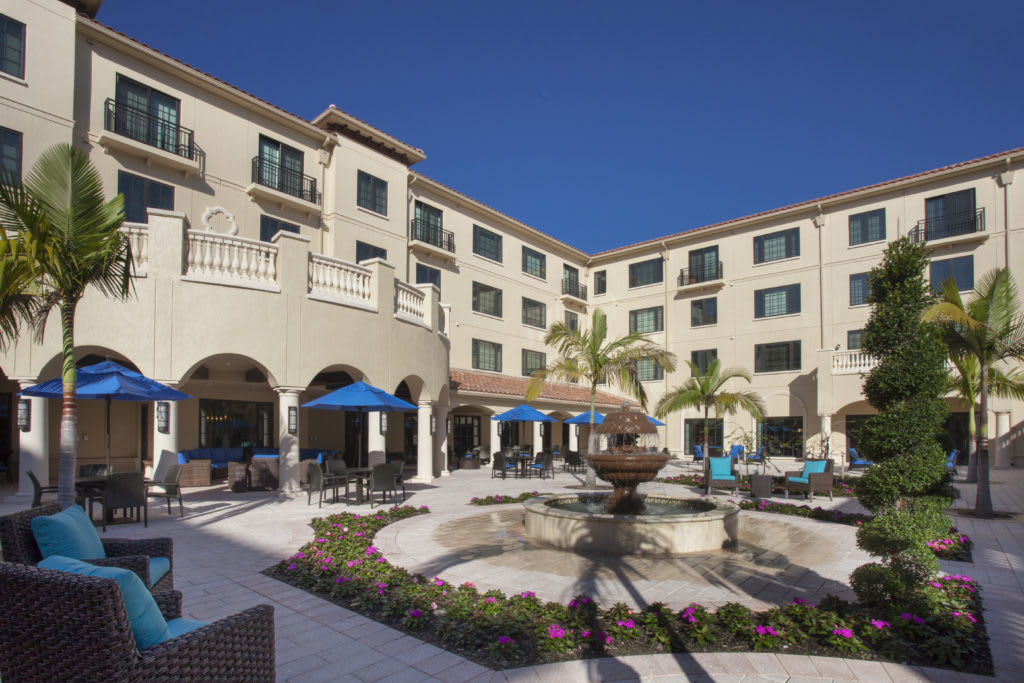
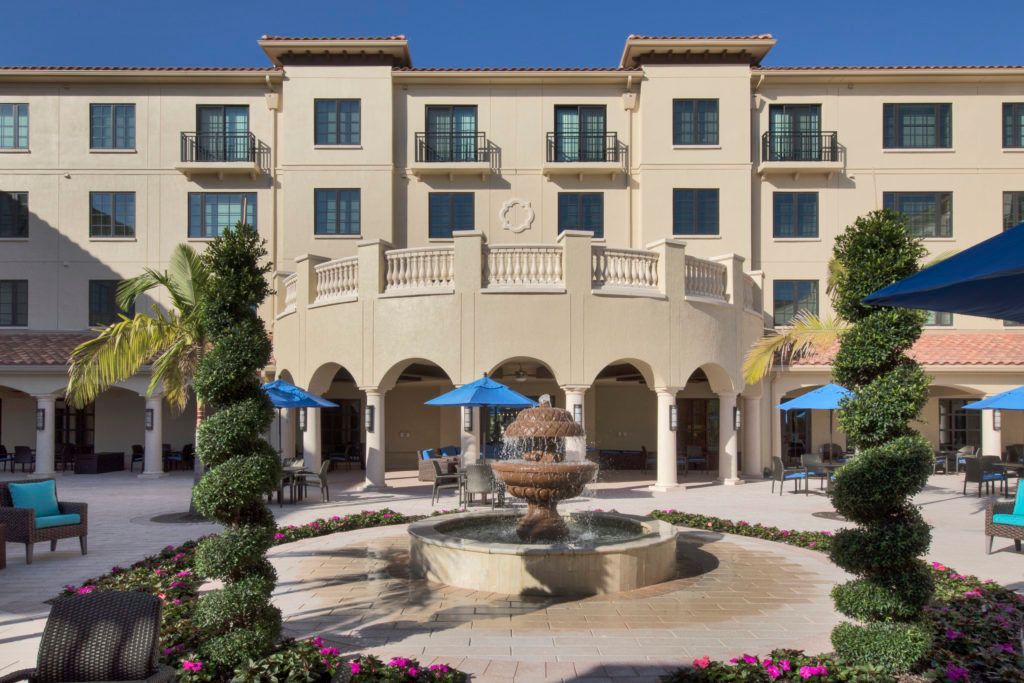
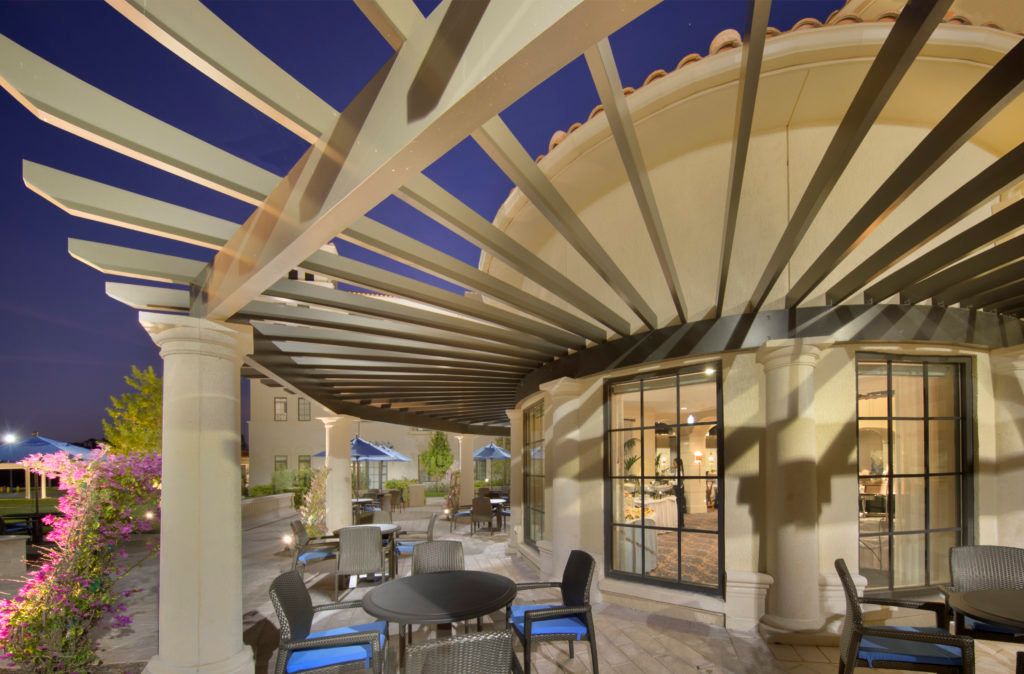
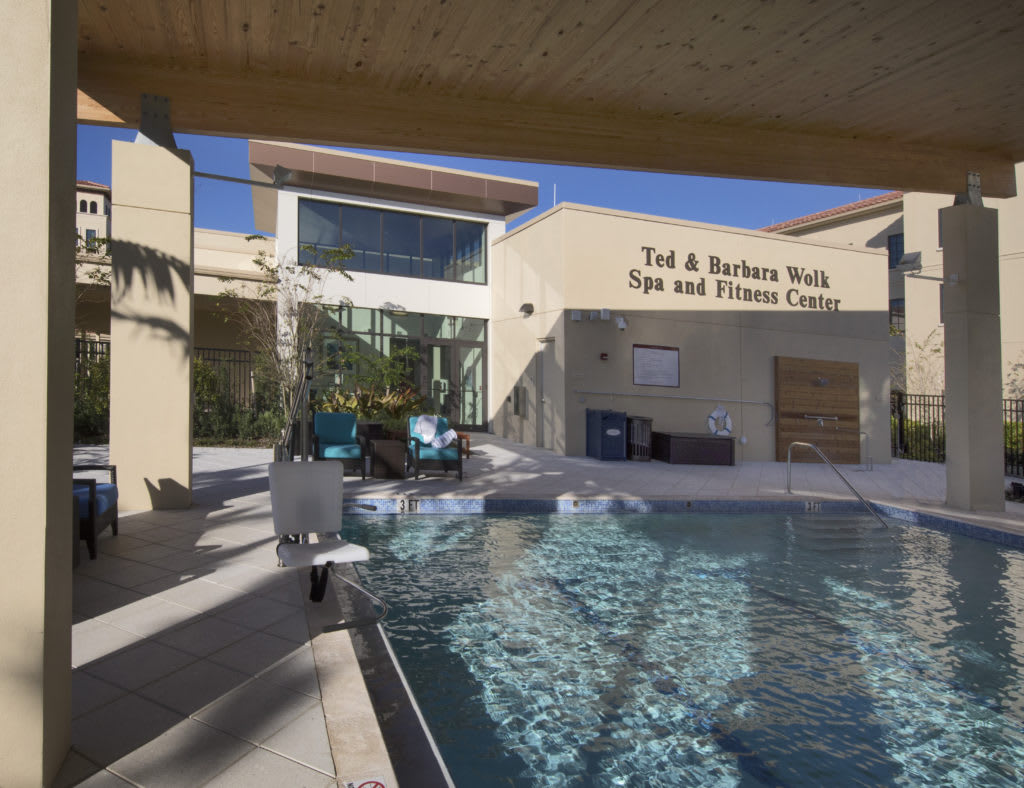
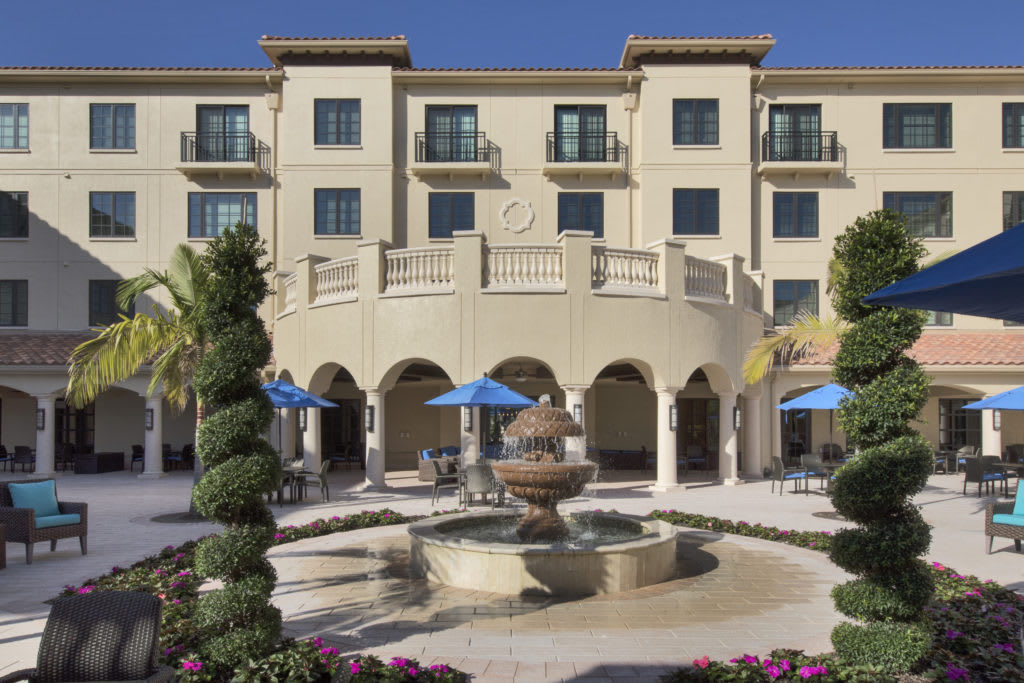
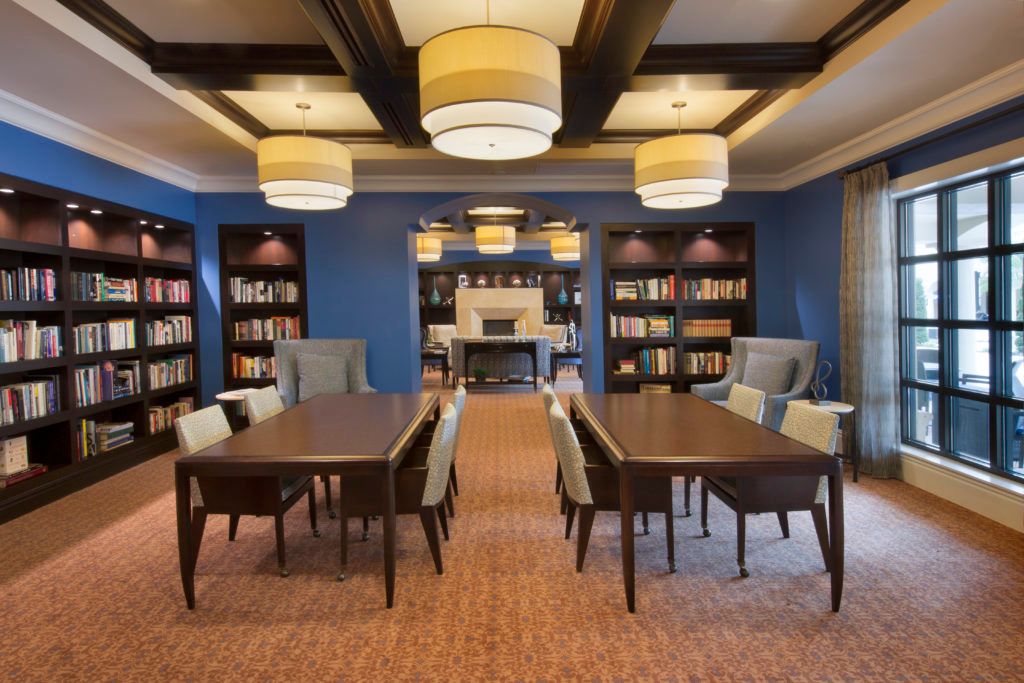
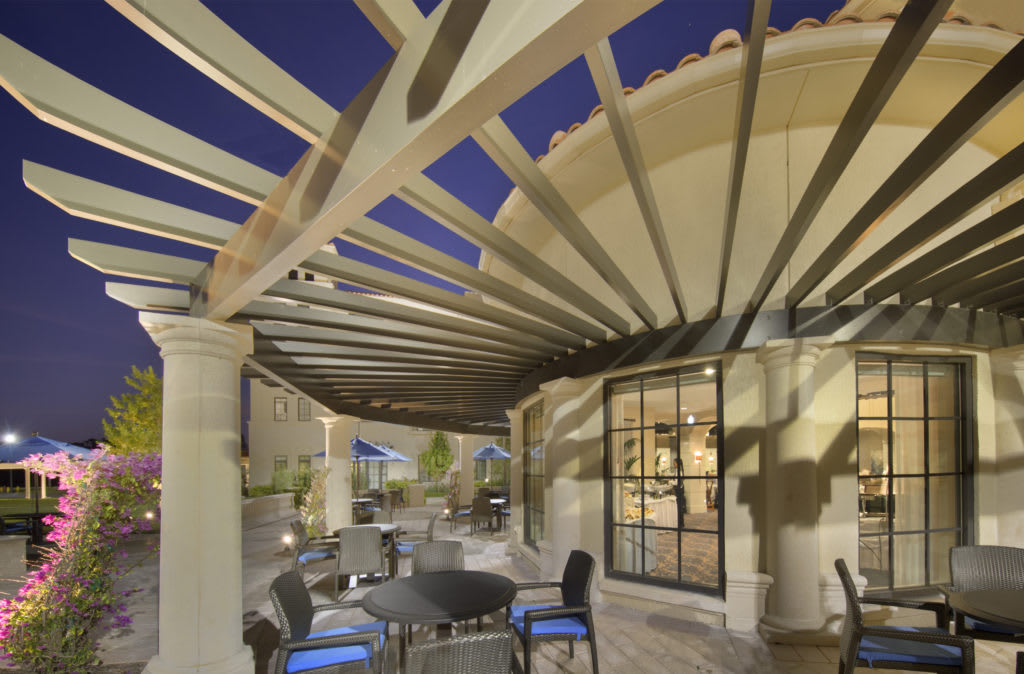
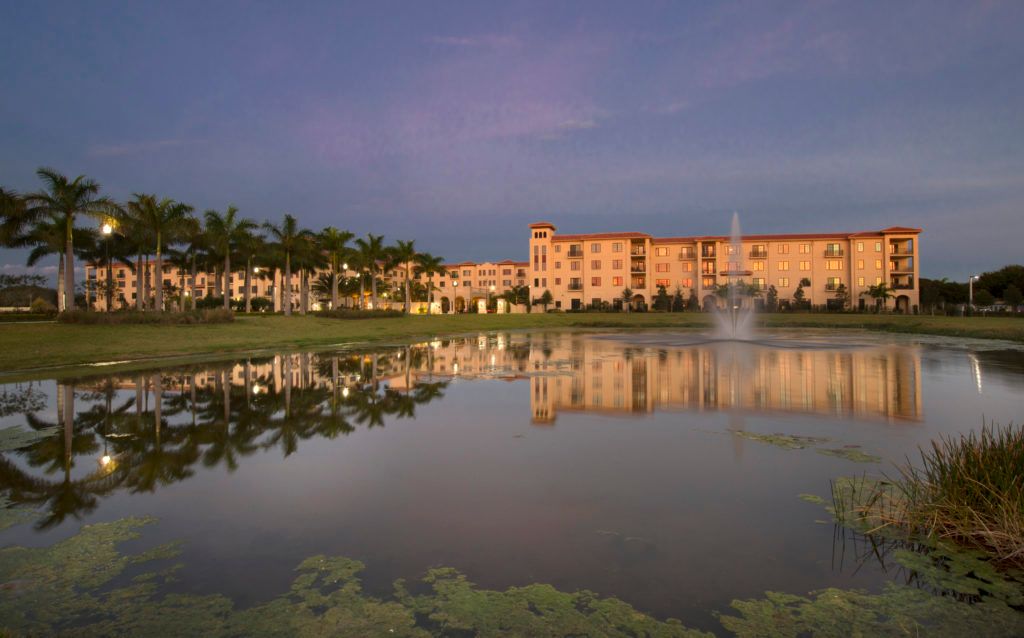
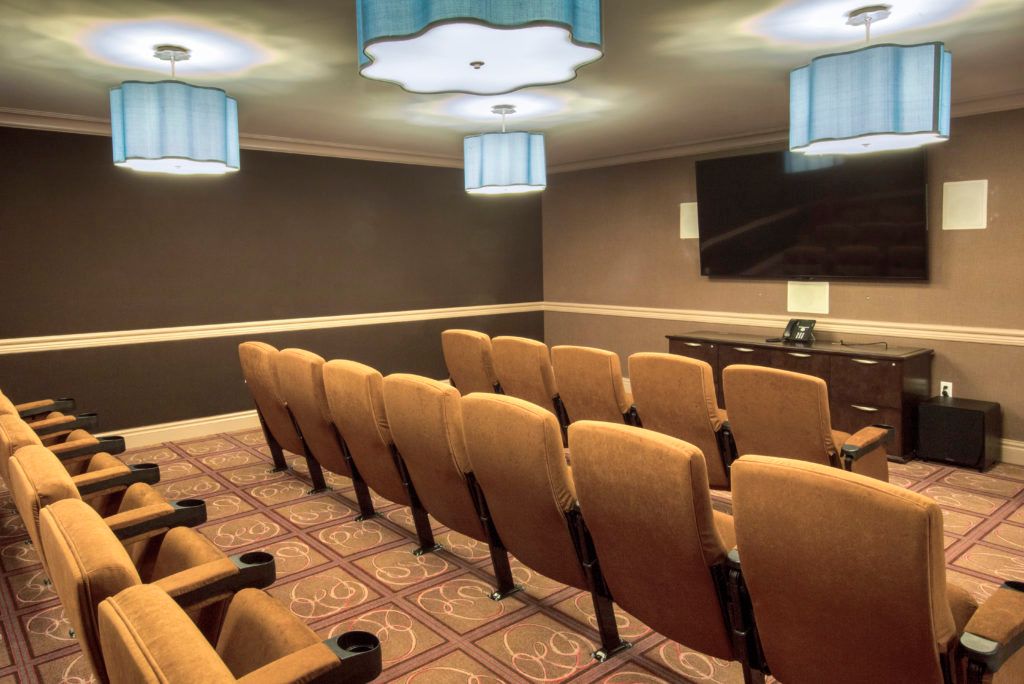
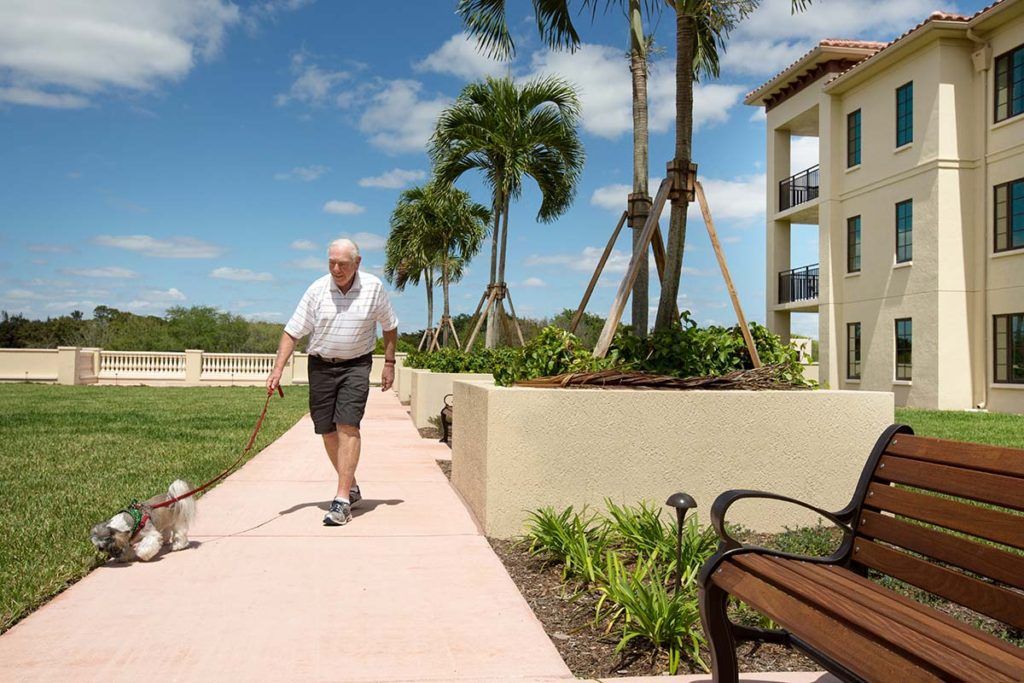
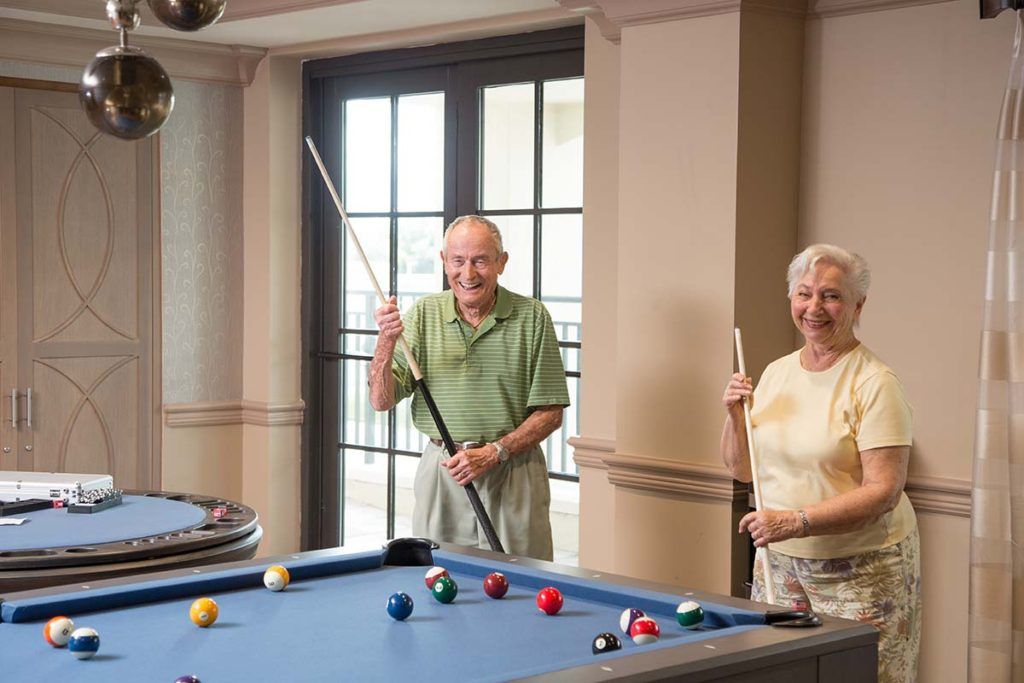
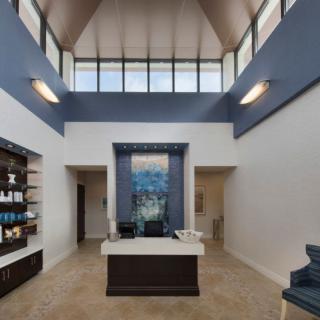
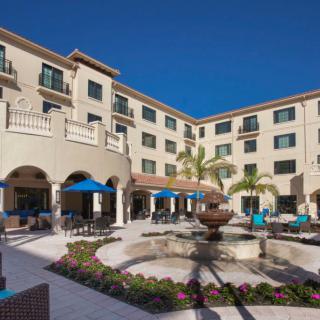
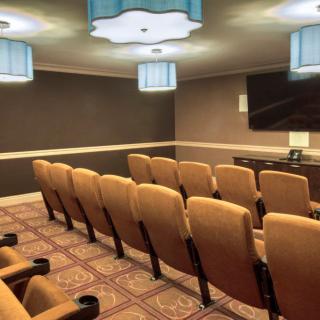
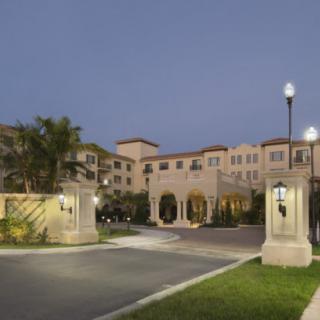
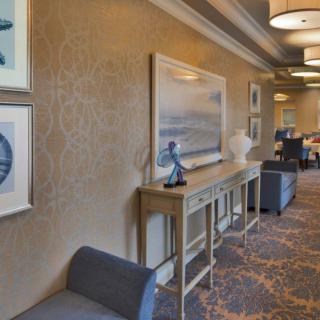
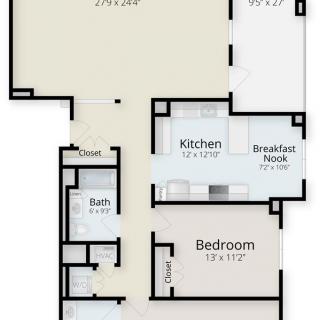
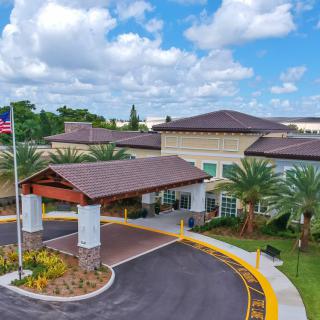
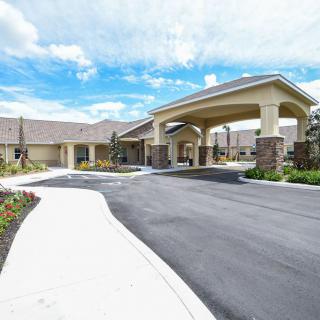
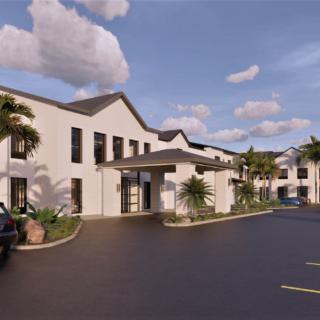
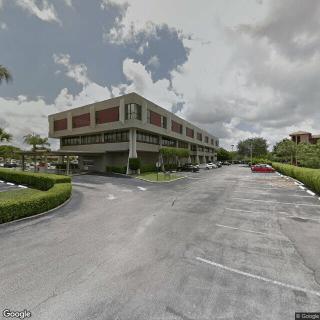
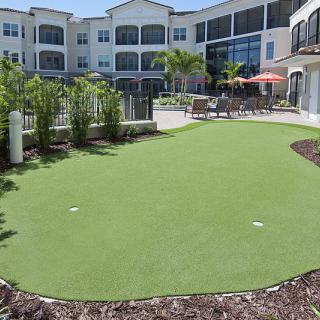
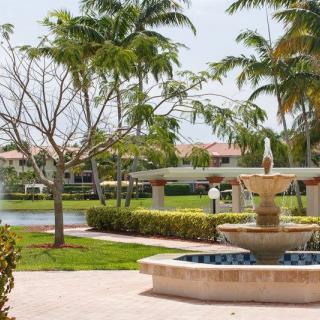
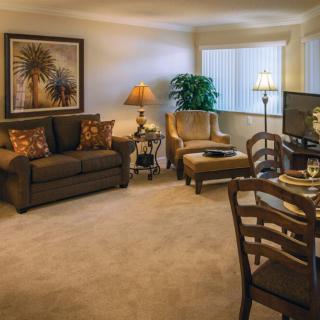
The Health Center at Sinai Residences on seniors.fyi includes 59 photos including images showing interior, dining, architecture, lighting, building, fountain, decor, floor plan, and more.
Nearby Communities
Sinai Residences Boca Raton
Boca Raton, FL
4.4 from 63 reviews
Beautiful facilities and diverse amenities, including kosher dining.
Menorah House
Boca Raton, FL
3.2 from 120 reviews
24/7 supervision with broad on-site amenities.
Comfort Care Nursing Registry, LLC - Boca Raton, FL
Boca Raton, FL
4.1 from 8 reviews
Convenient access to healthcare, pharmacies, parks, dining, and cultural amenities.
Boca Flores
Boca, FL
5 from 1 review
Care services (meal prep, medication management) and Wi?Fi.
Palliser Assisted Living
Boca Raton, FL
5 from 71 reviews
Comprehensive care with activities, dining, and health coordination.
Boca Lago
Boca Raton, FL
4.4 from 118 reviews
Small, intimate assisted living with personalized attention (meal prep and medication management) and Wi-Fi.
Allegro Parkland
Parkland, FL
4.7 from 58 reviews
$4,030 to $6,090 / month
Upscale, hotel-like community with diverse activities and appealing dining.
Willowbrooke Court At St Andrews
Boca Raton, FL
3.2 from 12 reviews
Beautiful grounds and modern facilities with diverse amenities.
Five Star Premier Residences Of Boca Raton
Boca Raton, FL
4.6 from 94 reviews
$4,250 to $5,350 / month
Warm staff in a welcoming, activity-rich community with comfortable spaces.
Reminiscence therapy is a structured method for older adults, especially those with dementia, to share life stories using prompts and sensory cues, fostering emotional well-being, social engagement, and self-identity. It aims to improve quality of life by enhancing interpersonal connections and cognitive stimulation while requiring careful facilitation to avoid distressing memories.
Dementia, particularly Lewy body dementia, often involves hallucinations that can significantly distress both patients and caregivers due to disruptions in sensory processing and neurotransmitter imbalances. Effective management includes compassionate communication, environmental adjustments, and a multidisciplinary approach to care while addressing the emotional needs of caregivers.
Alzheimer’s disease is a progressive neurological disorder that significantly impacts memory and cognitive functions, accounting for 60-80% of dementia cases, with early diagnosis being crucial yet challenging. It involves brain changes like beta-amyloid plaques and tau tangles, influenced by genetic and lifestyle factors, and while there is no cure, symptom management and support for caregivers are essential.
Get PricingAsk A QuestionSchedule A TourContact Senior Advisor
By clicking submit, you agree to our Partner's Terms of Use. You
also consent to receive calls and texts, which may be autodialed, from our Partner. Your consent is not a condition to
using our Partner's service. Please visit our Partner's Privacy Policy for information about their privacy practices.






 74 resident community capacity
 Assisted Living
 Independent Living
 Memory Care
 Cats allowed
 Dogs allowed
 Activities off-site
 Air-conditioning
 Beautician on-site
 Cable or satellite TV
 Computer center
 Devotional services off-site
 Dining room
 Fitness room
 Fully furnished
 Gaming room
 Garden
 Ground floor units
 Handicap accessible
 Housekeeping services
 Indoor common areas
 Kitchenette
 Move-in coordination
 Outdoor common areas
 Private bathrooms
 Respite or short term stays offered
 Restaurant-style dining
 Small library
 Swimming pool / hot tub
 Telephone
 Wellness center
 Wheelchair accessible showers
 Wi-Fi/high-speed internet available
 Fort Lauderdale-Hollywood International (20 miles away)
 Community operated transportation
 24-hour call system
 Ambulatory care
 Assistance with bathing
 Assistance with dressing
 Assistance with transfers
 Diabetes diet
 Diabetic care
 Incontinence care
 Medication management
 Mental wellness program
 Special dietary restrictions
 Art classes
 Concierge services
 Cooking classes
 Day trips and outings
 Educational speakers / life long learning
 Happy hour
 Jewish services
 Karaoke
 Live dance or theater performances
 Live musical performances
 Beautiful facilities and diverse amenities, including kosher dining.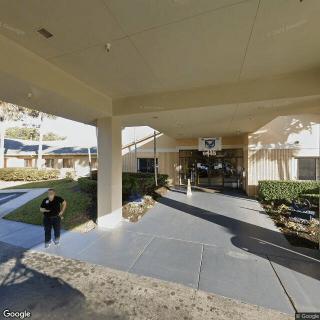

 An In-Depth Look at Reminiscence Therapy in Dementia Care
 Dementia-Related Hallucinations: Causes, Experiences, and Practical Approaches
 Illuminating Insights About Alzheimer's Disease: Ten Crucial Realities